
5 Best Medical Alert Systems for Seniors With No Monthly Fee
 By Kutubuddin, Founder & Senior Care Researcher Updated October 2026
In this guide
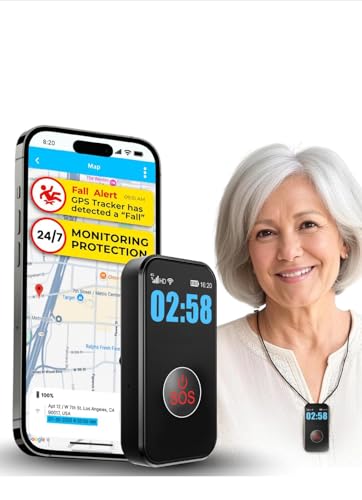 Best Overall, No Monthly FeeMedical Alert Pendant for Seniors (Direct-to-Family, No Call Center)
 Best for In-Home MonitoringWiFi In-Home Medical Alert System with Fall Detection & Virtual Caregiver
 Best Budget Call ButtonWireless Caregiver Pager (1 Button + 1 Receiver)
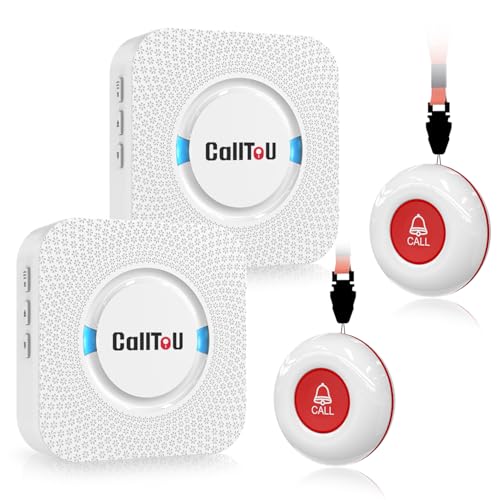 Best for Larger HomesCallToU Wireless Caregiver Pager (2 Buttons, 2 Receivers, 500+ ft)
 Best for Night-Time FallsLunderg Wireless Early Alert Bed Alarm System
- What to look for
- Frequently asked questions
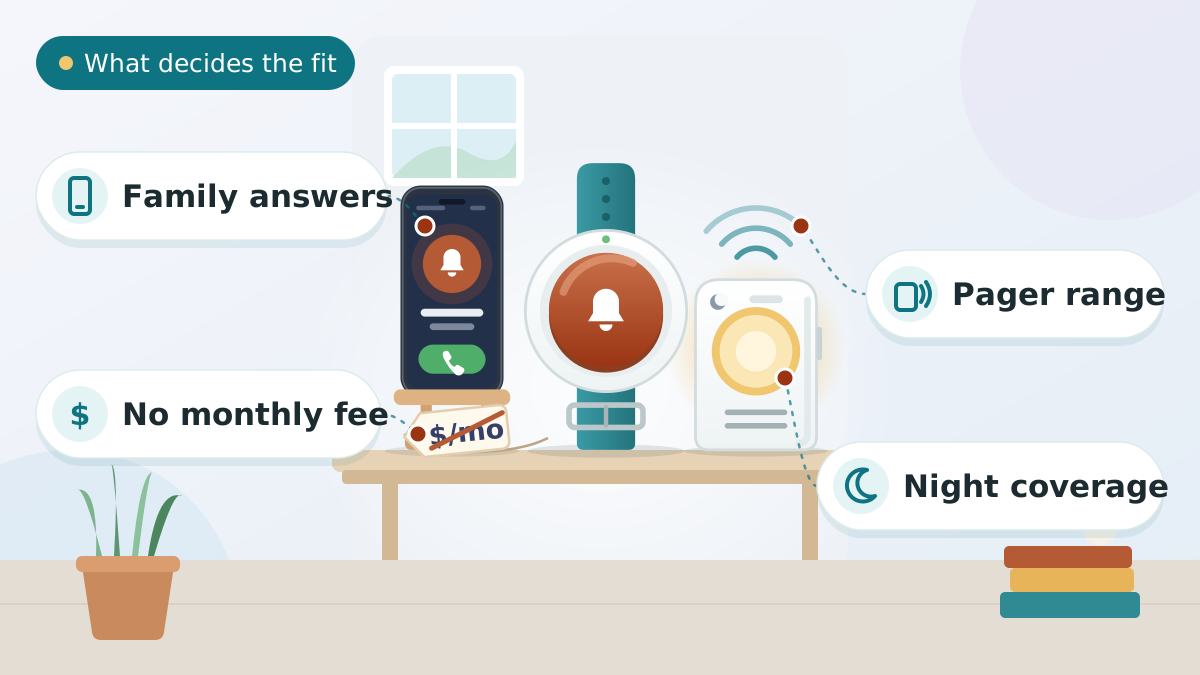
A medical alert device with no monthly fee is a real product, not a compromise — but it answers to a different household than a monitored one. Instead of routing an alert through a staffed call centre, it calls or pages the people already in the person's life. No subscription, no contract, one purchase.
That trade is the entire decision. If someone reliably answers the phone, you are paying a monthly fee for something you already have. If nobody is guaranteed to pick up at 4am, the fee is buying the one thing these devices structurally cannot provide — and our guide to choosing a medical alert system works through that properly.
Our overall pick is a pendant that sends alerts straight to family with fall detection, GPS and two-way calling built in. Below it are four devices that solve narrower versions of the same problem, from a $25 call button to a bed alarm that warns before someone stands up.
We may earn a commission when you buy through links on this page. Read our affiliate disclosure.
Our Top Pick
Medical Alert Pendant for Seniors (Direct-to-Family, No Call Center)
This pendant covers the core jobs of a medical alert device — automatic fall detection, GPS location, and two-way calling — but routes the alert straight to family members instead of a paid monitoring center, so there's no monthly contract to sign.
- Automatic fall detection that can call on its own
- GPS location sharing with family
- Two-way talk through the pendant
- Alerts go straight to family — no monthly monitoring fee
- Waterproof to wear in the shower
Response
Direct to family (no call center)
Fall detection
Automatic
Location
GPS tracking
Calling
Two-way audio
Contract
None
Water resistance
Waterproof necklace
Top 5 Picks — Find Your Situation
- Medical Alert Pendant for Seniors (Direct-to-Family, No Call Center)Best Overall, No Monthly Fee
Best forSeniors whose family wants alerts sent directly to them — with fall detection, GPS, and two-way calling but no monthly fee
- Fall detection, GPS, and two-way calling in one pendant
- Alerts family directly — no monthly call-center fee
- No long-term contract
Watch out: Relies on family being reachable and able to respond — no 24/7 professional center
- WiFi In-Home Medical Alert System with Fall Detection & Virtual CaregiverBest for In-Home Monitoring
Best forSeniors who are mostly at home and want WiFi-based monitoring with fall detection and a risk-free trial period
- Uses home WiFi, no phone line required
- Customizable fall alerts
- Virtual caregiver feature for family peace of mind
Watch out: Requires a reliable home WiFi connection
- Wireless Caregiver Pager (1 Button + 1 Receiver)Best Budget Call Button
Best forCaregivers at home or nearby who want a senior to be able to call them instantly with one button
- IP55 water- and dust-resistant call button
- Instant one-button SOS to the caregiver
- No monthly fee or installation
Watch out: Only works within wireless range of the receiver
- CallToU Wireless Caregiver Pager (2 Buttons, 2 Receivers, 500+ ft)Best for Larger Homes
Best forHouseholds where the caregiver moves between rooms or floors and wants call buttons in more than one spot
- Two buttons and two receivers cover multiple rooms
- 500+ ft range for larger homes
- Plug-in receivers, no wiring
Watch out: Wireless range is reduced by walls and floors
- Lunderg Wireless Early Alert Bed Alarm SystemBest for Night-Time Falls
Best forCaregivers of seniors at high fall risk — especially with dementia — who need an early warning before the person stands up
- Warns before the person gets up, not after a fall
- No frightening in-room alarm — suited to dementia care
- Wireless pager so the caregiver gets the alert anywhere in range
Watch out: Prevents falls by alerting a caregiver — someone must be able to respond
How we picked
We compared 5 options. We compared devices that work with no recurring subscription, checked every pick against the CPSC recall database, and verified specifications against manufacturer listings rather than repeating marketing copy. We do not test these hands-on — where that matters to a decision, we say so. Devices that require a paid plan to function were excluded, however cheap the plan.
Reviewed by Kutubuddin — who researches senior-care products and the real-world needs of caregivers and older adults.
Our picks, reviewed
Medical Alert Pendant for Seniors (Direct-to-Family, No Call Center)
This pendant covers the core jobs of a medical alert device — automatic fall detection, GPS location, and two-way calling — but routes the alert straight to family members instead of a paid monitoring center, so there's no monthly contract to sign. If the wearer falls, it can trigger a call on its own; if they just need help, one press opens two-way audio. It's a waterproof necklace, so it can stay on in the shower, where a large share of falls happen. For a family that wants to be the responder rather than pay a call center, it's the most complete option here.
What we like
- Fall detection, GPS, and two-way calling in one pendant
- Alerts family directly — no monthly call-center fee
- No long-term contract
- Waterproof for bathroom and shower use
Keep in mind
- Relies on family being reachable and able to respond — no 24/7 professional center
- GPS and calling depend on a network signal; confirm any SIM or data requirement on the listing
- Family members must be set up as emergency contacts first
Key features
- Automatic fall detection that can call on its own
- GPS location sharing with family
- Two-way talk through the pendant
- Alerts go straight to family — no monthly monitoring fee
- Waterproof to wear in the shower
- Response
- Direct to family (no call center)
- Fall detection
- Automatic
- Location
- GPS tracking
- Calling
- Two-way audio
- Contract
- None
- Water resistance
- Waterproof necklace
WiFi In-Home Medical Alert System with Fall Detection & Virtual Caregiver
An in-home safety system that runs on your home WiFi rather than a landline, pairing an emergency call button with customizable fall alerts and a 'virtual caregiver' feature for check-ins. It uses a monthly subscription, but starts with a 60-day trial — long enough for a family to confirm it fits the home and the senior's routine before committing. For someone who's mostly home and wants monitoring-style coverage without a phone line, it's the natural step up from a single button.
What we like
- Uses home WiFi, no phone line required
- Customizable fall alerts
- Virtual caregiver feature for family peace of mind
- 60-day trial to test it risk-free
Keep in mind
- Requires a reliable home WiFi connection
- Ongoing monthly subscription after the trial
- In-home coverage only — not for trips outside the house
Key features
- Works over home WiFi — no landline needed
- Customizable fall alerts
- Emergency call button
- Virtual caregiver check-in feature
- 60-day trial before commitment
- Connection
- Home WiFi (no landline)
- Fall detection
- Custom fall alert
- Button
- Emergency call button
- Extra
- Virtual caregiver check-ins
- Trial
- 60-day
- Cost
- Monthly subscription
Wireless Caregiver Pager (1 Button + 1 Receiver)
When the caregiver is already in the home or close by, a wireless call-button pager is the simplest and most affordable way for a senior to summon them — press the SOS button and the receiver chimes wherever the caregiver is. It needs no subscription, no wiring, and no phone. Put a button by the bed or chair, plug the receiver in near the caregiver, and it just works.
What we like
- IP55 water- and dust-resistant call button
- Instant one-button SOS to the caregiver
- No monthly fee or installation
- Portable buttons for bed, chair, or bathroom
Keep in mind
- Only works within wireless range of the receiver
- Alerts the caregiver — not 911 or a monitoring center
- No fall detection or GPS
Key features
- One-button SOS call to the caregiver
- Plug-in receiver chimes anywhere in range
- No subscription, wiring, or phone needed
- Portable, lightweight call buttons
- Up to 1500 ft range between button and receiver
- Type
- Wireless call button + receiver/pager
- Alert
- SOS chime to the caregiver
- Install
- Plug-in, no wiring
- Subscription
- None
CallToU Wireless Caregiver Pager (2 Buttons, 2 Receivers, 500+ ft)
The CallToU system ships with two SOS call buttons and two plug-in receivers and carries over 500 feet, so you can place a button by the bed and another in the bathroom while putting receivers in different rooms — meaning the caregiver hears the call whether they're in the kitchen or upstairs. It's the pick when one button and one receiver aren't enough to cover the way a household actually moves around.
What we like
- Two buttons and two receivers cover multiple rooms
- 500+ ft range for larger homes
- Plug-in receivers, no wiring
- No monthly fee
Keep in mind
- Wireless range is reduced by walls and floors
- Alerts the caregiver only — no 911 or center
- No fall detection or GPS
Key features
- Two SOS buttons cover bed and bathroom
- Two plug-in receivers for different rooms
- 500+ ft wireless range
- No wiring or subscription
- Multiple chime tones and volume levels
- Buttons
- 2 SOS transmitters
- Receivers
- 2 plug-in
- Range
- 500+ ft
- Install
- Plug-in, no wiring
- Subscription
- None
Lunderg Wireless Early Alert Bed Alarm System
Instead of waiting for a fall, this system warns the caregiver the moment a senior starts to get up. An under-mattress sensor pad triggers a wireless pager carried by the caregiver — and crucially, there's no loud alarm in the room itself, which avoids startling or agitating someone with dementia. It's a top choice for patient alarms, and it's the right tool for the highest-risk moments: getting out of bed at night, unassisted.
What we like
- Warns before the person gets up, not after a fall
- No frightening in-room alarm — suited to dementia care
- Wireless pager so the caregiver gets the alert anywhere in range
Keep in mind
- Prevents falls by alerting a caregiver — someone must be able to respond
- Sensor pad must be positioned correctly under the mattress
- Not an emergency-calling device on its own
Key features
- Warns the caregiver before the person gets up
- No startling in-room alarm — good for dementia
- Under-mattress sensor pad
- Wireless pager for the caregiver
- Type
- Under-mattress sensor + wireless pager
- Alert
- Pager only (no in-room alarm)
- Purpose
- Early-rise warning
- Focus
- Fall prevention / dementia care
What to look for
What “no monthly fee” actually buys you
Every device on this page works out of the box with nothing to pay afterwards. What that means in practice is that the alert goes to a person you nominate, not to a monitoring centre. The device dials or pages your phone; you answer; you decide what happens next.
That is genuinely all a monitored service does differently — it puts a trained stranger in that seat, available around the clock, able to dispatch an ambulance and read out medical notes. Whether that is worth $25–$45 every month depends entirely on one thing:
- Is there someone who will reliably answer? A nearby family member who always picks up makes a subscription largely redundant.
- Is anyone guaranteed to be reachable at 4am? If the honest answer is “I hope so”, that gap is exactly what the fee closes.
- Would the person be on the floor for hours before anyone noticed? This is the scenario that decides it, and the one families most often avoid picturing.
What you give up, stated plainly
It would be easy to sell these as strictly better because they cost less. They are not. Three real limitations apply to every no-fee device:
- Nobody is on duty. If your phone is on silent, in another room, or you are asleep, the alert waits. A call centre does not sleep.
- No dispatch authority. A monitoring operator can send an ambulance directly. You have to make that call yourself, which costs minutes.
- No medical notes on file. Monitoring services hold conditions, medications and contacts, and read them to responders. A direct-to-family device carries none of that.
None of these make a no-fee device the wrong choice. They make it the right choice for a household with someone reachable in it, and the wrong one for a person genuinely alone.
The three device types, and which one you actually need
“No monthly fee” covers three quite different products, and buying the wrong one is the most common mistake in this category.
- Cellular pendants work anywhere with signal, call family directly, and often add fall detection and GPS. Right when the person leaves the house alone.
- Caregiver pagers are a button and a receiver, working within a few hundred feet. Right when someone is in the house but not in the room — and far cheaper than anything else here.
- Bed and motion alarms warn a carer *before* someone gets up, rather than after they fall. Right for a high fall risk, especially with dementia.
A pager cannot help outside the house. A pendant cannot warn you before a fall. Match the device to the moment you are actually worried about.
Fall detection without a subscription — what is real
Automatic fall detection genuinely exists on no-fee devices, and it works the same way it does on subscription ones: an accelerometer detects a sudden impact and triggers an alert without the person pressing anything.
But no fall-detection system catches every fall, and providers say so in their own terms. A slow slide to the floor often reads as normal movement. Treat it as a backstop for when someone cannot press the button, never as a reason to relax about preventing falls in the first place.
One thing worth knowing if you are comparing against subscription services: on most monitored plans, fall detection is a paid add-on rather than an included feature. So the honest comparison is a no-fee device with fall detection against a subscription plus its fall-detection surcharge.
Does Medicare pay for any of this?
No. Original Medicare does not classify medical alert devices as durable medical equipment, so it does not cover them — monitored or not.
Two exceptions are worth one phone call before you assume you are paying privately: some Medicare Advantage plans include a medical alert benefit as a supplemental perk, and some state Medicaid programmes cover them in specific circumstances. Neither is universal, and neither is something to count on.
For a no-fee device the question matters less anyway — there is no recurring cost to fund, only a one-time purchase.
Setting it up so it actually works on the night it is needed
A device that calls family only works if the family side is set up properly, and this is where no-fee systems most often fail in practice.
- Programme more than one contact. A single number is a single point of failure. Most devices accept several, dialled in order.
- Test it, then test it again in a month. Press the button. Confirm your phone rings, that you can hear each other, and that the person can hear you.
- Take your phone off silent at night. The most common failure is not the device — it is a phone on Do Not Disturb. Add the device's number to your allowed-callers list.
- Charge it on a routine, not when you remember. Pick a day. An uncharged pendant protects nobody, and this is the single most common way these devices fail.
- Have the person wear it, not keep it nearby. A device on the nightstand is not a device on the person. The bathroom and the stairs are where falls happen.
If the person lives genuinely alone
This page exists because a lot of people are told they need a subscription when they do not. But the reverse mistake is worse, and worth saying directly.
If someone lives alone, is alone overnight, and has nobody certain to answer a phone at any hour, a no-fee device is the wrong tool. Not a cheaper one — the wrong one. The whole design assumes a person on the other end. Without that, the button rings out into nothing.
That is the case where a monitored service earns its fee, and it is worth reading what monitoring actually costs and who needs it before deciding either way.
Frequently asked questions
Yes. Several devices work with no subscription at all — you buy the device once and it alerts family or a caregiver directly rather than routing through a paid monitoring centre. They include pendants with fall detection and GPS, simple caregiver call buttons, and bed alarms. The trade is that nobody is on duty around the clock; the alert goes to whoever you nominate, and it depends on that person answering.
Three things, and they are worth knowing before buying. Nobody is on duty, so an alert waits if your phone is silent or you are asleep. There is no dispatch authority — you have to call the ambulance yourself, which costs minutes. And no medical notes are held on file to read to responders. None of that makes them a bad choice for a household with someone reachable in it, but it makes them the wrong choice for a person genuinely alone.
Yes. Automatic fall detection works the same way on no-fee devices as on subscription ones — an accelerometer detects a sudden impact and alerts without the person pressing anything. Worth knowing that on most monitored plans fall detection is a paid add-on rather than an included feature, so the fair comparison is a no-fee device against a subscription plus its surcharge. No fall-detection system catches every fall; a slow slide to the floor often reads as normal movement.
A caregiver pager is a button and a receiver that work within a few hundred feet — right when someone is in the house but not in the room, and much cheaper than anything else in this category. A medical alert pendant works anywhere with cellular signal and calls contacts directly, often with fall detection and GPS. A pager cannot help outside the house; a pendant is overkill if a carer is always present.
Original Medicare does not, because these are not classed as durable medical equipment — and that applies to monitored and no-fee devices alike. Some Medicare Advantage plans include a medical alert benefit as a supplemental perk, and some state Medicaid programmes cover them in certain circumstances, so both are worth one phone call. For a no-fee device it matters less anyway, since there is no recurring cost to fund.
They are not the same product, so “as good” depends on the household. A subscription service like Life Alert puts a trained operator on the line around the clock who can dispatch emergency services and read your medical notes to responders. A no-fee device puts your family there instead. If a family member reliably answers, you may be paying monthly for something you already have. If nobody is guaranteed to answer at 4am, the subscription is buying the thing no-fee devices structurally cannot provide.
On most no-fee devices the alert cycles through your programmed contacts in order, which is exactly why you should programme more than one — a single number is a single point of failure. If none answer, the alert simply goes unanswered, and that is the honest limitation of the category. Adding the device's number to your phone's allowed-callers list so it rings through Do Not Disturb is the single most useful setup step.
They span a wide range. Simple caregiver call-button pagers are the cheapest thing in the category, while cellular pendants with fall detection, GPS and two-way calling cost considerably more — but all of them are a one-time purchase with nothing recurring. Compared against a monitored plan at roughly $25–$45 a month plus a fall-detection add-on, most no-fee devices pay for themselves within the first year.
The final verdict
For most households, the direct-to-family pendant is the right buy — fall detection, GPS and two-way calling with nothing to pay monthly. If someone is nearly always in the house, a caregiver pager does the same job for a fraction of the price. And if the worry is getting out of bed at night, the bed alarm warns you before the fall rather than after it. The question that decides all of it is not which device. It is who is going to answer — and if the honest answer is nobody, a monitored service is what you actually need.
Our overall winner is the Medical Alert Pendant for Seniors (Direct-to-Family, No Call Center) — our best overall, no monthly fee for most seniors. You can check the current price on Amazon to see today’s deal.
