
13 Gifts for Someone With Dementia: What Helps at Each Stage
 By Kutubuddin, Founder & Senior Care Researcher Updated September 2026
Buying for someone with dementia is harder than buying for anyone else, and not because of the shopping. The gift that delighted them two years ago may confuse them now, and getting it wrong feels like a small grief of its own.
So this guide is organised by stage rather than by product — because the stage is the actual decision. Below each set of ideas is the thing most gift lists leave out: what not to buy, and why.
Some links are affiliate links — if you buy through them we may earn a small commission at no cost to you. We never accept payment for placement. Disclosure.
The one test worth applying to every gift
Can it be enjoyed without having to remember, plan, or work anything out?
If it can, it is probably a good gift at any stage. If it cannot — if it needs a password, a manual, a new habit, or a right answer — it will most likely end up in a drawer, and it can quietly turn into one more thing they feel they are failing at. That is the whole principle behind everything below.
Early stage
Still largely independent. Gifts that support routine and confidence, without announcing themselves as help.

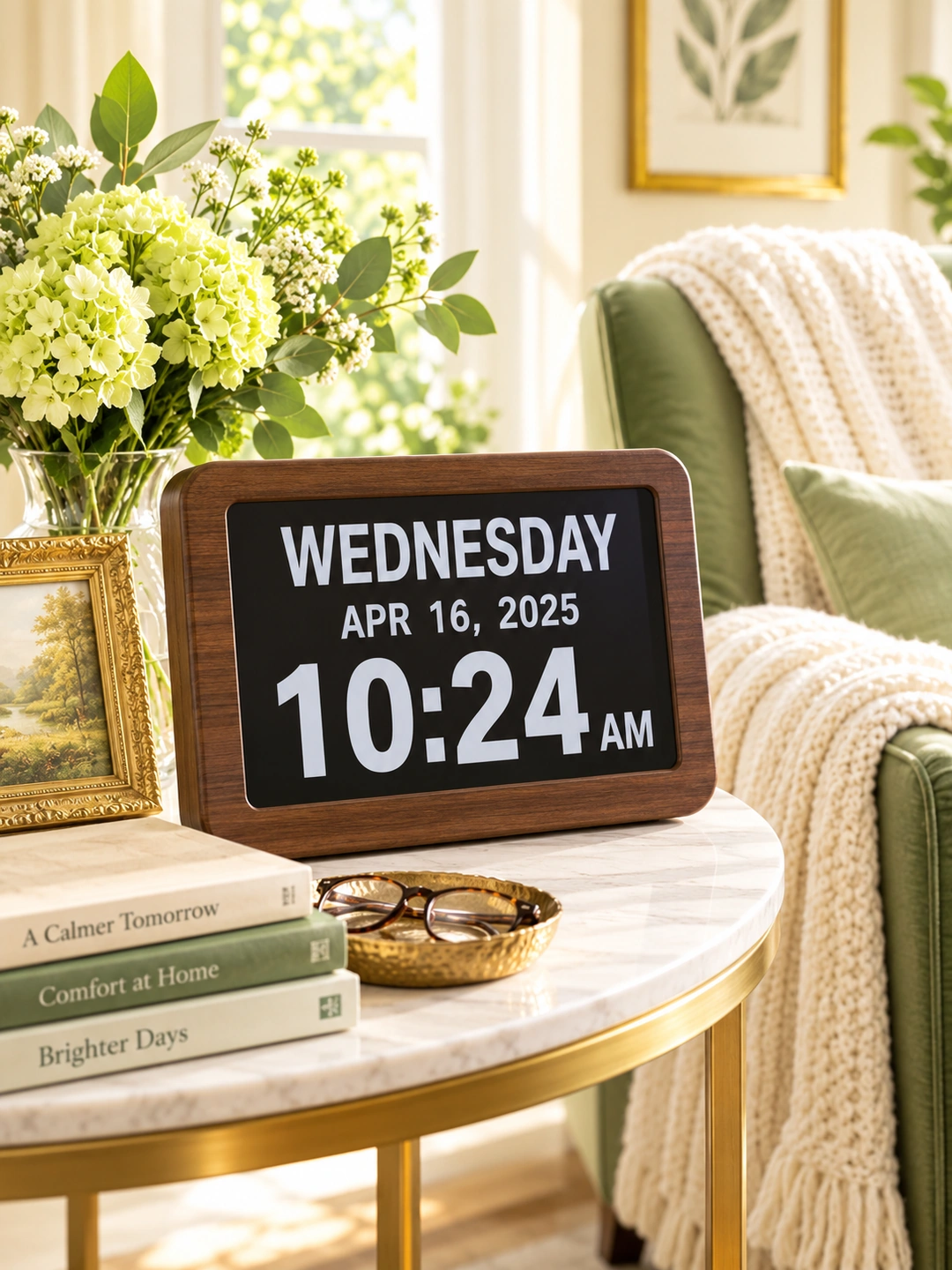
A Day Clock
Our pick: American Lifetime Day Clock
Losing track of the day is one of the first things that goes, and it is quietly distressing. A clock that spells out "Tuesday afternoon" in words removes the question without anyone having to ask it — and it is the single most-recommended early-stage gift for good reason.
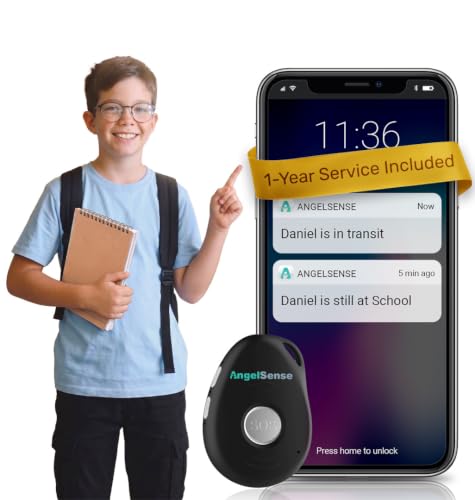
A GPS Tracker or Locator
Our pick: AngelSense GPS Tracker
The Alzheimer’s Association points to GPS trackers as a way to preserve independence rather than restrict it: worn as a watch, a sole insert or on a keyring, it means walks can continue instead of quietly stopping. Chosen well, it is a gift to both people.

Puzzles Made for Adults
Our pick: Relish 35-Piece Dementia Puzzle
The rule memory-care specialists repeat: it has to look grown-up. A puzzle with large pieces and an adult image engages without embarrassing. Something that looks like a children’s toy can genuinely offend, and that is the fastest way to have a gift quietly put away.

An Automatic Pill Dispenser
Our pick: LiveFine 28-Day Automatic Pill Dispenser
Medication is often the first routine to slip, and it is the one with real consequences. A dispenser that opens only at the right time takes the remembering out of it, which removes a daily argument as much as a daily risk.

A Large-Button Phone
Our pick: Panasonic KX-TGM450S Amplified Cordless Phone
Photo buttons instead of numbers to recall. Dialling becomes recognising a face rather than remembering a sequence — so calls to family keep happening long after the numbers themselves have gone.
Middle stage
More support needed day to day. Gifts that simplify a task or keep family close.

A Simple Video Calling Device
Our pick: Amazon Echo Show 8
The one that answers automatically, with no menus and nothing to unlock. Seeing a face carries recognition that a voice on the phone often cannot, and it works when following a conversation has become harder.

Motion-Sensor Night Lights
Our pick: GE Motion-Activated LED Night Light (Multi-Pack)
Late-afternoon and evening restlessness is common enough to have its own name. A hallway that lights itself removes the disorientation of waking into a dark, unfamiliar-feeling house — and removes a fall risk at the same time.

Adaptive Eating Utensils
Our pick: Heavy Weighted Utensil Set (7 oz)
Weighted handles, plate guards and no-spill cups keep mealtimes independent for far longer. Specialists list adaptive dining among the most practical gifts there is, because eating unaided protects dignity in a way little else does.

Lace-Free Slip-On Shoes
Our pick: Skechers Slip-ins: Go Walk Arch Fit 2.0
Laces stop making sense before walking does. Shoes that go on in one motion, with a back that stays put, keep someone moving safely without a daily struggle at the door.
Later stage
Comfort and the senses matter most now. Soft, warm, familiar — nothing that has to be worked out.
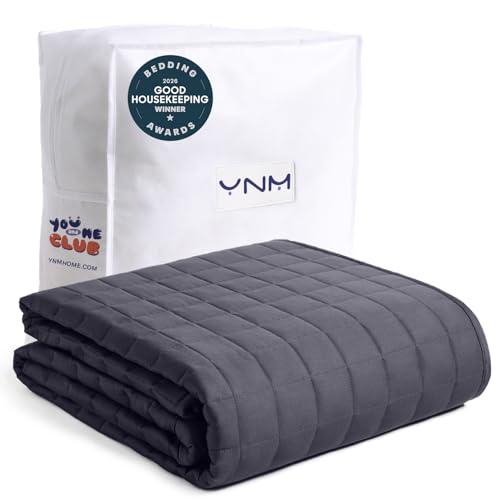
A Weighted Blanket
Our pick: YnM Weighted Blanket
The gift occupational therapists reach for most in the later stages. The gentle, even pressure calms a sensory system that has become easily overwhelmed, which can settle evening agitation and help sleep come more easily.
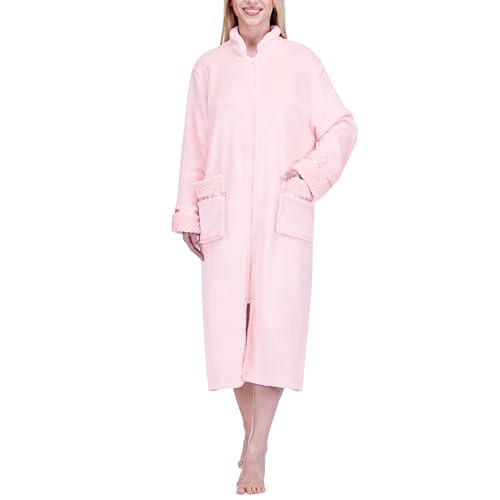
Soft Robes and Easy Clothing
Our pick: PAVILIA Zip-Front Fleece Robe
Loose, soft, no fastenings to work out. Comfort clothing is genuinely recommended for later-stage dementia because texture still registers warmly long after complicated things stop making sense.

A Handheld Massager
Our pick: RENPHO Active Thermacool Massage Gun (Heat & Cold)
Touch is one of the last things to remain reachable. A gentle handheld massager gives a caregiver something calming and wordless to offer on a difficult afternoon — which is often exactly what is needed.
Peace of mind at home
Gifts that are really for the whole household — quiet safety that lets everyone rest.

A Door Alarm
Our pick: YisTech Caregiver Door Alarm (3 Sensors, 2 Receivers)
Not a romantic gift, and the most gratefully received one on this page. A chime when an outside door opens at 3am is what lets a family carer actually sleep — the gift is the rest, not the device.
Four things not to buy — and why
Most gift guides only tell you what to buy. These are the four that go wrong most often, and each one goes wrong for a specific reason worth knowing.
1. Anything that looks like it was made for a child
This is the one memory-care specialists raise first, and it is not a small point. A person living with dementia is an adult, and a gift that treats them otherwise can be genuinely humiliating. Large-piece puzzles and simple activities are good ideas — but buy the versions designed for adults, with adult images and adult packaging.
2. Anything that has to be learned
A new tablet, a smart speaker, an app, a device with menus. Learning a new system is precisely the ability dementia takes away, so the gift becomes a demand. If it needs setting up, a login, or a lesson, it will not be used.
3. Anything that can be failed
Quizzes, brain-training sets, trivia games, anything scored. Even when kindly meant, these hand someone a test they used to pass and now cannot. Choose open-ended things instead — music, textures, sorting, painting — where there is no wrong answer to arrive at.
4. A safety aid handed over as a personal present
Safety gifts are among the most useful things on this page, but unwrapping one in front of the family reads as a verdict on how much they have declined. Fit it quietly, or give it to the household. The door alarm is for the carer’s sleep, not for them.
If you are really buying for the caregiver
Often the person who most needs a gift is the one doing the caring, and the Alzheimer’s Association is direct about what helps: the most important gift you can give a dementia caregiver is time. Even a short break each day measurably lowers stress.
Which means the best gifts here usually are not objects at all — a few hours of sitting with their parent so they can leave the house, a cooked meal, a cleaned kitchen, a mowed lawn, a gift card for meal delivery or a taxi. If you want to give something wrapped, pair it with one of those. And if you know a carer who is running on empty, our caregiver burnout check is a gentler way in than asking how they are coping.
Common questions
What are good gifts for someone with dementia?
The best gifts are simple, comforting and need no instructions. In the early stage, things that support routine and independence work well — a day clock, an automatic pill dispenser, a photo-button phone. Later on, comfort and the senses matter more: a weighted blanket, soft clothing, familiar music. The single most reliable test is whether the gift can be enjoyed without having to remember, plan, or work anything out.
What gifts should you avoid for a person with dementia?
Avoid anything that looks like it was made for children — memory-care specialists warn this is genuinely embarrassing and often offensive, and it is the fastest way to have a gift quietly put away. Also avoid gifts that need learning (new phones, apps, anything with menus), anything requiring assembly, and games or puzzles that can be failed. A gift should not be able to become a test.
What are good gifts for late-stage dementia?
Sensory and comfort gifts. A weighted blanket is the one occupational therapists reach for most often, because the gentle even pressure can settle agitation and help sleep. Soft robes and easy clothing, a handheld massager, familiar music, and framed photographs with names written on them all still reach someone when conversation has become difficult.
Are photo gifts good for dementia patients?
Yes, with one adjustment: label them. Framed photos or albums with the names written under each face help with recognition rather than quietly testing it. The same idea makes a photo-button phone work — the person recognises a face instead of recalling a number.
What is the best gift for a dementia caregiver?
The Alzheimer’s Association is unambiguous about this: the most important gift you can give a dementia caregiver is time. A few hours of respite, a cooked meal, a cleaned house, a mowed lawn, or a gift card for meal delivery will usually mean more than any object. If you are buying for the household rather than the person, that is where to start.
Should I buy a gift that helps with safety?
Safety gifts are often the most gratefully received, but give them to the household rather than presenting them as a personal gift — nobody wants to unwrap a reminder of decline. A door alarm that chimes when an outside door opens at night is a good example: the real gift is that the family carer gets to sleep.
