
5 Best Shoes for Seniors to Prevent Falls
 By Kutubuddin, Founder & Senior Care Researcher Updated October 2026
In this guide
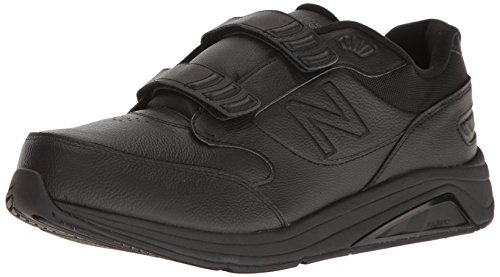 Best OverallNew Balance 928v3 Walking Shoe (Hook-and-Loop)
 Best for Swollen / Wide FeetFitVille EasyTop Wings V2 (Adjustable, Extra Wide)
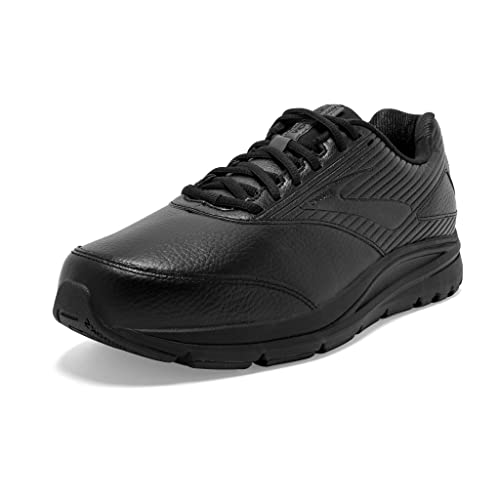 Best for Maximum SupportBrooks Addiction Walker 2
 Best Orthotic SupportVionic Walker Classic
 Best Lightweight EverydaySkechers Men's Go Walk Arch Fit
- What to look for
- Frequently asked questions
Footwear is one of the most overlooked fall-risk factors of all — but the biggest win here is free.
We may earn a commission when you buy through links on this page. Read our affiliate disclosure.
Top 5 Picks — Find Your Situation
#1 · Best Overall
New Balance 928v3 Walking Shoe (Hook-and-Loop)Best for: Most seniors who want a stable, supportive, grippy everyday walking shoe
#2 · Best for Swollen / Wide Feet
FitVille EasyTop Wings V2 (Adjustable, Extra Wide)Best for: Swelling, edema, wide feet, or diabetic and sensitive feet
#3 · Best for Maximum Support
Brooks Addiction Walker 2Best for: Heavier users, overpronation, or anyone needing maximum stability
#4 · Best Orthotic Support
Vionic Walker ClassicBest for: Seniors who need built-in arch support or have foot pain
#5 · Best Lightweight Everyday
Skechers Men's Go Walk Arch FitBest for: Active seniors who want lightweight, comfortable everyday shoes
Video-recorded falls in aged-care facilities found that where footwear was involved, slippers and sandals accounted for 43 percent and socks another 35 percent; shoes were only 18 percent. So the first move is not buying anything — it's not walking around in socks or loose slippers. What matters: a slip-resistant outsole, a low wide heel and firm heel counter, secure adjustable fastening, the right fit and width, and light weight. Our overall pick is the New Balance 928v3. Since even the safest shoes can't prevent every fall, some families pair footwear with one of the best monitors for seniors, so a fall at home is detected right away.
A closer look at our top pick: the New Balance 928v3
New Balance 928v3 Walking Shoe (Hook-and-Loop)
Best for: Most seniors who want a stable, supportive, grippy everyday walking shoe
- Stability
- Firm motion control
- Outsole
- Slip-resistant rubber
- Fastening
- Hook-and-loop straps
- Widths
- Multiple (incl. wide)
Independently researched · Updated October 2026
The New Balance 928v3 wins because it's built on a stable, supportive base. It pairs firm motion control with a slip-resistant outsole and a secure fit, and it comes in multiple widths so it can be fitted properly rather than approximately. That combination holds the foot steady, grips the floor, and supports a confident stride — which is why it suits many older adults looking for a stable everyday shoe.
It's the sensible default for most seniors who can manage laces or a strap. The honest trade-offs are that it's function-first in looks and heavier than a minimalist shoe, and you should have your feet measured to get the right width. If swelling or easy donning is the priority, the adjustable FitVille suits better; if you need maximum support, the Brooks does. But as an all-round stable, grippy, well-fitting shoe, the 928 is hard to beat.
What we love
- Excellent stability and support
- Good grip
- Wide widths available
- Stable, structured design
Things to consider
- Function-first styling
- Heavier than minimalist shoes
- Have feet measured for the right width
Right for you if
- ✓You want a stable, supportive everyday shoe
- ✓You need a proper width fit
- ✓You can manage laces or a secure strap
- ✓You value grip and a steady platform
Maybe skip it if
- !Your feet swell or need easy donning — the FitVille fits
- !You need maximum support — the Brooks suits
- !You want the lightest, softest feel — the Skechers is comfier
What owners consistently report
Common praise
- +Owners cite excellent stability and support
- +The grip and secure fit are praised
- +Wide widths fit hard-to-fit feet
Common gripes
- –Styling is function-first
- –Heavier than minimalist shoes
- –Have feet measured for the right width
Getting started
- →Have both feet measured and fit to the larger foot
- →Choose the correct width, not just length
- →Check the tread periodically and replace when worn
How it compares
The FitVille EasyTop Wings is the better choice when feet swell or donning is hard — its adjustable straps loosen through the day and are easy on arthritic hands, in wide and extra-wide sizes. The New Balance 928 edges it on all-round stability and a structured, secure fit. Choose the FitVille for adjustability and sensitive feet, the New Balance for maximum everyday stability.
How we picked
We compared widely available shoes on what matters: slip-resistant grip, stability and heel design, fastening security and ease (including adjustable straps), fit and width options for swelling and foot conditions, and weight. Our picks draw on manufacturer specs, podiatry and fall-prevention guidance, and owner feedback — not hands-on lab testing. We also checked what the research actually supports, and have written the page around that rather than around the products: the shoe features below are the ones with published evidence behind them, and where the evidence is weak or absent we say so. We weighted grip, a secure fit, and stability over fashion. (For easy-on styles, see our slip-on shoes guide.)
Reviewed by Kutubuddin — who researches senior-care products and the real-world needs of caregivers and older adults.
Other picks, reviewed
FitVille EasyTop Wings V2 (Adjustable, Extra Wide)
The pick for feet that swell or need extra room. Adjustable straps open wide for easy donning with arthritic hands and let you loosen the fit as feet swell through the day, and it comes in wide (2E) and extra-wide (4E) with a roomy toe box and padded collar. A rubber outsole with a slip-resistance tread pattern and a U-shaped heel cup help keep it steady.
What we like
- Straps adjust for swelling through the day
- Wide and extra-wide sizes with a roomy toe box
- Grippy rubber outsole
- Alternative to premium therapeutic shoes
Keep in mind
- Women's sizing (a men's version is sold separately)
- Easy-on design — fasten the straps snugly every time
- Measure for the right width
- Fastening
- Adjustable straps (easy on)
- Widths
- Wide (2E) and extra wide (4E)
- Insole
- OrthoLite, U-shaped heel cup
- Feet
- Swollen / diabetic / sensitive
- Outsole
- Rubber, slip-resistance tread
Brooks Addiction Walker 2
The choice when maximum stability is needed. It offers strong motion control and structured support to steady an unsteady gait, a slip-resistant outsole for grip, and a durable build. For heavier users or those who overpronate or feel wobbly, the extra support and firm platform make a real difference to confidence.
What we like
- Maximum stability and support
- Firm, structured support
- Slip-resistant and durable
- Great for overpronation
Keep in mind
- Heavier and firmer
- Less flexible feel
- Function-first look
- Support
- Maximum motion control
- Platform
- Firm, structured
- Outsole
- Slip-resistant
- Build
- Durable
- Fastening
- Lace; secure
Vionic Walker Classic
Built around a podiatrist-designed orthotic footbed, this shoe delivers strong arch support and stability in a walking-shoe form. The built-in support helps align the foot and steady the stride, with a grippy outsole and secure fit. A good fit for seniors who need arch support or have foot pain but want a regular-looking shoe.
What we like
- Strong built-in arch support
- Helps align and steady the foot
- Good grip
- Conventional appearance
Keep in mind
- Firm footbed needs adjusting to
- Less roomy than therapeutic shoes
- Footbed
- Orthotic, arch support
- Stability
- Supportive, aligning
- Outsole
- Grippy rubber
- Fastening
- Lace; secure
- Look
- Regular walking shoe
Skechers Men's Go Walk Arch Fit
A lightweight, comfortable everyday shoe with arch-support cushioning that's easy to wear all day. Its light weight makes it easy to lift, reducing the shuffling that causes trips, and the cushioned support keeps it comfortable. A good easygoing option for active seniors who want comfort with reasonable support and grip.
What we like
- Light and easy to lift
- Comfortable cushioning
- Reasonable arch support
- Easy all-day wear
Keep in mind
- Less stability than firm walkers
- Softer sole over firm support
- Confirm a secure fit
- Weight
- Lightweight
- Cushion
- Arch-support cushioning
- Comfort
- All-day
- Outsole
- Grippy rubber
- Use
- Everyday walking
What to look for
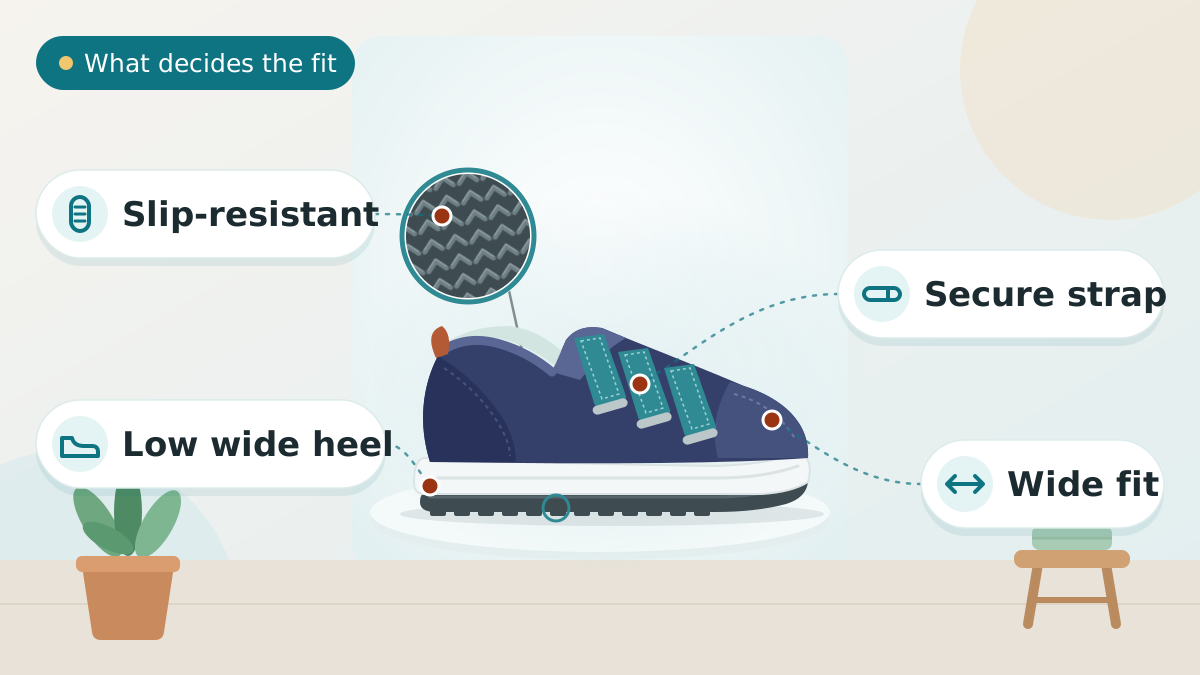
Non-slip outsole — the first priority
Grip comes before everything else for preventing slips.
Choose a slip-resistant rubber outsole with real tread, which holds on smooth or wet floors far better than a smooth, hard, or worn sole. Check the tread when buying, and replace shoes once it wears down — a worn sole on an otherwise good shoe is a slip waiting to happen.
A stable base: low, wide heel and firm counter
Stability comes from the shape of the shoe, not the cushioning.
A low, wide heel gives a stable base, and a firm heel counter — the structured back of the shoe — holds the heel and stops it wobbling. Avoid high heels, very thin or narrow heels, and floppy backless shoes that let the foot slide. A firm, not-too-thick sole also gives better balance feedback than a very thick, soft one.
Secure, easy fastening (adjustable straps shine)
A shoe only protects you if it stays firmly on the foot.
Shoes should fasten securely so they can't slip off, and adjustable straps are ideal for seniors: easy to fasten with arthritic hands, adjustable for swelling through the day, and they hold the foot firmly. Avoid loose slip-ons and backless styles that aren't secure. If you do prefer slip-ons, choose a snug, structured pair rather than a loose one.
The right fit and width
A poorly fitting shoe causes its own trips and sores.
Look for the correct length and width, with extra-wide and adjustable-width options for bunions, hammertoes, swelling, edema, or diabetic feet. Have the feet measured, since shoe size changes with age, and fit to the larger foot. Too tight causes pain and pressure injuries; too loose lets the foot slide and trip.
Lightweight and easy to put on
Weight and ease of donning matter more than people expect.
Lightweight shoes are easier to lift, which reduces the shuffling and toe-catching that cause trips. And easy-on designs — wide openings, adjustable straps, or full-zip adaptive shoes — help those with limited reach or dexterity put shoes on without a struggle, so they actually wear them rather than going barefoot or in socks.
Tips to Choose Shoes for Seniors to Prevent Falls
Short on time? Here are the key points to weigh before choosing, each covered in detail above:
- Non-slip outsole — the first priority
- A stable base: low, wide heel and firm counter
- Secure, easy fastening (adjustable straps shine)
- The right fit and width
- Lightweight and easy to put on
Comparing options? See our guides to Best Exercise Bike for Seniors, Best Portable Elliptical Machine for Seniors, and Best Chair for Chair Yoga.
What the research actually shows about shoes and falls
It is worth being straight about this, because most pages on the subject are not. No trial has shown that buying better shoes, on its own, prevents falls.
What has been shown is narrower, and still useful:
- Certain footwear raises risk. Walking indoors barefoot or in socks, and wearing high heels, are both associated with more falls in older people. This is the best-established finding in the field.
- Specific shoe features affect balance and gait in laboratory measurement — heel height, how high the collar sits around the ankle, sole hardness and tread, and how securely the shoe fastens. Those features are what the buying guide above is built on.
- The one intervention with a clear result was not shoes alone. A randomised trial of a multifaceted podiatry programme — custom orthoses, footwear advice, a footwear subsidy and a home foot-and-ankle exercise programme — cut the rate of falls by 36 percent in older people with disabling foot pain (Spink and colleagues, BMJ, 2011). Footwear was one component of four.
- In care settings the picture is less certain still. A 2025 Cochrane review concluded it is uncertain whether podiatry including footwear assessment reduces falls in care facilities.
None of that makes good shoes pointless. It means shoes are one part of a package, and the parts with the strongest evidence behind them are exercise and balance training, a medication review, and fixing the hazards in the home. If you are choosing where to spend effort, start with balance exercises and a home safety check, and treat footwear as the easy win alongside them rather than the answer on its own.
Shoes to avoid — and why house shoes matter
The riskiest footwear is often what seniors wear most around the house — and this is the part of the page best supported by evidence.
Researchers reviewed archival video of real falls in two long-term care facilities and classified what the person had on their feet. Among the falls judged to involve footwear, most involved slippers, sandals or socks. Shoes accounted for 18 percent and bare feet 5 percent. Put another way, the two things people put on precisely because they are comfortable indoors were involved in roughly four out of five footwear-related falls.
Avoid loose, floppy slippers and backless shoes that slip off, along with high heels, smooth-soled or worn shoes, and walking in socks or barefoot on smooth floors. Swapping loose slippers for a supportive, non-slip, closed-back house shoe is the cheapest change on this page and probably the most useful. The rule is simple: wear proper footwear indoors, not just outside. Our fear of falling guide covers building confidence too.
Footwear, foot conditions, and balance
The right shoes also work around the foot conditions common with age:
- Swelling and edema: adjustable-width shoes and straps.
- Bunions and hammertoes: a wide, roomy toe box.
- Diabetes and neuropathy: protective, seamless, well-fitted shoes to avoid injury.
- Balance problems: stable, grippy, secure shoes — and pair with a cane or rollator if needed.
If the person has diabetes, balance problems, or foot pain, a podiatrist can recommend therapeutic footwear or custom orthotics — and Medicare's therapeutic shoe benefit may help cover shoes for diabetic patients who qualify.
Frequently asked questions
No shoe prevents falls on its own, and no trial has shown that buying better footwear alone reduces them. What the evidence does support is that some footwear raises risk and certain features lower it: a slip-resistant outsole, a low wide heel and firm heel counter for stability, a secure fastening so they don't slip off, and a proper fit. Stable walking shoes like the New Balance 928, or adjustable therapeutic shoes like the FitVille EasyTop Wings, fit this profile. The goal is grip, a steady base, and a secure fit — not cushioning or style alone.
Yes, critically. A slip-resistant outsole with real tread is the single most important shoe feature for preventing slips on smooth, wet, or polished floors. Smooth, hard, or worn-down soles are a major slip hazard. When choosing shoes, check the tread, and replace any shoe once the sole wears smooth, even if the rest of the shoe is still in good condition.
It depends on the person. Lace-ups and adjustable-strap shoes give the most secure, adjustable fit, which is best for stability, while loose slip-ons can be less secure and slip off. However, for those who can't bend or tie laces, a snug, structured slip-on or an adjustable strap is far better than a struggle or going barefoot. Choose secure fastening that the person can actually manage.
Key safety features are a slip-resistant outsole, a low wide heel, a firm heel counter that holds the heel, a secure and ideally adjustable fastening, a proper fit with width options, and light weight. A firm, not-too-thick sole also gives better balance feedback. Together these provide grip, a stable base, and a foot that stays put — the foundations of fall-safe footwear.
Replace walking shoes when the tread wears smooth, the support breaks down, or the heel counter softens — often somewhere around every 6 to 12 months with regular wear, though it varies. Worn soles lose grip and worn shoes lose stability, both of which raise fall risk. Check the tread and the shoe's structure periodically rather than waiting for them to fall apart.
Not for everyone. Many seniors do well with a good stable walking shoe that has grip, support, and a secure fit. Orthopedic or therapeutic shoes become important for specific needs — significant foot deformities, diabetes, severe swelling, or pain — where the extra accommodation and support matter. If regular supportive shoes are comfortable and stable, they're often enough; a podiatrist can advise if more is needed.
Some can, but diabetic feet need extra care. A well-fitted, seamless, protective shoe that avoids pressure points is important, since neuropathy can hide injuries. Many diabetics benefit from therapeutic diabetic shoes, and Medicare's therapeutic shoe benefit may help cover them for those who qualify. A podiatrist should guide footwear choices for anyone with diabetes, especially with neuropathy or a history of foot problems.
Rubber outsoles with a defined tread pattern provide the best slip resistance on most surfaces. Look for a sole that's grippy but not so soft it wears quickly, and avoid smooth or hard plastic and leather soles, which slide on smooth floors. The tread design matters as much as the material — deeper, patterned treads channel water and grip better than flat ones.
Arch support helps many seniors by improving comfort, alignment, and stability, especially those with flat feet, foot pain, or overpronation. Shoes with a supportive footbed, like Vionic's, or room for custom orthotics are good choices. That said, the most important fall-prevention features remain grip, a stable base, and a secure fit — arch support is a valuable addition, not a substitute for those.
Generally only in specific cases. Medicare doesn't cover ordinary shoes, but its therapeutic shoe benefit covers specially fitted shoes and inserts for people with diabetes who meet the criteria, with a doctor's certification. For most seniors, fall-prevention shoes are an out-of-pocket purchase, though HSA or FSA funds can sometimes be used. Check your plan and ask your doctor whether you qualify for the diabetic benefit.
The final verdict
For most seniors, the New Balance 928v3 is the best of these shoes — stable, supportive, grippy, and available in proper widths. The adjustable FitVille EasyTop Wings suits swelling and sensitive feet, the Brooks Addiction Walker 2 gives maximum support, the Vionic Walker Classic adds built-in arch support, and the Skechers Go Walk Arch Fit is the lightweight everyday option. Prioritize a non-slip outsole, a stable low heel, a secure fit, and the right width. But if you do only one thing after reading this, make it the indoor one: get them out of socks and loose slippers and into something with a back and a grip. That change costs nothing and the evidence behind it is stronger than the evidence behind any shoe on this page.
Our overall winner is the New Balance 928v3 Walking Shoe (Hook-and-Loop). You can check the current price on Amazon.
Our Top 5 Picks at a Glance
Ready to choose? Here are the top 5 again.
Best Overall
New Balance 928v3 Walking Shoe (Hook-and-Loop)
Best for Swollen / Wide Feet
FitVille EasyTop Wings V2 (Adjustable, Extra Wide)
Best for Maximum Support
Brooks Addiction Walker 2
Best Orthotic Support
Vionic Walker Classic
Best Lightweight Everyday
Skechers Men's Go Walk Arch Fit
Affiliate links — we may earn a commission.
