
AI and Technology for Aging in Place

Educational guidance, not medical or product-specific advice. Technology supports but does not replace human care; choose with the person’s consent and privacy in mind.
A new generation of AI and smart-home technology can help seniors stay in their own homes more safely. Used thoughtfully — and respectfully — it can extend independence for years.
Key takeaways
- AI and smart technology can extend safe independence for seniors aging at home — through emergency response, monitoring, and daily support.
- Key categories: fall detection and medical alerts, home monitoring, medication technology, voice assistants, and location/GPS for wandering.
- Match the technology to real needs — the best tools solve a specific problem (falls, medication, isolation), not novelty.
- Respect privacy, consent, and dignity — monitoring should involve the person and be as unintrusive as possible.
- Technology supports but does not replace human care and connection — use it to enhance, not substitute for, people.
Quick answer
How can AI and technology help a senior age safely at home?
Smart technology extends safe independence through several categories: fall detection and medical alerts that summon help automatically; home monitoring (activity and wellness sensors) for reassurance; medication technology that prompts and dispenses doses; voice assistants for reminders, calls, and control; and GPS/location for those who wander. Match the tool to a real need, respect privacy, consent, and dignity, and remember technology supports but does not replace human care.
The promise — and the caveats
Many older adults want to stay in their own homes as they age ("aging in place"), and AI and smart-home technology can help make that safer and more achievable. Devices can now detect falls, summon help, monitor wellbeing, manage medications, and keep people connected — extending independence that might otherwise be lost.
It comes with important caveats, though. Technology should serve real needs, respect the person’s privacy and dignity, and enhance rather than replace human care and connection. Used well, it is a powerful ally; used thoughtlessly, it can be intrusive, confusing, or a false substitute for human contact. This guide surveys the useful categories and how to choose well, building on our seniors living alone safety guide.
Sponsored Pick
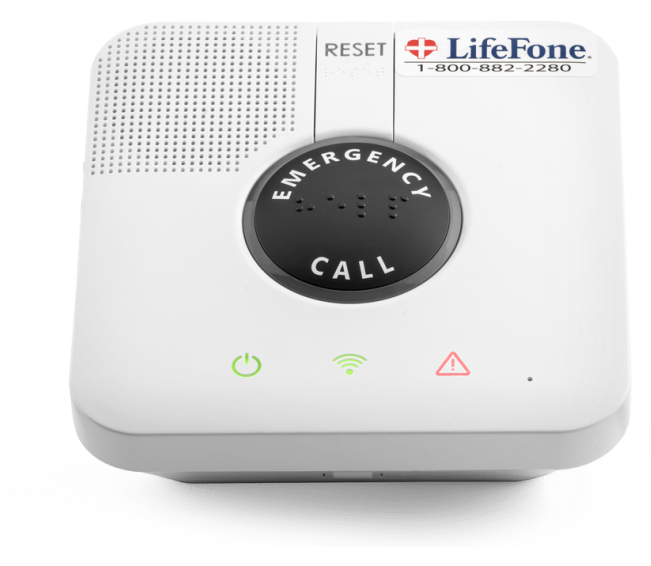
LifeFone Medical Alert Service
One of the longer-established US monitored providers. Plans from $24.95/mo on annual billing.
See LifeFone’s PlansFall detection and emergency response
The most valuable category for safety is technology that gets help fast when something goes wrong — addressing the classic danger of a fall or sudden illness with no way to call for aid:
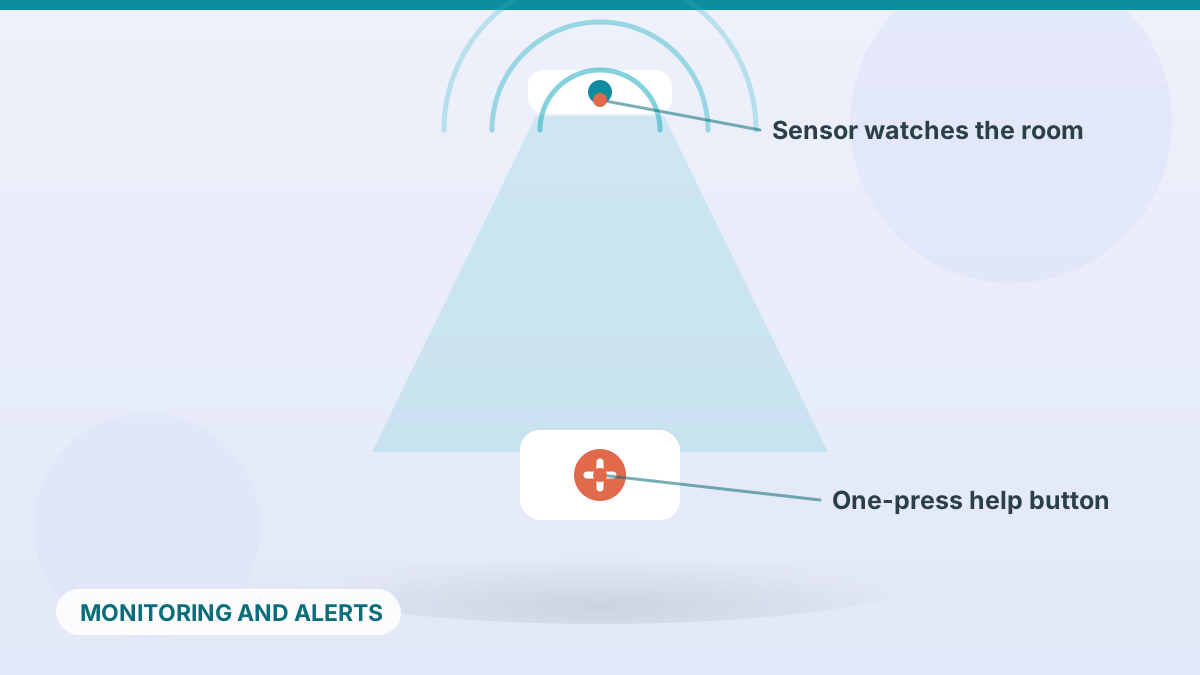
- Medical alert devices — wearable buttons that summon help at a press; the cornerstone safeguard for someone at home; see medical alert devices.
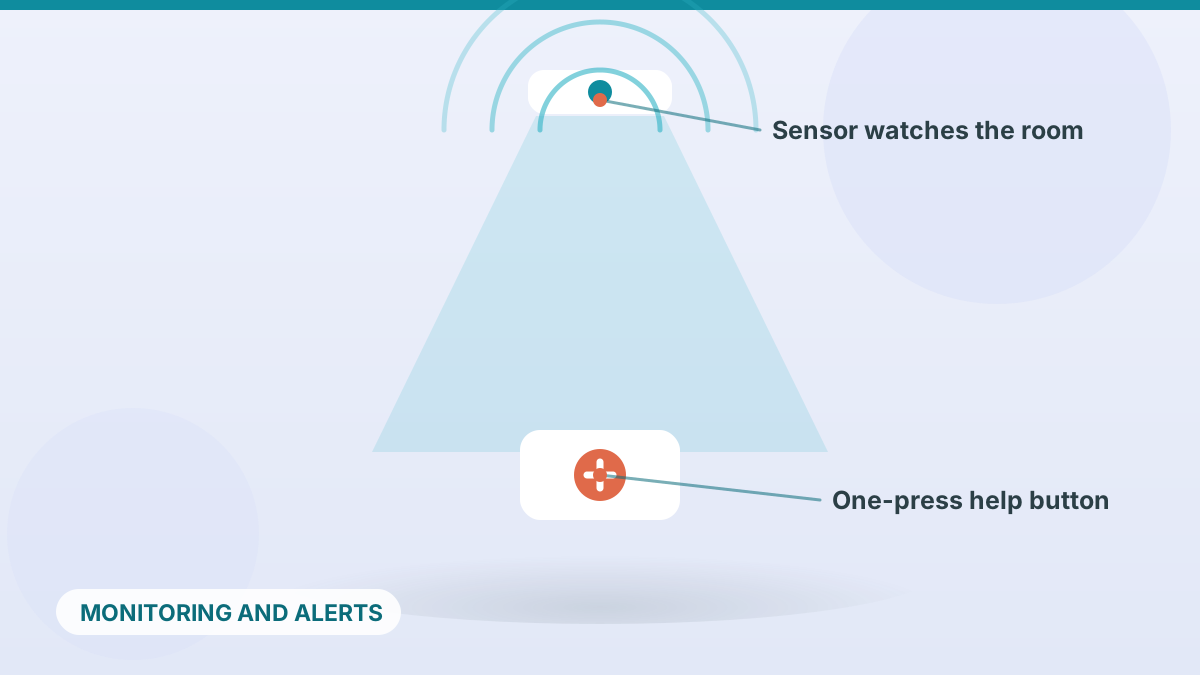
- Automatic fall detection — devices and AI ambient sensors that detect a fall and alert help even if the person cannot press a button, using motion sensing or radar-style detection — invaluable for anyone who has fallen before.
- Smart sensors — increasingly, AI-based systems detect falls or emergencies from ambient sensing (no wearable needed), a fast-developing area.
These are the highest-priority technologies for a senior living at home; see why an elderly parent keeps falling and nighttime falls for the wider fall picture.
Good to know
If you invest in one piece of technology for a senior at home, make it a reliable way to get help after a fall — a medical alert device, ideally with automatic fall detection. It addresses one of the most serious risks of living alone.
Home monitoring and wellness sensing
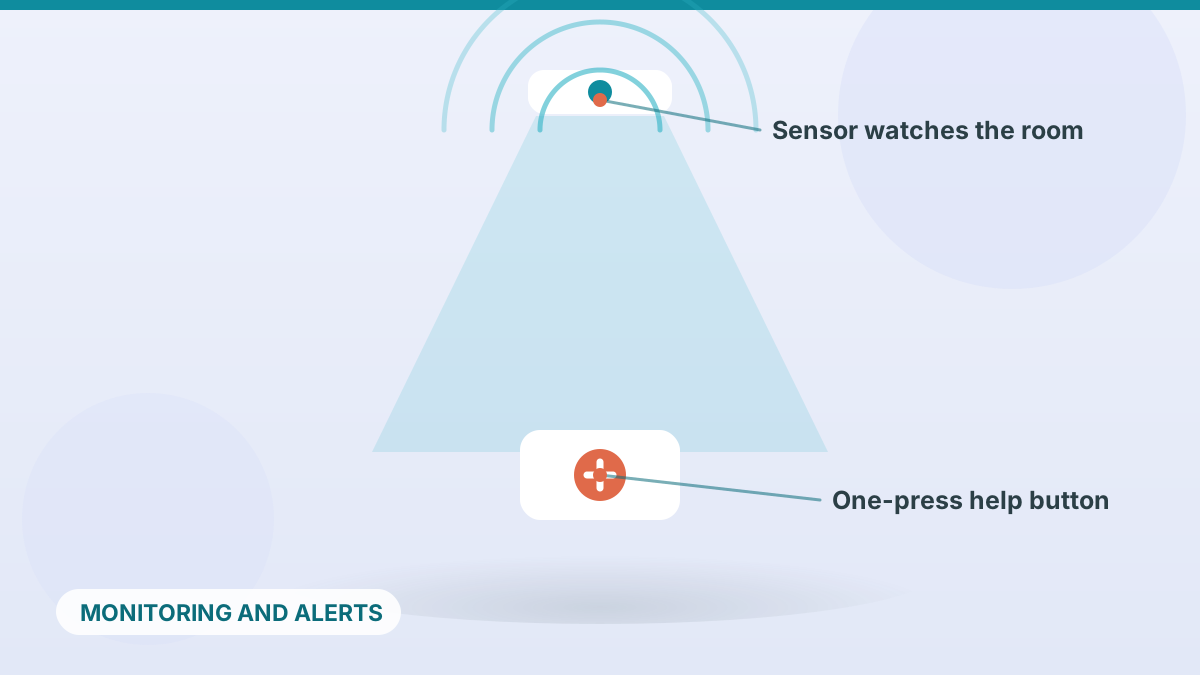
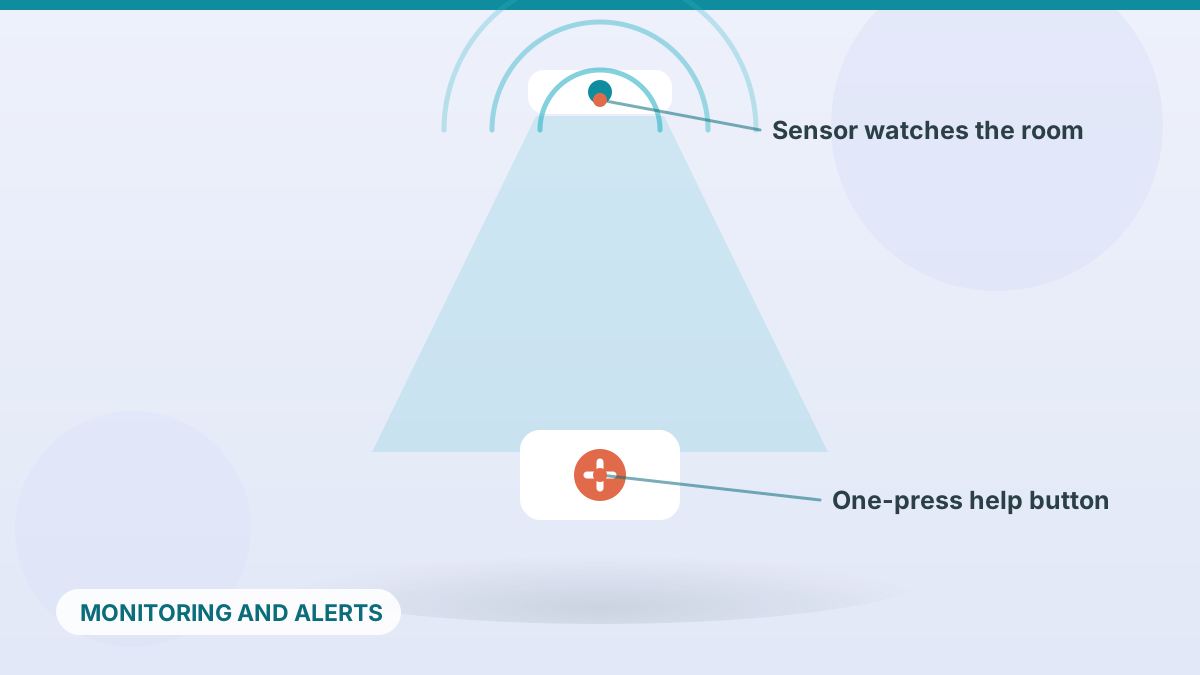
A growing category uses sensors and AI to provide reassurance about a person’s wellbeing without constant check-in calls — used respectfully and with consent:
- Activity and wellness monitoring — monitoring systems using unobtrusive sensors (motion, door, bed) that learn normal patterns and alert family to changes (for example, no movement by mid-morning), flagging a possible problem.
- Environmental sensors — smart smoke, carbon-monoxide, temperature, and water-leak sensors that add home safety.
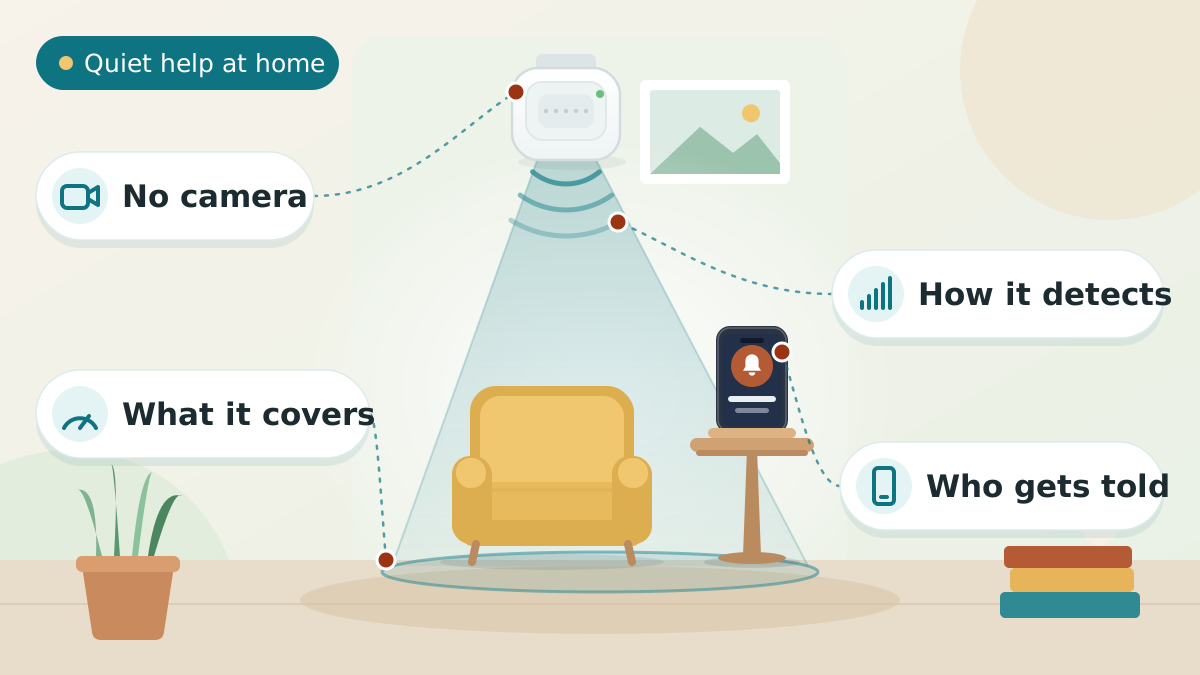
- Cameras — with caution — useful in some situations but among the most privacy-intrusive; use only with the person’s knowledge and consent, and prefer less intrusive sensors where possible.
- AI-based pattern detection — emerging systems that spot changes in routine or health signals that may warrant a check.
Safety first
Monitoring technology must respect the person’s privacy and consent. Involve them in the decision, choose the least intrusive option that meets the need, and be transparent about what is monitored. Surveillance imposed without consent harms dignity and trust.
Medication, voice assistants, and daily support
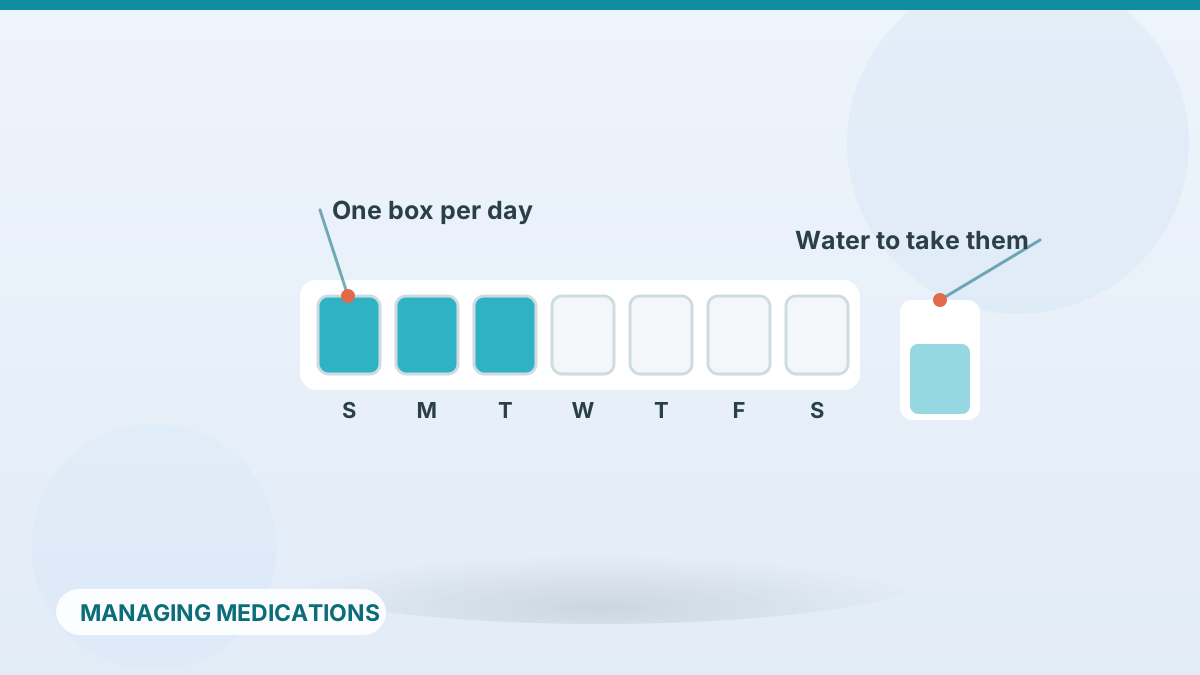
Technology also supports the everyday tasks of independent living:
- Medication technology — automatic pill dispensers that prompt and release the right dose at the right time, and reminder apps, supporting medication management and reducing errors.
- Voice assistants — smart speakers let a person set reminders, make calls, get information, control lights and devices, and hear the news or music by voice, which is especially valuable for those with low vision or limited mobility.
- Smart home controls — voice- or app-controlled lighting, thermostats, and locks add convenience and safety (for example, lights that come on automatically, which can help reduce night falls).
- Health monitoring devices — easy-to-use blood pressure monitors, pulse oximeters, and scales that support managing chronic conditions.
Connection and location technology
Two more valuable categories — combating isolation, and safety for wandering:
- Video calling and connection — simple video calling devices and accessible tablets keep seniors connected with family, combating the isolation that harms health — a genuine wellbeing benefit, not just a gadget.
- GPS and location — GPS trackers for people at risk of wandering, letting family locate them quickly and safely.
- Social technology — tools that help maintain relationships and engagement, which matter as much to healthy aging as physical safety.
Choosing technology wisely
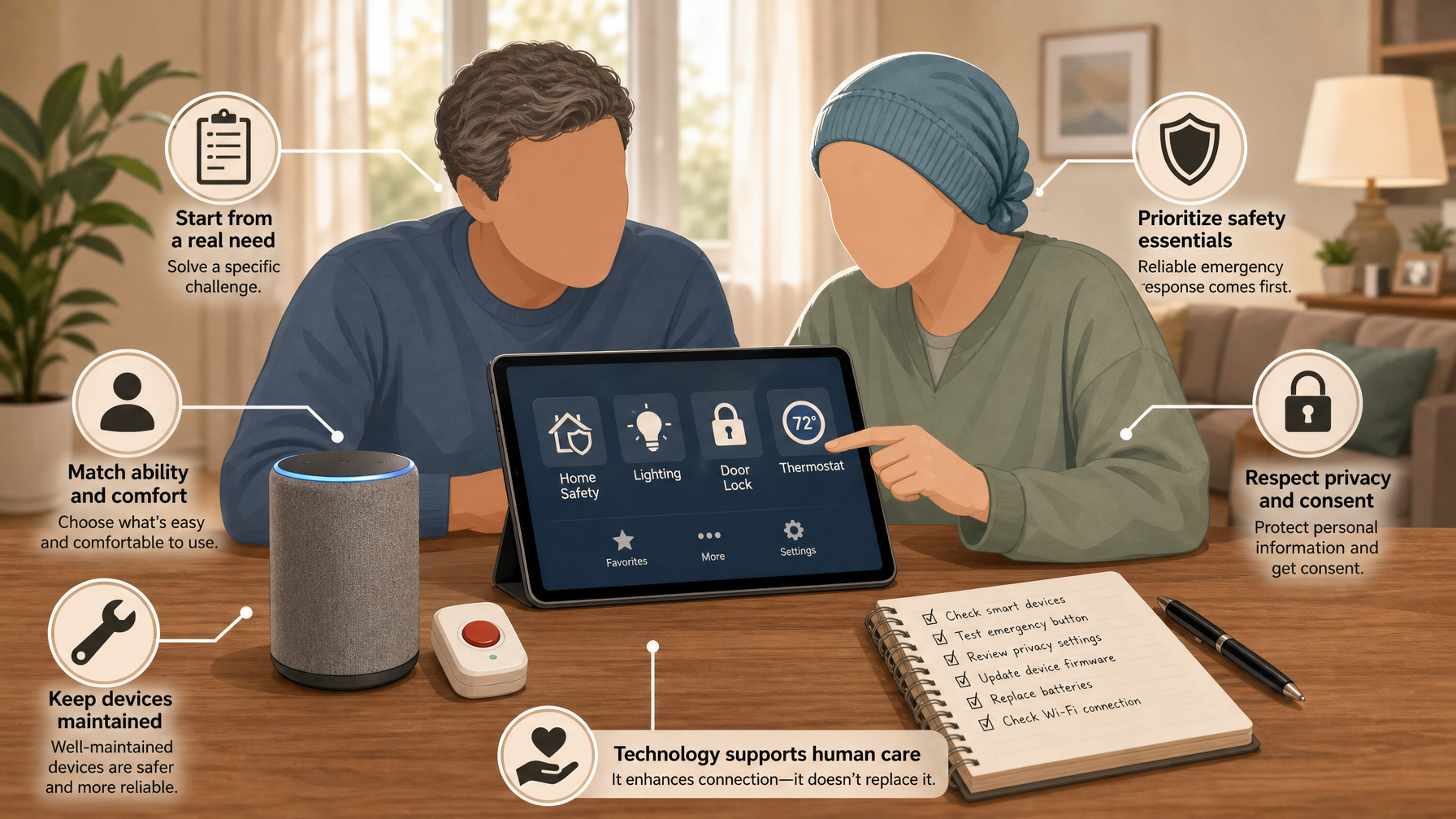
With so many options, thoughtful choice matters more than novelty:
- Start from a real need — identify the specific problem (fall risk, medication errors, isolation, wandering) and choose technology that solves it, rather than buying gadgets for their own sake.
- Prioritize safety essentials — a reliable emergency-response solution usually comes first.
- Consider the person’s ability and comfort — choose tools they can use, or that work passively without needing them to operate; over-complex technology gets abandoned.
- Respect privacy, consent, and dignity — involve the person, be transparent, and choose the least intrusive option.
- Remember technology supports, not replaces, care — it should enhance human contact and monitoring, never substitute for the connection and care people need. Combine it with the human side of aging in place safely.
- Keep it maintained — check devices, batteries, and connections work, since a failed safety device is worse than none.
Frequently asked questions
How does technology help seniors age in place?
Smart technology extends safe independence through fall detection and medical alerts that summon help, home monitoring (activity and wellness sensors) for reassurance, medication technology that prompts and dispenses doses, voice assistants and smart-home controls for daily support, video calling to combat isolation, and GPS for those who wander. Matched to real needs, it can help seniors stay safely in their own homes longer.
What is the best technology for a senior living alone?
The highest priority is a reliable way to get help after a fall or emergency — a medical alert device, ideally with automatic fall detection, which addresses one of the most serious risks of living alone. Beyond that, home monitoring for reassurance, automatic medication dispensers, voice assistants, and video calling for connection all support safe independent living. Start with the emergency-response essential.
What is automatic fall detection?
Automatic fall detection uses devices or AI-based ambient sensors to detect when a person has fallen and alert help even if they cannot press a button — crucial because many falls leave a person unable to reach a phone or button. Options include wearable detectors and increasingly sensor-based systems that need nothing worn. It is especially valuable for anyone who has fallen before.
Is monitoring technology an invasion of privacy?
It can be if imposed without consent, so privacy and dignity must be respected. Involve the person in the decision, be transparent about what is monitored, and choose the least intrusive option that meets the need — unobtrusive activity sensors are far less intrusive than cameras, which should only be used with the person’s knowledge and consent. Monitoring should reassure, not surveil.
Can technology replace caregivers for seniors?
No — technology supports but does not replace human care and connection. It can enhance safety, catch problems, and reduce some burdens, but it cannot provide the relationships, judgment, and personal care that people need. The goal is to use technology to extend and enhance human care and independence, never as a substitute for the connection and attention that matter to healthy aging.
How do I choose the right technology for an aging parent?
Start from a specific real need (fall risk, medication errors, isolation, wandering) and choose technology that solves it rather than buying gadgets for novelty, prioritize a reliable emergency-response solution, consider your parent’s ability and comfort (favoring simple or passive tools), respect their privacy and consent, keep devices maintained, and remember that technology should enhance human care, not replace it.
