
10 Gifts for Nursing Home Residents: What Helps, and What Facilities Prohibit
 By Kutubuddin, Founder & Senior Care Researcher Updated September 2026
Buying for someone in a nursing home is a different problem from buying for someone at home, and most gift lists ignore why. The room is small and often shared. The laundry is communal. And a surprising number of ordinary, well-meant household gifts are prohibited outright for fire, infection-control or fall-safety reasons.
So this guide starts with the constraints. Read what facilities commonly ban and the one labelling rule first — they will change what you buy.
Some links are affiliate links — if you buy through them we may earn a small commission at no cost to you. We never accept payment for placement. Disclosure.
First: label it with their full name
This is the single most useful thing on this page and the step families most often skip. Laundry is communal in most facilities. An unlabelled blanket, robe, cardigan or pair of slippers genuinely does disappear — not through anything sinister, just through a laundry system handling a hundred people’s clothes.
Write the resident’s full name on everything soft before you hand it over, and include care instructions for anything that needs specific laundering or a battery change. It takes two minutes and it is the difference between a gift that lasts and one that is gone by February.
Staying connected
The single biggest need in facility living. Loneliness is the problem these gifts actually solve.

A Photo-Button Phone
Our pick: Panasonic KX-TGM450S Amplified Cordless Phone
The gift most recommended by long-term care staff, and for a specific reason: keeping track of numbers is hard, but recognising a face is not. Pressing a photo to call their daughter turns an impossible task into an easy one — and calls that would have stopped keep happening.

A Simple Video Calling Device
Our pick: Amazon Echo Show 8
For families who cannot visit often. The ones that answer automatically need nothing from the resident at all — no unlocking, no menus, no answering in time. Check the facility’s Wi-Fi situation first; some charge for access or restrict it.
Comfort in a small room
Soft, warm, personal — and none of it heated, scented or plugged in.
A Soft Blanket of Their Own
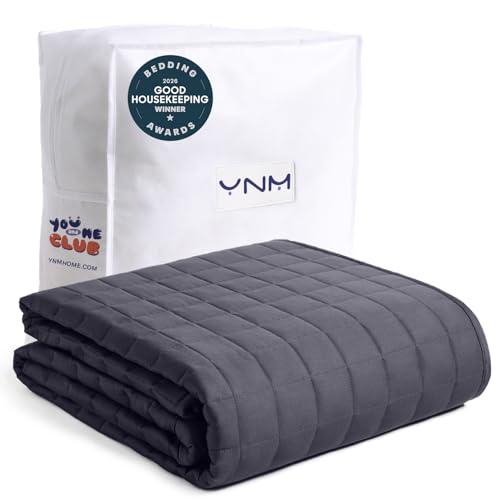
Our pick: YnM Weighted Blanket
A blanket from home makes an institutional room feel like theirs. One important caution: this must be a NON-ELECTRIC blanket — electric blankets and heating pads are prohibited in almost every facility as a fire risk. If you are considering a weighted one, ask the nurse first, as some facilities restrict them.

Their Own Pillow
Our pick: Tempur-Pedic TEMPUR-Neck Pillow
Facility pillows are chosen for laundering, not for necks. A supportive pillow of their own is a small change that affects every single night, and it takes up no floor space in a room that has none to spare.
A Front-Closure Robe and Non-Slip Slippers
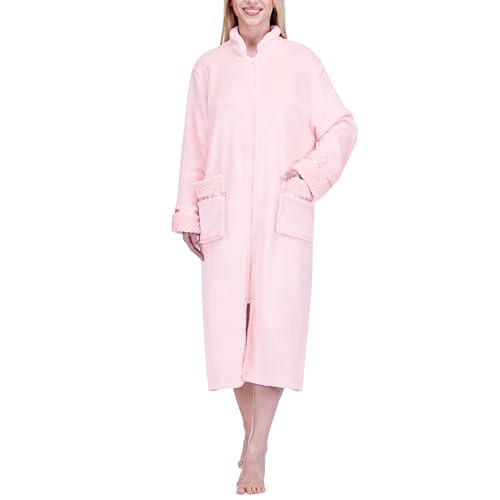
Our pick: PAVILIA Zip-Front Fleece Robe
Front-closure is the detail that matters — anything that has to go over the head becomes a struggle with limited mobility or a shoulder that hurts. Non-slip soles matter more on facility floors, which are hard, polished and busy.
Personal care and dignity
The most reliably appreciated category, and the one families most often overlook.

Unscented Skin Care
Our pick: Remedy Phytoplex No-Rinse Cleansing Foam
Dry skin is a persistent problem in heated facility air, and good lotion is genuinely wanted. Buy UNSCENTED: fragrances trigger asthma and headaches, and in a shared room they affect someone who did not choose them. Many facilities discourage scented products for exactly this reason.

Easy-Grip Nail Care
Our pick: ClipDifferent Electric Nail Clipper
Small grooming tasks are the ones that quietly slip in facility life, and they matter to how a person feels about themselves. Being able to tidy their own nails without waiting for someone to have time is a dignity gift more than a practical one.
Doing things for themselves
Small aids that keep a task in their own hands instead of needing to ring for help.
A Handheld Magnifier
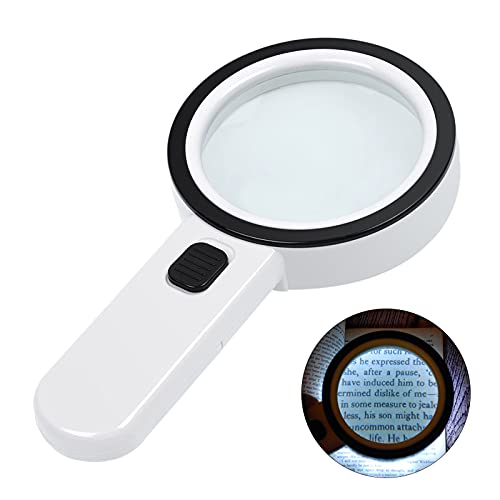
Our pick: AIXPI Double-Layer Glass Lens Magnifier
Reading a letter, a menu, the back of a card. Low vision is common and a lit magnifier restores small independent pleasures without needing anyone’s help — and unlike large-print books, it works on whatever arrives that day.

Adaptive Eating Utensils
Our pick: Heavy Weighted Utensil Set (7 oz)
Meals happen in a shared dining room, which makes needing help with them very public. Weighted handles and plate guards let someone eat unaided in front of other people — the practical gain is real, the social one is bigger.

Lace-Free Slip-On Shoes
Our pick: Skechers Slip-ins: Go Walk Arch Fit 2.0
Shoes that go on in one motion, with a proper back that will not slide off. Facility floors are hard and slippery, and backless scuffs are a genuine fall risk — a closed-back slip-on is the safer version of the same convenience.
Commonly prohibited — check before you buy
Rules vary between facilities, but this core list is close to universal, and every item on it is something families buy in good faith and then have to take home again. When in doubt, one phone call to the nurses’ station settles it.
Electric blankets and heating pads
Prohibited in almost every facility as a fire risk. This catches families out constantly, because a warm blanket feels like the obvious kind gift. Buy a normal, non-electric one instead.
Space heaters and extension cords
Both are major fire hazards and both are widely banned. If a resident is consistently cold, tell the staff rather than solving it yourself — they can add bedding or adjust the room.
Candles, plug-in fresheners, aerosols
Open flames are forbidden outright. Plug-in fresheners and sprays are often banned too, for infection control and pest prevention as much as fire.
Throw rugs and area rugs
One of the most commonly banned items. A rug edge is a serious trip hazard for anyone using a walker or wheelchair, and this is a fall-prevention rule, not a decorating preference.
Anything strongly scented
Fragrance affects a roommate who did not choose it, and can trigger asthma or headaches. Choose unscented versions of everything.
Cash, jewellery and valuables
Rooms are not secure and items get lost or damaged. If money is needed, facilities usually offer a resident account or lockbox.
Fresh flowers and plants sit in a grey area — often fine, but restricted on some units over allergies, and on dementia units over choking risk. Food is its own question: many residents have dietary restrictions or swallowing precautions, and some facilities require snacks to be cleared by their dietitian.
The gift that actually matters most
It is worth saying plainly: for most nursing home residents the thing in shortest supply is not objects, it is visits. Rooms fill up with things nobody has space for, while the calendar stays empty.
If you can only do one thing, make it a standing, predictable visit — the same afternoon each week, so there is something to look forward to rather than something that might happen. Reading the newspaper aloud, going through old photographs, or just sitting through a programme together counts more than it sounds like. Everything on this page works better alongside that than instead of it.
Common questions
What are good gifts for nursing home residents?
The most appreciated gifts fall into four groups: something that helps them stay in touch (a photo-button phone is the one long-term care staff recommend most), comfort items that make an institutional room feel personal, unscented personal care, and small aids that let them do things without ringing for help. Space is limited and rooms are often shared, so smaller and more personal beats bigger.
What items are not allowed in a nursing home room?
Restrictions vary by facility, but a common core is nearly universal: electric blankets and heating pads, space heaters, extension cords, candles and open flames, plug-in air fresheners and strong aerosols, and throw rugs. The reasons are fire safety, infection control and fall prevention. Fresh flowers and plants are sometimes restricted too, particularly on dementia units. Always ring the nurses’ station before buying anything electrical.
How do I stop gifts going missing in a nursing home?
Label everything with the resident’s full name, including clothing, blankets and slippers. Laundry is communal in most facilities, and unlabelled items genuinely do disappear — this is the single most useful practical step and the one families most often skip. It is also worth including care instructions for anything that needs specific laundering or a battery change.
Can I bring food as a gift to a nursing home?
Check first. Many residents have dietary restrictions, swallowing precautions or diabetes management that a well-meant snack basket can cut across, and some facilities require snacks to be approved by their dietitian. If you want to bring something to share, ask the nurses’ station what is appropriate for that particular resident rather than assuming.
Are scented gifts a good idea for nursing home residents?
Generally no. Fragrances can trigger asthma and headaches, and in a shared room they affect a roommate who did not choose them. Many facilities discourage or ban scented products for this reason. Buy unscented versions of lotion, soap and personal care — the gift is just as welcome and it will not cause a problem.
What is the best gift for someone in assisted living who has everything?
Usually your time, and after that, something consumable. Residents accumulate objects they have no space for, but they rarely have enough visits, fresh unscented lotion, good socks, or someone to read the newspaper aloud. A standing weekly visit is worth more than anything that can be wrapped.
