I remember the morning I gave my mom her blood pressure pill twice. She'd asked for it, I gave it to her, then twenty minutes later she asked again—and I couldn't remember if I'd already done it. That sick feeling in my stomach stayed with me all day.
If you're caring for a parent or loved one with multiple medications, you know how easy it is to lose track during busy mornings. Did they take the morning dose? Did I give the afternoon pill? When dementia or memory loss is involved, it gets even harder—they might forget they already took it, or insist they didn't when they did.
A simple daily medication tracker can bring peace of mind. It's not fancy, but it works. One sheet, clear checkboxes, and a routine you can trust. This free printable template helps you prevent missed doses, double dosing, and the constant worry that comes with medication management.
Medical Disclaimer: This tracker is a tool for organization only. Always confirm medication plans, dosages, and schedules with your parent's doctor or pharmacist. Never adjust medications without medical guidance.
What This Template Helps With
Prevent Missed or Double Doses
Clear checkboxes for every dose time eliminate guesswork and dangerous mistakes.
Reduce Caregiver Stress
Stop second-guessing yourself. One glance at the tracker tells you exactly what's been given.
Keep Routines Consistent for Dementia Households
Predictable medication times reduce confusion and help seniors feel safer.
Caregiver-focused • Aging-in-place friendly
Build Your Personalized Medication Chart
Enter each medication once and download a filled-in weekly chart — ready to print and tick off. Everything stays in your browser; nothing is saved or sent anywhere.
Add at least one medication to download.
Organization tool only — always confirm doses and schedules with your pharmacist or doctor.
Download Your Free Daily Medication Chart
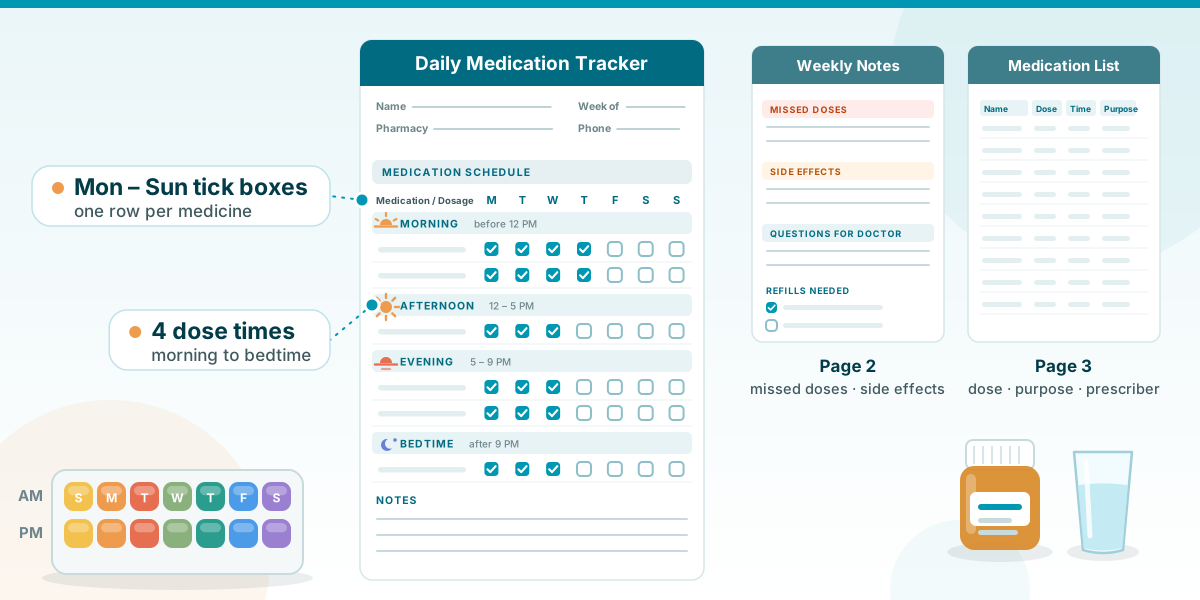
A simple printable daily medication chart for elderly parents and seniors, with checkboxes for morning, afternoon, and evening doses. Keep it at the medication station for daily peace of mind.
What's Included:
- Weekly medication schedule with time-specific checkboxes
- Space for medication names, dosages, and special instructions
- Notes section for tracking missed doses or side effects
- Medication reference list with prescriber information
- Printer-friendly format (no color ink required)
Want more caregiver resources? Subscribe for updates:
No signup required to download. We respect your privacy.
How to Use the Medication Chart (Step‑By‑Step)
Write medication name + dose
List each medication with its exact dosage (e.g., "Lisinopril 10mg" or "Metformin 500mg"). Include any special instructions like "with food" or "before bed."
Add morning / afternoon / evening checkboxes
Mark the specific times each medication should be taken. Use actual times (8am, 2pm, 8pm) rather than vague terms to avoid confusion.
Keep it in the medication station
Place the tracker right next to your pill organizer or medication drawer. Make it part of your routine: give medication, check the box immediately.
Review weekly with caregiver or pharmacist
At the end of each week, review the tracker for any missed doses or patterns. Bring it to doctor appointments to show medication adherence.
Example Filled-Out Tracker
Here's what your daily medication tracker might look like in action. This example shows a typical morning routine for a senior taking multiple medications.
Daily Medication Tracker - Monday, February 3, 2026
Patient: Margaret Johnson
| Medication | Dosage | Morning (8am) | Afternoon (2pm) | Evening (8pm) | Notes |
|---|---|---|---|---|---|
| Lisinopril | 10mg | — | — | With breakfast | |
| Metformin | 500mg | — | With meals | ||
| Atorvastatin | 20mg | — | — | Before bed | |
| Vitamin D3 | 2000 IU | — | — | With food | |
| Aspirin | 81mg | — | — | Refused - upset stomach |
Daily Notes: Mom complained of upset stomach this morning. Skipped aspirin and will try again with lunch. Called Dr. Chen's office to confirm if this is okay. All other medications taken on schedule.
Pro Tip for Caregivers
Notice how this tracker documents a refused dose with the reason. This information is valuable for doctors and helps identify patterns. Always note why a medication was missed—it might reveal side effects, timing issues, or the need for medication adjustments.
Best Tools to Pair With This Template
A printable tracker works even better when paired with the right medication tools. These caregiver‑tested products help prevent missed doses and make daily routines easier.
Affiliate Disclosure: ElderlyDaily participates in the Amazon Services LLC Associates Program. When you purchase through our links, we may earn a small commission at no extra cost to you. This helps us continue providing free resources for caregivers.
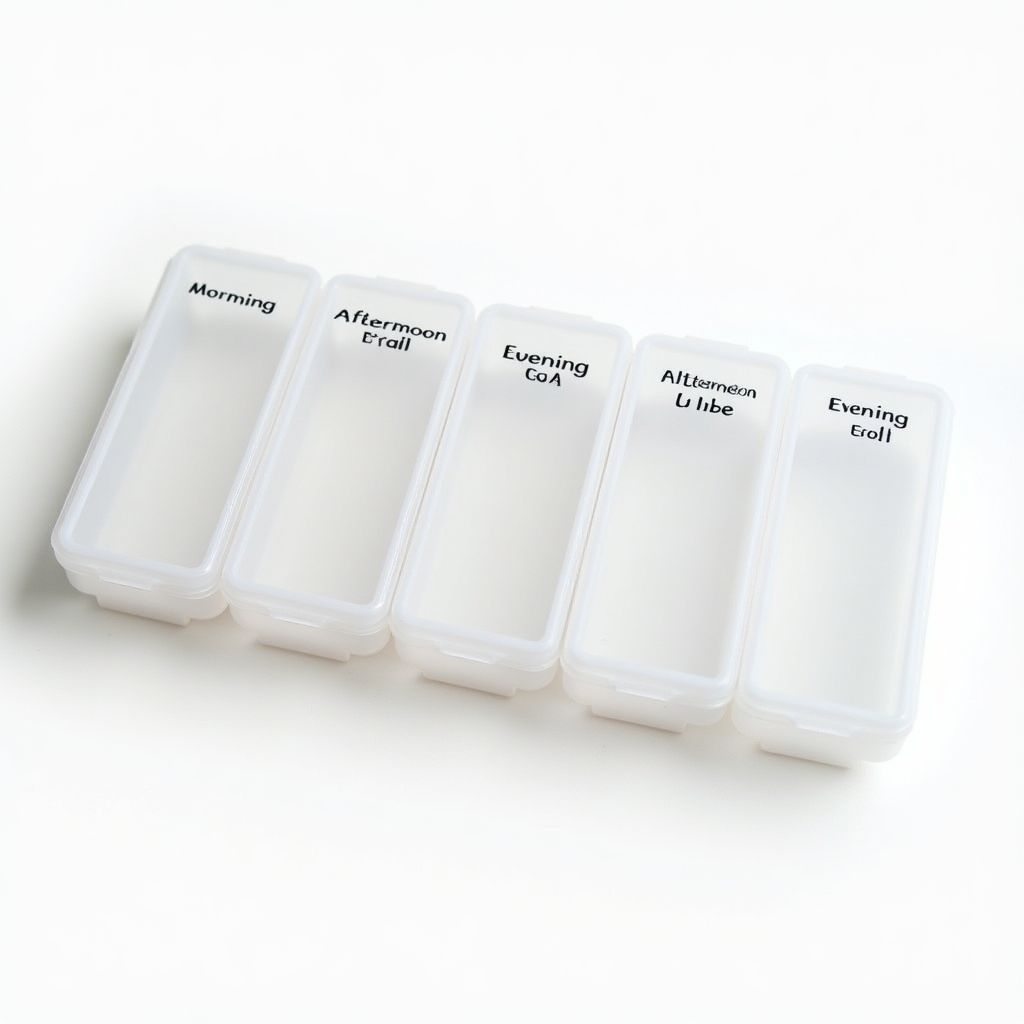
Weekly Pill Organizer (AM/PM)
Large, clearly labelled morning and evening compartments with easy-open lids — the simplest way to set up a week at a glance.
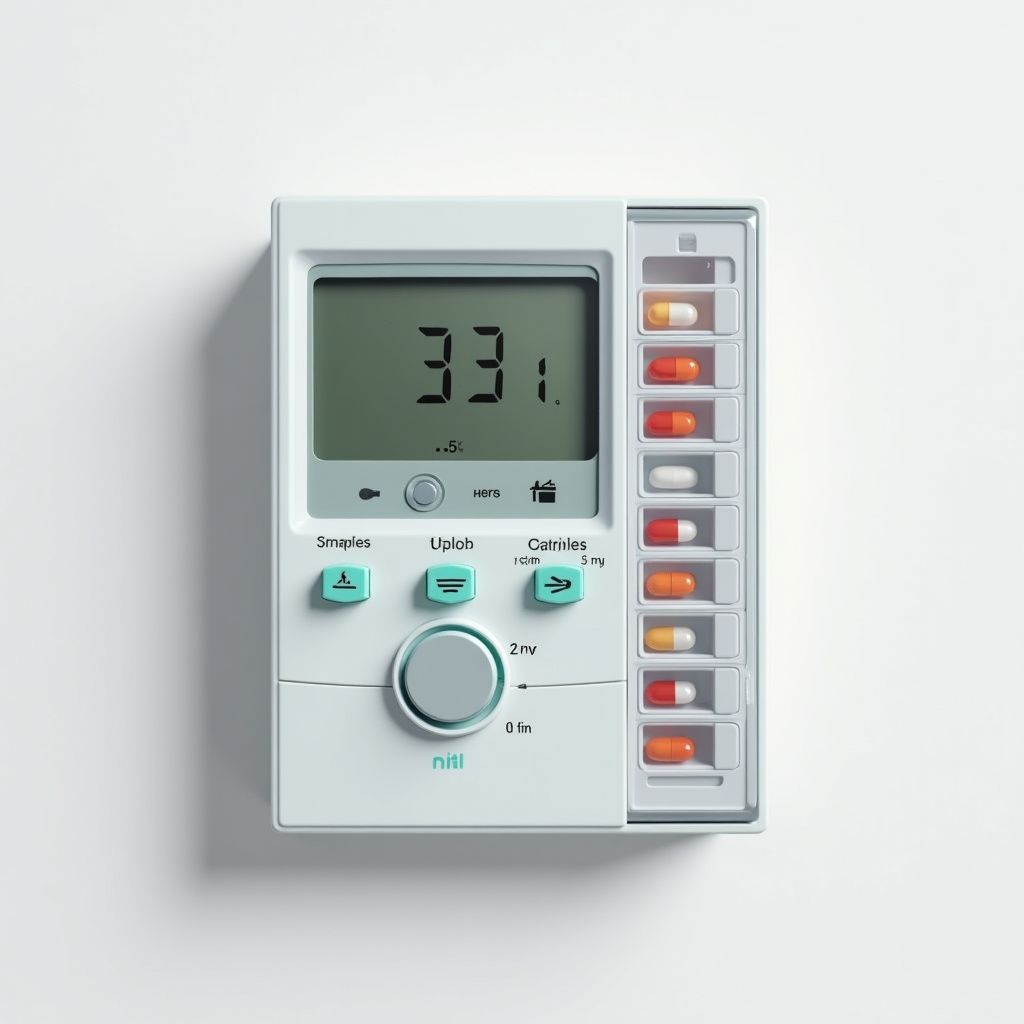
Automatic Locking Pill Dispenser
Sounds an alarm at each scheduled time and only releases that dose — a strong safeguard against missed or double doses.
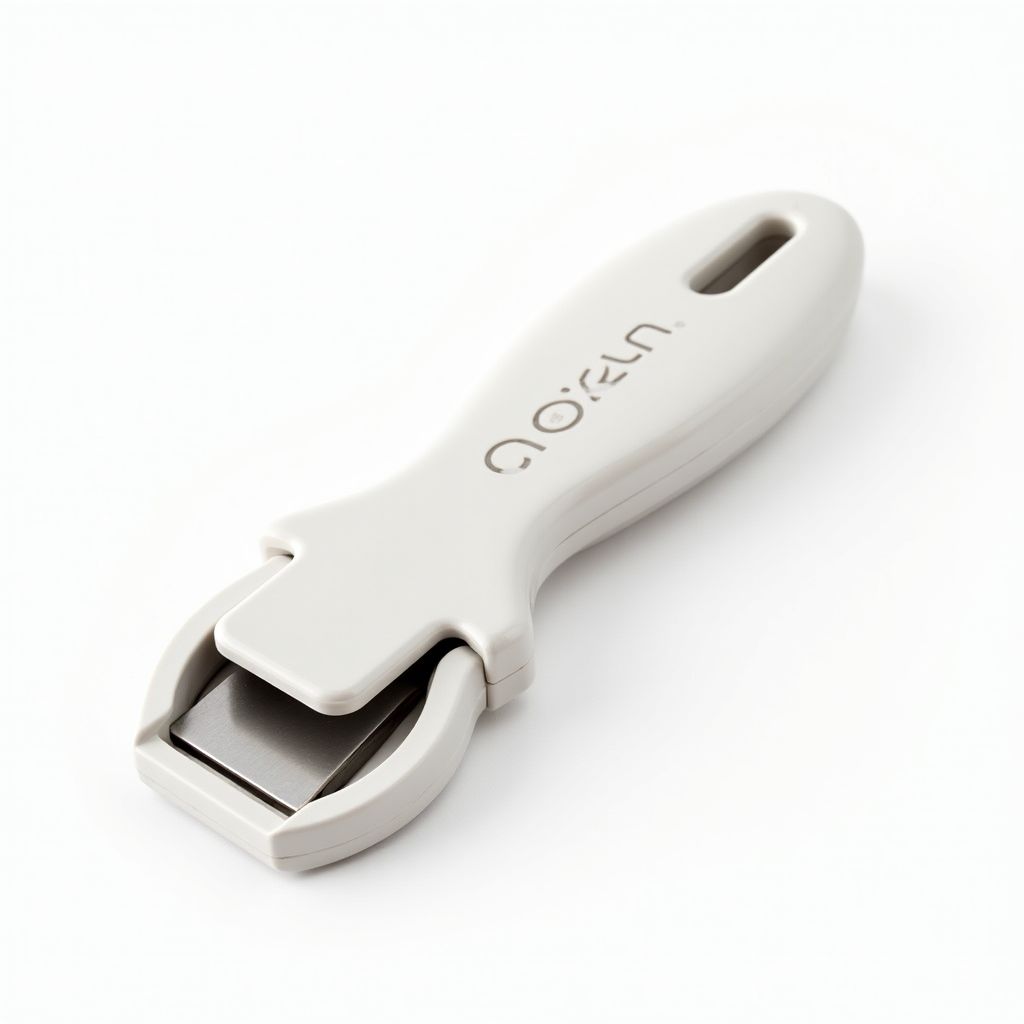
Ergonomic Pill Cutter
A cushioned grip and stainless blade that splits tablets cleanly, with a safety guard — easier on arthritic hands.
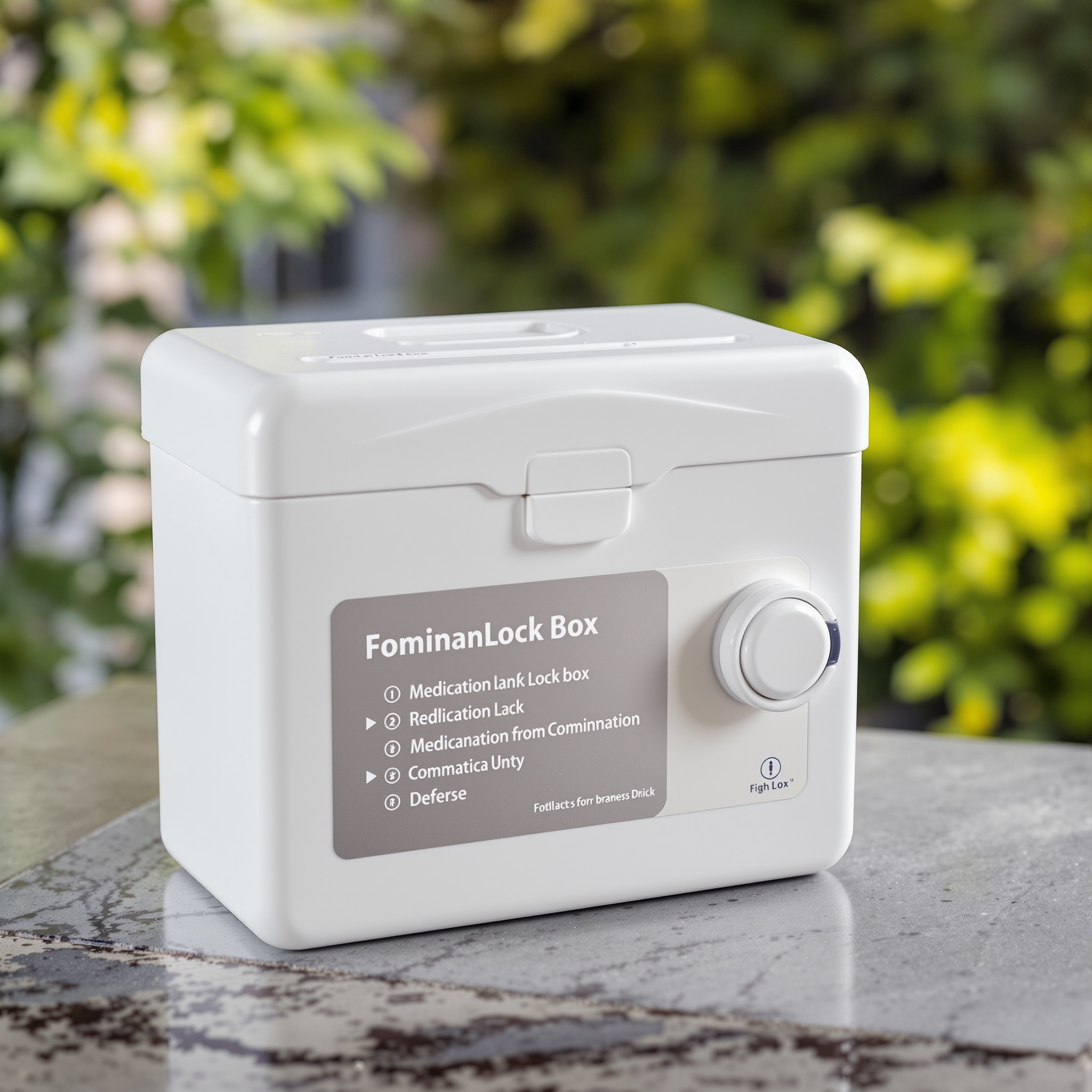
Lockable Medication Box
A secure, caregiver-controlled box that keeps medicines out of reach — useful where confusion or unsupervised access is a concern.
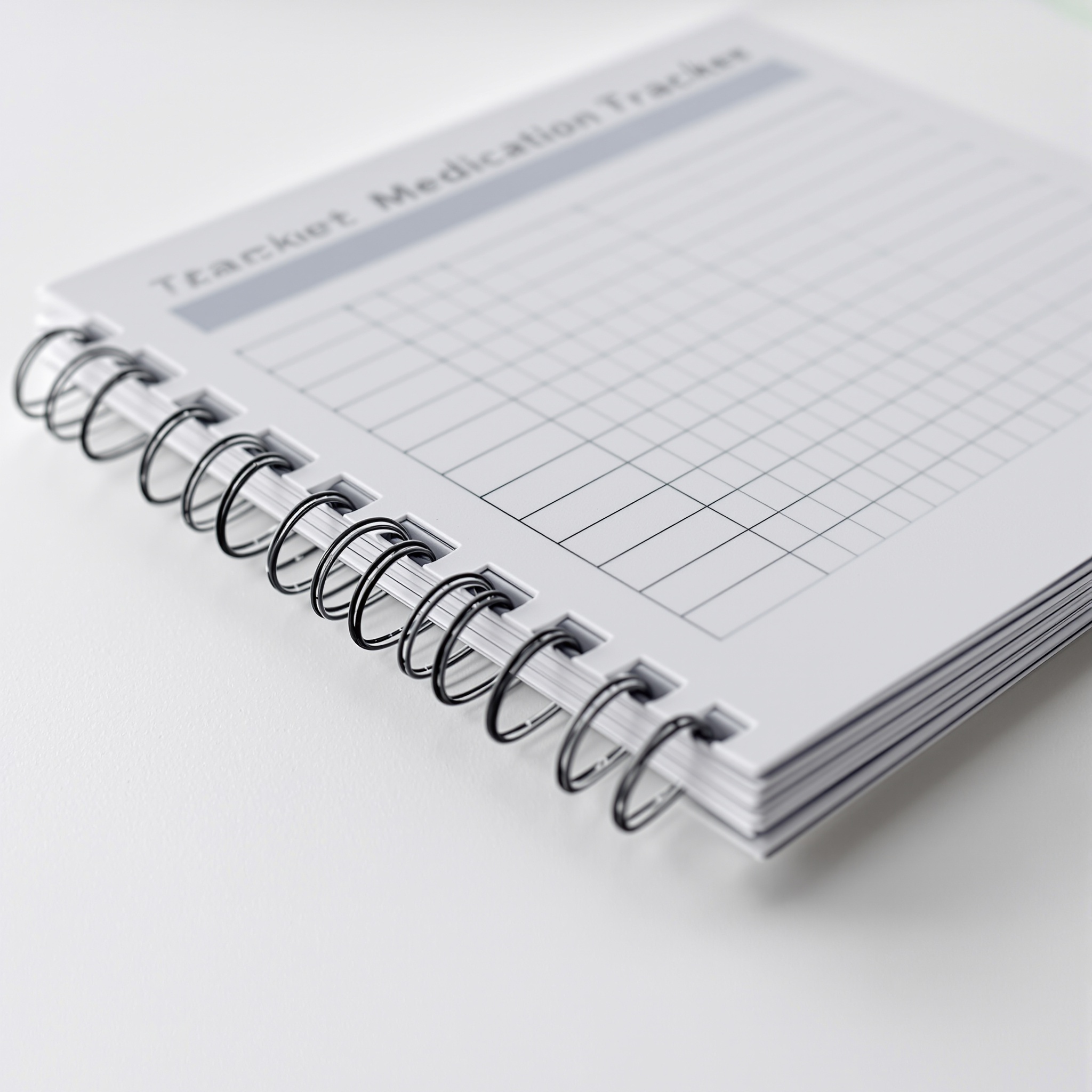
Printed Medication Log Book
A ready-made log book for daily medication tracking — clear pages to keep by the pillbox if you prefer paper to the printable.
Creating a Safe Medication Station at Home
Your medication tracker works best when paired with a dedicated, organized medication station. Here's how to set one up safely.
Bright Lighting
Install a bright LED light above your medication area. Seniors need 2-3 times more light than younger adults to read labels clearly. Poor lighting leads to medication errors—grabbing the wrong bottle or misreading dosages.
One Dedicated Drawer or Bin
Keep all medications in one location—never scattered across multiple rooms. Use a drawer, cabinet, or portable bin. This prevents confusion and makes it easy to check what's been taken. For dementia care, this drawer should lock.
Clear Labels
Use large-print labels on pill bottles and organizers. Include the medication name, dosage, and time to take it. Color-coded labels (blue for morning, yellow for evening) can help seniors with memory loss follow routines independently.
Keep Away from Children & Dementia Wandering
If grandchildren visit or your loved one has dementia, medications must be locked. Use a medication lock box or cabinet with a key. Dementia patients may forget they already took medication and accidentally double dose.
Safety Reminder
Never store medications in the bathroom. Heat and humidity from showers can degrade medications and reduce their effectiveness. Choose a cool, dry location like a bedroom dresser or kitchen cabinet away from the stove.
Caregiver Routine Tips
These real‑world tips from experienced caregivers will help you build a medication routine that actually works—and sticks.
Refill Same Day Weekly
Pick one day each week (like Sunday evening) to refill your pill organizer for the entire week. Make it a routine—same day, same time. This prevents the stress of realizing you're out of pills on a busy Tuesday morning. Set a phone reminder so you never forget.
Pro tip: Refill while your loved one is resting or watching TV. This gives you quiet time to focus and double‑check each compartment without interruptions.
Keep Updated Medication List
Maintain a master medication list with names, dosages, prescribing doctors, and pharmacy phone numbers. Update it immediately when medications change. Keep copies in three places: your medication station, your wallet, and your emergency binder.
This list is critical during emergencies. Paramedics need to know what medications your loved one takes to avoid dangerous drug interactions. It also helps when visiting new doctors or specialists.
Bring Tracker to Doctor Visits
Your daily medication tracker is valuable medical documentation. Bring it to every doctor appointment. It shows medication adherence, documents missed doses, and helps doctors identify patterns or side effects.
If your parent says "I'm taking all my medications," but the tracker shows frequent missed doses, the doctor needs to know. This information can lead to medication adjustments, simpler schedules, or automatic dispensers.
Caregiver Self-Care Reminder
Medication management is stressful. If you're feeling overwhelmed, you're not alone. Consider asking family members to take turns with weekly refills, or talk to your parent's doctor about simplifying the medication schedule. Your well-being matters too.
Related Caregiver Supports
Medication tracking is just one part of safe caregiving. Explore these additional resources to build a complete support system.
Daily Routine Guide for Seniors
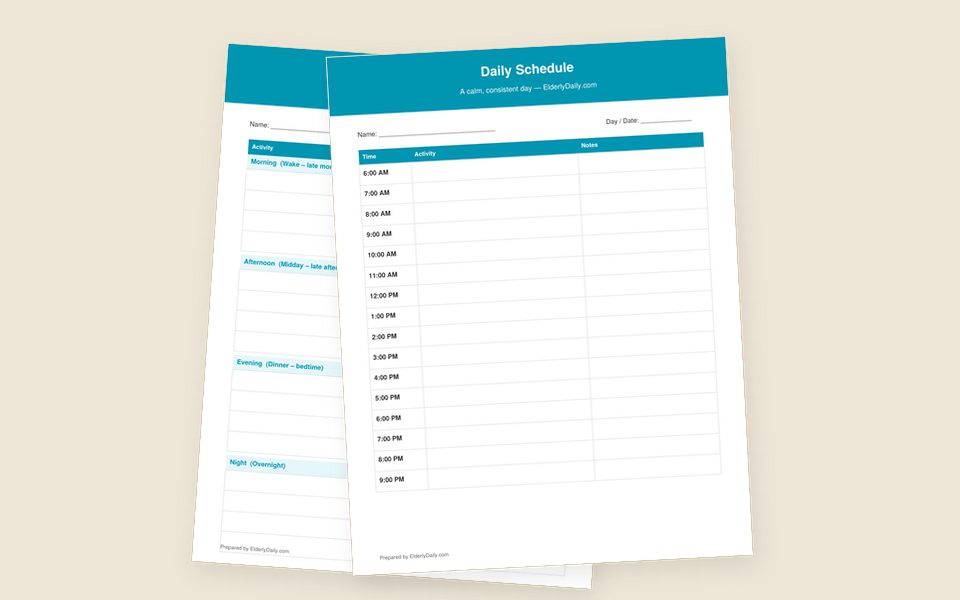
Build a complete daily schedule that includes medication times, meals, and activities.
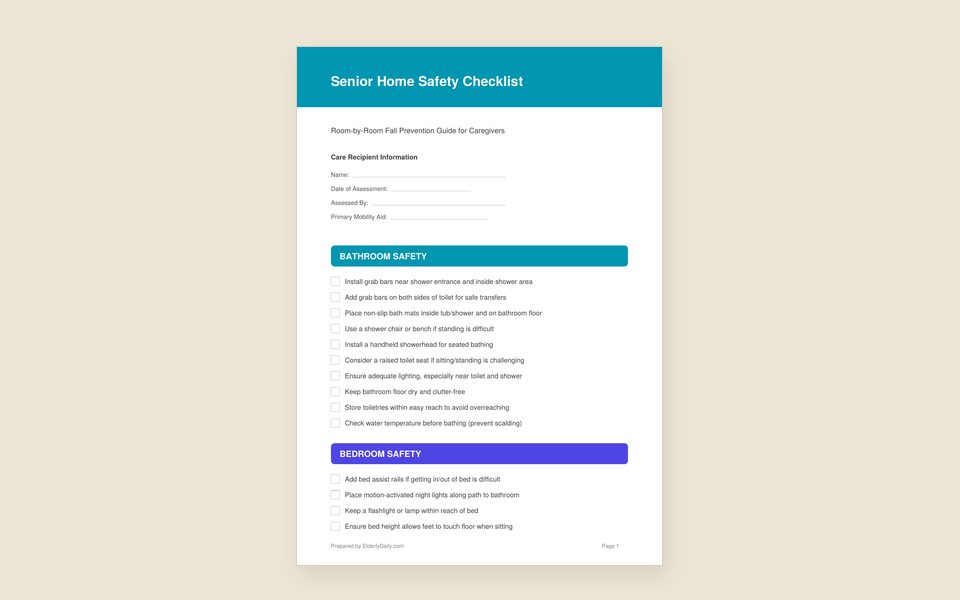
Senior Home Safety Checklist
Room-by-room safety checklist to prevent falls and create a safer aging-in-place environment.
Best Medical Alert Devices
Emergency response systems for seniors living alone or at risk of falls.
Medication Management Guide
Complete caregiver guide to managing senior medications safely with routines and tools.
Dementia Home Safety Guide
Wandering prevention, calming routines, and safety products for dementia households.
Caregiver Emergency Binder Template
Free printable emergency binder with medical information, contacts, and care instructions.
Simple Medication Routine Checklist for Seniors
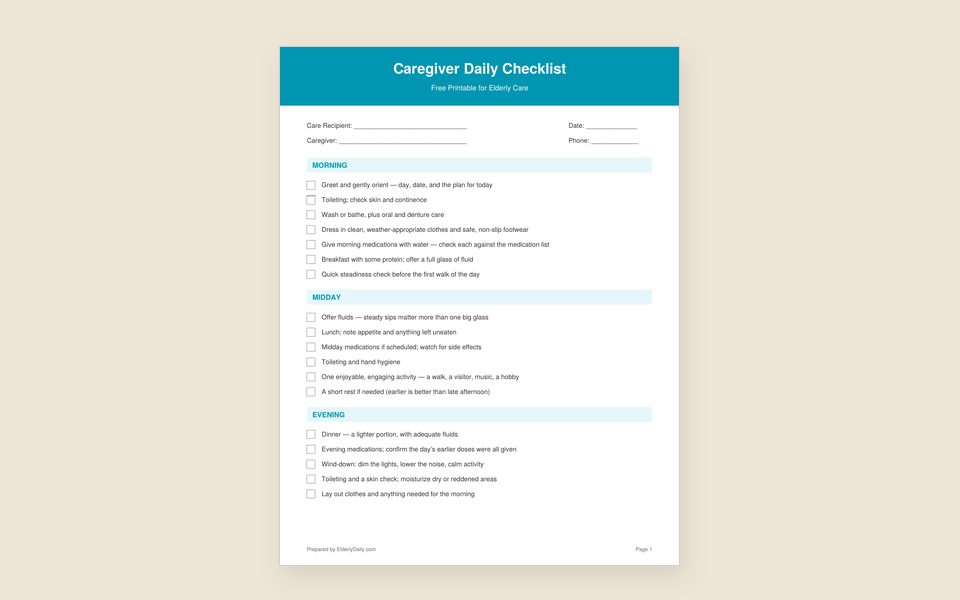
Follow this daily routine to keep medications organized and prevent missed doses.
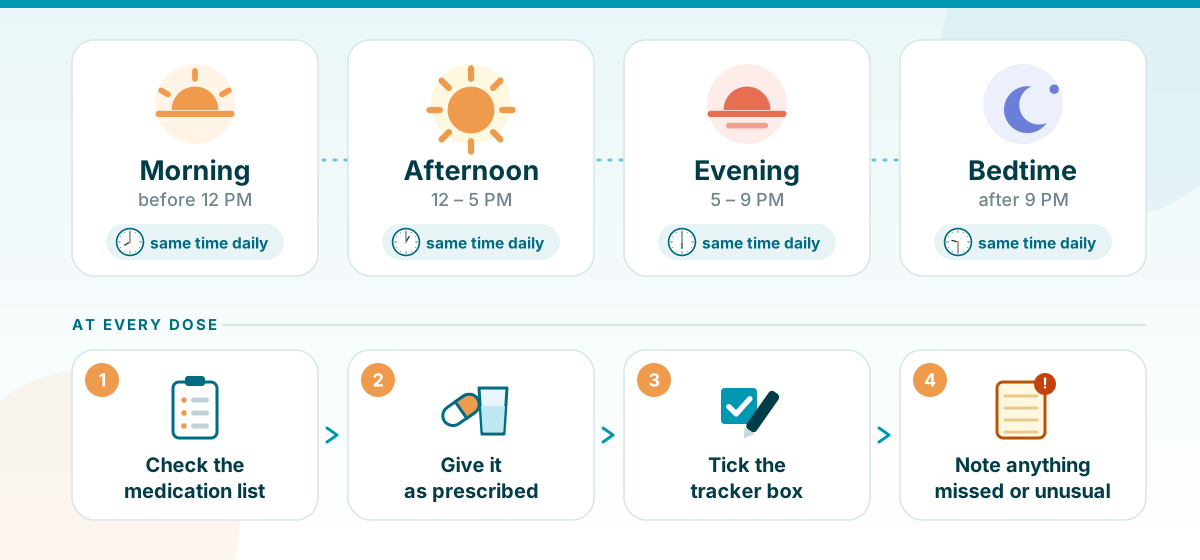
Consistency is Key
Seniors with dementia or memory loss thrive on predictable routines. Try to give medications at the exact same times every day. This reduces confusion and helps them remember to expect their medications.
Frequently Asked Questions
Last Updated: February 2026
This resource is designed to support caregivers managing daily medication routines. For medical advice, always consult your loved one's healthcare provider.