
4 Best Dressing Aids for Seniors
 By Kutubuddin, Founder & Senior Care Researcher Updated October 2026
In this guide

Dressing aids let a senior get dressed independently without bending, reaching or fine finger work — restoring the privacy and dignity of a daily task most of us take for granted.
We may earn a commission when you buy through links on this page. Read our affiliate disclosure.
Top 4 Picks — Find Your Situation
#1 · Best Overall (Complete Kit)
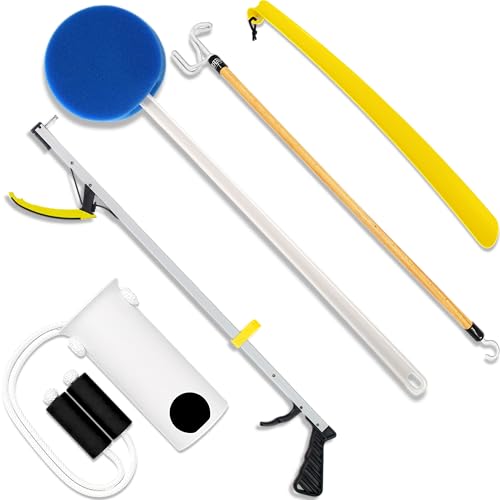
RMS 5-Piece Hip & Knee Kit (32" Reacher)Best for: Most seniors, and anyone recovering from hip or knee surgery
#2 · Best Sock Aid (On and Off)
Vive Sock Aid Easy On Easy OffBest for: Anyone who can't reach their feet — and struggles to get socks off again
#3 · Best for Buttons & Zippers
Vive Button Hook with Zipper PullBest for: Arthritis or one-handed dressing where buttons and zippers are the struggle
#4 · Best Extra-Long Shoe Horn
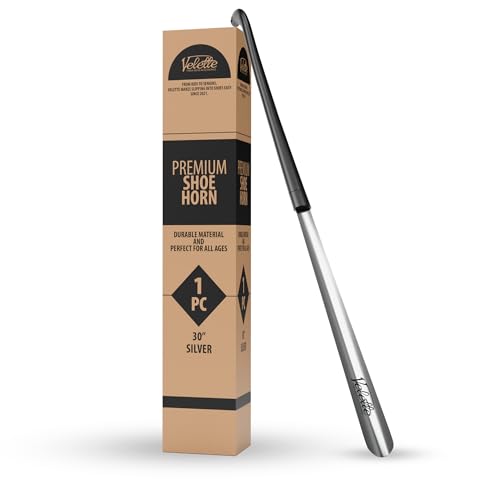
Velette 30-Inch Stainless Steel Shoe HornBest for: Putting on shoes without bending, including boots and high-tops
They matter most for arthritis, where small buttons and zippers become hard; for hip or knee surgery recovery, where bending is restricted; and for one-handed dressing after a stroke. The main tools: a dressing stick for pants and tops, a sock aid for socks, a button hook and zipper pull for fasteners, and a long shoe horn for shoes — often bought together as a kit. Our overall pick is a complete dressing kit, the RMS 5-Piece Hip & Knee Kit. Below, the best tool for each task.
A closer look at our top pick: the RMS 5-Piece Hip & Knee Kit
RMS 5-Piece Hip & Knee Kit (32" Reacher)
Best for: Most seniors, and anyone recovering from hip or knee surgery
- Pieces
- 5 (reacher, sock aid, dressing stick, sponge, shoe horn)
- Reacher
- 32 in, magnetic tip, dressing post, clip-on
- Dressing stick
- 28 in, S-hook and C-hook
- Sock aid
- Moulded, 38 in foam handles
Independently researched · Updated October 2026
The RMS 5-Piece Hip & Knee Kit wins because it covers the whole dressing routine in a single purchase. The 28-inch dressing stick carries an S-hook for pulling up trousers and easing on shirts and a C-hook for zippers and shoelace loops; the deluxe moulded sock aid has 38-inch foam handles so socks go on without bending; and a long-handled shoe horn gets shoes on seated or standing. Two pieces are easy to miss in the listing and are genuinely useful: a 32-inch reacher with a magnetic tip, a dressing post and a clip that fastens it to a cane, walker, wheelchair or bed rail, and a 22-inch bath sponge for washing the lower body without twisting.
It is designed for chronic hip, knee, spine and joint limitations, and for recovery where bending, twisting or squatting is unsafe or painful. The honest limits are worth knowing before you buy: the kit's sock aid suits regular socks rather than firm compression stockings, its shoe horn is shorter than a dedicated long one, and nothing in the box helps with buttons or zip pulls. Those three gaps are exactly what the other picks below fill.
What we love
- One purchase solves most of the routine
- The reacher and sponge are genuinely useful extras
- Covers the tools commonly included in hip kits
- Good value against buying each tool separately
Things to consider
- Its sock aid suits regular socks, not firm compression stockings
- Its shoe horn is shorter than a dedicated long one
- Nothing in the box helps with buttons or zip pulls
- Takes a little practice
Right for you if
- ✓You need help with several parts of dressing
- ✓You're recovering from hip or knee surgery
- ✓You want everything in one affordable kit
- ✓You can't bend or reach your feet
Maybe skip it if
- !You only struggle with socks — a dedicated sock aid is enough on its own
- !Only buttons and zippers are hard — a button hook is the whole answer
- !You wear firm compression stockings — you need a wire donner sized to your calf
- !You can still reach your feet comfortably — most of the kit would go unused
What owners consistently report
Common praise
- +Owners value covering the whole routine
- +It's frequently praised for surgery recovery
- +Good value for what's included
Common gripes
- –Expect a short learning curve
- –The sock aid suits regular socks, not tight compression
- –Quality is good rather than premium
Getting started
- →Keep the kit by the chair where the person dresses
- →Have an OT or the instructions show the techniques
- →Use the dressing stick's hooks for pants and zippers
How it compares
The Vive sock aid at number two is not a replacement for the kit — it is an upgrade to one part of it. The kit's moulded sock aid puts socks on; the Vive adds a patented side hook that takes them off again, which matters far more than it sounds once feet swell or hands stiffen. Buy the kit first, then add the Vive if socks are the step that keeps failing.
How we picked
We compared 4 options. Rather than rank similar products, we looked across the whole dressing routine — pants and tops, socks, fasteners, and shoes — and chose a strong, real aid for each, plus the complete kit most people start with. We assessed them on reach, grip, ease for arthritic or one-handed use, and material, drawing on manufacturer specs, occupational-therapy and post-surgery guidance, and owner feedback — not hands-on lab testing. The aim is to match the aid to the specific difficulty.
Reviewed by Kutubuddin — who researches senior-care products and the real-world needs of caregivers and older adults.
Other picks, reviewed
Vive Sock Aid Easy On Easy Off

Not a replacement for the kit — an upgrade to one part of it. Every hip kit puts socks on; almost none takes them off again, and that is the harder half when feet are swollen or hands are arthritic. This one adds a patented side hook for removal, and a 47.2-inch strap long enough to use from a seated position without leaning forward. The tapered, non-slip body has ridges and grooves so the sock grips instead of overstretching.
What we like
- Solves the half of the problem most sock aids ignore
- Long strap suits taller users
- Won't overstretch good socks
Keep in mind
- Firm graduated compression stockings still want a rigid wire donner
- Takes a few tries to master
- One sock at a time
Key features
- Side hook removes socks, not just puts them on
- Extra-long strap for seated use
- Ridges grip the sock without overstretching
- Works one-handed or two-handed
- Suits dress socks and hosiery
- Function
- Puts socks on and takes them off
- Removal
- Patented side hook
- Strap
- 47.2 in
- Surface
- Tapered, non-slip, ridged
- Guarantee
- 60 days
Vive Button Hook with Zipper Pull
The one job no dressing kit covers. A slim steel wire loop threads through the buttonhole and narrows at the tip to lock the button in place, so it can be pulled back through one-handed; a steel hook at the other end slides into most zip pulls. The handle is the part that matters for arthritis — latex-free, ribbed and deliberately wide, so control comes from the palm rather than the fingertips.
What we like
- Fills the real gap in every hip kit
- Genuine one-handed operation
- Cheap enough to keep a second one downstairs
Keep in mind
- Small learning curve
- Very tiny buttons still take care
- Single-purpose tool
Key features
- Handles the fasteners no kit addresses
- Snag-free loop won't damage buttonhole threads
- Wide handle for weak or stiff hands
- Zipper hook on the opposite end
- Pocket-sized
- Buttons
- Steel wire loop, narrows to lock the button
- Zippers
- Steel hook fits most zip pulls
- Handle
- Wide, ribbed, latex-free cushion
- Hands
- Works single-handed
- Guarantee
- 60 days
Velette 30-Inch Stainless Steel Shoe Horn
Worth buying alongside the kit if standing fully upright is the goal. At 30 inches it is longer than the horn most kits include, and the semi-flexible stainless body gives a controlled flex that follows the heel instead of deforming. It weighs 8.4 ounces, which matters more than it sounds — light enough to hold steady one-handed while the other hand holds a rail or a chair back.
What we like
- Longer than the horn supplied in most kits
- Semi-flexible stainless body with controlled flex
- Simple, with nothing to break
Keep in mind
- Shoes only
- Doesn't help with laces — pair it with no-tie laces
- Long to store
Key features
- Full standing reach, no stooping
- Handles boots and high-tops as well as dress shoes
- Scratch-safe finish protects leather and suede
- Light enough for one-handed use
- Hangs by the door
- Length
- 30 in
- Weight
- 8.4 oz
- Body
- Stainless steel, semi-flexible
- Handle
- Contoured plastic grip
- Storage
- Built-in hanging hole
What to look for
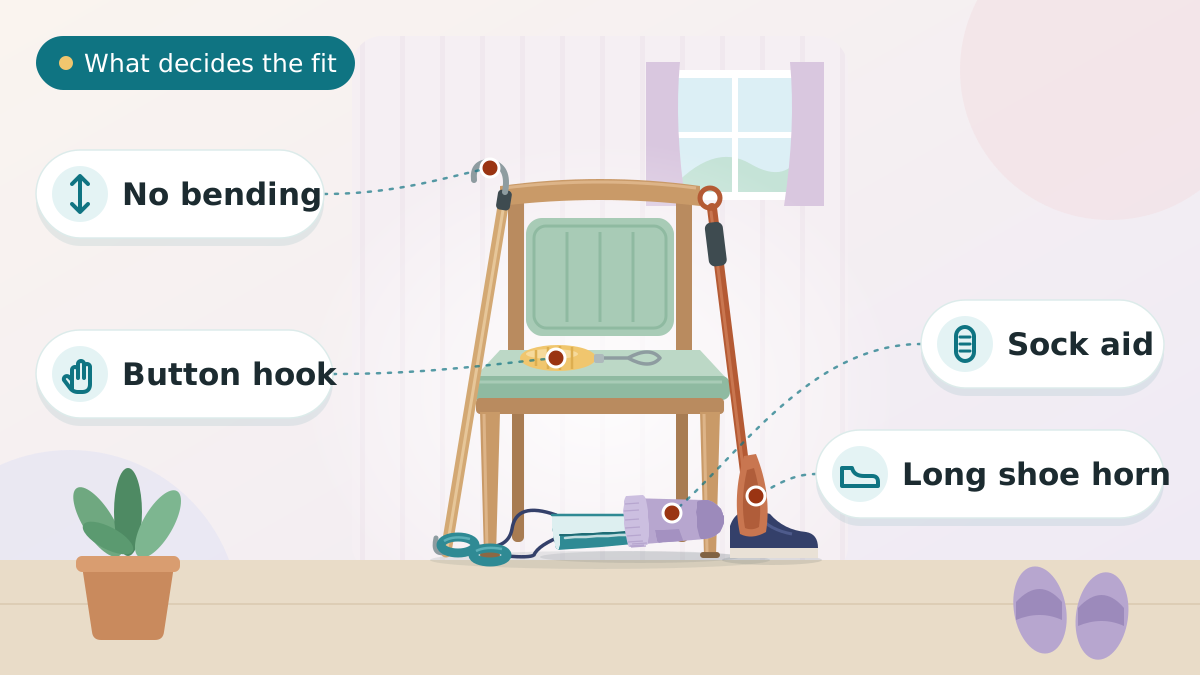
Match the aid to the task
Dressing breaks down into a few steps, and each has its own tool.
A dressing stick handles pulling up pants and putting on tops; a sock aid puts socks on when you can't reach your feet; a button hook and zipper pull manage fasteners with stiff hands; and a long shoe horn or no-tie laces deal with shoes. Identify which steps are actually hard for the person, and get the tools for those.
A kit is the easiest start, especially after surgery
If several steps are difficult, a bundle saves money and guesswork.
A dressing aid kit — often called a hip kit — gathers a dressing stick, sock aid, long shoe horn, and reacher, covering most of the routine except buttons and zippers. It's the standard recommendation after hip or knee surgery, when bending past 90 degrees is restricted, and a cost-effective way to get everything the person needs at once.
Sock aids: the feature that matters
Socks are one of the hardest items when you can't reach your feet, so the sock aid is worth choosing carefully.
It holds the sock open so you slide your foot in and pull it up by cords, with no bending. Look for a flexible core that keeps the sock open, a low-friction or terry surface for easy sliding, and cords long enough to reach. For tight compression stockings, use a sturdier, dedicated sock aid designed for them.
Grip and one-handed use
Ergonomics decide whether an aid actually gets used.
For arthritis, choose large, easy-grip handles and a button hook with a comfortable grip. For someone dressing one-handed after a stroke, look for aids designed for single-handed use, and consider a leg lifter to move a weak leg into trousers. The right handle and design make all the difference to whether dressing stays independent.
Shoes and fasteners made simple
Small tweaks to the fiddliest items remove the hardest parts of dressing.
A long-handled shoe horn slides shoes on without bending, no-tie elastic laces turn lace-ups into slip-ons, and a zipper pull ring or hook makes zippers manageable. Adaptive clothing with magnetic or velcro closures can help further. These simple changes often eliminate the steps that cause the most frustration.
Read more:Daily Living Aids for Seniors
Tips to Choose Dressing Aids
Short on time? Here are the key points to weigh before choosing, each covered in detail above:
- Match the aid to the task
- A kit is the easiest start, especially after surgery
- Sock aids: the feature that matters
- Grip and one-handed use
- Shoes and fasteners made simple
Comparing options? See our guides to Best Eating Aids for Seniors, Best Adaptive Eating Utensils, and Best Electric Nail Clippers for Seniors.
Dressing aids after hip or knee surgery
These tools are a core part of recovery, for a clear medical reason.
Surgery precautions often forbid bending past 90 degrees, so a dressing stick, sock aid, long shoe horn, and reacher let the person dress without breaking the rules. Occupational therapists usually teach their use before discharge, and a hip kit is commonly on the recommended list. Ask your care team exactly which precautions apply and for how long, so you use the aids correctly during healing.
Dressing aids for arthritis and one-handed dressing
For two of the most common situations, the right aids make independent dressing possible again.
With arthritis, the hardest parts are usually small buttons, zippers, and reaching the feet — exactly what a button hook, zipper pull, and sock aid solve. For someone dressing one-handed after a stroke, button hooks, zipper pulls, a dressing stick, and a leg lifter make dressing achievable, and adaptive clothing helps further. If tight compression stockings are part of the routine, pair these with a dedicated compression sock aid. Our daily living aids guide covers more.
Frequently asked questions
For arthritis, the most useful aids tackle the hardest parts: a button hook and zipper pull for fasteners, a sock aid for reaching the feet, and a dressing stick with easy-grip handles for pants and tops. Choose tools with large, comfortable grips, since stiff hands struggle with thin handles. A complete kit covers all of these, while individual tools work if only one task is difficult.
Yes, sock aids are genuinely helpful, especially when bending or reaching the feet is difficult — after hip surgery, with arthritis, or for those with a larger build. The sock holds open over a flexible cradle, the foot slides in, and cords pull it up with no bending required. It takes a few tries to get the technique, but most people then put socks on independently and easily.
You stretch the sock over the sock aid's flexible core so it's held open, drop the aid to the floor, and slide your foot into the opening. Then you pull up on the cord handles, which draws the sock onto your foot and up your ankle while the aid slips out. The whole motion happens without bending toward your feet, which is what makes it so useful.
After hip replacement, the standard tools are a dressing stick, a sock aid, a long-handled shoe horn, and a reacher — often sold together as a hip kit. They let the person dress without bending past 90 degrees, which hip precautions usually forbid during healing. Occupational therapists typically teach their use before discharge. Ask your surgeon which precautions apply and for how long.
Usually not. Medicare generally classifies dressing aids as convenience or self-help items rather than covered durable medical equipment, so they're typically out of pocket. They're inexpensive, though, and HSA or FSA funds can often be used. After surgery, the hospital or rehab may provide some basic aids, and occupational therapy visits — which teach their use — may be covered even when the tools aren't.
A complete dressing kit is usually easiest for caregivers, since it provides the right tool for each step in one place. Beyond that, the easiest aids have large, simple handles and clear, intuitive use — a foam-handled sock aid and a long shoe horn, for example. The goal is often to help the person dress themselves as much as possible, with the caregiver assisting only where needed.
Yes. For one-handed dressing, a button hook and zipper pull manage fasteners with a single hand, a dressing stick helps position and pull on garments, and a leg lifter moves a weak leg into trousers. Combined with adaptive clothing that uses magnetic or velcro closures, these aids make independent one-handed dressing realistic. An occupational therapist can teach specific one-handed dressing techniques.
For many seniors, yes. No-tie elastic laces turn lace-up shoes into slip-ons, removing the need to tie laces — which is hard with arthritis, limited reach, or one hand — while keeping the shoe secure. They're inexpensive and fit most shoes. Paired with a long-handled shoe horn, they make putting on shoes simple without bending or fine finger work.
Regular sock aids often struggle with tight compression stockings, which need much more force to apply. For those, use a dedicated compression sock aid or applicator built for the job, with a sturdier frame and stronger handles. If the person wears compression stockings daily, it's worth getting the right tool rather than fighting with a standard sock aid.
Dressing aids are widely available online and at pharmacies and medical-supply stores, and they're generally inexpensive — individual tools often cost a little, and complete kits a bit more. Because they're affordable, many people buy a full kit after surgery and keep the most-used tools, like the sock aid and shoe horn, long-term. HSA or FSA funds can often be applied.
The final verdict
For most seniors, a complete hip kit like the RMS 5-Piece Hip & Knee Kit is the best start — one purchase covers pants, tops, socks and shoes, plus a reacher and a long-handled sponge. Buy a separate tool only where the kit's own version falls short: a sock aid that also takes socks off, a button hook for the fasteners no kit addresses at all, or a longer shoe horn if standing fully upright is the goal. One job none of these does well is firm graduated compression stockings — those need a rigid wire stocking donner, and donners are sized by calf circumference, so measure before you buy. One garment none of these tools helps with is a bra, which is why a front-closure design does the job instead — see our front closure bras for seniors if that is the fastening causing trouble.
Our overall winner is the RMS 5-Piece Hip & Knee Kit (32" Reacher). You can check the current price on Amazon.
Our Top 4 Picks at a Glance
Ready to choose? Here are the top 4 again.
Best Overall (Complete Kit)
RMS 5-Piece Hip & Knee Kit (32" Reacher)
Best Sock Aid (On and Off)
Vive Sock Aid Easy On Easy Off
Best for Buttons & Zippers
Vive Button Hook with Zipper Pull
Best Extra-Long Shoe Horn
Velette 30-Inch Stainless Steel Shoe Horn
Affiliate links — we may earn a commission.
More reviews
