The Caregiver Emergency Binder (Free Template for Families)
Download a free caregiver emergency binder template to organize medications, doctor contacts, allergies, insurance, and safety plans for an elderly parent.
When an emergency happens, every second counts. But in those stressful moments, it's nearly impossible to remember every medication your elderly parent takes, every doctor's phone number, or where you wrote down their allergies.
That's why having a caregiver emergency binder isn't just helpful—it can be lifesaving. This organized collection of critical information reduces panic, speeds up medical response, and ensures that first responders, hospital staff, and backup caregivers have everything they need to protect your loved one. Learn more about caregiver resources. Include our printable medication chart in your binder to maintain accurate medication records.
Whether you're caring for an aging parent at home, coordinating care from a distance, or supporting a senior living alone, this free printable template will help you create a comprehensive emergency resource that brings peace of mind to your entire family. For accurate health monitoring, keep an easy-read health monitor with your emergency supplies.
What This Binder Helps You Store
- Complete medication list with dosages and schedules
- Doctor, pharmacy, and specialist contact information
- Known allergies and chronic conditions
- Emergency response plan and backup caregiver contacts
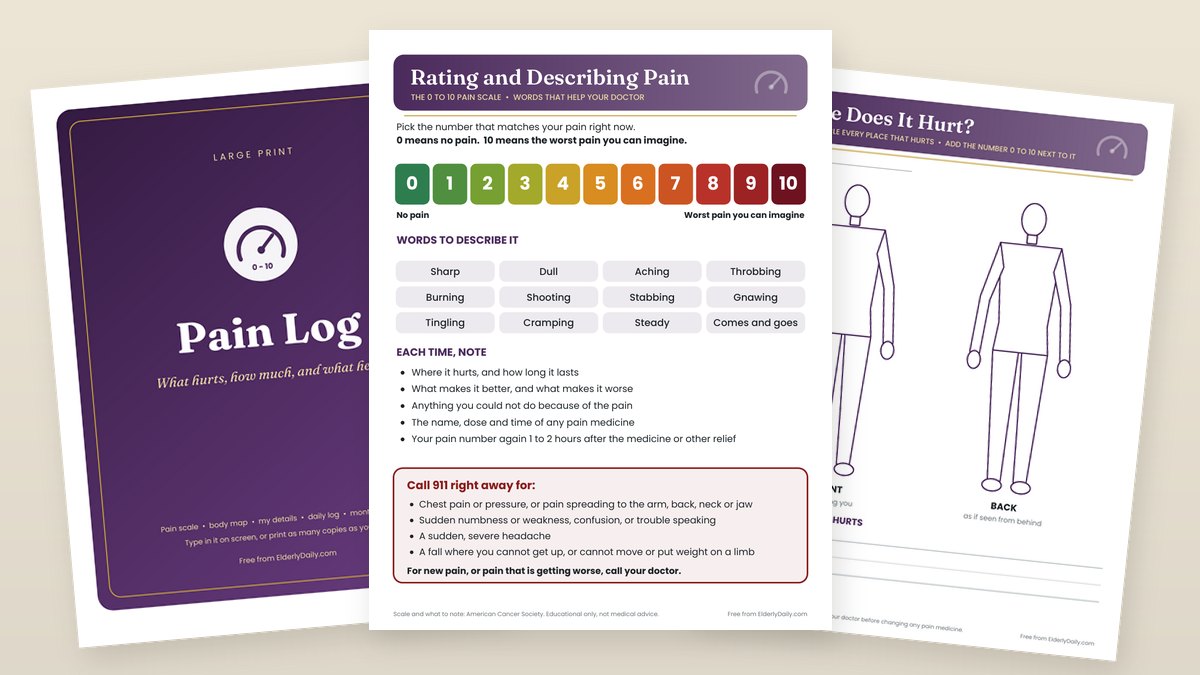
- Daily caregiver notes and observation logs
Free Printable Binder Pages
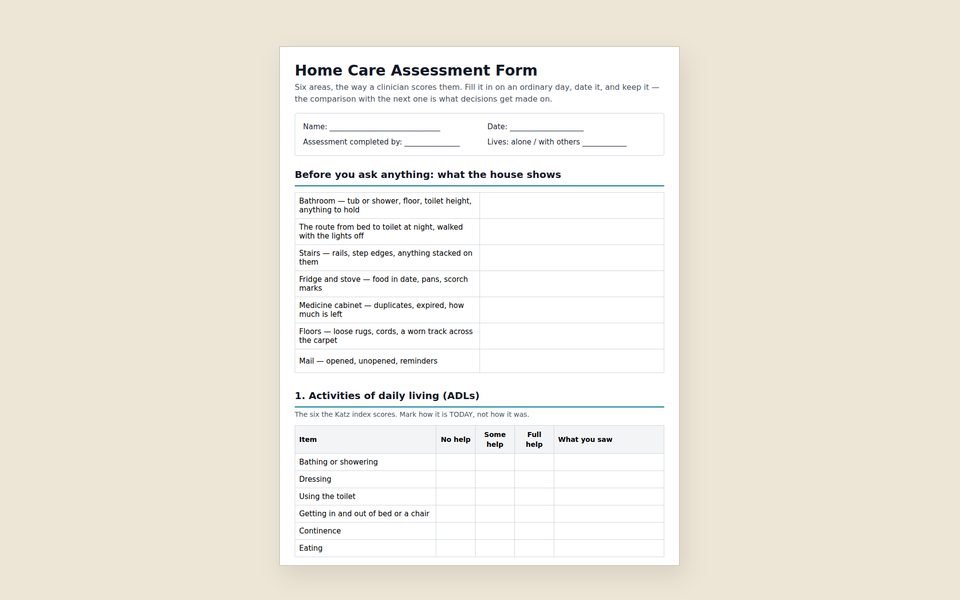
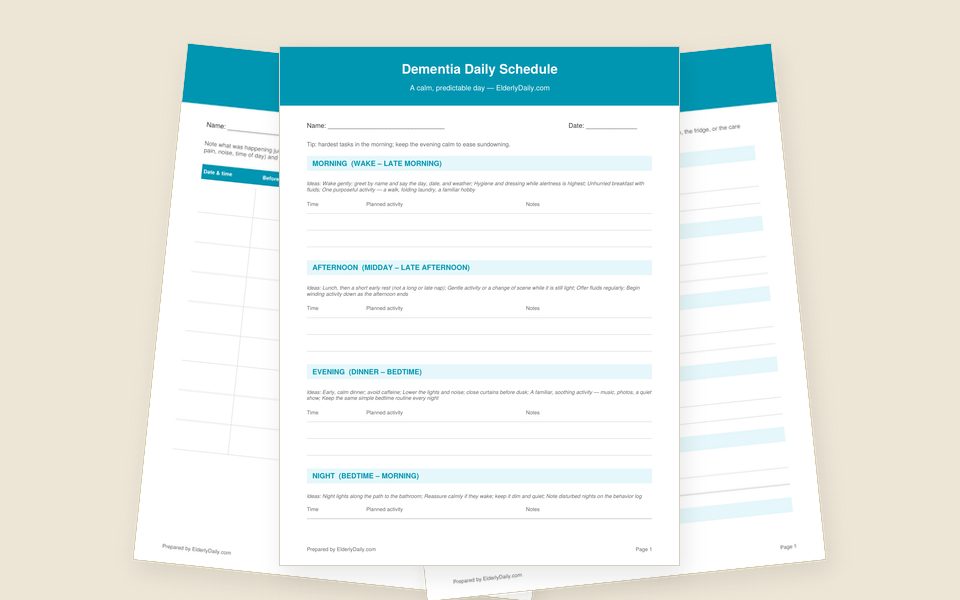
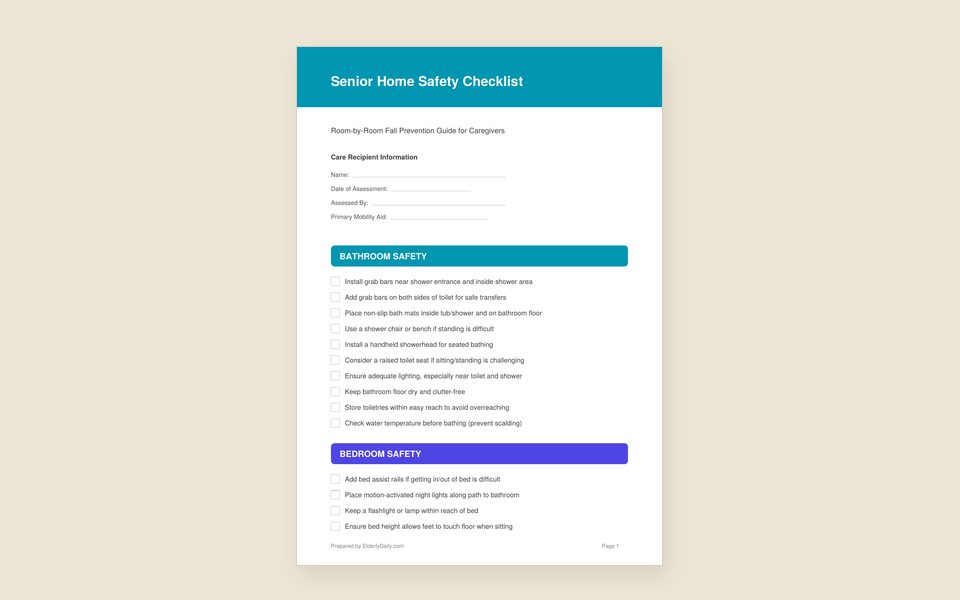
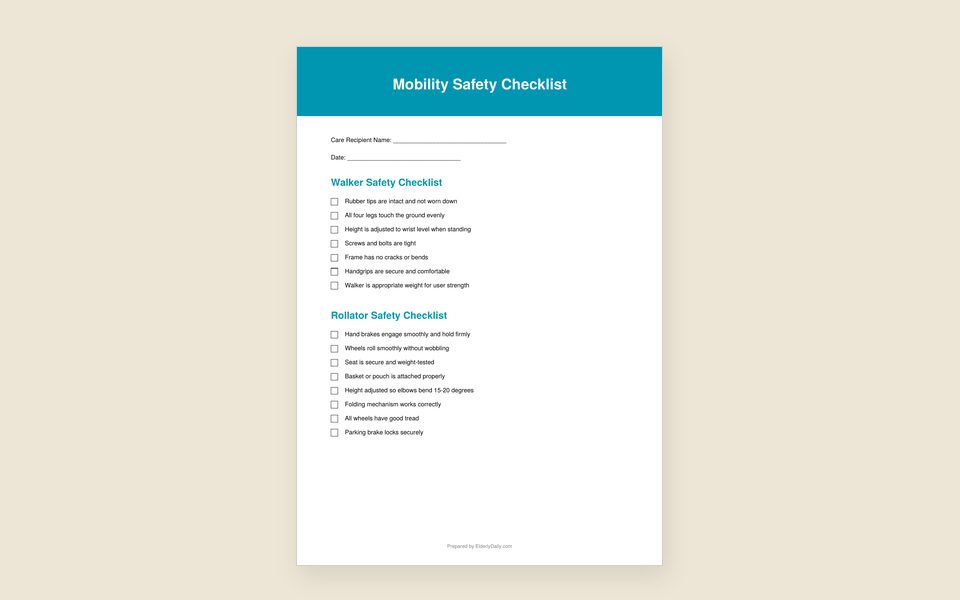
Our comprehensive emergency binder template includes all the essential pages you need to organize critical medical information, emergency contacts, and daily care notes. Each page is designed for easy printing and three‑ring binder storage.
What's Included in the Template:
- Medical Information Sheet
- Medication Tracker Pages
- Emergency Contacts List
- Fall Prevention Checklist
- Hospital Go‑Bag Checklist
- Daily Care Log Templates
Free to share with caregivers, clinics, social workers, and support groups. Help us spread the word to protect more families.
Emergency Binder Sections
Each section of your emergency binder serves a specific purpose. Here's what to include in each one and why it matters during a medical emergency.
Medical Information Sheet
1Document all chronic conditions, recent diagnoses, mobility limitations, and cognitive status. Include information about dementia, diabetes, heart conditions, and any recent surgeries or hospitalizations.
Medication Tracker Page
2List every medication with exact dosage, frequency, time of day, and prescribing doctor. Include over-the-counter supplements and vitamins. Update this page immediately when medications change.
Emergency Contacts Page
3Include primary care physician, specialists, pharmacy, family members, neighbors, and backup caregivers. Add relationship to patient and best times to reach each contact. Keep this page at the front of your binder.
Fall & Home Safety Plan
4Document bathroom and bedroom fall risks, installed safety equipment, and prevention strategies. Include notes about grab bar locations, lighting improvements, and mobility aid usage.
Medical Alert & Living Alone Support
5Record medical alert device information, monitoring service contacts, and emergency response instructions. Essential for seniors living independently or spending time alone.
Hospital Go-Bag Checklist
6Prepare for unexpected hospital visits with a pre-packed bag. Include insurance cards, medication list, comfort items, phone chargers, and a copy of advance directives. Keep this checklist with your binder.
Printable Template Preview
Here's an overview of each page included in the emergency binder template, what it's used for, and who should be responsible for keeping it updated.
| Page | Purpose | Who Should Fill It Out |
|---|---|---|
| Medical Information Sheet | Quick reference for conditions, allergies, and medical history | Primary caregiver with input from doctors |
| Current Medications List | Prevent dangerous drug interactions and ensure proper dosing | Caregiver, updated after every doctor visit |
| Emergency Contacts | Reach family, doctors, and backup caregivers quickly | Primary caregiver and family members |
| Insurance & Legal Documents | Access coverage info and advance directives | Family member with legal/financial knowledge |
| Fall Prevention Checklist | Track home safety modifications and equipment | Caregiver or occupational therapist |
| Daily Care Log | Monitor changes in health, mood, and function | All caregivers (daily entries) |
| Medical Alert Device Info | Instructions for monitoring service and device use | Caregiver when device is set up |
| Hospital Go-Bag Checklist | Ensure nothing is forgotten during emergency transport | Primary caregiver (review quarterly) |
Pro Tip: Keep Multiple Copies
Print two copies of your completed binder. Keep one at home in an easy-to-find location (near the front door or in the kitchen), and give the second copy to a trusted family member or neighbor. Consider scanning pages and storing digital copies in a secure cloud folder that emergency contacts can access.
For Healthcare Professionals
This emergency binder template is a valuable resource for discharge planners, home health nurses, occupational therapists, social workers, and care coordinators. It helps families organize critical information during transitions of care and reduces readmission risks.
Clinical Applications
- Hospital discharge planning
- Home health intake assessments
- Occupational therapy home visits
- Care coordination meetings
Community Use
- Caregiver support groups
- Senior center workshops
- Area Agency on Aging programs
- Faith-based caregiver ministries
Evidence-Based Resources
This template aligns with best practices from leading aging and caregiving organizations:
Healthcare professionals are encouraged to share this resource with patients and families. No attribution required—just help us spread the word to protect more seniors.
Emergency Binder Essentials in 60 Seconds
When every second counts, these six categories contain the critical information that can save a life.
Medications
Complete list with dosages
Medical History
Conditions & allergies
Emergency Contacts
Doctors & family
Insurance Info
Cards & policy numbers
Safety Plan
Fall prevention & devices
Daily Logs
Track changes & concerns
Why 60 Seconds Matters
In a medical emergency, first responders need critical information immediately. A well‑organized binder allows paramedics, ER staff, or backup caregivers to find what they need in under a minute—potentially preventing dangerous medication errors, allergic reactions, or treatment delays.
Frequently Asked Questions
Every caregiver emergency binder should include: a complete medication list with dosages and schedules, all doctor and pharmacy contact information, known allergies and medical conditions, emergency contacts for family and neighbors, insurance information, a fall prevention plan, and medical alert device instructions. These essentials ensure that anyone stepping in to help has the critical information they need immediately.
Update your emergency binder every 3 months or immediately after any medication changes, new diagnoses, doctor changes, or address updates. Set a recurring reminder on your phone to review it quarterly. After each doctor visit, check if any information needs updating. It only takes a few minutes but can make a huge difference in an emergency.
Yes, absolutely. Seniors living alone should keep a copy of the emergency binder near the front door and share a digital version with trusted neighbors or family members. It helps first responders access critical medical information quickly if the senior is unable to communicate. Consider also posting a simple emergency contact sheet on the refrigerator where paramedics typically look.
The most critical information includes: current medications and dosages (especially blood thinners, insulin, and heart medications), known drug allergies, chronic conditions like diabetes, heart disease, or dementia, recent surgeries or hospitalizations, and the primary care physician contact. This information can prevent dangerous drug interactions and guide emergency treatment decisions.
Yes, this template is free to share with other caregivers, family members, support groups, and healthcare professionals. We encourage sharing to help more families stay organized and prepared. Healthcare providers, social workers, and community organizations are welcome to distribute this resource to the families they serve—no permission needed.
Start Building Your Emergency Binder Today
Don't wait for an emergency to get organized. Download this free template and spend 30 minutes filling it out. Your future self—and your loved one—will thank you.
Get More Caregiver ResourcesRecommended products
Buying guides that pair well with this page: