
7 Best Canes for Seniors
 By Kutubuddin, Founder & Senior Care Researcher Updated October 2026
In this guide
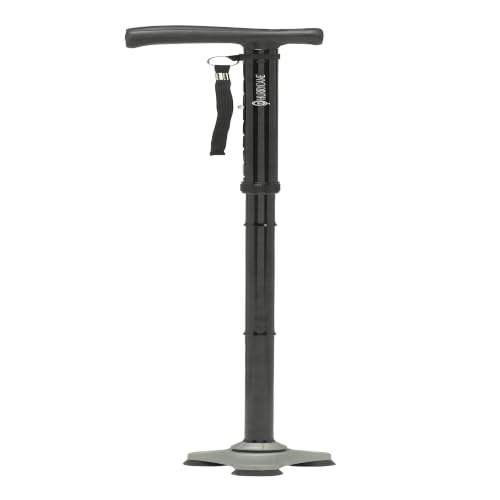 Best OverallHurryCane Freedom Edition Foldable Walking Cane
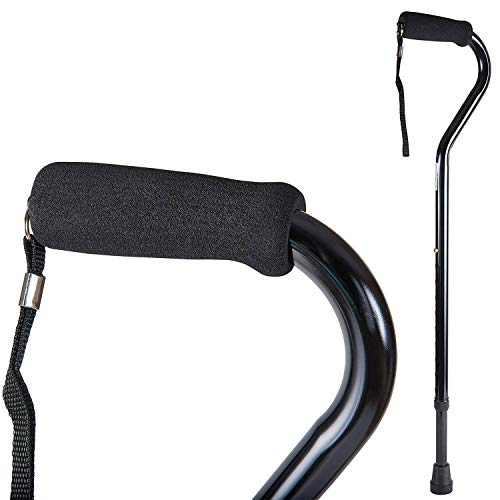 Best for recoveryDMI Lightweight Aluminum Offset Cane
 Great for arthritisREHAND Ergonomic All-Terrain Folding Cane
 Best for balance & stabilityMedline Aluminum Quad Cane (Small Base)
- Best heavy-dutySky Med Bariatric Heavy-Duty Cane
 Best for outingsSTEP2GOLD Ta-Da Chair Series 2 Seat Cane
 Budget pickMedline Offset Handle Cane
- What to look for
- Frequently asked questions
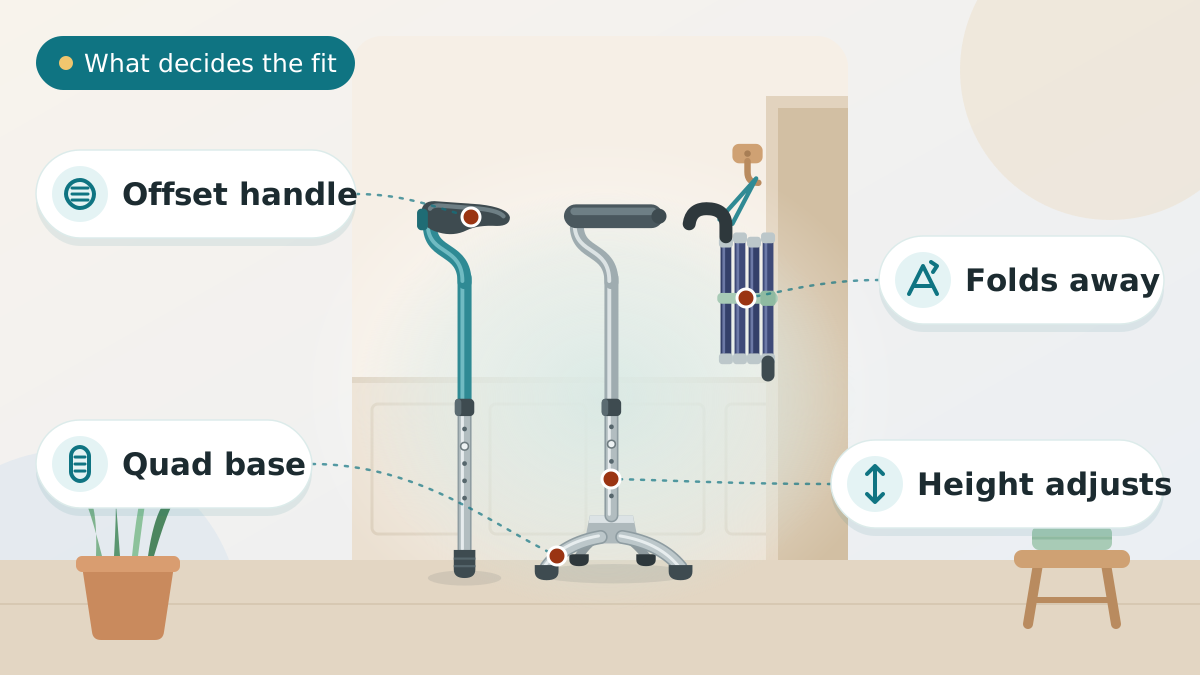
The right cane prevents falls, eases joint strain, and restores the confidence to keep moving. After comparing 30+ options on stability, grip comfort, weight, and adjustability, the foldable, all-terrain HurryCane is our top pick for most seniors — but a lightweight offset cane is better for recovery, and a quad cane is safer for serious balance issues. Here are the seven we recommend, and exactly who each one suits.
We may earn a commission when you buy through links on this page. Read our affiliate disclosure.
Our Top Pick
HurryCane Freedom Edition Foldable Walking Cane
The pivoting base adjusts automatically to any surface — stairs, grass, gravel — so seniors stop second-guessing every step.
- Pivoting base removes surface anxiety outdoors
- Folds flat for car or closet
- Stands upright on its own
Type
Pivoting tripod base
Best for
Outdoors / stairs
Weight
Medium
Top 7 Picks — Find Your Situation
- HurryCane Freedom Edition Foldable Walking CaneBest Overall
Best forSeniors who walk on varied outdoor surfaces and want a cane that adapts on its own
- Pivoting base removes surface anxiety outdoors
- Folds flat for car or closet
- Stands upright on its own
Watch out: T-handle may not suit severe wrist arthritis
- DMI Lightweight Aluminum Offset CaneBest for recovery
Best forSeniors recovering from surgery or injury who want the lightest cane and real wrist relief
- Lightest pick here at just 12 oz
- Soft-foam offset handle relieves wrist pressure
- Push-button locking ring adjusts 30–39 in with no rattle
Watch out: Single tip is less stable on uneven ground than a quad
- REHAND Ergonomic All-Terrain Folding CaneGreat for arthritis
Best forSeniors with arthritis or joint pain who want a cushioned, ergonomic grip with all-terrain stability
- Wide flat-top grip reduces palm and joint fatigue
- Ambidextrous — works in either hand
- Shock-absorbing multilayer rubber base for uneven terrain
Watch out: The larger grip takes a little getting used to
- Medline Aluminum Quad Cane (Small Base)Best for balance & stability
Best forSeniors with significant balance loss who need a self-standing, four-point base
- Four-point base stands on its own
- Most stable option for serious balance issues
- Reversible grip for left or right hand
Watch out: Bulkier than a single-tip cane
- Sky Med Bariatric Heavy-Duty CaneBest heavy-duty
Best forLarger seniors who need extra weight support in a lightweight offset cane
- Rated to 600 lb by the manufacturer — about double a standard cane
- Offset handle improves balance and weight transfer
- Only ~1.3 lb, so it is no harder to lift than an ordinary cane
Watch out: Single tip is less stable than a quad on uneven ground
- STEP2GOLD Ta-Da Chair Series 2 Seat CaneBest for outings
Best forSeniors who tire on outings and want a lightweight cane that doubles as a place to sit
- Opens into a seat in about one second
- Largest seat in its category with anti-slip spiral rubber feet
- Aircraft-grade aluminum, only about 2.2 lb
Watch out: Bulkier than a slim everyday cane
- Medline Offset Handle CaneBudget pick
Best forBudget-conscious seniors who want reliable basic support
- Very affordable
- Comfortable foam grip
- Lightweight aluminum, height-adjustable
Watch out: Basic features only
HurryCane Freedom Edition Foldable Walking Cane
Seniors who walk on varied outdoor surfaces and want a cane that adapts on its own
The HurryCane earns the top spot on one idea: the foot of the cane pivots and flexes with each step, so the rubber base stays flat on the ground whether you're on a level kitchen floor, a sloped driveway, grass, or a staircase. That removes the small hesitation a standard single-tip cane creates on uneven ground — the moment of 'is this going to catch?' — which is exactly where confidence and steadiness matter most for an older walker.
It also solves the everyday annoyances that make people abandon a cane: it folds down small enough to slip into a bag or tuck beside a restaurant chair, and the three-point base lets it stand on its own instead of clattering to the floor every time it's set down. The T-handle fills the palm for a natural, full-hand grip rather than a thin crook.
What we love
- Pivoting base removes surface anxiety outdoors
- Folds flat for car or closet
- Stands upright on its own
Things to consider
- T-handle may not suit severe wrist arthritis
- Slightly heavier than basic aluminum canes
Right for you if
- ✓You walk outdoors on mixed surfaces — pavement, grass, gravel, ramps, or stairs
- ✓You want a cane that stands on its own and folds flat for the car
- ✓You prefer a full-palm T-handle grip
Maybe skip it if
- !You have severe wrist arthritis and need an offset handle that loads the wrist differently
- !You want the lightest possible cane and rarely leave smooth indoor floors
- !You need a wider four-point quad base for heavier weight-bearing support
What owners consistently report
Common praise
- +The self-standing base genuinely stays put and stops the cane toppling over
- +The pivoting tip feels reassuring on slopes, thresholds, and uneven ground
- +Folds quickly and compactly for travel and storage
Common gripes
- –The wider base can feel bulkier than a single tip in tight indoor spaces
- –There's a short adjustment period before you fully trust the flexing foot
- –A little heavier than a basic straight aluminum cane
Getting started
- →Set the height so the handle sits at your wrist crease when you stand straight with arms relaxed
- →Hold the cane on your stronger side and move it forward together with the weaker leg
- →On stairs, lead up with the stronger leg, and lead down with the cane and the weaker leg together
How it compares to our runner-up
Our runner-up, the DMI Lightweight Aluminum Offset Cane, goes the other way: it's the lightest option, with an offset handle that puts your weight directly over the shaft for real wrist relief — ideal while recovering from surgery or injury. Choose the HurryCane if your priority is all-surface confidence and self-standing convenience outdoors; choose the DMI offset cane if your priority is the lightest weight and the kindest handle for a sore wrist on mostly smooth ground.
HONEYBULL Foldable Walking Cane

This free-standing folding cane collapses in seconds and stands on its own 4-inch, 3-prong pivot base, so it never tips to the floor. Adjustable 30″–36″ (fits 5′0″–6′5″), it's an easy, packable everyday cane for walks, errands, and travel.
Disclosure: HONEYBULL is a partner — we may earn a commission when you buy through this link. Our independent #1 pick remains the HurryCane.
How we picked
We compared 30 options. We evaluated canes on five things that actually matter day to day: tip stability on different surfaces, handle comfort for arthritic hands, total weight, height-adjustment range, and how well they fit a real fall-prevention routine. We prioritized offset and quad designs where balance is a concern, cross-checked owner feedback at scale, and excluded flimsy single-tip canes that wobble under weight.
Reviewed by Kutubuddin — who has spent 3+ years researching senior mobility aids and consulting OT guidance on cane fit.
Our picks, reviewed
HurryCane Freedom Edition Foldable Walking Cane
The pivoting base adjusts automatically to any surface — stairs, grass, gravel — so seniors stop second-guessing every step. It folds flat and uses a comfortable T-handle for a natural grip.
What we like
- Pivoting base removes surface anxiety outdoors
- Folds flat for car or closet
- Stands upright on its own
Keep in mind
- T-handle may not suit severe wrist arthritis
- Slightly heavier than basic aluminum canes
- Type
- Pivoting tripod base
- Best for
- Outdoors / stairs
- Weight
- Medium
DMI Lightweight Aluminum Offset Cane
At just 12 ounces this is the lightest cane in our lineup, so it stays easy to lift all day through recovery. The soft-foam offset handle shifts weight over the tip to take pressure off a sore wrist, and a push-button locking ring holds the height firmly with no rattle.
What we like
- Lightest pick here at just 12 oz
- Soft-foam offset handle relieves wrist pressure
- Push-button locking ring adjusts 30–39 in with no rattle
- FSA/HSA eligible and includes a wrist strap
Keep in mind
- Single tip is less stable on uneven ground than a quad
- 250 lb capacity — lighter-duty than the bariatric pick
- Type
- Offset, single-tip
- Best for
- Recovery & wrist relief
- Weight
- 12 oz (lightest)
REHAND Ergonomic All-Terrain Folding Cane
The wider, longer flat-top handle spreads pressure across the whole palm instead of a narrow grip — which is what makes it kind to arthritic hands. It is ambidextrous, folds for travel, and a shock-absorbing multilayer rubber base softens the impact on both the hand and the lower body over uneven ground.
What we like
- Wide flat-top grip reduces palm and joint fatigue
- Ambidextrous — works in either hand
- Shock-absorbing multilayer rubber base for uneven terrain
- Folds with a travel bag; 8 height levels; 350 lb capacity
Keep in mind
- The larger grip takes a little getting used to
- Folding design has slight flex vs a one-piece cane
- Type
- Foldable, ergonomic
- Best for
- Arthritis & joint pain
- Weight
- Light
Medline Aluminum Quad Cane (Small Base)
The four-point base stands up on its own and stays planted when balance is the real concern — the most stable pick here for seniors who need more than a single tip can offer. Medline rates it to 300 lb, the grip reverses for either hand, and the aluminum shaft adjusts to height. We chose the small base over a wide one because it still fits on a stair tread, which a wide quad base does not.
What we like
- Four-point base stands on its own
- Most stable option for serious balance issues
- Reversible grip for left or right hand
Keep in mind
- Bulkier than a single-tip cane
- All four tips must meet the ground evenly on uneven surfaces
- Small base gives less support than a wide quad base
- Type
- Quad (4-tip, small base)
- Best for
- Balance & stability
- Capacity
- 300 lb
Sky Med Bariatric Heavy-Duty Cane
Sky Med rates this one to 600 lb, which is roughly double a standard cane and the highest capacity we found on a cane this light — the aluminum shaft weighs about 1.3 lb, so it is no harder to lift than an ordinary cane. The offset handle shifts weight over the tip for secure steps, the grip is soft enough for long walks, and a carrying strap keeps it on the wrist when you need both hands. The capacity is the manufacturer’s published rating, not a figure we measured.
What we like
- Rated to 600 lb by the manufacturer — about double a standard cane
- Offset handle improves balance and weight transfer
- Only ~1.3 lb, so it is no harder to lift than an ordinary cane
- Carrying strap frees both hands
Keep in mind
- Single tip is less stable than a quad on uneven ground
- Costs a little more than a basic cane
- Type
- Bariatric offset
- Capacity
- 600 lb (manufacturer-rated)
- Weight
- ~1.3 lb
STEP2GOLD Ta-Da Chair Series 2 Seat Cane
Part cane, part instant chair — it opens umbrella-style into a stable seat in about a second, so your parent always has somewhere to rest on a walk, in a queue, or at an event. Aircraft-grade aluminum keeps it to about 2.2 lb, and anti-slip spiral rubber feet hold it steady when seated.
What we like
- Opens into a seat in about one second
- Largest seat in its category with anti-slip spiral rubber feet
- Aircraft-grade aluminum, only about 2.2 lb
- Sized S/M/L for a proper fit (M suits roughly 5 ft 4 to 5 ft 9)
Keep in mind
- Bulkier than a slim everyday cane
- A seat cane suits light support and resting — not full weight-bearing balance
- Type
- Folding seat cane
- Best for
- Outings & rest stops
- Weight
- 2.2 lb
Medline Offset Handle Cane
A dependable, no-frills offset cane with a comfortable foam grip — reliable everyday support at a price that’s easy to say yes to for a first cane or a spare to keep elsewhere.
What we like
- Very affordable
- Comfortable foam grip
- Lightweight aluminum, height-adjustable
Keep in mind
- Basic features only
- Less cushioning than premium grips
- Type
- Offset, single-tip
- Best for
- Value / backup cane
- Weight
- Light aluminum
What to look for
Get the height right first
A cane that’s the wrong height does more harm than good. Standing upright in normal shoes with arms relaxed, the top of the cane should reach the crease of the wrist. At that height the elbow bends about 15–20 degrees when gripping — enough to absorb weight without hunching.
Most quality canes adjust in 1-inch increments. If two people share a household, an adjustable cane is worth it.
Match the base to the balance problem
The number of tips is the single biggest safety decision:
- Single-tip (standard or offset): lightest and most maneuverable — best for mild balance support and recovery.
- Quad (four feet): stands on its own and offers the most stability — best for stroke recovery or significant balance loss.
- Pivoting/tripod base (e.g., HurryCane): adapts to uneven ground — best for active outdoor use.
When balance is genuinely poor, a quad cane or a rollator is safer than any single-tip cane.
Grip comfort matters more than it looks
For arthritic hands, a soft, contoured, or foam grip prevents the hand fatigue that makes people stop using a cane altogether. Offset handles distribute weight over the tip and are easier on the wrist; T-handles feel natural but can strain a stiff wrist.
Tips to Choose Your Cane
The right cane comes down to a handful of practical choices. Run through these before you buy — and if you can, hold a few in person, because grip comfort is hard to judge from a photo:
- Get the height right first. Standing tall with arms relaxed, the top of the cane should reach the crease of your wrist, leaving a slight 15–20° bend in the elbow. An adjustable cane lets you dial this in exactly — fit matters more than any other feature.
- Match the base to your balance. A single rubber tip is light and fine for mild support. If balance is a real worry, a pivoting tripod base or a four-point quad cane stands on its own and gives far more stability.
- Choose a handle your hand will thank you for. An offset or ergonomic grip spreads weight across the palm and is kinder to arthritic hands; a simple round crook handle costs less but can dig in over time.
- Check the weight capacity — with margin. Make sure the rating sits comfortably above the user’s weight. For larger users, a bariatric/heavy-duty cane is well worth it.
- Mind the cane’s own weight. A light aluminum cane (around a pound) is easier to lift all day; heavier canes can feel sturdier but tire the arm.
- Decide whether it needs to fold. A folding cane tucks into a bag and stands by a chair — ideal for travel, restaurants, and outings; a one-piece cane has a touch less flex.
- Don’t overlook the tip. A wide, intact rubber tip grips best. Replace it the moment the tread wears smooth — a worn tip is a slipping hazard.
When in doubt, an adjustable offset cane with a sturdy tip suits most people — our top picks above are chosen on exactly these criteria. And if one cane no longer feels like enough support, a walker or rollator is the safer next step.
Signs it may be time for a cane
More than 1 in 4 older adults falls each year, and many seniors resist the idea of a cane long after they’d benefit from one. If you’re caring for an aging parent, these are the everyday signs worth watching for:
- They reach for walls, furniture, or your arm to steady themselves around the house.
- They’ve had one or more near-falls, trips, or stumbles in recent months.
- They walk more slowly, take shorter steps, or seem unsteady on uneven ground.
- Knee, hip, or back pain changes how they move or makes them avoid walking.
- They’ve started skipping walks, errands, or social outings because they feel unsteady.
A cane isn’t a sign of lost independence — it’s often what protects it. If your parent has already had a few stumbles, see our guide on what to do when an elderly parent keeps falling. For an added safety net at home, pairing a cane with one of the best monitoring devices for seniors means a fall triggers an instant alert — even when you’re not in the room.
How to help a parent accept using a cane
The hardest part is often emotional, not practical. A few approaches that tend to work:
- Frame it around freedom: “This helps you keep gardening / going to the masjid / visiting the grandkids,” not “you’re getting frail.”
- Let them choose. Having a say in the color or style makes a cane feel like their decision, not something imposed on them.
- Get the fit right so it feels genuinely helpful from day one — an ill-fitting cane is uncomfortable and gets abandoned.
- Start at home. Practicing on familiar ground builds confidence before they use it in public.
- If they’re embarrassed, a folding cane they can tuck away when seated can ease the transition.
Using a cane safely: everyday tips
Once the right cane is chosen, a little technique goes a long way toward preventing falls — our full guide on how to walk with a cane covers it step by step:
- Hold the cane on the stronger side — opposite the weak or painful leg — and move it forward together with that leg.
- Going up stairs, lead with the stronger leg; coming down, lead with the cane and the weaker leg (“up with the good, down with the bad”).
- Keep the cane close to the body; reaching out to the side reduces support and balance.
- Check the rubber tip regularly and replace it the moment the tread wears smooth — a worn tip is a slipping hazard.
- Clear loose rugs and cords at home, and shore up risky spots like the bathroom with grab bars and fall-prevention basics — even the best cane can’t save a step onto a sliding mat.
If a parent is still unsteady with a cane, that’s a signal to consider a walker or rollator rather than pushing the cane further than it can safely go.
Cane vs. walker vs. rollator: which is right?
Choosing the right level of support matters as much as the specific product:
- Cane — best when a parent mainly needs light balance support and can carry most of their own weight. An offset or quad cane adds stability.
- Walker (standard, no wheels) — better when they need to lean meaningful weight on the device or have weakness in both legs.
- Rollator (wheeled walker with a seat) — ideal for longer distances, frequent rest breaks, or anyone who tires quickly outdoors.
When in doubt, our walker vs cane guide breaks down the choice, and an occupational or physical therapist can assess gait and recommend the safest option — Medicare may help cover prescribed mobility aids.
And if the real difficulty is getting in and out of bed rather than walking, that’s a job for a bed assist handle or bed cane, not a walking cane.
Choosing a cane for balance and stability
This is the most common reason people start looking, and the answer depends less on the cane than on what kind of unsteadiness you are dealing with. Three broad situations, and the cane that suits each:
- Occasional wobble, mainly outdoors or on uneven ground. A pivoting-base cane like the HurryCane keeps its foot flat on slopes, grass and thresholds, which removes the hesitation a single rubber tip creates. Good balance most of the time, poor confidence on bad surfaces — this is the one.
- Genuine balance loss — after a stroke, with neuropathy, or when a doctor has raised it. A quad cane with four feet stands on its own and gives a wider base of support than any single tip can. It is bulkier and slower indoors, and every foot has to meet the ground, but when balance is the actual medical problem it is the safer choice.
- Steady but weak, or unsteady only when tired. An offset cane transfers weight over the tip rather than out to the side, so it supports without demanding grip strength. This is the common case after surgery or during recovery, and it is often mistaken for a balance problem when it is really a strength one.
Two things matter more than which model you choose. Height comes first — a cane set even an inch too high or too low actively worsens balance, because the shoulder rises or the body leans. And a cane only helps in one hand; if someone is unsteady in both directions, or reaches for furniture on both sides as they walk, a cane is under-supporting them and a walker or rollator is the honest next step.
If balance has changed recently rather than gradually, that is worth a doctor’s appointment before an equipment purchase. Sudden unsteadiness can come from medication, blood pressure, an inner-ear problem or an infection — none of which a cane fixes. Our guide on what to do when an elderly parent keeps falling covers what to rule out.
Choosing a cane for an older woman
Most canes are sold as unisex, and mechanically they are — nothing about a cane is gendered. But three specifications catch people out more often when buying for an older woman, and they are the usual reasons a cane ends up unused in a cupboard rather than carried.
- Check the minimum height, not the maximum. Many canes adjust from about 30 inches upward, which is fine at average height and still too tall for anyone under roughly five feet — a group that includes a great many older women, since height is also lost with age. Set correctly the handle reaches the crease of the wrist with arms relaxed, so read the low end of the range before ordering.
- Grip circumference. A handle sized for a larger hand forces a smaller hand to over-grip, which causes fatigue and, over months, aching thumbs. A slimmer or contoured grip is usually more comfortable; a very wide flat-top grip like the REHAND suits arthritis but can feel bulky in a small hand.
- Weight. A cane that is carried all day, in and out of a bag, is a different object from one used across a room. At 12 ounces the DMI offset is the lightest here, and that difference is felt by the end of an afternoon.
And appearance genuinely matters — more than product pages admit. A cane that someone feels self-conscious carrying gets left at home, and a cane left at home prevents no falls at all. Colour, pattern and a folding design that tucks beside a chair are not vanity; they are what makes the difference between equipment that is used and equipment that is owned. If a parent is resisting the idea entirely, our section above on helping a parent accept using a cane tends to work better than arguing about safety.
So the mechanics are the same for anyone — right height, base matched to the balance problem, grip that suits the hand. What differs when buying a cane for an older woman is usually the size range and the willingness to carry it, and those are the two things that decide whether it prevents a fall or sits by the door.
Frequently asked questions
For most seniors, a lightweight offset cane offers the best balance of comfort and support. If balance is a serious concern — for example after a stroke — a quad cane that stands on its own is safer. For active outdoor use, a pivoting-base cane like the HurryCane adapts to uneven ground automatically.
Have them stand upright in their normal shoes with arms relaxed at their sides. The top of the cane should line up with the crease of their wrist. At that height the elbow bends comfortably about 15–20 degrees. Most canes adjust, so you can fine-tune the fit.
Hold the cane in the hand opposite the weaker or injured leg. The cane and the weak leg then move together, which keeps the body balanced and takes pressure off the affected side.
A cane suits people who need light balance support and can bear most of their own weight. A walker or rollator is better when balance is poor, weakness is significant, or more weight needs to be supported. An offset or quad cane sits between the two.
Quad canes provide more stability and stand up on their own, which helps with significant balance issues. The trade-off is more weight and bulk, and all four feet must contact the ground evenly — so they shine indoors and on flat surfaces, while single-tip or pivoting canes are easier outdoors.
Yes. Medicare Part B covers standard, offset, folding, and quad canes as durable medical equipment when a Medicare-enrolled doctor prescribes one as medically necessary and you buy from a Medicare-approved supplier. After the Part B deductible ($283 in 2026) you pay 20% of the approved amount. Two caveats: white canes for blindness are not covered, and if Medicare already paid for a walker for the same condition you’ll usually buy the cane out of pocket — though canes are inexpensive enough that many people simply do.
It depends which kind of balance problem. For genuine balance loss — after a stroke, with neuropathy, or where a doctor has raised it — a quad cane with four feet gives the widest base of support and stands on its own, which is why it is our most stable pick. For someone steady indoors but uncertain on uneven ground, a pivoting-base cane like the HurryCane adapts its foot to slopes and thresholds and is easier to live with. And if the person reaches for furniture on both sides as they walk, no cane is enough — that is a walker or rollator. Whichever you choose, get the height right first: a cane an inch too tall or too short makes balance worse, not better.
The safest cane is the one that fits, matches the actual problem, and is genuinely carried. A quad cane is the most stable design, but a quad used incorrectly — or left in a cupboard because it feels cumbersome — is less safe than a simple offset cane used every day. Three things do most of the work: set the height so the handle meets the wrist crease with arms relaxed, choose the base to match the balance problem rather than buying the sturdiest thing available, and replace the rubber tip the moment its tread wears smooth, because a worn tip is the most common preventable hazard on any cane.
The final verdict
For most seniors the goal is simple: stay steady, stay independent, and avoid that first fall. Any cane here will help — the right choice comes down to where and how your parent walks. If balance is the real worry, lean toward a quad cane; if they travel or keep a cane in the car, a folding pick wins; and if a cane no longer feels like enough support, it may be time to step up to a walker or rollator.
Our overall winner is the HurryCane Freedom Edition Foldable Walking Cane — our best overall for most seniors. You can check the current price on Amazon to see today’s deal.
