Senior Home Safety Checklist (Free Room-by-Room Guide)
Get a free senior home safety checklist to prevent falls. Room-by-room caregiver guide with bathroom, bedroom, mobility, and emergency safety tips.
Most falls happen at home, often in familiar spaces where seniors feel safest. As a caregiver you know that preventing these falls isn't about one big change— it's about addressing dozens of small risks throughout the house. This checklist is designed to be printed, shared with family members, and used during home safety inspections. Whether you're preparing for a hospital discharge, supporting a parent aging in place, or working with an occupational therapist, this room‑by‑room guide helps you identify and fix the most common fall hazards before they cause injury.
Quick Start: Top 5 Safety Fixes
- Improve bathroom support – Install grab bars near shower and toilet for safe transfers
- Add nighttime lighting – Motion‑activated lights prevent falls during bathroom trips
- Remove trip hazards – Clear clutter, secure loose rugs, and eliminate cords from walkways
- Ensure safe transfers – Add bed rails and raised toilet seats if getting up is difficult. Bedroom safety includes bed rail gap prevention.
- Keep emergency contacts accessible – Post numbers visibly and consider a medical alert device
Free Printable PDF Checklist
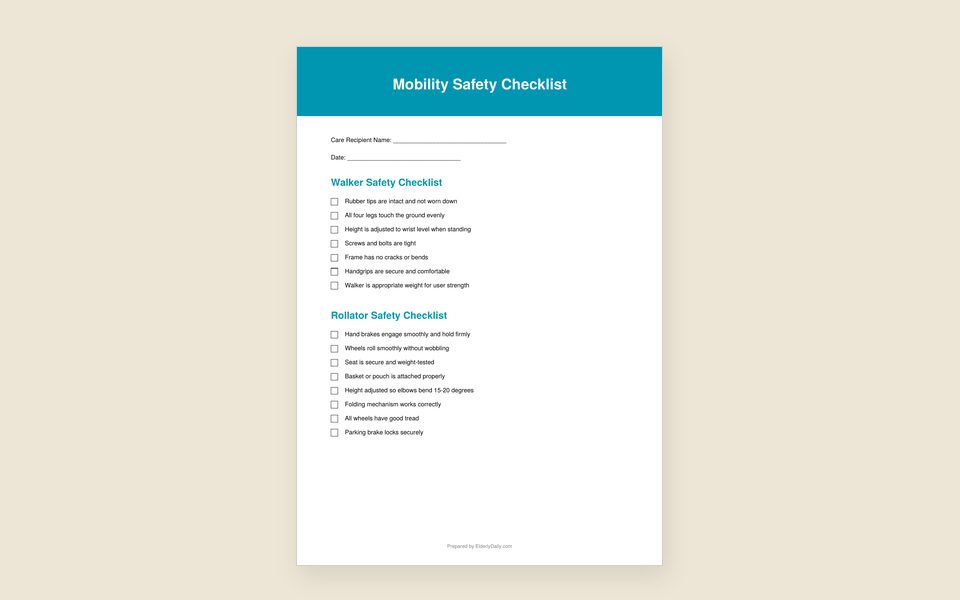
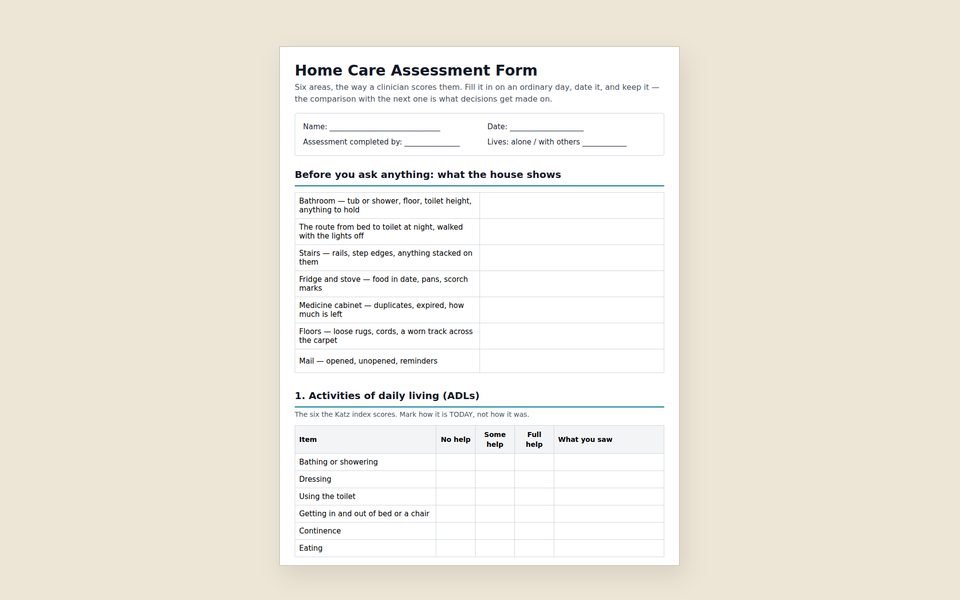
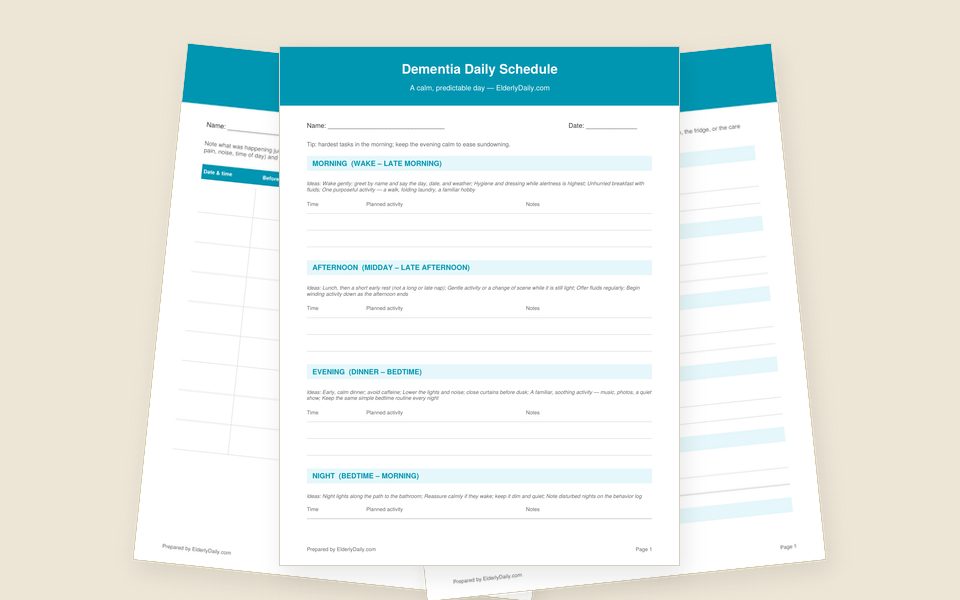
Download this complete room-by-room home safety checklist as a printer-friendly PDF. Perfect for caregivers, discharge planners, and occupational therapists conducting home assessments. Includes all 5 safety categories with checkboxes, emergency contacts section, and priority action planning.
Room-by-Room Safety Checklist
Use this comprehensive checklist to inspect every area of the home. Each section includes specific action items, recommended safety aids, and links to detailed product reviews to help you make informed decisions.
- Install grab bars near shower entrance and inside shower area
- Add grab bars on both sides of toilet for safe transfers
- Place non-slip bath mats inside tub/shower and on bathroom floor
- Use a shower chair or bench if standing is difficult
- Install a handheld showerhead for seated bathing
- Consider a raised toilet seat if sitting/standing is challenging
- Ensure adequate lighting, especially near toilet and shower
- Keep bathroom floor dry and clutter‑free
- Store toiletries within easy reach to avoid overreaching
- Add bed assist rails if getting in/out of bed is difficult
- Place motion‑activated night lights along path to bathroom
- Keep a flashlight or lamp within reach of bed
- Ensure bed height allows feet to touch floor when sitting
- Remove loose rugs or secure them with non‑slip backing
- Keep phone and emergency contacts on nightstand
- Store frequently used items within easy reach
- Ensure clear, wide pathway from bed to bathroom
- Consider a bedside commode for nighttime use if bathroom is far
- Remove or secure all loose rugs and floor mats
- Clear clutter, shoes, and cords from walkways
- Ensure walker or cane is properly fitted and in good condition
- Add handrails on both sides of stairways
- Improve lighting in hallways, especially near stairs
- Mark step edges with contrasting tape if vision is impaired
- Keep frequently used items at waist level to avoid bending
- Ensure furniture is stable and not used for support
- Consider a transfer pole for support when moving between rooms
- Store frequently used items at waist level (no reaching or bending)
- Use reacher/grabber tools to access items on high or low shelves
- Keep step stools out of reach—they increase fall risk
- Ensure good lighting over counters and stove
- Use non‑slip mats in front of sink
- Keep fire extinguisher accessible
- Store heavy items on lower shelves
- Consider adaptive utensils if grip strength is weak
- Keep emergency numbers posted near phone
Helpful Resources:
- Use a pill organizer to manage daily medications
- Keep medication list updated and visible
- Store medications in well‑lit, easy‑to‑reach location
- Consider a medical alert device, especially if living alone
- Post emergency contacts in multiple visible locations
- Keep phone charged and within reach at all times
- Ensure smoke and carbon monoxide detectors are working
- Have a plan for emergencies (falls, medical events)
- Share safety plan with family members and neighbors
Home Safety Inspection Table
This quick‑reference table helps you prioritize safety improvements based on fall risk level. Start with high‑risk areas and work your way through medium and low‑risk zones.
| Area | Risk Level | Quick Fix | Recommended Aid | Learn More |
|---|---|---|---|---|
| Bathroom (Shower/Tub) | High | Install grab bars and non-slip mats | Grab bars + shower chair | View Guide |
| Bathroom (Toilet) | High | Add toilet safety rails or raised seat | Toilet safety rails | View Guide |
| Bedroom (Bed Transfers) | High | Install bed assist rail | Bed rails for elderly | View Guide |
| Hallways (Night) | High | Add motion-activated night lights | Motion sensor night lights | View Guide |
| Stairs | High | Install handrails on both sides | Sturdy handrails + edge marking | View Guide |
| Walking Areas | Medium | Remove loose rugs and clutter | Properly fitted walker or cane | View Guide |
| Kitchen | Medium | Store items at waist level | Reacher grabber tool | View Guide |
| Living Room | Medium | Ensure stable furniture, good lighting | Transfer pole for support | View Guide |
| Bedroom (General) | Low | Clear pathways, secure cords | Bedside lamp + phone | View Guide |
| Emergency Prep | Critical | Post emergency contacts, test devices | Medical alert device | View Guide |
Infographic: Home Fall Prevention Checklist
A visual guide showing the most common fall hazards in each room, with quick‑fix solutions and recommended safety products. Perfect for sharing with family members or posting in the home.
Shareable infographic coming soon
Chart: Top Fall Risk Areas at Home
Data‑driven breakdown of where falls happen most frequently in senior homes, helping caregivers focus their safety efforts on the highest‑risk zones first.
Risk area chart coming soon
Why This Checklist Earns Trust
This comprehensive home safety checklist is designed for real-world use by caregivers, families, and healthcare professionals. Whether you're preparing for a hospital discharge, supporting a parent aging in place, or conducting an occupational therapy home visit, this resource provides actionable steps backed by fall prevention research and caregiver experience.
For Caregivers
Practical, room-by-room guidance that helps you identify and address fall risks before they cause injury. Designed to be printed and used during home assessments.
For Aging in Place
Helps seniors maintain independence at home by addressing safety concerns proactively. Each recommendation supports dignity and autonomy.
For Discharge Planning
Essential for preparing homes before a senior returns from hospital or rehab. Addresses the most common post-surgery fall risks.
For OT Home Visits
Complements occupational therapy assessments with detailed product recommendations and implementation guidance for each safety modification.
Trusted External Resources:
Frequently Asked Questions
The most critical upgrades include installing grab bars in the bathroom, adding motion-activated night lights for nighttime navigation, removing trip hazards like loose rugs, ensuring proper support for bed and toilet transfers, and keeping emergency contacts easily accessible. These five changes address the most common fall scenarios at home.
The bathroom has the highest fall risk due to wet, slippery surfaces combined with frequent transfers (getting in/out of shower, on/off toilet). Falls cause about 80% of bathroom injuries, and getting in and out of the tub or shower and on and off the toilet are among the most common activities involved. Installing grab bars, non-slip mats, and shower chairs significantly reduces this risk.
Conduct a thorough home safety check every 3-6 months, or immediately after any change in mobility, surgery, or hospital discharge. Also reassess when seasons change (winter ice, summer heat) or if new medications affect balance. Regular checks help catch new hazards before they cause falls.
The fastest impact comes from grab bars (bathroom support), motion night lights (visibility during nighttime bathroom trips), non-slip bath mats (shower safety), and properly fitted mobility aids like walkers or canes. These address the most common fall scenarios and can be installed within days.
Yes, this checklist is designed for both caregivers and independent seniors. Those living alone should prioritize medical alert devices, ensure all safety aids are within reach, and share the completed checklist with family or neighbors. Consider scheduling regular check-ins and keeping emergency contacts visible throughout the home.
Need More Caregiver Resources?
Explore our complete library of safety guides, product reviews, and daily care tips for seniors aging at home.
Recommended products
Buying guides that pair well with this page: