
A Dementia Daily Routine for Caregivers

Practical guidance based on dementia-care principles; adapt to the individual’s stage, preferences, and best times of day.
For someone losing their grip on time and memory, a predictable routine is one of the most calming, stabilizing things you can offer. Here is how to build one that reduces confusion and difficult behavior — without becoming a rigid cage.
Key takeaways
- A predictable routine reduces confusion, anxiety, and difficult behavior — it removes the constant question of "what happens next?"
- Anchor the day with consistent wake, meal, activity, and bedtime times.
- Schedule demanding tasks (like bathing) for the person’s best time of day, usually the morning.
- Build in daylight, gentle activity, and rest — which also help sleep and reduce sundowning.
- Stay flexible — the routine is a helpful framework to follow the person’s cues within, not a rigid schedule to enforce.
Quick answer
How do I create a daily routine for someone with dementia?
Anchor the day with consistent times for waking, meals, activities, and bed. Put demanding tasks like bathing at the person’s best time (usually morning), build in daylight and gentle activity earlier in the day and a calm wind-down in the evening, and include rest without long late naps. Keep it flexible — follow the person’s cues on hard days rather than forcing the schedule. A steady rhythm reduces confusion, anxiety, and difficult behaviors like sundowning.
Why routine is so powerful in dementia
Imagine constantly not knowing what time it is, what is supposed to happen next, or whether something frightening is about to occur. That is close to the daily experience of dementia — and it is exhausting and anxiety-provoking. A predictable routine answers that unspoken question of "what happens next?" before it can cause distress, which is why it is one of the most effective, drug-free tools in dementia care.
A steady daily rhythm reduces confusion and anxiety, eases many difficult behaviors, supports better sleep, and helps reduce sundowning. It also makes life more manageable for you, and — because you know what "normal" looks like — helps you notice quickly when something changes. This guide offers a sample structure and the principles to adapt it.
A note on dementia care
A steady routine helps many people feel calmer and more secure, but it does not slow or reverse dementia itself. Any sudden change in confusion, alertness, or behaviour deserves a call to the doctor — it is often a treatable cause (infection, dehydration, pain, or a medication side effect) rather than the dementia.

An ElderlyDaily original
Want the whole thing in one place?
Dementia Caregiver Command Center
- Daily care and medication logs in one place
- Behaviour-pattern tracking, to spot what makes a day harder
- Safety pages and caregiver handoff sheets for family and respite helpers
One-off purchase. Instant download.
Fillable PDF · US Letter + A4

Sponsored Pick
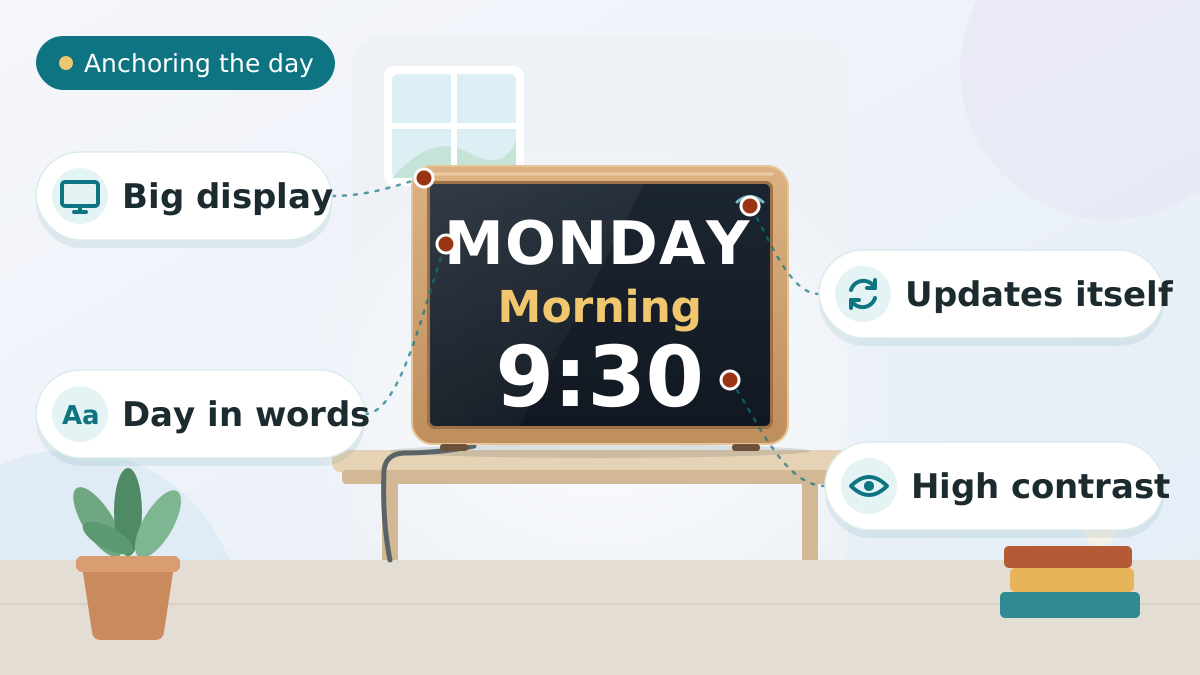
American Lifetime Day Clock
Seniors who need a clear, large-print day-and-date clock they can read across a room
Check PriceThe principles behind a good routine
Before the sample schedule, a few guiding ideas that make any routine work:
- Consistency — keep the main anchors (wake, meals, activities, bed) at similar times each day; the predictability is the point.
- Best time of day — most people with dementia function best in the morning, so schedule demanding or important tasks then.
- Balance activity and rest — meaningful activity and daylight, alternated with rest, without long or late naps that disturb night sleep.
- Calm evenings — wind down as the day ends to counter sundowning.
- Follow their lead — adapt the routine to the person’s preferences and lifelong habits (an early riser stays an early riser), and to how they are on any given day.
A sample morning
Mornings, when the person is usually at their best, are the time for personal care and engaging activity:
- Consistent wake time, then a calm, unhurried start.
- Personal care — dressing (lay out clothes in order, offer simple choices) and bathing if it is a bath day; keep it gentle and dignified, at their best time. See dementia care at home for approach tips.
- A good breakfast and any morning medications, given consistently — see medication management.
- Daylight and a meaningful morning activity — a walk, time outdoors, or an engaging activity while energy and focus are highest.
Good to know
Front-load the hard stuff. Bathing, appointments, and anything demanding go best in the morning when the person is freshest — attempting them late in the day invites resistance and distress.
A sample afternoon
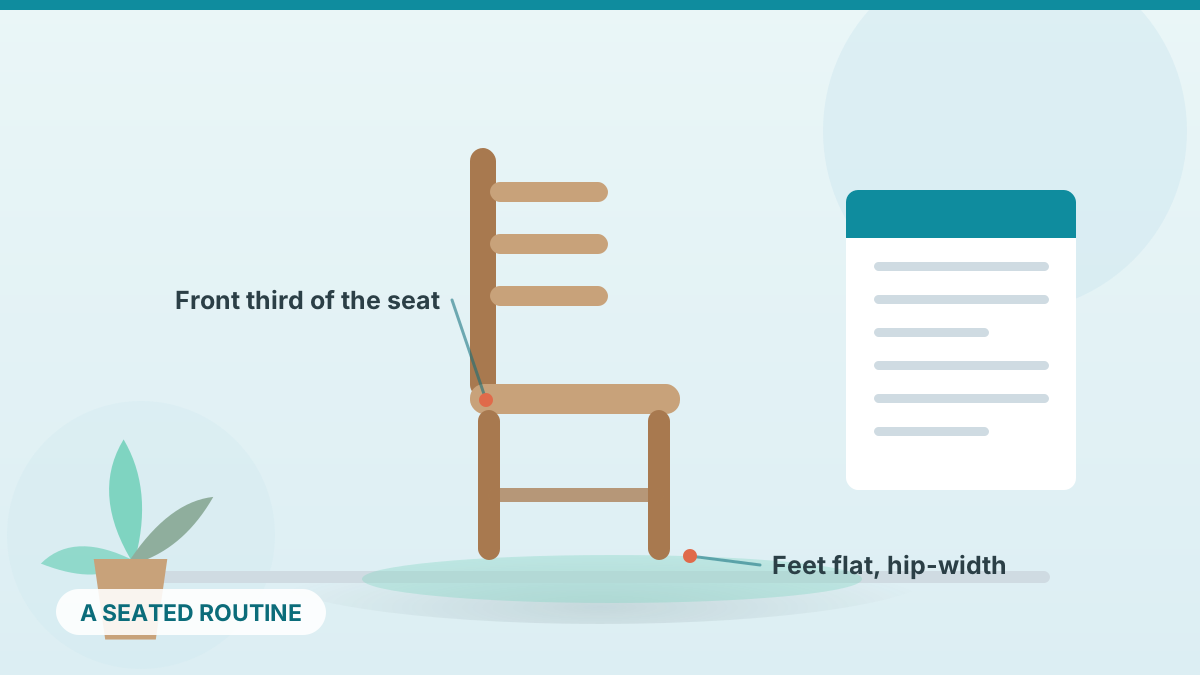
Afternoons balance a midday meal, gentle activity, and rest — with care not to over-nap:
- Lunch at a consistent time, kept simple and unhurried.
- A short rest if needed — early and brief, to avoid stealing night-time sleep or worsening evening confusion.
- Gentle afternoon activity — something calmer than the morning: music, a simple puzzle or activity, looking at photos, or light chores that give a sense of purpose.
- Begin easing the pace as the afternoon wears on, anticipating the late-day dip.
A sample evening
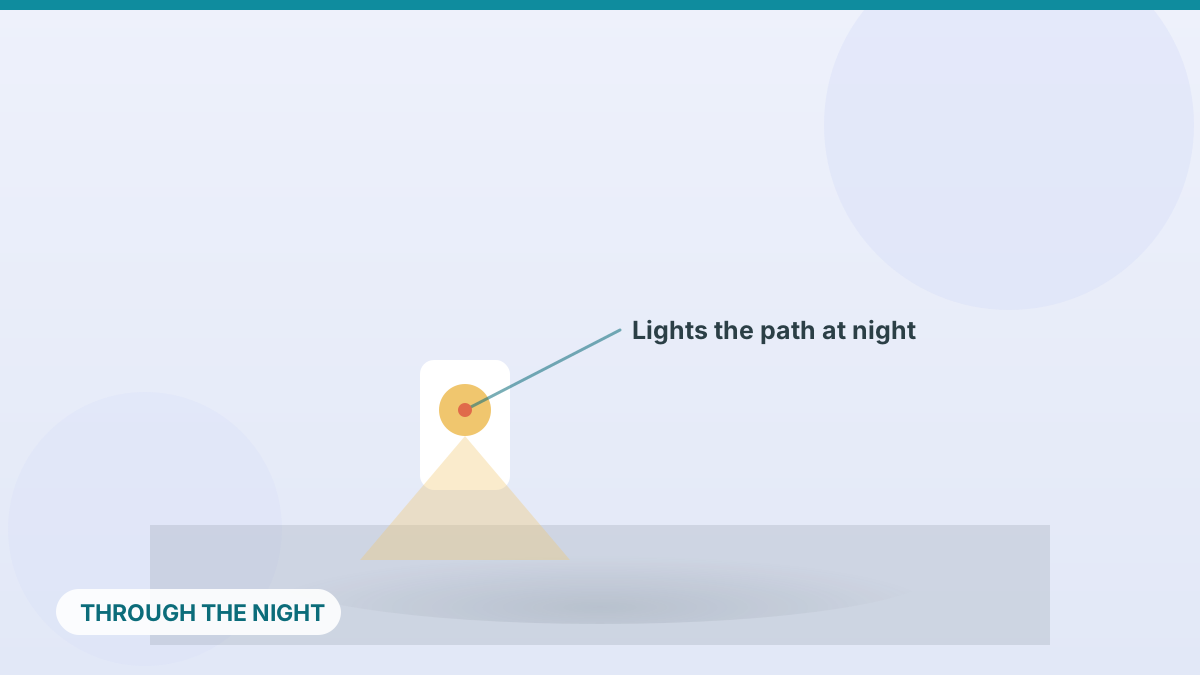
Evenings should be calm and predictable, actively guarding against sundowning and setting up good sleep:
- Brighten the home before dusk and keep the evening low-key — reduced noise and activity — to soften sundowning.
- A simple, calm dinner and evening medications at consistent times.
- A soothing pre-bed routine — the same gentle sequence each night (a warm drink, quiet music, dim lights) that signals sleep is coming.
- A comfortable, safe bedroom with night lighting and a clear path — see safe bedroom setup and dementia sleep problems.
Staying flexible (and sane)
A routine is a helpful framework, not a rigid cage — and holding it too tightly causes stress for everyone. Keep perspective:
- Follow the person’s cues. On a hard day, comfort and calm matter more than sticking to the schedule; adapt rather than force.
- Expect the routine to evolve as the dementia progresses and abilities change — revisit it periodically; see signs dementia is getting worse.
- Keep it realistic for you. The routine should also fit your life and energy; build in your own breaks and share care where you can — see preventing caregiver burnout.
- Don’t aim for perfect. A generally predictable rhythm delivers most of the benefit; you do not need a minute-by-minute timetable.
Frequently asked questions
Why is a daily routine important for someone with dementia?
A predictable routine answers the constant, exhausting question of "what happens next?" before it causes anxiety, which reduces confusion and many difficult behaviors, supports better sleep, and helps reduce sundowning. It also makes caregiving more manageable and helps you notice quickly when something changes from the person’s normal.
How do I create a daily routine for a dementia patient?
Anchor the day with consistent wake, meal, activity, and bedtime times; put demanding tasks like bathing at the person’s best time (usually morning); build in daylight and gentle activity earlier in the day and a calm wind-down in the evening; and include early, short rests rather than long late naps. Adapt it to their lifelong habits and stay flexible day to day.
What time of day is best for difficult tasks like bathing?
Usually the morning, when most people with dementia are at their best and most cooperative. Attempting demanding tasks late in the day, when fatigue and sundowning set in, tends to cause resistance and distress. Front-loading personal care, appointments, and anything challenging into the morning makes the day smoother.
Should the routine for someone with dementia be strict?
No — the routine is a helpful framework to follow the person’s cues within, not a rigid schedule to enforce. Consistency in the main anchors matters, but on a hard day comfort and calm come before sticking to the timetable. Aim for a generally predictable rhythm rather than a minute-by-minute plan.
How can a routine help with sundowning?
A consistent routine supports the body clock and reduces the confusion and fatigue that feed sundowning. Building in daylight and activity earlier in the day, avoiding long late naps, brightening the home before dusk, and keeping evenings calm and low-key all help soften the late-day agitation. See our dementia and sundowning guide for more.
How does the routine change as dementia progresses?
Abilities and needs change over time, so the routine should evolve — simplifying tasks, adjusting activity levels, and adapting personal care as the person requires more help. Revisit the routine periodically and follow the person’s current cues, and keep it realistic for you as the caregiver, building in your own breaks and support.
Sources
- National Institute on Aging (NIH). Managing Personality and Behavior Changes in Alzheimer's
- National Institute on Aging (NIH). Coping With Agitation, Aggression, and Sundowning in Alzheimer's Disease
- National Institute on Aging (NIH). Managing Sleep Problems in Alzheimer's Disease
