
5 Best Night Lights for Seniors
 By Kutubuddin, Founder & Senior Care Researcher Updated October 2026
In this guide
 Best OverallGE Motion-Activated LED Night Light (Multi-Pack)
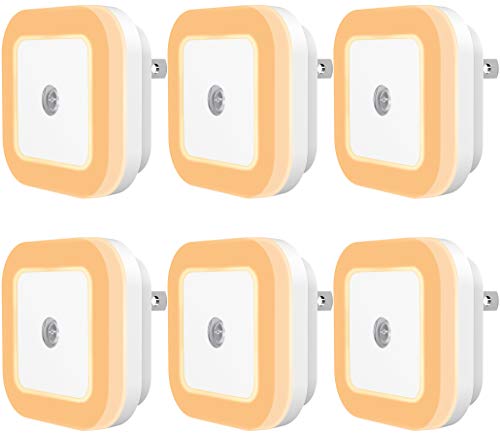 Best for Sleep (Warm Glow)Sycees Plug-In Warm-White Dusk-to-Dawn Night Light
 Best Battery (Place Anywhere)Mr. Beams Wireless Motion-Sensor LED Light
 Best for the Bedside PathVansky Under-Bed Motion-Activated Light
 Best for the BathroomAilun Motion-Sensor Toilet Night Light
- What to look for
- Frequently asked questions
A significant share of falls in older people happen overnight, often on a trip to the bathroom. Many older adults get up at least once a night to use the toilet, and frequent nighttime trips are linked to a higher risk of falling.
We may earn a commission when you buy through links on this page. Read our affiliate disclosure.
Top 5 Picks — Find Your Situation
#1 · Best Overall
GE Motion-Activated LED Night Light (Multi-Pack)Best for: Most seniors who want hands-free, plug-in lights along a hallway or path
#2 · Best for Sleep (Warm Glow)
Sycees Plug-In Warm-White Dusk-to-Dawn Night LightBest for: Seniors who want a steady, sleep-friendly glow that won't disrupt rest
#3 · Best Battery (Place Anywhere)
Mr. Beams Wireless Motion-Sensor LED LightBest for: Stairs, closets, and any spot without a nearby outlet
#4 · Best for the Bedside Path
Vansky Under-Bed Motion-Activated LightBest for: Lighting the floor the moment a senior gets out of bed
#5 · Best for the Bathroom
Ailun Motion-Sensor Toilet Night LightBest for: Targeting the toilet at night without a bright overhead light
Two things matter most: motion activation, so the light comes on hands-free and goes off again afterward, and a warm, low colour temperature — the light that most suppresses melatonin sits around 464 to 468 nanometres, the blue end, while wavelengths above roughly 560nm barely touch it. In practice: below 2000K for deep amber, 2000-3000K for warm white, nothing above 3000K on a route walked at 3am.
Our overall pick is the GE Motion-Activated LED Night Light. Below, five options covering the whole route — bedside, hallway, bathroom and stairs.
A closer look at our top pick: the GE Motion-Activated LED Night Light
GE Motion-Activated LED Night Light (Multi-Pack)
Best for: Most seniors who want hands-free, plug-in lights along a hallway or path
- Power
- Plug-in (no charging)
- Activation
- Motion sensor (auto on/off)
- Light
- Soft LED glow
- Coverage
- Multi-pack for whole path
Independently researched · Updated October 2026
The GE motion light wins because it nails the fundamentals for a senior path light. It plugs into an outlet so it never needs charging, and its motion sensor lights up as the person approaches and switches off after they pass — no switch to find in the dark, and no glare burning all night. The soft LED glow is easy on the eyes, and because it comes in multi-packs, you can light the bedside, hallway, and bathroom without spending much.
It's the kind of simple, reliable device that just works, which is exactly what matters for nighttime safety. It does need an outlet where you want light, and placement of the sensor matters, but for the main indoor path it's the most practical, foolproof choice — and you can fill the gaps it can't reach with battery lights.
What we love
- Hands-free convenience
- Reliable plug-in power
- Gentle light
- Affordable in multi-packs
Things to consider
- Needs an outlet where you want light
- Sensor range and angle matter for placement
- Some find them a touch bright — aim low and warm
Right for you if
- ✓You want hands-free lighting along a hallway or path
- ✓You have outlets where you need the light
- ✓You'd like to cover several spots affordably
- ✓You prefer plug-in simplicity over charging
Maybe skip it if
- !There's no outlet where you need light — the Mr. Beams battery light fits
- !You want the warmest sleep-friendly glow — choose the Sycees
- !You want to light the floor at the bedside — the under-bed strip is ideal
What owners consistently report
Common praise
- +Owners value the reliable motion sensor and soft light
- +Plug-in simplicity is a frequent plus
- +Multi-packs make covering the home easy
Common gripes
- –Sensor range and angle affect how well it triggers
- –Some find them a little bright — aim low and warm
- –It needs an available outlet
Getting started
- →Plug them in low, along the path, pointing the sensor at the walkway
- →Test the motion range and adjust placement
- →Fill outlet-free spots like stairs with battery lights
How it compares
The Sycees warm dusk-to-dawn light is the better choice when protecting sleep is the priority — its warm amber glow is the gentlest on melatonin and night vision, and it runs automatically all night. The GE is more convenient as a hands-free motion light that only comes on when needed. Choose the Sycees for the softest steady glow, the GE for motion-activated path lighting.
How we picked
We compared senior night lights on what matters for safe nighttime movement: motion activation and sensor reliability, light color and glare (warm versus harsh), brightness, power source (plug-in, battery, or rechargeable), placement flexibility, and automatic on/off. Our picks draw on manufacturer specs, fall-prevention and sleep guidance, and owner feedback — not hands-on lab testing. We favored motion-activated, warm-toned lights, since they light the path without disturbing sleep.
Reviewed by Kutubuddin — who researches senior-care products and the real-world needs of caregivers and older adults.
Other picks, reviewed
Sycees Plug-In Warm-White Dusk-to-Dawn Night Light
The gentlest option for protecting sleep. Its warm light is easy on the eyes and less disruptive to melatonin than bright white light, and a built-in light sensor turns it on at dusk and off at dawn automatically. Low-glare and energy-efficient, it gives a steady, reassuring glow that lights the way without disturbing rest.
What we like
- Warm light is gentler on sleep and night vision
- Automatic dusk-to-dawn operation
- Low-glare and gentle
- Very low energy use
Keep in mind
- Stays on all night (not motion-activated)
- Fixed brightness on basic models
- Needs an outlet
- Color
- Warm amber (sleep-friendly)
- Activation
- Dusk-to-dawn light sensor
- Glare
- Low
- Power
- Plug-in, energy-efficient
- Pack
- Multi-pack available
Mr. Beams Wireless Motion-Sensor LED Light
The choice for spots with no outlet. Battery-powered and motion-activated, it sticks or mounts anywhere — closets, stairwells, hallways, and dark corners — and lights up brightly the moment someone approaches. Ideal for the places a plug-in light can't reach, especially the top and bottom of stairs.
What we like
- Goes anywhere — no outlet required
- Motion-activated and bright
- Easy peel-and-stick mounting
- Great for stairwells
Keep in mind
- Batteries need replacing
- Brighter and cooler than a warm glow
- Less discreet than a plug-in
- Power
- Battery (no outlet needed)
- Activation
- Motion sensor
- Mounting
- Stick or screw anywhere
- Light
- Bright path light
- Best for
- Stairs and dark corners
Vansky Under-Bed Motion-Activated Light
Built for the most common nighttime scenario: the first step out of bed. This motion-activated LED strip mounts under the bed and lights the floor the instant feet swing down, with a soft glow and an auto-off timer. It illuminates exactly where the person steps without lighting the whole room or waking a partner.
What we like
- Lights the floor at the first step
- Won't wake a sleeping partner
- Soft, low glow with auto-off
- Targets the exact danger zone
Keep in mind
- Only covers the bedside floor
- Needs recharging or batteries
- Mounting takes a few minutes
- Type
- Under-bed motion LED strip
- Activation
- Motion sensor + auto-off
- Light
- Soft floor-level glow
- Placement
- Mounts under the bed frame
- Power
- Battery or USB-rechargeable
Ailun Motion-Sensor Toilet Night Light
A small, clever light for the bathroom. It clips to the toilet and motion-activates a soft, colored glow inside the bowl, so a senior can find and use the toilet at night without flipping on a harsh overhead that wakes them fully. An easy, inexpensive add that targets the bathroom — where so many nighttime trips end up.
What we like
- Lights the toilet without a harsh overhead
- Motion-activated and gentle
- Cheap and easy to fit
- Helps with aim and orientation
Keep in mind
- Lights only the toilet, not the path
- Batteries need replacing
- Some color modes are too bright — keep it soft
- Type
- Toilet bowl night light
- Activation
- Motion sensor
- Light
- Soft, low glow (color options)
- Mounting
- Clips onto the bowl
- Power
- Battery
What to look for
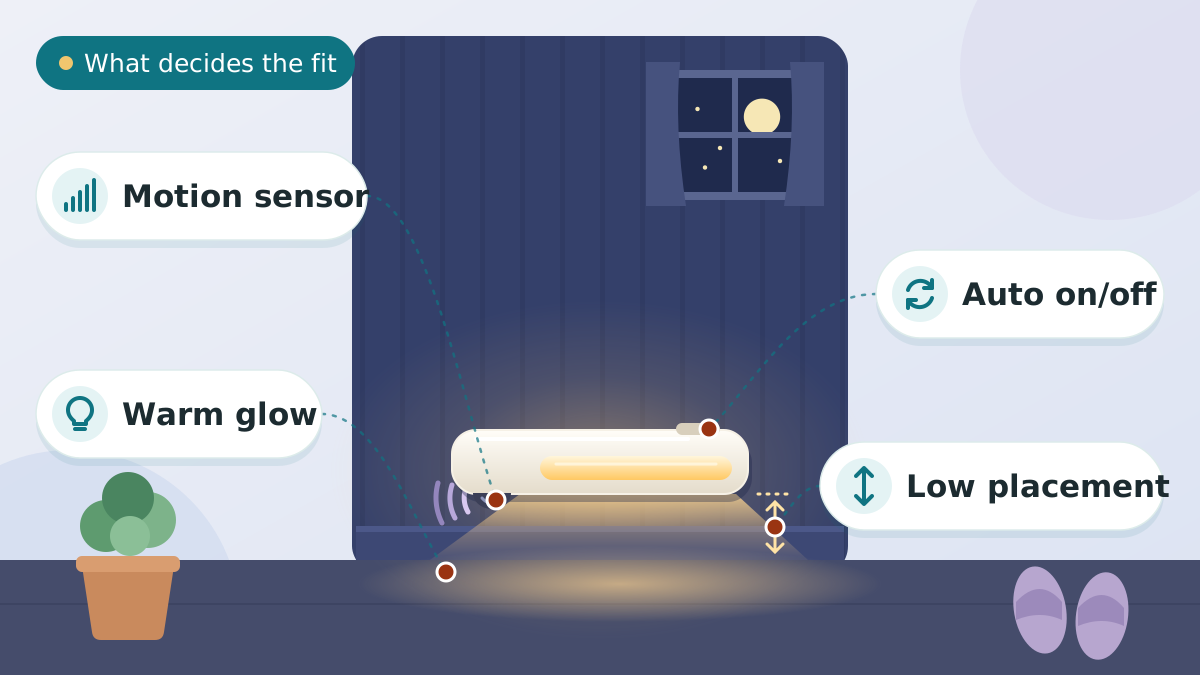
Motion-activated is best for seniors
For a senior moving around at night, a motion light is far safer than a switched one.
It turns on automatically the moment the person gets up and off again after they pass, so there's no fumbling for a switch in the dark and no light burning all night. That hands-free operation is exactly what you want for the path to the bathroom — the single most common route for nighttime falls.
Choose a warm, soft glow — not harsh white
Light color matters more than people expect, and this is a genuine health point, not just preference.
Bright white or bluish light at night suppresses melatonin and disrupts sleep, and harsh light can dazzle and worsen night vision in older eyes. Choose a warm amber or soft-white, low-glare light that's just bright enough to see the path — it guides the way without fully waking the person or hurting their ability to see in the dark.
Brightness and glare
Aim for enough light to see the floor and any obstacles, but no more.
A light that's too bright wakes the person and dazzles them; downward-facing or diffused light avoids glare, and some models are dimmable so you can dial it in. The goal is a soft pool of light at floor level, not a bright beam at eye level.
Power: plug-in, battery, or rechargeable
Match the power source to where you need light.
Plug-in lights never need charging but require an outlet, so they suit hallways and rooms with sockets. Battery or rechargeable lights go anywhere — closets, stairwells, and spots without outlets — but you'll need to recharge or replace batteries. Many homes use a mix of both.
Placement: light the whole path
One light isn't enough; light the actual route the person takes at night.
- Bedside and the floor beside the bed (an under-bed motion light is ideal for the first step).
- The hallway between the bedroom and bathroom.
- The bathroom — and the toilet itself.
- Especially the top and bottom of any stairs, where a fall is most dangerous.
Read more:Dementia and SundowningDementia Home Safety Guide 2025
What "warm" means as a number
Every night light sold to seniors is described as warm, soft or gentle. None of those are specifications. The one on the box that matters is colour temperature in Kelvin:
- Under 2000K — deep amber and red. The least disruptive to sleep, and the right choice for a bedroom or a bedside path.
- 2000–3000K — warm white. A sensible compromise for hallways and landings where you need to see edges and steps clearly.
- 3100–4500K — cool white. Alerting. Wrong for night-time.
- 4600K and above — daylight. Wrong for night-time by a wide margin.
The biology behind the numbers is well established. Melatonin suppression peaks at light of about 464 to 468 nanometres, in the blue part of the spectrum, and falls away sharply above roughly 560 nanometres. Cool white LED lamps tend to suppress melatonin more than warm white ones. In a direct comparison, people under red light at night recovered their melatonin within two hours while those under blue light stayed suppressed.
One honest caveat specific to older eyes: the lens yellows with age and absorbs more short-wavelength light, so an 80-year-old is somewhat less affected by blue light than a child would be. That does not change the recommendation, because the second argument gets stronger as the first weakens — an ageing lens scatters light rather than focusing it cleanly, so a bright point source at night produces glare that makes the floor harder to see, not easier. Warm and dim wins on both counts.
Check it is UL or ETL listed
A night light is an electrical device left plugged in, unattended, all night, in the bedroom of someone who may not wake or move quickly. It is the one thing on this page where certification is a safety question rather than a quality one, and the category has the recall history to prove it.
- AmerTac recalled about 227,000 LED night lights in March 2012, according to the CPSC, after 25 reports of them smoking, burning, melting or charring, caused by an electrical short circuit that let the unit overheat.
- That was their third recall in three years — about 261,000 units in February 2011, and about 272,000 Forever-Glo cylinder night lights in November 2010, both for the same fault.
- Energizer recalled its Light On Demand wallplate night lights because the unit could overheat, and specifically noted the risk rose when other devices were plugged into its pass-through outlets.
So: look for a UL or ETL mark moulded into the back of the unit before you buy. Be wary of pass-through models that give you the socket back if a lamp, heater or medical device will share that outlet. Replace night lights that have been in the wall for years rather than running them indefinitely. And if a light is warm to the touch, discoloured around the vents, or flickering, unplug it and throw it out — those are the symptoms described in every one of the recalls above.
Tips to Choose Night Lights
Short on time? Here are the key points to weigh before choosing, each covered in detail above:
- Motion-activated is best for seniors
- Choose a warm, soft glow — not harsh white
- Brightness and glare
- Power: plug-in, battery, or rechargeable
- Placement: light the whole path
Comparing options? See our guides to Best Medical Alert Devices for Seniors, Best Ai Ambient Fall Detection Sensors, and Best Door Alarms for Dementia Patients.
Lighting is one of the cheapest fall-prevention wins
Around a quarter of falls in older people happen overnight, and most of those happen on the way to the bathroom — a far tighter pattern than daytime falls, where under a fifth involve toileting. Lighting that one route addresses the single most predictable fall scenario there is, and it does it for the price of a few night lights.
Combine it with a clear, clutter-free path, grab bars where support is needed, and a bedside fall mat to cushion a fall if one happens. For a high fall-risk senior, add a bed alarm so a caregiver knows when they get up. Our nighttime falls guide ties it all together.
Light, sleep, and orientation
Good night lighting does double duty — it guides the way and protects sleep at the same time.
Warm, dim light lets a senior see without the melatonin-disrupting effect of bright overheads, so keep big lights off at night. For someone with dementia, consistent low lighting can reduce nighttime confusion and the disorientation that leads to wandering, so keep the lights and the path the same from night to night. If wandering is a concern, pair lighting with a monitoring setup.
Frequently asked questions
A motion-activated, warm-toned LED light is best for most seniors. Motion activation means it turns on hands-free as they get up and off afterward, so there's no switch to find and no light all night, while a warm glow protects sleep and night vision. Plug-in versions suit hallways with outlets; battery or rechargeable ones cover stairs and spots without sockets.
Yes — they can be a sensible option, precisely because they remove the need to find a switch in the dark. The light comes on automatically as the person moves, lighting their path immediately. Place them so the sensor faces the walkway and the light pools at floor level, and choose a warm, low-glare model so the sudden light doesn't dazzle or fully wake them.
Light the whole route a senior takes at night: beside the bed and on the floor where they first step, along the hallway to the bathroom, in the bathroom and at the toilet itself, and — most importantly — at the top and bottom of any stairs. Stairs are where a fall is most dangerous, so never leave them dark. Use enough lights to avoid dark gaps along the path.
It helps, and the reason is specific rather than general. About a quarter of falls in older people happen overnight, and the majority of those occur on a bathroom trip, against under 20 percent of daytime falls — so night-time falls cluster on one predictable route in a way daytime falls do not. Lighting that route is among the simplest fall-prevention measures available. Good lighting helps a senior see obstacles, judge steps, and stay oriented. It works best alongside clear walkways, grab bars where needed, and a fall mat by the bed.
Bright enough to clearly see the floor and obstacles, but no brighter. Too much light dazzles older eyes, hurts night vision, and disrupts sleep, while too little leaves hazards hidden. A soft, warm glow at floor level is ideal. If a light feels harsh or wakes the person, choose a dimmer or warmer one, or a dimmable model you can adjust.
It depends on the type. A warm, dim dusk-to-dawn light can stay on all night without much disruption and provides a constant gentle guide. A motion-activated light only comes on when needed, which saves energy and keeps the room darker for better sleep. Many homes use a steady warm light in the bathroom and motion lights along the path.
Each suits different spots. Plug-in lights never need charging and are great near outlets, like hallways and bedrooms. Battery or rechargeable lights can go anywhere — closets, stairwells, and places without sockets — but require recharging or new batteries periodically. The best approach is usually a mix: plug-ins where you have outlets, battery lights where you don't.
Bright or bluish light can, by suppressing melatonin and signaling wakefulness — which is why warm, dim lighting matters. A warm amber night light provides enough to see by without the sleep-disrupting effect of white or blue light, and motion lights keep the room dark except when the person is actually up. Avoid bright overhead lights during nighttime trips.
Enough to light the entire path without dark gaps — typically several. A common setup is one at the bedside or under the bed, one or two in the hallway, one in the bathroom plus a toilet light, and a light at each end of any stairs. Walk the route in the dark yourself and add lights wherever you can't see clearly.
Barely. Modern LED night lights use very little power — often a fraction of a watt — so even several running all night add only a negligible amount to an electricity bill. Motion-activated and dusk-to-dawn models use even less, since they're only on when needed. The energy cost is tiny compared with the value of a well-lit path at night.
The final verdict
For most seniors, the GE Motion-Activated LED Night Light is the best choice — hands-free, plug-in, and affordable in multi-packs. Choose the Sycees warm dusk-to-dawn light for the gentlest sleep-friendly glow, Mr. Beams battery lights for stairs, closets, and anywhere without an outlet, a Vansky under-bed light for the first step out of bed, or an Ailun toilet light for the bathroom. Two rules guide it: pick motion-activated and warm-toned, and light the whole path — bedside, hallway, bathroom, and especially the stairs. It's one of the simplest, lowest-cost ways to help make nighttime trips safer.
Our overall winner is the GE Motion-Activated LED Night Light (Multi-Pack). You can check the current price on Amazon.
Our Top 5 Picks at a Glance
Ready to choose? Here are the top 5 again.
Best Overall
GE Motion-Activated LED Night Light (Multi-Pack)
Best for Sleep (Warm Glow)
Sycees Plug-In Warm-White Dusk-to-Dawn Night Light
Best Battery (Place Anywhere)
Mr. Beams Wireless Motion-Sensor LED Light
Best for the Bedside Path
Vansky Under-Bed Motion-Activated Light
Best for the Bathroom
Ailun Motion-Sensor Toilet Night Light
Affiliate links — we may earn a commission.
