
7 Best Slip-On Shoes for Seniors
 By Kutubuddin, Founder & Senior Care Researcher Updated October 2026
In this guide
 Best overallSkechers Slip-ins: Go Walk Arch Fit 2.0
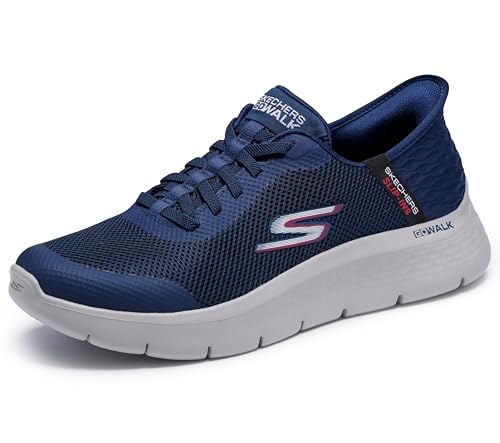 Best truly hands-freeSkechers Slip-ins: Go Walk Flex Hands Up
 Best sporty / most reviewedAdidas Lite Racer Adapt 4.0
 Best orthopedic / diabeticOrthofeet Edgewater Stretch Knit
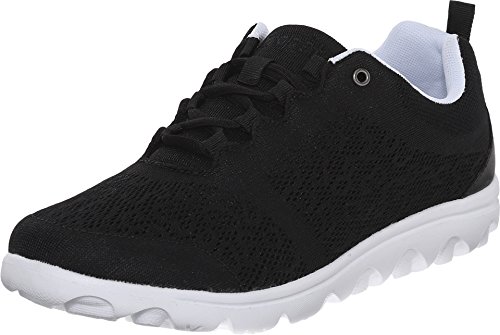 Best washable everyday pickPropét TravelActiv Slip-On
 Best budgetDr. Scholl’s Madison Cloud
 Best built-in arch supportVionic Kimmie Perf Slip-On Sneaker
- What to look for
- Frequently asked questions
For most seniors, the Skechers Slip-ins Go Walk Arch Fit 2.0 is the best slip-on shoe — genuine arch support you step straight into, no bending, no shoehorn, still a normal-looking sneaker. The right pick depends on the problem: weak hands point to the hands-free Go Walk Flex, swelling or diabetes to Orthofeet's seamless design, a tight budget to Dr. Scholl's.
Across every pick we stuck to closed-heel shoes with a firm heel counter and a grippy sole — easy to put on but no rearfoot support just trades one risk for another. Footwear lowers fall risk but can't eliminate it, so many families also set up a monitoring system that triggers an alert if a fall happens.
We may earn a commission when you buy through links on this page. Read our affiliate disclosure.
Our Top Pick
Skechers Slip-ins: Go Walk Arch Fit 2.0
The best all-around choice for most seniors: podiatrist-style arch support in a shoe you step straight into, with no bending and no shoehorn.
- Arch Fit insole delivers genuine podiatrist-designed support
- Step in without bending or using your hands
- Looks like a normal sneaker, not a medical shoe
- Men’s and women’s, in multiple widths
Closure
Slip-in (hands-free)
Tier
Mid
Top 7 Picks — Find Your Situation
- Skechers Slip-ins: Go Walk Arch Fit 2.0Best overall
Best forMost seniors who want real arch support and easy, no-bend entry in an everyday shoe
- Arch Fit insole delivers genuine podiatrist-designed support
- Step in without bending or using your hands
- Looks like a normal sneaker, not a medical shoe
Watch out: Arch support feels firm for the first few wears
- Skechers Slip-ins: Go Walk Flex Hands UpBest truly hands-free
Best forSeniors with arthritis, weak grip, or limited bending who need true no-hands entry
- Genuinely hands-free — no bending or shoehorn
- Firm heel counter holds the foot securely
- Lightweight and flexible for easy walking
Watch out: Casual look may not suit dressier outfits
- Adidas Lite Racer Adapt 4.0Best sporty / most reviewed
Best forActive seniors wanting a light, comfy sporty slip-on for indoor and solid-ground walking
- A strong track record of positive owner reviews
- Very lightweight and comfortable
- Elastic strap — no laces to tie
Watch out: Not built for traction on wet or uneven ground
- Orthofeet Edgewater Stretch KnitBest orthopedic / diabetic
Best forSeniors with diabetes, neuropathy, bunions, or swelling who need seamless, extra-depth fit
- Seamless interior helps prevent friction sores
- Extra depth and removable insoles fit custom orthotics
- Non-binding upper protects circulation
Watch out: Premium price
- Propét TravelActiv Slip-OnBest washable everyday pick
Best forCaregivers buying an easy, washable, true slip-on everyday shoe with roomy widths for a parent
- True slip-on — stretch-gore entry, no laces to tie
- Machine-washable engineered mesh
- Wide and extra-wide widths for swelling
Watch out: Less arch support than the orthopedic picks
- Dr. Scholl’s Madison CloudBest budget
Best forBudget-minded shoppers who want a reliable, closed-heel everyday pair
- Affordable everyday price
- Cushioned comfort from a familiar brand
- Closed heel — safer than backless styles
Watch out: Standard width only
- Vionic Kimmie Perf Slip-On SneakerBest built-in arch support
Best forSeniors with plantar fasciitis or flat feet who need strong built-in arch support
- Podiatrist-designed arch support built in
- Closed back for real stability
- Strong for plantar fasciitis and flat feet
Watch out: Premium price
Skechers Slip-ins: Go Walk Arch Fit 2.0
Most seniors who want real arch support and easy, no-bend entry in an everyday shoe
For most seniors this is the right first pair, because it solves the two things that actually matter at once: real support and effortless entry. The Arch Fit insole delivers podiatrist-style arch support, and the Slip-ins heel lets you step straight in — no bending, no shoehorn, no fighting with laces.
Crucially, it does all that while looking like an ordinary sneaker rather than a medical shoe, which is a big part of why people keep wearing it. It comes in men's and women's versions and multiple widths, so a proper fit is realistic rather than a compromise.
What we love
- Arch Fit insole delivers genuine podiatrist-designed support
- Step in without bending or using your hands
- Looks like a normal sneaker, not a medical shoe
- Men’s and women’s, in multiple widths
Things to consider
- Arch support feels firm for the first few wears
- Costs more than the budget picks
Right for you if
- ✓You want genuine arch support, not just a soft slipper
- ✓Bending down or using your hands to put shoes on is hard
- ✓You'd rather not wear anything that looks 'medical'
Maybe skip it if
- !You need a dressier shoe for formal outfits
- !You prefer the softest possible footbed and dislike firm support
- !You're on the tightest budget and don't need premium support
What owners consistently report
Common praise
- +The hands-free entry genuinely works — step in and go
- +The arch support is real and noticeable, not token cushioning
- +It passes as a normal sneaker, so people actually wear it
Common gripes
- –The firm arch support takes a few wears to break in
- –It costs more than basic budget slip-ons
- –Get the width right — supportive shoes are less forgiving if too narrow
Getting started
- →Order your usual size, and size up a half if you're between sizes
- →Wear them in short sessions at first while the arch support breaks in
- →Check the insole sits flat before the first wear
How it compares to our runner-up
Our runner-up, the Skechers Slip-ins: Go Walk Flex Hands Up, is the truly hands-free specialist — built so the heel pops back into place on its own, which is the pick for arthritis, a weak grip, or very limited bending, at the cost of a more casual look. Choose the Arch Fit 2.0 when support is the priority in an everyday shoe; choose the Flex Hands Up when no-hands entry is the single most important thing.
How we picked
We compared 7 options. Our picks are based on manufacturer specifications, podiatrist and fall-prevention guidance, and verified customer reviews — not independent lab testing. We prioritized what matters most for older feet and balance: a firm heel counter for rearfoot support, a grippy textured outsole, easy entry without deep bending, accommodating widths, and room for swelling or orthotics. We deliberately excluded backless mules and open-heel styles. If your parent has diabetes, neuropathy, or balance problems, confirm fit with a healthcare provider before buying.
Reviewed by Kutubuddin — who researches senior-care products and the real-world needs of caregivers and older adults.
Our picks, reviewed
Skechers Slip-ins: Go Walk Arch Fit 2.0
The best all-around choice for most seniors: podiatrist-style arch support in a shoe you step straight into, with no bending and no shoehorn. It covers the most common need — support plus easy entry — without looking like a medical shoe, which is exactly why it’s the right anchor and the pair most people should start with. Available in men’s and women’s and multiple widths.
What we like
- Arch Fit insole delivers genuine podiatrist-designed support
- Step in without bending or using your hands
- Looks like a normal sneaker, not a medical shoe
- Men’s and women’s, in multiple widths
Keep in mind
- Arch support feels firm for the first few wears
- Costs more than the budget picks
- Closure
- Slip-in (hands-free)
- Tier
- Mid
Skechers Slip-ins: Go Walk Flex Hands Up
The strongest pick when bending or grip is the real barrier — after a hip replacement, or with arthritic hands. The Slip-ins heel lets the foot drop in and pop up with no hands and no shoehorn, while keeping a heel counter firm enough to stay safe once it’s on. If easy entry is the whole reason you’re shopping, this is the one.
What we like
- Genuinely hands-free — no bending or shoehorn
- Firm heel counter holds the foot securely
- Lightweight and flexible for easy walking
- Ideal for hip-replacement recovery and arthritic hands
Keep in mind
- Casual look may not suit dressier outfits
- Heel pop-back takes a wear or two to get used to
- Closure
- Slip-in (hands-free)
- Tier
- Mid
Adidas Lite Racer Adapt 4.0
The pick for active seniors who want a light, sporty slip-on with a huge track record — a strong track record of positive owner reviews. An elastic strap holds the foot with no laces to tie. One honest caveat for the page: it isn’t known for traction or durability, so it’s best for indoor walking, the mall, and dry pavement rather than wet or uneven ground.
What we like
- A strong track record of positive owner reviews
- Very lightweight and comfortable
- Elastic strap — no laces to tie
- Easy on and off
Keep in mind
- Not built for traction on wet or uneven ground
- Less durable than premium walking shoes
- Best kept to solid, dry surfaces
- Closure
- Elastic strap
- Tier
- Budget–mid
Orthofeet Edgewater Stretch Knit
The pick for problem feet — diabetes, neuropathy, bunions, or chronic swelling. Seamless interiors remove the friction points that cause sores, the non-binding upper protects circulation, and the extra depth plus wide and extra-wide widths leave room for swelling or your own orthotics (the insoles are removable). It’s the most genuinely medical option here, in the best sense.
What we like
- Seamless interior helps prevent friction sores
- Extra depth and removable insoles fit custom orthotics
- Non-binding upper protects circulation
- Wide and extra-wide widths for swelling
Keep in mind
- Premium price
- Orthopedic styling is less fashion-forward
- Closure
- Stretch-knit, easy entry
- Tier
- Premium
Propét TravelActiv Slip-On
A reliable everyday shoe from a senior-care staple brand — now a true slip-on. A stretch-gore topline lets the foot slide in with no laces and no bending, the engineered mesh is machine-washable, and it comes in generous wide and extra-wide widths. Easy to keep clean for someone on their feet around the house and running errands.
What we like
- True slip-on — stretch-gore entry, no laces to tie
- Machine-washable engineered mesh
- Wide and extra-wide widths for swelling
- Lightweight from a trusted senior-footwear brand
Keep in mind
- Less arch support than the orthopedic picks
- Mainly women’s sizing — check men’s availability
- Fit can run roomy; size down if between sizes
- Closure
- Slip-on (stretch gore)
- Tier
- Mid
Dr. Scholl’s Madison Cloud
The pick for a price-conscious, reliable everyday pair — without dropping to unsafe backless styles. It’s a cushioned, closed-heel sneaker from a familiar comfort brand, with enough support and grip for daily wear at a budget price. An easy “just need a decent pair” choice.
What we like
- Affordable everyday price
- Cushioned comfort from a familiar brand
- Closed heel — safer than backless styles
- Easy to wear day to day
Keep in mind
- Standard width only
- Less arch support than the premium picks
- Closure
- Slip-on / easy entry
- Tier
- Budget
Vionic Kimmie Perf Slip-On Sneaker
The pick for feet that need serious built-in arch support — plantar fasciitis or flat feet. Arch support is Vionic’s whole identity: the Kimmie is built on their VIO-MOTION footbed, which is podiatrist-designed orthotic shaping rather than a soft foam insole, and the closed back gives stability a backless shoe never can. It still goes on without laces and without bending to fasten anything, which is the other half of what this page is about. A premium choice when support is the top priority.
What we like
- Podiatrist-designed arch support built in
- Closed back for real stability
- Strong for plantar fasciitis and flat feet
- No laces and nothing to bend down and fasten
Keep in mind
- Premium price
- Firm support has a short break-in
- Closure
- Slip-on / easy entry
- Support
- VIO-MOTION podiatrist-designed footbed
- Back
- Closed, for stability
- Tier
- Premium
What to look for
Start with the heel counter — it’s the safety part
The single most important feature for an older adult isn’t the cushioning or the brand — it’s the heel counter, the stiff cup that wraps the back of the heel. A firm heel counter holds the foot in place and supports the rearfoot, which is what keeps someone steady mid-step.
This is why we excluded backless styles. Open-heel designs like slippers, mules, and flip-flops give no rearfoot support, so they’re a poor choice for anyone with balance issues — even when they’re the easiest things to slip on. A true slip-on like the Skechers Slip-ins gives you both: easy entry and a firm heel counter.
A grippy outsole is fall prevention
Fall risk climbs sharply on smooth or wet surfaces, so the outsole matters as much as the fit. Look for textured rubber with a real tread pattern rather than a smooth foam sole that can skate on tile or a wet bathroom floor.
If your parent walks outdoors or on uneven ground, weight traction heavily — it’s the reason we flagged the Adidas pick as a solid-ground, indoor shoe rather than an all-terrain one.
Match the shoe to the actual problem
There isn’t one “best” shoe — there’s the best shoe for a specific need:
- Trouble bending or weak/arthritic hands: a truly hands-free design (Skechers Slip-ins Go Walk Flex).
- Diabetes, neuropathy, bunions, or swelling: seamless interiors, extra depth, and wide/extra-wide widths (Orthofeet Edgewater).
- Plantar fasciitis or flat feet: strong built-in arch support and a closed back (Vionic Pismo, or the Arch Fit 2.0).
- Tight budget: a cushioned, closed-heel sneaker — never a backless slip-on (Dr. Scholl’s Madison Cloud).
When in doubt, the Arch Fit 2.0 covers the most common combination — support plus easy entry — which is why it’s our overall pick.
Get the fit and entry right
Easy entry should never mean a loose, sloppy fit — a shoe that’s too big is its own trip hazard. Aim for easy entry without deep bending, a roomy toe box (especially for swelling or bunions), and a removable insole if your parent uses custom orthotics. Generous and wide widths are widely available across these picks and worth choosing if feet swell during the day.
Tips to Choose Slip On Shoes
Short on time? Here are the key points to weigh before choosing, each covered in detail above:
- Start with the heel counter — it’s the safety part
- A grippy outsole is fall prevention
- Match the shoe to the actual problem
- Get the fit and entry right
Comparing options? See our guides to Best Exercise Bike for Seniors, Best Portable Elliptical Machine for Seniors, and Best Chair for Chair Yoga.
The counterintuitive part: shoes can be safer than socks at home
Most falls happen at home, and many caregivers assume bare feet or socks are fine indoors. Research points the other way: socks and smooth-soled slippers can actually impair balance, while a supportive, well-fitted, closed-heel shoe gives the foot something stable to work with.
You don’t have to put street shoes on indoors — but a grippy, closed-heel house shoe (or one of these slip-ons kept for inside) can meaningfully lower fall risk for an unsteady parent. If they refuse shoes at home, at least choose non-slip socks with grippers over plain socks.
Styles to avoid
- Backless mules and clogs — no heel counter, no rearfoot support.
- Flip-flops and open slides — they force the toes to grip and change the way someone walks.
- Smooth-soled slippers — little traction on tile or wet floors.
- Anything bought a size too big “for comfort” — extra room means extra trips.
Frequently asked questions
A closed-heel shoe with a firm heel counter and a grippy, textured rubber sole. Backless styles like mules and slippers give no rearfoot support and raise fall risk for anyone with balance problems, even though they’re easy to slip on.
Yes — as long as they’re closed-heel with a firm heel counter, not backless. Designs like the Skechers Slip-ins are easy to step into but still hold the heel securely, so you get easy entry without sacrificing stability.
Truly hands-free designs like the Skechers Slip-ins let the foot drop in and the heel snap up with no hands and no shoehorn — ideal after hip surgery or for arthritic hands. Look for ones with a firm heel counter so the shoe is still supportive once it’s on.
Look for seamless interiors, extra depth, and wide or extra-wide widths, like the Orthofeet Edgewater. Seamless linings help prevent friction sores and the extra room accommodates swelling and custom orthotics. Check fit with a doctor if there’s neuropathy.
Often, yes. Research suggests socks and smooth slippers can worsen balance, so a supportive, closed-heel shoe — or a non-slip slipper with a firm sole — can lower fall risk at home. If shoes indoors aren’t welcome, non-slip gripper socks beat plain socks.
Yes — the Propét TravelActiv Slip-On is machine-washable, which makes it easy to keep clean for everyday wear. Always check the manufacturer’s care instructions before washing any shoe.
Snug at the heel, roomy at the toes. The heel shouldn’t slip up and down as they walk, but there should be about a thumb’s width of room in front of the longest toe. Easy entry should never mean buying a size too big — a loose shoe is its own trip hazard. If feet swell during the day, shop in the afternoon and choose a wide width.
Often yes — look for a removable factory insole, which most of these picks have. Take it out and drop the custom orthotic in its place so the depth stays correct. The Orthofeet Edgewater is built with extra depth specifically for orthotics, while slimmer sneakers can feel tight once a thick insole goes in.
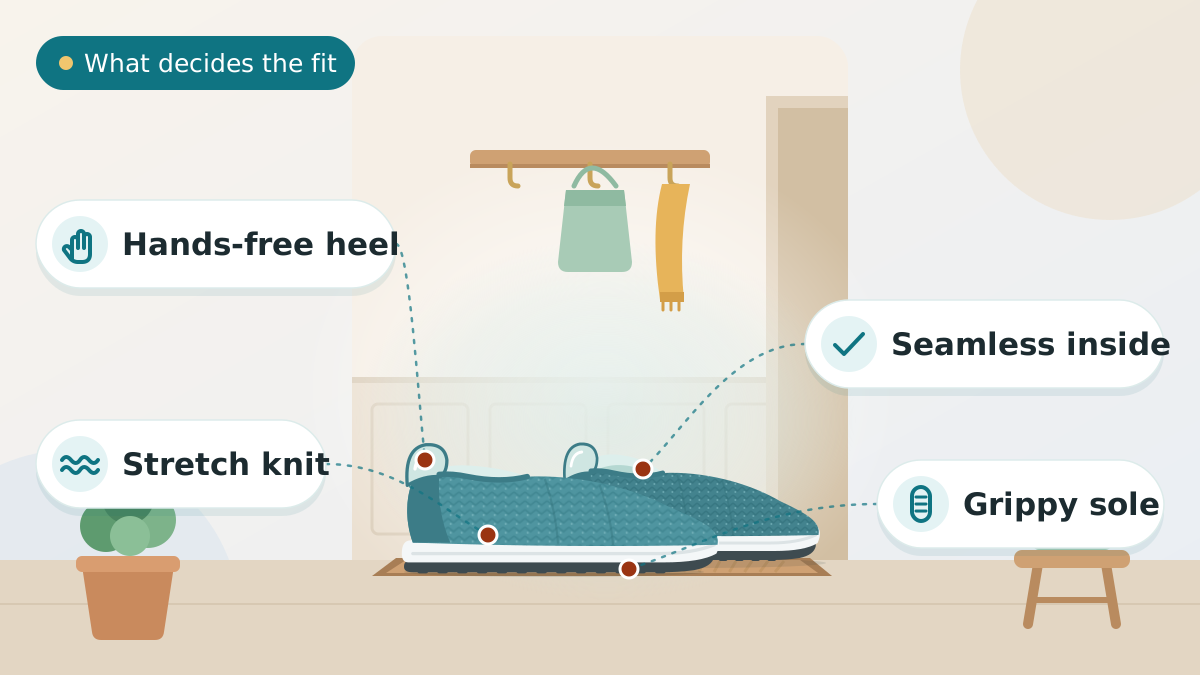
A built-in heel piece. Regular slip-ons rely on a stretchy opening you still have to work the foot into; Skechers Slip-ins use a firm “heel pillow” that flattens as you step in and springs back up to lock the heel — so the shoe goes on with no hands, no bending, and no shoehorn, yet still holds the foot securely once it’s on.
Roughly every 8–12 months of regular wear, or sooner if the tread is worn smooth or the heel counter has gone soft. A worn outsole loses grip and a broken-down heel counter stops supporting the rearfoot — both quietly raise fall risk, so check the soles and heels every few months.
The final verdict
If you’re buying one pair for a parent and aren’t sure where to start, get the Skechers Slip-ins Go Walk Arch Fit 2.0 — it’s supportive, genuinely easy to step into, and doesn’t look medical. If bending or grip is the real problem, the hands-free Go Walk Flex is the safest easy-on choice. For diabetic or swollen feet, it’s worth spending up for the Orthofeet Edgewater. Whatever you pick, keep it closed-heeled with a grippy sole — that’s the part that actually protects against falls.
Our overall winner is the Skechers Slip-ins: Go Walk Arch Fit 2.0 — our best overall for most seniors. You can check the current price on Amazon to see today’s deal.
