
5 Best Fall Mats for the Elderly
 By Kutubuddin, Founder & Senior Care Researcher Updated October 2026
In this guide

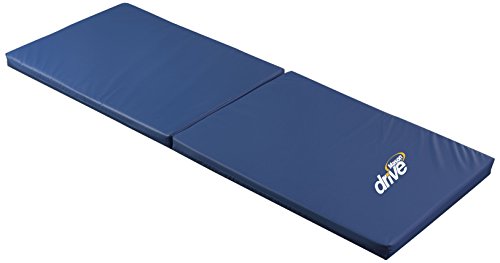

A bedside fall mat cushions the floor, so if someone rolls or falls out of bed the landing is softer and the injury less severe. For a high fall-risk person, especially with dementia or frailty, it's often the safer choice over a bed rail, since there's no entrapment risk.
We may earn a commission when you buy through links on this page. Read our affiliate disclosure.
Top 5 Picks — Find Your Situation
#1 · Best Overall
ProHeal Bedside Fall Mat (70" × 24")Best for: Most seniors who still walk at the bedside and need a low-profile mat that's easy and safe to step over
#2 · Best for Maximum Cushioning
Secure Bedside Fall Safety MatBest for: High fall-risk, mostly bed-bound seniors who need maximum impact absorption
#3 · Best Folding & Portable
Drive Medical Folding Fall MatBest for: Caregivers who need a mat that folds away for storage or travel
#4 · Best Heavy-Duty
Medline Fall MatBest for: Care settings or long-term home use needing durability and easy disinfecting
#5 · Best Low-Profile
NYOrtho FALLSHIELD Fall MatBest for: Someone who still walks from the bedside, where a thick mat would be the bigger risk
The trade-off: a thicker mat absorbs a fall better but is harder to step over and becomes its own trip hazard — which is why beveled edges and the right thickness matter. Our overall pick is the ProHeal Bedside Fall Mat.
A mat softens the landing but can't summon help, so pair it with a senior monitoring system that detects the fall and alerts you.

ProHeal Bedside Fall Mat (70" × 24")
Most seniors who still walk at the bedside and need a low-profile mat that's easy and safe to step over
The ProHeal Bedside Fall Mat wins because it strikes the balance this product is all about. Its 0.7-inch low profile and tapered beveled edges meaningfully reduce the trip hazard that thicker mats create, while still cushioning a fall, and the non-skid vinyl backing keeps it from sliding when someone steps onto it. That combination is aimed at a senior who's at risk of falling from bed but still gets up and moves around the bedside.
It's also practical day to day: the waterproof, wipeable cover cleans up quickly after spills or accidents, which matters for nightly use. It isn't the thickest mat here — a very high-risk, bed-bound person may want more cushioning — but for the majority it offers the right mix of protection and crossability.
What we love
- Low profile is easier to step over than thicker mats
- Tapered edges make it easier to cross than square-edged mats
- Non-skid vinyl backing stays put
- Wipes clean; 5-year warranty
Things to consider
- Thinner than high-cushion mats — less impact absorption for a mostly bed-bound, very high-risk user
- Narrower 24" coverage than a 36" mat
- Still a slight edge to cross for some
Right for you if
- ✓The person is at risk of falling from bed but still moves at the bedside
- ✓You want beveled edges to limit the trip hazard
- ✓You need an easy-clean, waterproof surface
- ✓You want a sensible balance of cushioning and safety
Maybe skip it if
- !The person is bed-bound and needs maximum cushioning — the Secure mat is thicker
- !You need it to fold away — the Drive Medical mat folds
- !An active walker or wheelchair must cross it often — bevel-edged mats can be a hazard for people who walk
What owners consistently report
Common praise
- +Owners value the cushioning paired with beveled edges
- +The wipeable cover makes cleaning easy
- +It stays put thanks to the non-slip bottom
Common gripes
- –It's still a slight step for some users
- –Thick mats in general can impede walkers
- –Grips best on a hard, flat floor
Getting started
- →Lay it with the beveled edge facing outward from the bed
- →Place it on a hard floor so the non-slip bottom grips
- →Pair it with a bed alarm for the best protection
How it compares
The Secure Bedside Fall Safety Mat is the better choice when maximum cushioning is the priority — it's thicker and absorbs more of a fall, which suits a mostly bed-bound, very high-risk senior. The ProHeal is easier to step over for someone who still moves at the bedside. Choose the Secure for the softest landing, the ProHeal for the best all-round balance.
How we picked
We compared widely available bedside fall mats on what matters for safety: cushioning, edge design (beveled or tapered to reduce tripping), non-slip backing, cleanability (waterproof, wipeable, ideally antimicrobial covers), and portability. Our picks draw on manufacturer specs, fall-prevention guidance, and owner feedback — not hands-on lab testing. We also read the published research on bedside mats rather than assuming they help, and it changed how this page frames the decision: the right mat depends heavily on whether the person still walks at the bedside, and for some people the answer is no mat at all. We say so below rather than burying it.
Reviewed by Kutubuddin — who researches senior-care products and the real-world needs of caregivers and older adults.
Other picks, reviewed
Secure Bedside Fall Safety Mat
The pick when softening the landing matters most. It's thicker than a standard mat for greater impact absorption, with beveled edges to offset the added trip risk and a non-slip, wipeable surface. Best suited to a mostly bed-bound, high fall-risk senior who needs the most cushioning rather than the easiest step.
What we like
- Maximum impact absorption
- Beveled edges despite the thickness
- Non-slip, easy-clean surface
- Reassuring for very high-risk users
Keep in mind
- Harder to walk or transfer over
- Bigger trip hazard if the person still walks
- Bulkier to move and store
- Thickness
- Thicker (more cushioning)
- Edges
- Beveled
- Surface
- Non-slip, wipeable
- Best for
- High fall risk
- Trade-off
- Harder to step over
Drive Medical Folding Fall Mat
The choice when the mat needs to be moved or stored. It folds in half for easy storage, transport, or cleaning, while still offering beveled edges and a non-slip base. Handy for travel, respite care, or rooms where the mat isn't needed during the day.
What we like
- Folds for storage and transport
- Beveled edges for safer crossing
- Non-slip base
- Convenient for part-time use
Keep in mind
- Fold seam can be felt underfoot
- Moderate cushioning
- Folding adds a little bulk when stored
- Design
- Bi-fold
- Edges
- Beveled
- Bottom
- Non-slip
- Use
- Travel / respite / part-time
- Brand
- Drive Medical
Medline Fall Mat
Built for heavy, daily, multi-user use. It's a durable, facility-grade mat with a tough antimicrobial cover that stands up to frequent cleaning and disinfecting — the kind used in care settings. A dependable choice for a household with high cleaning demands or long-term use.
What we like
- Durable, facility-grade construction
- Antimicrobial, easy-disinfect cover
- Holds up to heavy daily use
- Beveled edges
Keep in mind
- Heavier to reposition
- Costs more than basic mats
- More than a part-time user needs
- Build
- Facility-grade, durable
- Cover
- Antimicrobial, wipeable
- Edges
- Beveled
- Cleaning
- Frequent disinfecting
- Use
- Long-term / multi-user
NYOrtho FALLSHIELD Fall Mat

The pick for the person the research says to worry about — someone who still stands and walks from the bedside. At 1 inch of padding it is one of the thinner mats here, with a low-profile bevelled edge and, unusually, a textured non-slip top rather than a smooth one. That combination is aimed squarely at the failure mode the bedside-mat study identified: someone stepping onto the mat and losing their footing. It cushions less than the thicker mats above, and that is the trade you are making.
What we like
- Textured top gives grip if they do step on it
- Low profile — less of an obstacle to walk over than thicker mats
- Meets the CPSC 16 CFR 1631 flammability standard
- Fluid-proof sealed surface, wipes clean
- Also sold in a bi-fold version and a 36-inch width
Keep in mind
- 1 inch of padding cushions far less than the thicker mats above
- Wrong choice for a bed-bound person, where cushioning matters more than crossing it
- Ships rolled and can take up to 24 hours to lie flat
- Carries a California Proposition 65 warning for DEHP, a phthalate used in the vinyl
- Size
- 70 x 24 in
- Padding
- 1 in
- Edges
- Low-profile bevelled
- Top surface
- Textured non-slip
- Cover
- Fluid-proof, wipe clean
What to look for
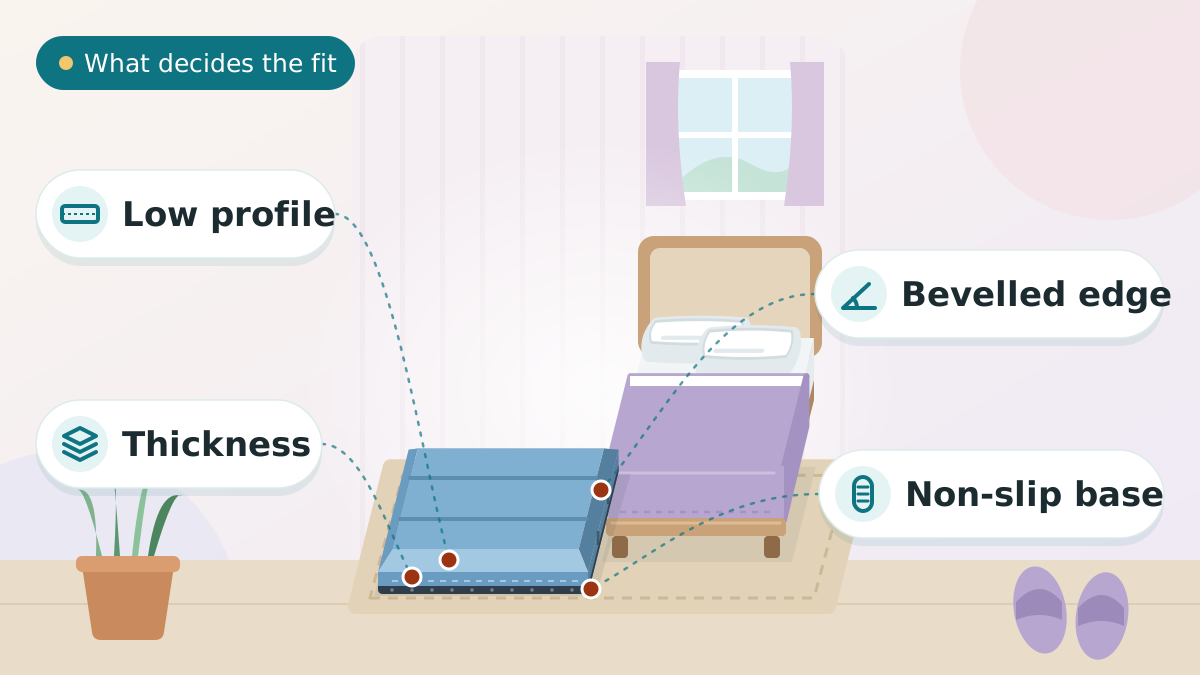
Cushioning vs trip risk — the key trade-off
This is the decision that shapes everything else. More thickness means a softer landing but a harder mat to cross.
Thicker mats (roughly 1.5 to 2.5 inches) absorb a fall better but are harder to step or transfer over and a bigger trip hazard; thinner, low-profile mats are safer to walk across but cushion less.
This is not just a theoretical trade-off. In one study, fifteen people with a range of gaits were filmed getting into and out of a hospital bed fitted with a bedside floor mat. The mat caused older patients — including some with normal gait — to lose balance, and in some cases to stumble as they stepped onto it. The authors concluded that the bevel-edged bedside mat is a potential hazard for people who walk, particularly those with an impaired gait or using a walker.
So match the mat to the person, and be honest about which person you have. A mostly bed-bound or transferred senior benefits from a thicker mat and rarely steps on it. Someone who still stands up and walks from the bedside is the person that study was describing — and for them a thinner, low-profile mat is the minimum, with a serious question about whether a mat is the right intervention at all.
Beveled edges are essential
A thick mat with square edges is itself a trip hazard, which defeats the purpose.
Choose a mat with tapered or beveled edges so feet, walkers, and wheelchairs can cross more safely. The thicker the mat, the more this matters — beveled edges are non-negotiable on a high-cushion mat.
One caveat worth knowing, because it is the opposite of what you would expect. In the bedside-mat study above, several patients had difficulty getting out of bed because they set their heels on the bevelled edge nearest the bed, which tipped their centre of gravity backwards. The bevel is still the right design; the lesson is about placement and about who is standing up from it. If the person stands from the bedside, watch them do it once with the mat in place before you leave it there.
Non-slip backing and the right size
A mat that slides out of place is dangerous, so the backing matters as much as the cushioning.
Look for a grippy, non-slip bottom, and size the mat to cover the area where the person actually exits the bed — one side or both — while keeping a clear walking path elsewhere in the room.
Cleanable, waterproof cover
Bedside mats see spills and incontinence, so easy cleaning is a daily concern.
Choose a waterproof, wipeable cover — ideally antimicrobial — that you can disinfect quickly, and consider a folding mat if you'll need to lift it for cleaning or storage.
Folding, portability, and mobility aids
Think about how the mat fits the room and the person's mobility.
Bi-fold mats store and travel easily and suit part-time use. And if the senior uses a walker or wheelchair near the bed, favor a low-profile, beveled mat that won't impede or trip them — a thick mat can do more harm than good for an active mobility-aid user.
Read more:Elderly Parent Keeps Falling?Mobility & Fall Prevention Guide for SeniorsNighttime Falls in Seniors
Tips to Choose Bedside Fall Mats
Short on time? Here are the key points to weigh before choosing, each covered in detail above:
- Cushioning vs trip risk — the key trade-off
- Beveled edges are essential
- Non-slip backing and the right size
- Cleanable, waterproof cover
- Folding, portability, and mobility aids
Comparing options? See our guides to Best Medical Alert Devices for Seniors, Best Ai Ambient Fall Detection Sensors, and Best Door Alarms for Dementia Patients.
What the research actually shows about fall mats
Fall mats are sold with a lot of confidence and studied surprisingly little. It is worth knowing where the evidence stands before you spend anything.
- Evidence specific to bedside mats is limited. An NHS evidence search in late 2025 found little published work on the benefits or hazards of impact and crash mats, and noted that most of the relevant research is about shock-absorbing FLOORING rather than mats.
- The large review people cite is about flooring, not mats. The SAFEST systematic review covered 22 studies and nearly 12,000 patient falls — but it examined shock-absorbing floors, sports floors and carpet. It is not evidence about a mat you put beside a bed.
- The one study that tested bedside mats directly found a hazard. Filmed observation of people entering and leaving a hospital bed found the mat caused loss of balance and stumbling in patients with impaired and normal gaits alike, and difficulty rising from the bed in eight of ten cases.
- What is not in doubt is the physics. A cushioned surface absorbs impact energy that would otherwise go into a hip or a skull. For someone who lands on the floor without walking onto it first, that is a real benefit.
Put together, that gives a clear rule rather than a vague one. A fall mat is for the person who ends up on the floor without having walked there — someone who rolls out of bed, who is transferred, or who has dementia and gets up unpredictably. It is a poor fit for someone who reliably stands and walks from the bedside, because for them the mat becomes an obstacle at the exact moment they are least steady.
If that second description fits, the better spend is on the things with stronger evidence behind them: lowering the bed, a bed alarm so someone knows they are up, motion-activated lighting on the route to the bathroom, and balance exercises.
A mat reduces injury — it doesn't prevent the fall
It's important to set expectations: a fall mat cushions the landing, but the person still falls. It's one layer of a fall-injury-prevention plan, not a complete solution.
Pair it with a bed alarm so a caregiver is alerted when the person tries to get up, lower the bed height, and add motion-activated lighting. For a confused or frail senior, a fall mat is often a safer choice than a bed rail, which carries an entrapment risk — but it's still not a substitute for supervision or a plan from the person's doctor or occupational therapist.
Placing and using a fall mat safely
Getting the setup right is what makes it work:
- Place it on the side or sides the person exits, flat against the bed, with the beveled edge facing outward.
- Make sure the non-slip bottom grips the floor — not on top of a loose rug.
- Keep the rest of the path clear and well-lit to reduce other fall risks.
- Use a low-profile mat, or remove it during the day, if a walker or wheelchair must cross there.
- Clean and inspect it regularly, and pair it with a bed alarm for the best protection.
See our safe bedroom setup and nighttime falls guides for the wider picture.
Frequently asked questions
They reduce the severity of injuries rather than preventing falls. By cushioning the floor, a fall mat softens the landing if a senior rolls or falls out of bed, which can lessen bruising, fractures, and head injury. It doesn't stop the fall from happening, so it works best as one part of a plan that also includes a bed alarm, a lower bed, and good lighting.
It depends on the person. Thicker mats (about 1.5 to 2.5 inches) cushion a fall better but are harder to step over and a bigger trip hazard, so they suit mostly bed-bound, high-risk users. Thinner, low-profile mats are safer to walk or transfer across and suit someone still mobile at the bedside. Whatever the thickness, insist on beveled edges to limit tripping.
Place the mat on the side or sides of the bed the person actually exits, laid flat against the bed with the beveled edge facing outward. Make sure the non-slip bottom grips the floor and isn't sitting on a loose rug, and keep the rest of the walking path clear and well-lit so the mat reduces risk without creating a new one.
Only low-profile, beveled ones. A thick fall mat can impede a walker or wheelchair and become a trip hazard for an active mobility-aid user, doing more harm than good. If the person uses a walker near the bed, choose a thin, low-profile mat with tapered edges, or remove the mat during the day and use it only at night when they're in bed.
Most have a waterproof, wipeable cover you can clean with a standard disinfectant and a damp cloth, which matters for spills and incontinence. Wipe it down regularly and let it dry, and look for an antimicrobial cover if cleaning needs are heavy. Folding mats are easier to lift and clean underneath, and to move for a thorough wash.
Yes, though hard floors are ideal for the non-slip backing to grip. On carpet, a mat can shift more easily, so check that it stays put, and be aware that carpet plus a thick mat raises the height to step over. A low-profile mat is often the better choice on carpet to keep the trip risk down.
With normal home use, a quality fall mat typically lasts a few years, depending on how heavily it's used and cleaned. Replace it when the foam compresses and no longer springs back, when the cover cracks or won't seal against moisture, or when the non-slip backing stops gripping. A flattened mat provides much less protection.
Generally not. Traditional Medicare usually classifies bedside fall mats as personal safety items rather than covered durable medical equipment. Some Medicaid programs, long-term care benefits, or Medicare Advantage plans may help in certain cases, and HSA or FSA funds can often be used. Check your specific plan before buying.
Yes, and the combination is ideal. A bed alarm alerts a caregiver the moment the person tries to get up, giving a chance to help before a fall, while the mat cushions the landing if a fall does happen. Together they address both prevention and injury reduction — a much stronger setup than either alone.
Resistance is common, especially with cognitive changes. A low-profile mat is less noticeable and easier to accept, and framing it around their own comfort and independence often helps more than emphasizing risk. If they still refuse, focus on other measures — a lower bed, a bed alarm, better lighting — and ask their doctor or an occupational therapist for tailored advice.
The final verdict
For most seniors, the ProHeal Bedside Fall Mat is the best choice — low-profile, beveled, non-skid, and easy to wipe clean. Choose the Secure mat for maximum cushioning for a high-risk, bed-bound senior, the Drive Medical folding mat for storage and travel, the Medline for facility-grade durability, or the NYOrtho FALLSHIELD if the person still walks from the bedside and a thick mat would be the greater risk. Just remember a mat softens the landing but doesn't stop the fall — pair it with a bed alarm and good lighting, choose beveled edges and the right thickness, and for a confused or frail senior it's often a safer choice than a bed rail. And if the person still stands and walks from the bedside every day, think hard before buying one at all: the research on bedside mats found they can unbalance exactly that person as they step onto them.
Our overall winner is the ProHeal Bedside Fall Mat (70" × 24"). You can check the current price on Amazon.
Our Top 5 Picks at a Glance
Ready to choose? Here are the top 5 again.
Best Overall
ProHeal Bedside Fall Mat (70" × 24")
Best for Maximum Cushioning
Secure Bedside Fall Safety Mat
Best Folding & Portable
Drive Medical Folding Fall Mat
Best Heavy-Duty
Medline Fall Mat
Best Low-Profile
NYOrtho FALLSHIELD Fall Mat
Affiliate links — we may earn a commission.
