
Bed Rail Safety and Entrapment: What Caregivers Must Know


Medically reviewed by Dr. Shifin Shad PN, MBBS, BCCPM · Reviewed 20 July 2026
Educational guidance, not medical advice. Bed rails carry entrapment risks; discuss suitability with a healthcare professional and follow product safety guidance.
Bed rails seem like an obvious safety aid — but they carry a real, sometimes fatal, entrapment risk. Knowing when they help, when they harm, and how to use them safely is essential before adding one.
Key takeaways
- Bed rails can help some people (getting in and out of bed, feeling secure), but carry a serious, sometimes fatal, entrapment risk — they are not automatically safe.
- Entrapment happens when a person gets caught in gaps between the rail, mattress, and bed frame — especially dangerous for those who are frail or confused.
- Bed rails are not suitable for everyone — they can be hazardous for people with dementia, restlessness, or who might try to climb over them.
- If used, ensure a proper fit with no dangerous gaps, the right rail for the bed, and regular checks.
- Consider safer alternatives — a bed assist handle, a lower bed, or a floor crash mat — which often provide support without the entrapment risk.
- A rail is an assist device, not a restraint. If it is there to stop someone getting out of bed rather than to help them move, FDA guidance is not to use it that way — and a person who climbs over it falls from a greater height.
Quick answer
Are bed rails safe for elderly people?
Bed rails can help some seniors get in and out of bed or feel more secure, but they carry a serious entrapment risk — a person can get caught in gaps between the rail, mattress, and frame, which can be fatal, especially for those who are frail or confused. They are not suitable for everyone (particularly some people with dementia or restlessness, who may be endangered). If used, ensure a proper fit with no dangerous gaps and regular checks — and strongly consider safer alternatives like a bed assist handle or a lower bed.
A safety aid with a serious risk
Bed rails (also called side rails or bed guards) look like a simple safety measure — a barrier to stop someone falling out of bed, and a handhold to help them move. For some people they genuinely help. But it is essential to understand that they also carry a real and serious danger: entrapment, which has caused injuries and deaths, particularly among frail and confused older adults.
This is not a reason to never use them, but it is a reason to weigh the decision carefully rather than adding a rail automatically. This guide explains the benefits, the entrapment risk, who they are and are not suitable for, how to use them safely, and safer alternatives. It complements our safe bedroom setup and dementia home safety guides.
Safety first
Bed rail entrapment can be fatal. Before using a rail, weigh the benefit against this risk, ensure a proper fit with no dangerous gaps, and consider whether a safer alternative would provide the support needed. Discuss suitability with a healthcare professional.
Sponsored Pick
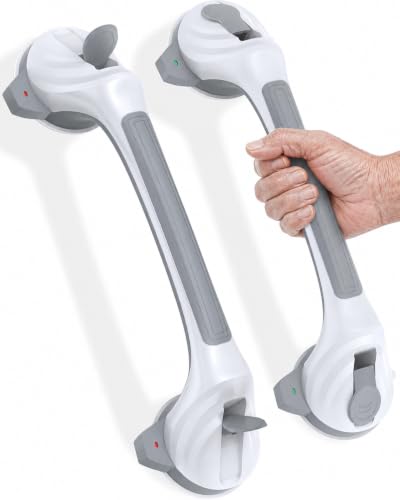
16.7-Inch Suction Grab Bars with Safety Indicators (2-Pack)
Anyone who wants a clear go/no-go signal that the suction is holding
Check PriceWhen bed rails can help
For the right person, bed rails can offer genuine benefits:
- A handhold for mobility — helping a person reposition, turn, or get in and out of bed by giving something sturdy to hold.
- A sense of security — some people feel safer and sleep better with a rail, especially if they worry about rolling out.
- A reminder of the bed edge — for someone who moves toward the edge, a rail can be a cue.
These benefits apply best to people who are cognitively intact, can operate the rail, and want it — not to those who are confused or restless, for whom the risks often outweigh them.
Understanding the entrapment risk
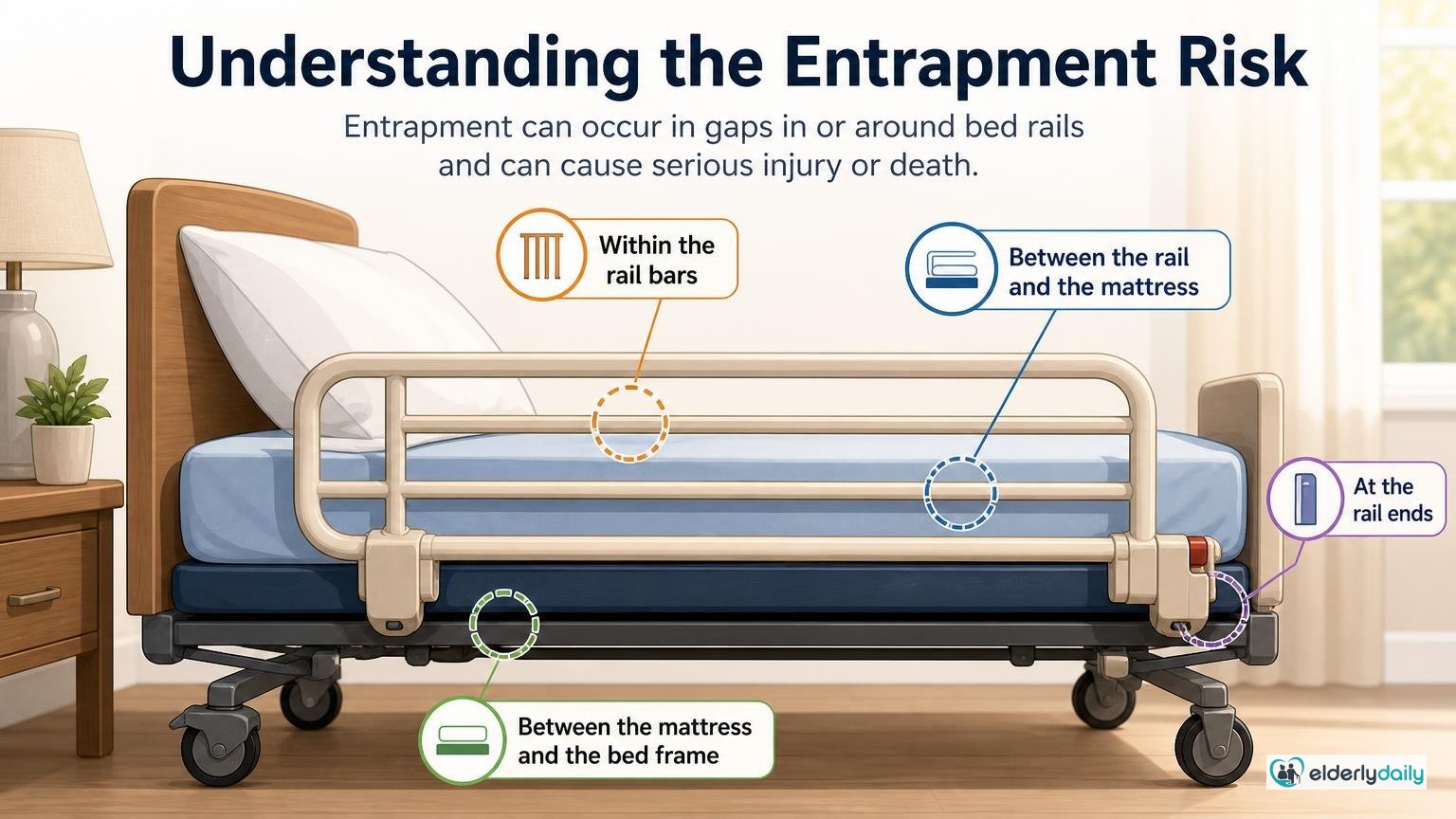
The central danger is entrapment — a person becoming caught, trapped, or wedged in gaps in or around the rail, which can cause serious injury or death (including from being unable to breathe if the neck or chest is caught). The FDA received 803 reports of patients caught or trapped in bed rails between 1985 and 2009; 480 of them died, and most were frail, elderly, or confused. The key risk areas are the gaps:
- Within the rail bars, if a head or limb can pass through and become stuck.
- Between the rail and the mattress, where a person can slip and become wedged.
- Between the mattress and the bed frame, or between rail sections or split rails.
- At the ends of the rail, or between the rail and the headboard/footboard.
The risk is highest for people who are frail, small, confused, restless, or who move a lot in bed — exactly the group bed rails are often considered for. A confused person may slide into a gap and be unable to free themselves.
Who bed rails are — and are not — suitable for
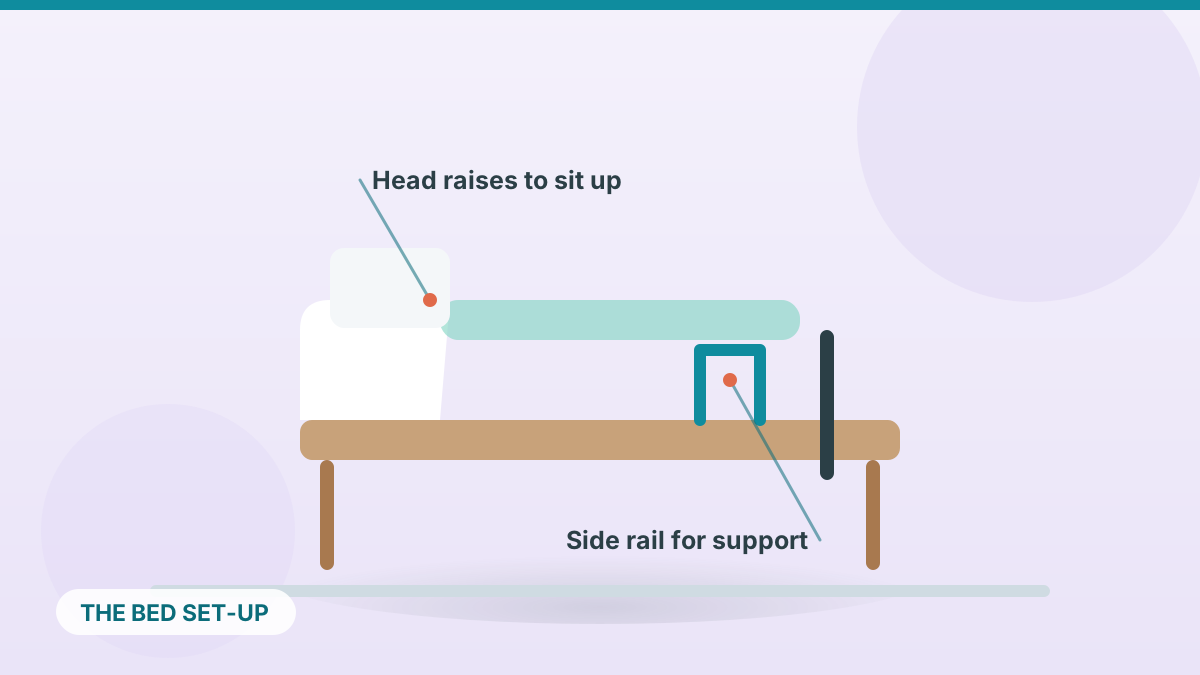
Bed rails are not a one-size-fits-all solution, and suitability depends on the person:
- May be suitable for — someone who is cognitively intact, wants the rail, can use it to help themselves move, and does not move erratically in bed.
- Often not suitable for — people with dementia or confusion, who may become trapped or distressed; restless people who move a lot; and anyone who might try to climb over the rail, which can cause a worse fall from a greater height.
- Never a substitute for supervision — a rail does not replace the care and monitoring a person needs.
- A professional view helps — discuss with a healthcare professional whether a rail is appropriate and safe for the individual, and consider the alternatives below.
Watch out
For someone who is confused or restless, a bed rail can be more dangerous than no rail — they may become trapped in a gap or try to climb over it and fall from a greater height. In these cases, safer alternatives are usually the better choice.
A rail is an assist device — not a restraint
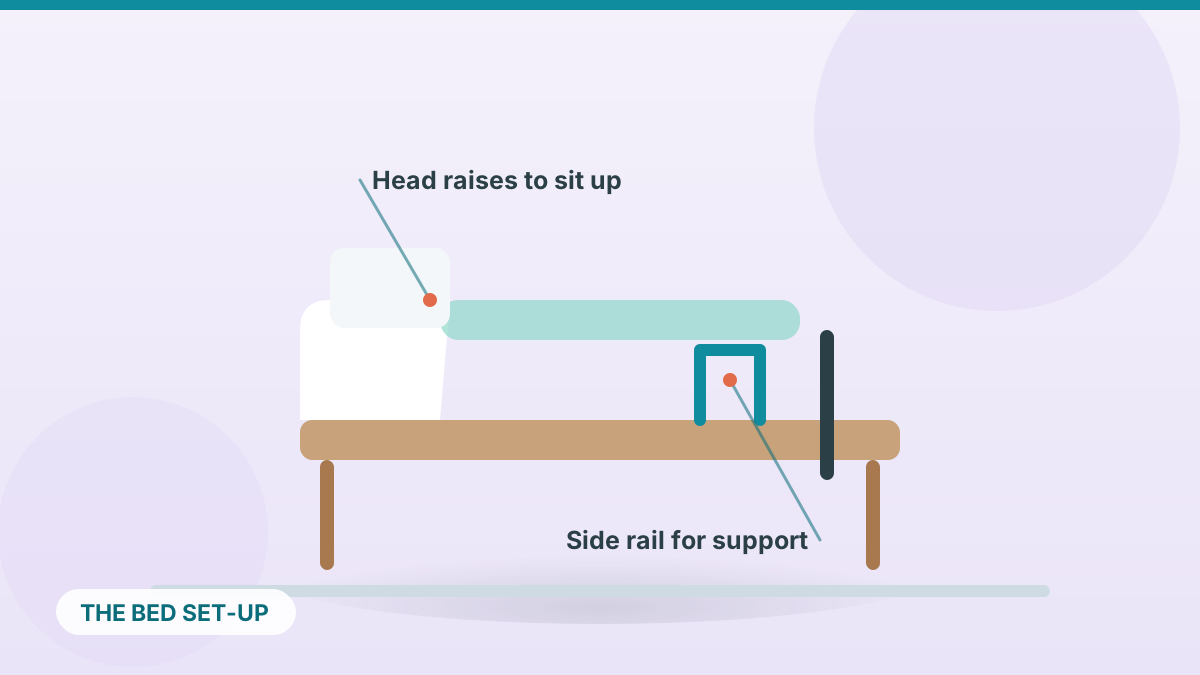
Settle this before any measuring tape comes out: should this person have a rail at all?
The FDA is direct about it. Bed rails are sometimes used to keep someone in bed — but they are not intended for that, and a rail used that way is a physical restraint. Two things follow, and both are counter-intuitive.
- A rail can make a fall worse, not better. Someone who is confused, restless, or determined to get out of bed may climb over the rail — and then falls from rail height instead of mattress height. This is uncommon in someone using a rail simply as a handhold, and the concern applies mainly where confusion or restlessness is present. The FDA lists more serious injuries from falls when someone climbs over a rail among the risks of bed rails. A rail does not remove the wish to get up. It only raises the drop.
- Whether a rail is a restraint depends on the person, not the product. The same half-rail can be a useful handhold for one person and a barrier that traps another. Nothing on the box tells you which.
The FDA says the patients who most need careful assessment are those with problems with memory, sleeping, incontinence, pain, or uncontrolled body movement, or who get out of bed and walk unsafely — and that most people who died from entrapment were frail, elderly, or confused. Many people with dementia, Parkinson’s disease, or stroke fall into those categories, which describes a large share of the people rails get bought for.
If a rail is being considered because someone keeps getting out of bed at night, the rail is answering the wrong question. Ask why they are getting up — the toilet, pain, confusion, a bad dream — and treat that instead.
Ask this before you buy
Is the rail there to help the person move, or to stop them moving? If it is the second, it is a restraint, and FDA guidance is not to use it that way. Talk to the doctor, nurse, or occupational therapist first — the safer answer is often a bed assist handle, a lower bed, or a fall mat, not a rail at all.
Using bed rails safely
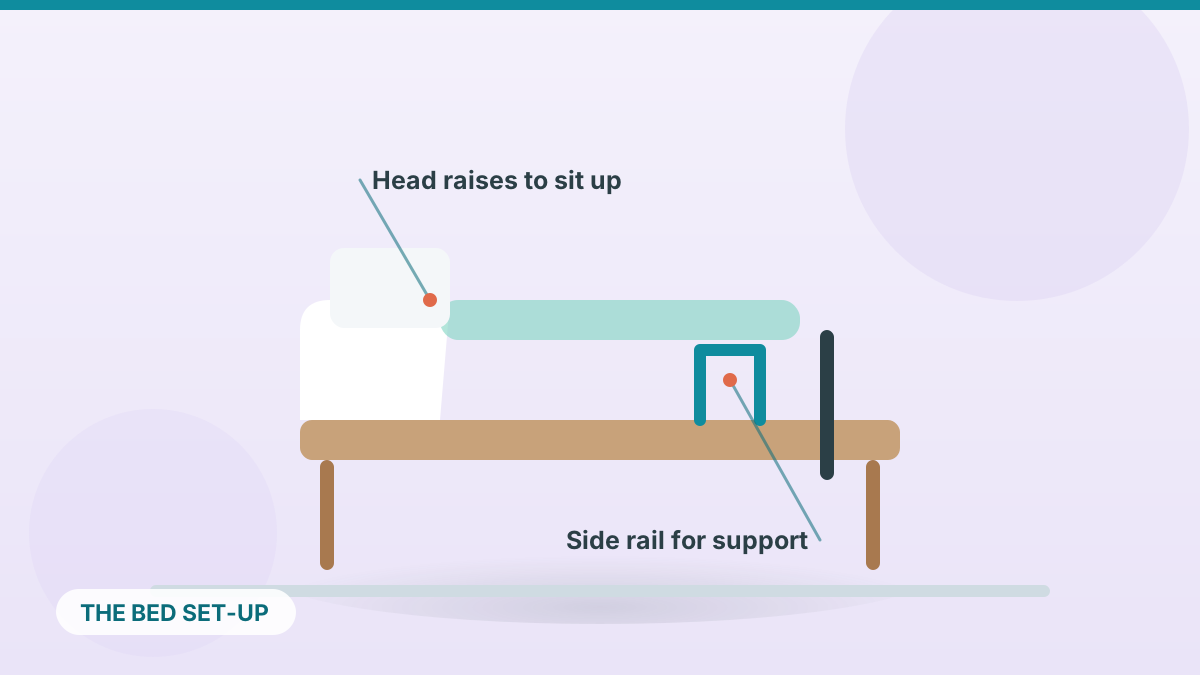
If, after weighing it, a bed rail is used, safety depends on correct fit and vigilance — and it is worth having that set-up checked professionally rather than judged by eye:
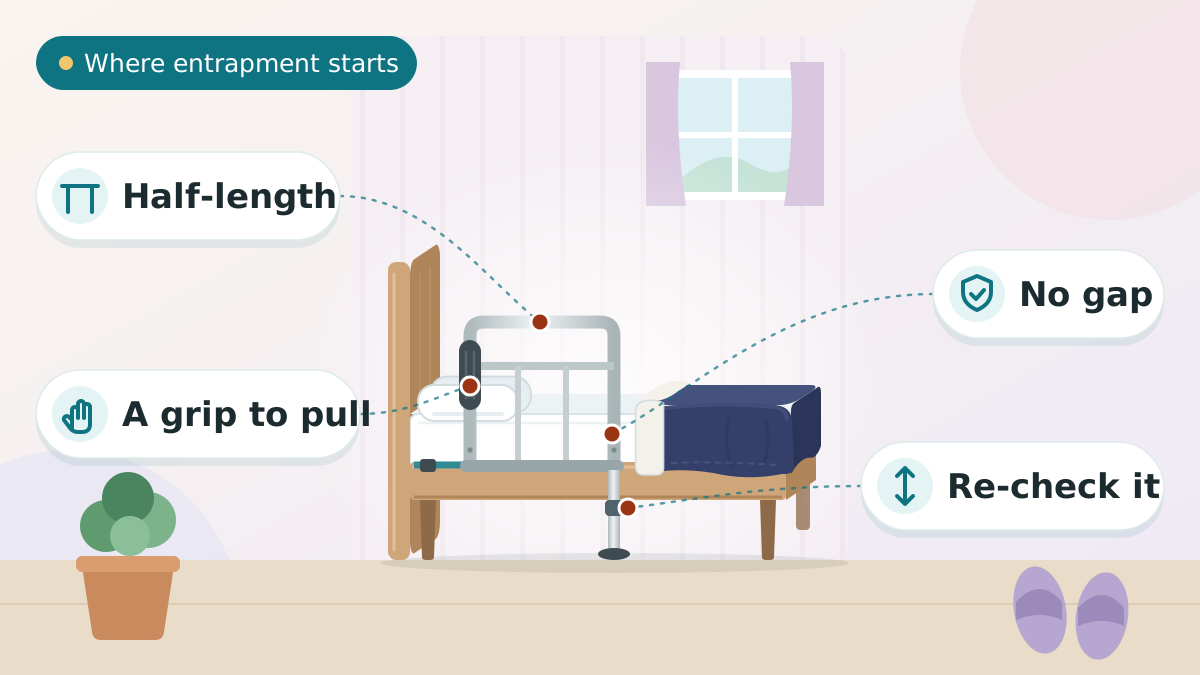
- Use the right rail for the bed and mattress — rails, bed, and mattress must be compatible; a mismatched combination creates dangerous gaps.
- Eliminate dangerous gaps — ensure the mattress fits snugly and gaps within and around the rail are too small for a head or body to pass through or become wedged; use gap fillers/bumpers if appropriate.
- Check it is properly fitted and secure — correctly installed, stable, and not able to shift. Fitting the bed and rail, and any later adjustment, is ideally set up and adjusted by an occupational therapist rather than done at home — they can confirm the rail suits the bed, the mattress, and the person.
- Inspect regularly — rails, fittings, and gaps can change with a new mattress or wear; check often.
- Watch the person — monitor how they use it, and stop if they become distressed, try to climb over, or seem at risk.
- Follow product and safety guidance — use rails as intended and heed manufacturer and safety-body instructions.
Safer alternatives to consider
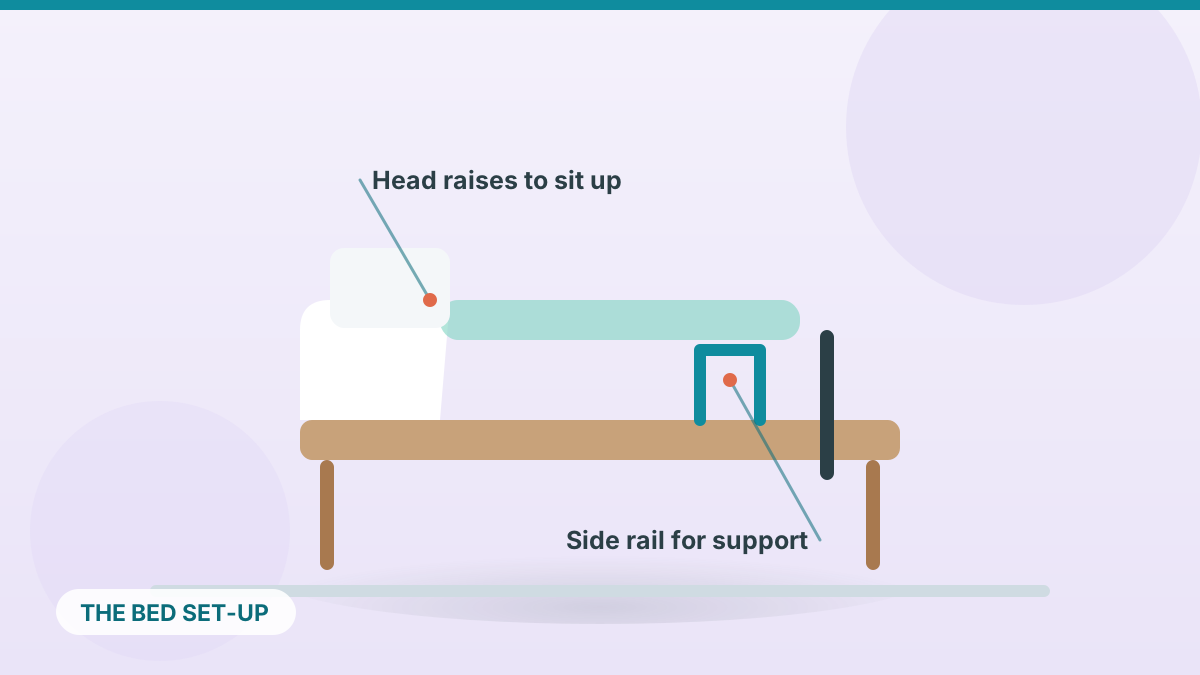
Often, the support a person needs can be provided more safely another way — worth considering first:
- A bed assist handle — a smaller grab-bar-style aid that helps a person get in and out of bed without the full barrier and entrapment gaps of a rail; often a safer choice for support. If a rail is still the right answer after weighing this up, our bed rails roundup compares models and what to check on fit.
- A lower bed — lowering the bed (or using a low or floor-level bed) reduces the height and injury risk of any fall, sometimes removing the need for a rail; see safe bedroom setup.
- A crash/fall mat beside the bed — to cushion a fall for someone at risk of rolling out.
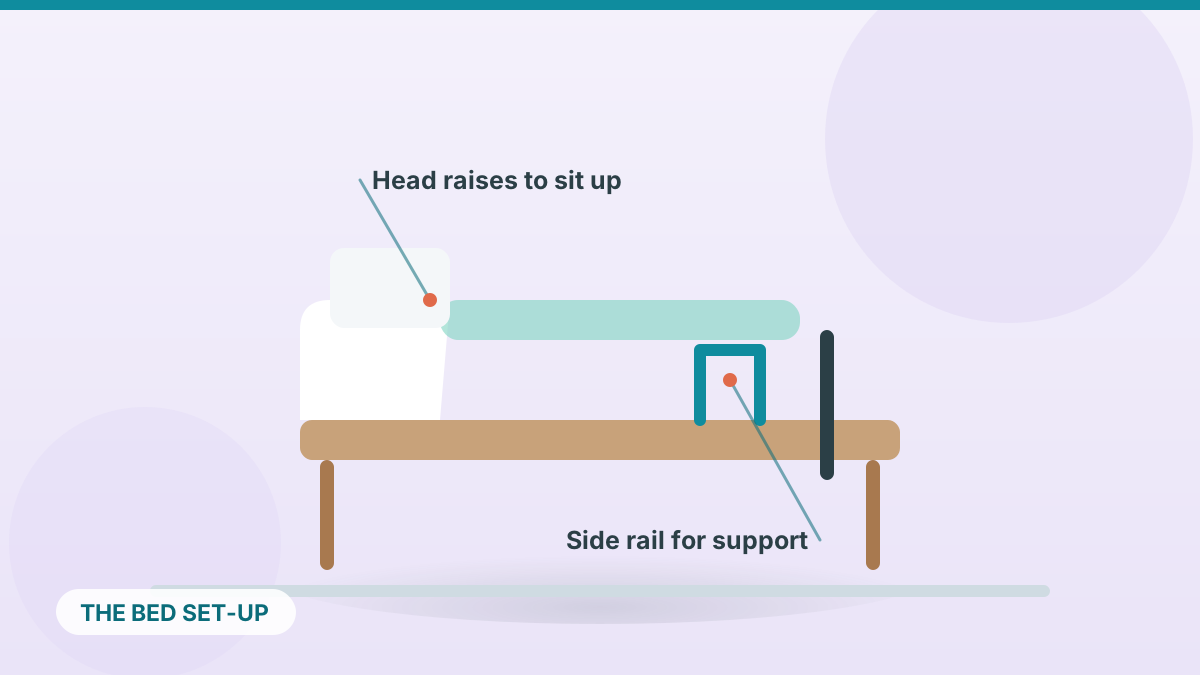
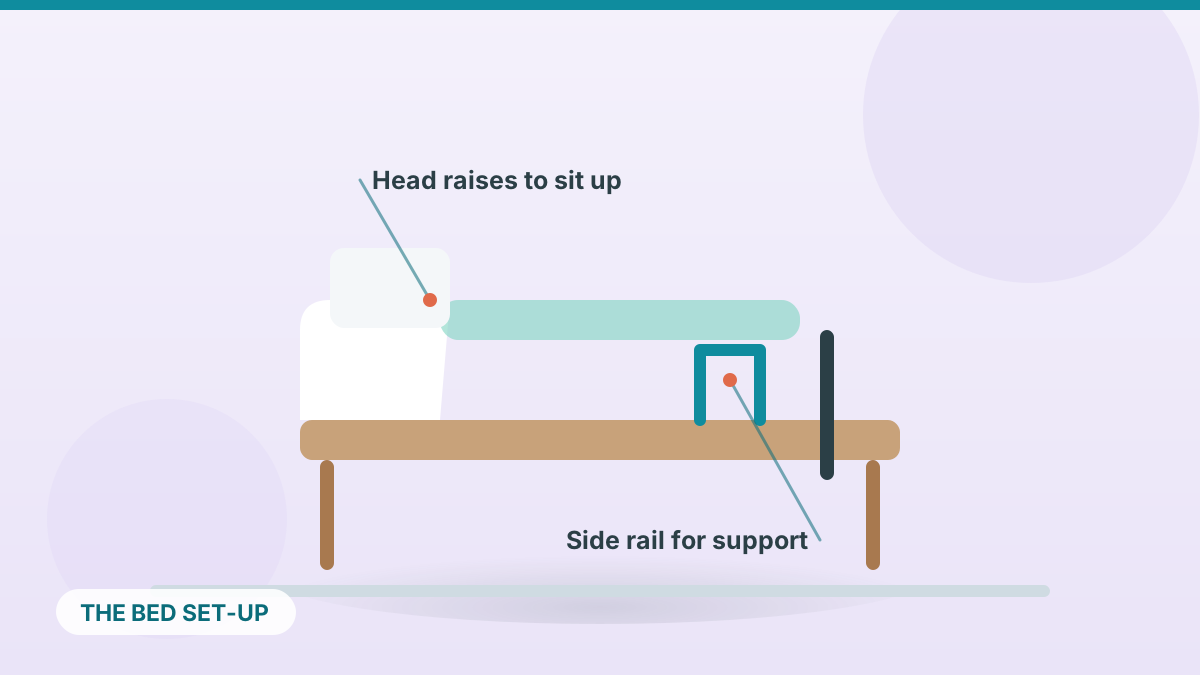
- A bed that assists the transfer itself — an adjustable bed that raises the head, or for a much larger outlay a rotating transfer bed, can remove the struggle that made a rail seem necessary. Neither suits everyone, and the rotating kind is a major purchase Medicare does not cover — read who they suit before spending.
- Repositioning and monitoring — a bed or movement alarm or monitoring system can alert you when someone tries to get up, rather than physically barring them.
- Addressing the underlying issue — why is the person at risk (weakness, confusion, needing the toilet at night)? Treating that — via night-time safety, a bedside commode, or rebuilding strength — may reduce the need for a rail.
Frequently asked questions
Are bed rails safe for elderly people?
Bed rails can help some seniors get in and out of bed or feel secure, but they carry a serious entrapment risk — a person can get caught in gaps between the rail, mattress, and frame, which can be fatal, especially for those who are frail or confused. They are not suitable for everyone. If used, ensure a proper fit with no dangerous gaps and regular checks, and strongly consider safer alternatives.
What is bed rail entrapment?
Entrapment is when a person becomes caught, trapped, or wedged in gaps in or around a bed rail — within the rail bars, between the rail and mattress, between the mattress and frame, or at the rail ends — which can cause serious injury or death, including from being unable to breathe. The risk is highest for frail, small, confused, or restless people who move in bed.
Who should not use bed rails?
Bed rails are often unsuitable for people with dementia or confusion (who may become trapped or distressed), restless people who move a lot, and anyone who might try to climb over the rail — which can cause a worse fall from a greater height. For these individuals, a rail can be more dangerous than no rail, and safer alternatives are usually better.
How do I use bed rails safely?
Use a rail compatible with the specific bed and mattress, eliminate dangerous gaps (a snug mattress, and gaps too small for a head or body to pass through or become wedged, using bumpers if needed), ensure it is properly fitted and secure, inspect it regularly (especially after a mattress change), monitor how the person uses it, and follow product and safety guidance. Stop if the person is distressed or tries to climb over.
What are safer alternatives to bed rails?
Often-safer options include a bed assist handle (support to get in and out of bed without a full barrier), lowering the bed to reduce fall height, a crash mat beside the bed to cushion a fall, and a bed or movement alarm or monitoring system to alert you when someone tries to get up. Addressing the underlying issue — such as night-time toileting or weakness — may also reduce the need for a rail.
Can bed rails cause falls?
Yes — paradoxically, for some people bed rails increase fall risk. A confused or determined person may try to climb over the rail and fall from a greater height, causing more serious injury than a roll from a lower, unbarred bed. This is why rails are often unsuitable for confused or restless individuals, for whom alternatives like a lower bed or monitoring are safer.
Should my parent have a bed rail at all?
That is the first question, and it comes before any question about how to fit one. The FDA emphasizes that most patients can be in bed safely without rails, that each person should be individually assessed, and that frail, elderly, or confused people — and those with problems with memory, movement, pain, or getting up safely — are most at risk of entrapment. Many people with dementia, Parkinson’s disease, or stroke fall into these categories. A rail used to keep someone in bed, rather than to help them move, is a physical restraint — and someone determined to get up may climb over it and fall from a greater height than they would have from the mattress. Ask the doctor, nurse, or occupational therapist before buying one. Often a bed assist handle, a lower bed, or a fall mat is the safer answer.
Sources
- U.S. Food and Drug Administration. A Guide to Bed Safety: Bed Rails in Hospitals, Nursing Homes and Home Health Care
