
5 Best Pressure Relief Seat Cushions for Seniors
 By Kutubuddin, Founder & Senior Care Researcher Updated October 2026
In this guide
 Best OverallComfiLife Gel Enhanced Memory Foam Seat Cushion
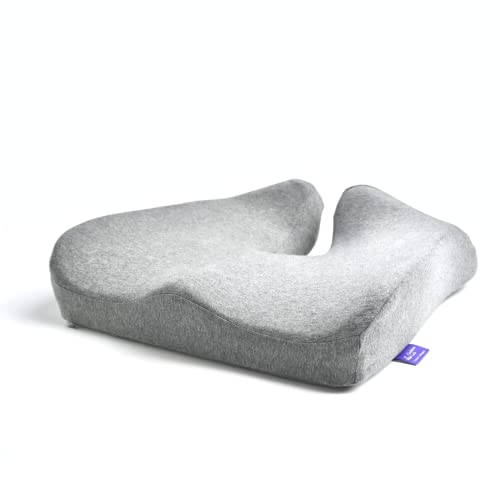 Best for Sciatica & PostureCushion Lab Patented Pressure Relief Seat Cushion
 Best Value / EverydayEverlasting Comfort Memory Foam Seat Cushion
 Best for Sit-Bone & Ischial PainAylio Socket Seat Cushion
 Best for Pressure-Sore RiskRoho Mosaic Seat Cushion
- What to look for
- Frequently asked questions
If a senior sits for hours — in a recliner, a wheelchair, or at the table — the right cushion does two jobs: it eases tailbone and hip pain now, and it helps lower the risk of pressure sores over time.
We may earn a commission when you buy through links on this page. Read our affiliate disclosure.
Top 5 Picks — Find Your Situation
#1 · Best Overall
ComfiLife Gel Enhanced Memory Foam Seat CushionBest for: A senior who sits for long stretches in a recliner, office chair, or wheelchair
#2 · Best for Sciatica & Posture
Cushion Lab Patented Pressure Relief Seat CushionBest for: Seniors with sciatica, nerve or hip pain, or a tendency to slump
#3 · Best Value / Everyday
Everlasting Comfort Memory Foam Seat CushionBest for: Everyday all-day sitting on a budget — one for every chair in the house
#4 · Best for Sit-Bone & Ischial Pain
Aylio Socket Seat CushionBest for: Sit-bone pain — ischial bursitis, hamstring strain, or lost padding from all-day sitting
#5 · Best for Pressure-Sore Risk
Roho Mosaic Seat CushionBest for: A senior at genuine risk of pressure sores who sits for most of the day
Gel spreads weight and runs cool; memory foam cradles and is lighter to carry; air cells are the clinical choice when skin breakdown is a genuine risk. Below, our picks for all-day comfort, targeted pain, and higher pressure-sore risk, with the trade-offs spelled out.
A closer look at our top pick
ComfiLife Gel Enhanced Memory Foam Seat Cushion
Best for: A senior who sits for long stretches in a recliner, office chair, or wheelchair
- Memory-foam contouring with cooling gel
- U-shaped coccyx cutout takes pressure off the tailbone
- Breathable mesh cover
- Non-slip base
Independently researched · Updated October 2026
This is the cushion to start with when a senior simply sits for long stretches, because it balances everything rather than specializing. Memory foam contours to the body while cooling gel stops the heat buildup that makes ordinary foam uncomfortable after an hour, and a U-shaped coccyx cutout lifts pressure off the tailbone — the spot that aches first in a recliner, office chair, or wheelchair.
The practical details round it out: a breathable mesh cover and a non-slip base that keep the cushion, and the person, from sliding on a smooth seat. It's the dependable all-rounder before you reach for a more specialized shape. For the full breakdown — coccyx relief, the cooling gel, cleaning, and how to set it up the right way — read our in-depth ComfiLife Gel Enhanced Memory Foam Seat Cushion review.
What we love
- Balanced all-rounder for long sitting
- Cooling gel prevents heat buildup
- Coccyx cutout relieves tailbone pressure
- Non-slip base for safety
Things to consider
- Less specialized than the sciatica or sit-bone picks
- Gel construction adds a little weight
Right for you if
- ✓You sit for long stretches and want all-round comfort
- ✓Tailbone pressure is the main complaint
- ✓You want it to stay put on a recliner, office chair, or wheelchair
Maybe skip it if
- !Your main issue is sciatica and you need a more specialized shape
- !Your discomfort is specifically under the sit-bones
- !You want the lightest possible cushion to carry around
What owners consistently report
Common praise
- +The gel really does keep it from getting hot during long sits
- +The coccyx cutout noticeably relieves tailbone pressure
- +The non-slip base keeps it from sliding around
Common gripes
- –It's a balanced all-rounder, not a sciatica or sit-bone specialist
- –The gel layer adds a little weight
- –It takes a short breaking-in sit to settle to your shape
Getting started
- →Place it with the cutout to the back so the U-shape clears the tailbone
- →Use it on a firm seat for the most consistent support
- →Keep the mesh cover clean so it stays breathable
How it compares
Our runner-up, the Cushion Lab Patented Pressure Relief Seat Cushion, is the more ergonomically aggressive option — a firmer, sculpted shape aimed at posture and sciatica-style discomfort — which suits a specific problem better but is less of a do-everything pick. Choose the ComfiLife when you want a balanced all-rounder for long sitting; choose the Cushion Lab when targeted posture or sciatica relief is the goal.
How we picked
We compared 5 options. These cushions were ranked on pressure redistribution, gel, foam, or air-cell construction and how it holds up, contour and stability, breathable washable covers, and size for the chair. We drew on product specs, verified owner reviews, and skin-integrity guidance rather than hands-on testing. For anyone at risk of pressure sores, cushion type matters clinically — match it to the risk level, involve a clinician, and reposition regularly regardless of the cushion.
Reviewed by Kutubuddin — who researches senior-care products and the real-world needs of caregivers and older adults.
Other picks, reviewed
Cushion Lab Patented Pressure Relief Seat Cushion
The step up for nerve and hip pain and for slumping. Built from extra-dense memory foam, it cradles the hips and tailbone while supporting the sciatic area, and its ergonomic shape encourages an upright spine and even weight distribution. It's firmer than most and takes a few days to break in, so anyone used to a very plush cushion should know that up front.
What we like
- Targeted support for sciatica and hip pain
- Encourages upright posture
- Dense foam holds its shape
Keep in mind
- Firmer than most — takes a few days to break in
- Not for anyone who prefers a very plush cushion
Key features
- Extra-dense memory foam
- Cradles the hips and tailbone, supports the sciatic area
- Ergonomic shape encourages an upright spine
- Even weight distribution
Everlasting Comfort Memory Foam Seat Cushion
Read our full Everlasting Comfort Memory Foam Seat Cushion reviewThe budget-friendly workhorse. 100% memory foam, an ergonomic contour, a non-slip bottom, and a washable cover make it a reliable all-day-comfort pick for everyday sitting. A good "buy one for every chair in the house" option without the premium price.
What we like
- Budget-friendly with a huge Amazon following
- Reliable everyday all-day comfort
- Affordable enough to buy several
Keep in mind
- Pure foam, no cooling gel — can warm up over a long sit
- Comfort-focused rather than targeted pressure relief
Key features
- 100% memory foam
- Ergonomic contour
- Non-slip bottom
- Washable cover
Aylio Socket Seat Cushion
Read our full Aylio Socket Seat Cushion reviewThe targeted pick for sit-bone pain — ischial bursitis, hamstring strain, or lost padding from sitting all day. Its twin-opening design lets the sit bones drop into the cutouts instead of bearing weight on a hard seat, with firm high-density foam that holds its shape and a breathable, washable cover. Two things to know so it's the right buy: the foam is firm by design (not a plush cushion), and the openings need to line up with your sit bones to do their job, so it's worth checking the fit.
What we like
- Targets sit-bone and ischial pressure directly
- Firm foam keeps its shape
- Washable cover
Keep in mind
- Firm by design — not a plush cushion
- The openings must line up with your sit bones, so check the fit
Key features
- Twin-opening design — sit bones drop into the cutouts
- Firm high-density foam that holds its shape
- Breathable, washable cover
Roho Mosaic Seat Cushion
Read our full Roho Mosaic Seat Cushion reviewThe honest pick for a senior who sits most of the day and is at real risk of skin breakdown — the use case it is built for. Its interconnected air cells let the skin "float" and redistribute weight, and you inflate or deflate to tune the firmness to the person. It's best chosen with a clinician's input for genuine pressure-ulcer risk, and the inflation should be checked periodically; it's a clinical-style cushion meant to help lower pressure-sore risk rather than a plush comfort cushion. A lighter-duty inflatable (Vive or ProHeal) is the lower-cost entry point for readers not ready for the Roho.
What we like
- The right tool for genuine pressure-sore risk
- Air cells redistribute weight in a way foam and gel can't
- Firmness adjusts to the individual
Keep in mind
- Best chosen with a clinician's input; inflation needs periodic checking
- A prevention tool, not a plush comfort cushion
Key features
- Interconnected air cells let the skin "float" and redistribute weight
- Inflate or deflate to tune firmness to the person
- Non-skid cover, portable
- Air-cell design intended to help lower pressure-ulcer risk
What to look for
Match the cushion to the problem
The biggest mistake is buying for "comfort" in general when the need is specific. Start from what the person is actually dealing with:
- General all-day comfort and tailbone pressure: a gel-and-foam cushion with a coccyx cutout (our Best Overall).
- Sciatica, hip pain, or slumping: a denser, ergonomic cushion that supports posture (Best for Sciatica & Posture).
- Sharp sit-bone or ischial pain: a cutout or "socket" cushion that lets the sit bones drop in (Best for Sit-Bone Pain).
- Genuine risk of pressure sores in someone who barely moves: an adjustable air-cell cushion, chosen with a clinician (Best for Pressure-Sore Risk).
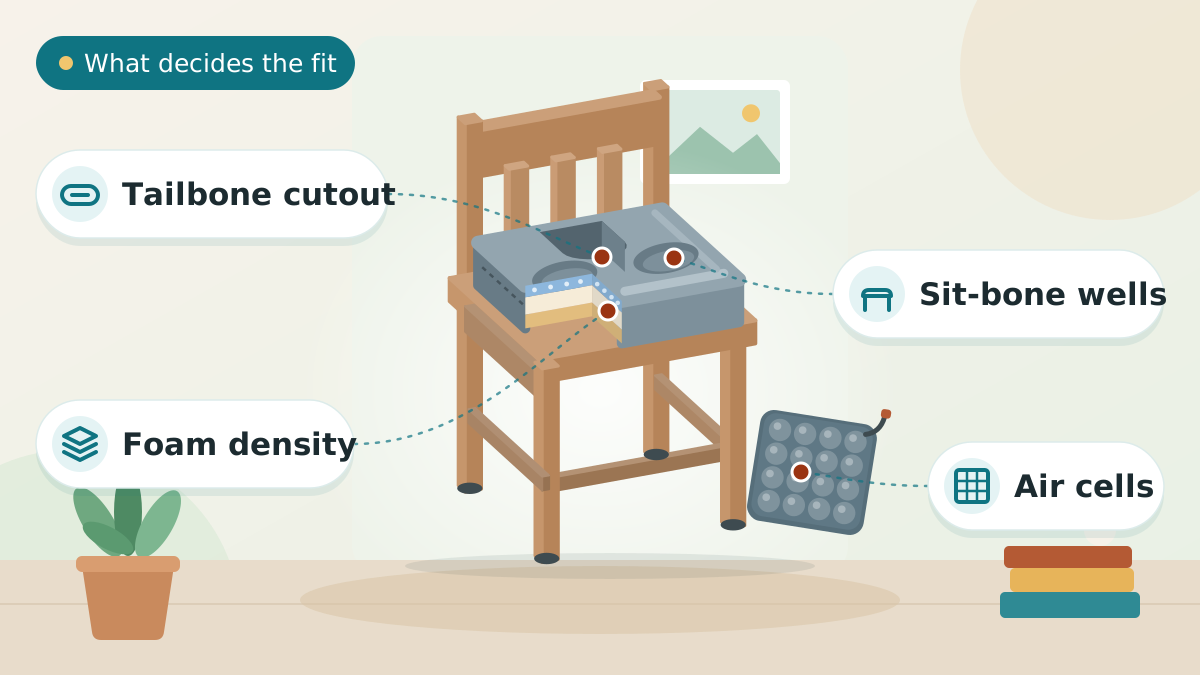
Material: gel, memory foam, or air cells
Each material does a different job. Memory foam cradles the body and is the lightest to move between chairs. Gel spreads weight and runs cooler, which matters for someone who sits for hours and tends to overheat. Air cells, where the seat floats on interconnected pockets of air, redistribute pressure the most effectively and are the option reached for when skin breakdown is a real risk — but they need setup and periodic checking.
Cutouts and contours
The shape is what targets pain. A U-shaped coccyx cutout lifts pressure off the tailbone — useful after a tailbone injury or for anyone who feels it on a hard seat. Twin "socket" openings let the two sit bones drop in rather than grinding on the chair, which is what helps with ischial pain. An ergonomic, sloped contour is aimed less at a single sore spot and more at holding the pelvis and spine in better posture.
Firmness and break-in
Firmer cushions give more support and hold their shape longer, but they feel less plush at first and the densest ones can take a few days to break in. A senior who is used to a soft cushion should expect that adjustment. Softer foam feels nicer immediately but bottoms out faster under someone who sits all day.
Cover, non-slip base, and size
Look for a breathable, removable, washable cover — accidents and spills happen, and a cover you can throw in the wash extends the cushion's life. A non-slip base is a safety feature, not a nicety: it stops the cushion sliding as the senior sits down or stands up, which protects balance. Finally, match the cushion to the chair — too wide and it won't sit flat, too small and it won't support the whole seat.
Read more:Bowel Incontinence in the ElderlyElderly Parent Refuses Adult Diapers? What to Do
Tips to Choose Pressure Relief Seat Cushions
Short on time? Here are the key points to weigh before choosing, each covered in detail above:
- Match the cushion to the problem
- Material: gel, memory foam, or air cells
- Cutouts and contours
- Firmness and break-in
- Cover, non-slip base, and size
Comparing options? See our guides to Best Adult Diapers for Active Seniors, Best Bed Pads for Incontinence, and Best Under Pads for Adults.
Tips for choosing the right one
A few practical pointers once you've narrowed the type:
- Buy for the specific complaint, not "comfort" in the abstract — tailbone, sit-bone, sciatica, and pressure-sore risk each point to a different cushion above.
- Think about how long they sit and whether they move it between chairs: lighter foam travels more easily than gel or an air cushion.
- Decide on firmness honestly — more support and durability, or a plush feel — because you usually can't have both.
- For genuine pressure-sore risk, treat it as a medical decision: involve a clinician, and don't rely on a comfort cushion to do a prevention cushion's job.
Getting the most out of a cushion
Even the best cushion is only part of the answer — how it's used matters just as much:
- Reposition regularly. No cushion replaces shifting position every so often, especially for someone who sits for long stretches.
- For anyone at risk of pressure sores, check the skin often and seek medical attention at the first sign of redness that doesn't fade.
- Check the fit on cutout cushions — the openings only work if they line up with the tailbone or sit bones.
- Keep the cover clean and, for an air cushion, check the inflation periodically so it stays tuned to the person.
- Use the non-slip base, and add a strap if the chair is slippery, so the cushion can't slide during a transfer.
Frequently asked questions
The ComfiLife Gel Enhanced Memory Foam Seat Cushion is the best all-round choice for seniors who sit for extended periods. It combines memory-foam comfort with cooling gel to prevent heat buildup and gives solid pressure relief for the tailbone and hips. The U-shaped coccyx cutout lifts pressure off the sensitive tailbone, and the breathable mesh cover and non-slip base keep it comfortable and stable during long sitting sessions.
Yes, quality pressure relief cushions work by distributing body weight more evenly across the sitting surface. This reduces concentrated pressure on the tailbone, hips, and thighs, which can ease discomfort during prolonged sitting. Memory foam and gel conform to your body shape for a custom fit, and air-cell cushions go further by letting the skin float. Many seniors notice a comfort improvement within the first few uses.
Cushions with a U-shaped coccyx cutout are best for tailbone pain. The cutout removes pressure from the tailbone so you can sit without contact on the sensitive coccyx bone. Our Best Overall pick, the ComfiLife, uses exactly this design, pairing the cutout with gel-enhanced memory foam. It is also helpful for seniors recovering from a tailbone injury. For sharp sit-bone pain rather than tailbone pain, a twin-opening "socket" cushion is the better fit.
Both have advantages. Memory foam contours to the body, feels soft, and is the lightest to move between chairs. Gel stays cooler and offers firmer, more responsive support that doesn't trap heat. For seniors who sit for long periods, gel-enhanced memory foam (like the ComfiLife) combines both — contouring comfort plus cooling. Choose based on personal preference and whether heat buildup is a concern; for genuine pressure-sore risk, an air-cell cushion is a separate, more clinical category.
Most quality seat cushions are 2 to 3 inches thick. That provides adequate pressure relief without raising you too high off the chair. Thicker cushions (3 to 4 inches) offer more cushioning but can make it harder to get in and out of the chair, especially for seniors with mobility challenges. Consider the person's ability to stand from a seated position when choosing thickness.
Yes, pressure relief cushions can help reduce sciatica discomfort by improving sitting posture and easing pressure on the sciatic nerve. A denser, ergonomically contoured cushion like the Cushion Lab promotes proper spinal alignment, which may relieve nerve compression. However, cushions are not a cure for sciatica. Seniors with persistent or severe sciatica should consult a healthcare provider for a full treatment plan.
Yes, a non-slip bottom is essential for senior safety. It stops the cushion sliding forward when the person sits down or stands up, which can cause a loss of balance and a fall. Rubber or silicone non-slip surfaces grip the seat securely, and some cushions add a strap for extra security. Always prioritize non-slip features when choosing a cushion for a senior.
They can help lower the risk by distributing weight more evenly and easing concentrated pressure on bony areas, and air-cell cushions like the Roho are the type reached for when risk is genuine. But a cushion is not a substitute for regular position changes and proper skin care. Seniors who are immobile or sit for very long periods should still shift position regularly and have their skin checked frequently. For real pressure-sore risk, choose the cushion with a clinician's input, and seek medical attention immediately if a sore develops.
Most memory foam cushions have removable, machine-washable covers. Remove the cover and wash it according to the manufacturer's instructions (usually cold water, gentle cycle). Do not wash the foam itself — spot clean it with a damp cloth if needed and let it air dry completely. Never put memory foam in the washing machine or dryer, as that damages the material and reduces its effectiveness.
For sharp pain at the sit bones — ischial bursitis, hamstring strain, or lost padding from sitting all day — a twin-opening "socket" cushion like the Aylio works best. The two openings let the sit bones drop in rather than bearing weight on a hard seat. Two things matter for it to work: the foam is firm by design, so it won't feel plush, and the openings need to line up with your sit bones, so it's worth checking the fit before committing to it.
The final verdict
Our overall winner is the ComfiLife Gel Enhanced Memory Foam Seat Cushion. You can visit the official site.
Our Top 5 Picks at a Glance
Ready to choose? Here are the top 5 again.
Best Overall
ComfiLife Gel Enhanced Memory Foam Seat Cushion
Best for Sciatica & Posture
Cushion Lab Patented Pressure Relief Seat Cushion
Best Value / Everyday
Everlasting Comfort Memory Foam Seat Cushion
Best for Sit-Bone & Ischial Pain
Aylio Socket Seat Cushion
Best for Pressure-Sore Risk
Roho Mosaic Seat Cushion
Affiliate links — we may earn a commission.
