
5 Best Sock Aids for Compression Socks & Stockings
 By Kutubuddin, Founder & Senior Care Researcher Updated October 2026
In this guide
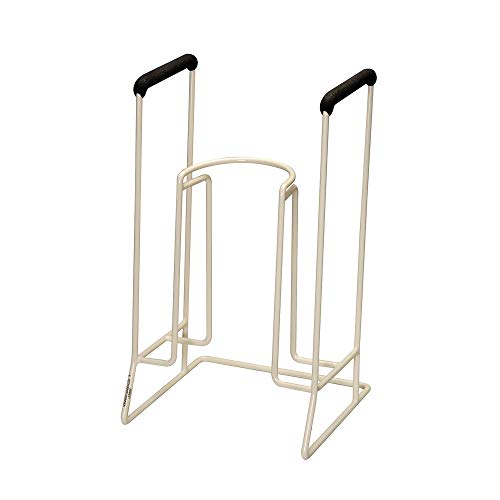 Best OverallJobst Stocking Donner with Foam Handles
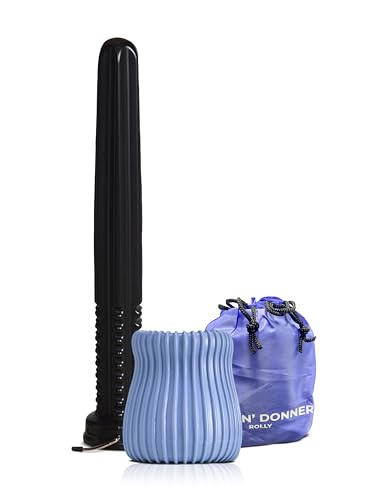 Best for On & OffSigvaris Doff N' Donner
 Best for Open-Toe StockingsJuzo Slippie Gator Stocking Donner
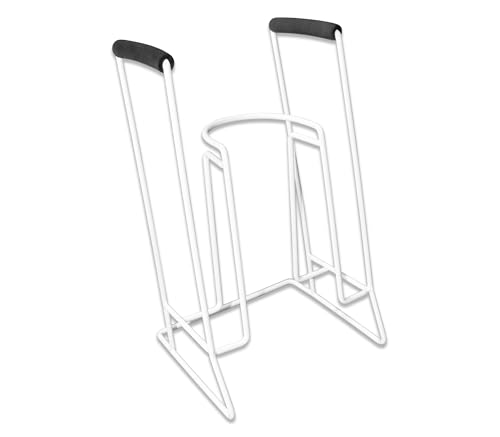 Best Basic FrameRehabilitation Advantage Stocking Donner
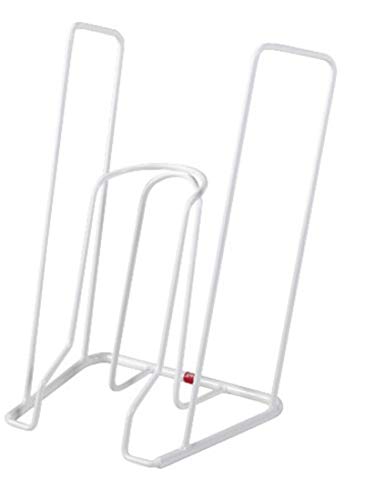 Best Flexible FrameMedi Butler Compression Stocking Aid
- What to look for
- Frequently asked questions
Compression stockings are prescribed for circulation, swelling, and clot prevention, but they're notoriously hard to put on — and for arthritis or weak hands, gripping and pulling that tight fabric can be impossible.
We may earn a commission when you buy through links on this page. Read our affiliate disclosure.
Top 5 Picks — Find Your Situation
#1 · Best Overall
Jobst Stocking Donner with Foam HandlesBest for: Most people who struggle to put on closed-toe compression stockings
#2 · Best for On & Off
Sigvaris Doff N' DonnerBest for: Severe arthritis, or anyone who also struggles to remove stockings
#3 · Best for Open-Toe Stockings
Juzo Slippie Gator Stocking DonnerBest for: Open-toe compression stockings, with minimal hand effort
#4 · Best Basic Frame
Rehabilitation Advantage Stocking DonnerBest for: People who want a simple, sturdy frame for closed-toe stockings
#5 · Best Flexible Frame
Medi Butler Compression Stocking AidBest for: People who want a frame but find a fully rigid one hard to handle
A dedicated compression sock aid solves it, because ordinary sock aids simply aren't strong enough for compression. What matters is a sturdy frame or a low-force device, the right fit for open-toe versus closed-toe stockings, long handles for reach, and easy grip for arthritic hands — and ideally help taking them off, which is nearly as hard. Our overall pick is the Jobst Stocking Donner with Foam Handles. Below are five options for different stockings and hands, plus why the right aid keeps you wearing the compression your health depends on.
A closer look at our top pick: the Jobst Stocking Donner with Foam Handles
Jobst Stocking Donner with Foam Handles
Best for: Most people who struggle to put on closed-toe compression stockings
- Type
- Rigid donning frame
- Handles
- Foam (easy on arthritis)
- For
- Closed-toe stockings
- Effort
- Frame holds fabric open
Independently researched · Updated October 2026
The Jobst Stocking Donner wins because it makes daily compression genuinely manageable while being kind to arthritic hands. You stretch the stocking over its rigid frame so the tight fabric is held open, step your foot in, and pull it up by the foam handles — which means the frame does the holding and the handles spread the load across your hands rather than your fingers. It's a straightforward design that can make putting on compression stockings much more manageable.
It's the sensible default for closed-toe stockings, which are the most common prescription. The honest limits are clear: it's for closed-toe (open-toe stockings need a foot slip instead), it takes a little practice, and it's larger to store. If removal is also a struggle, the roll-off Sigvaris device is worth the extra cost; for most arthritic hands donning closed-toe stockings, though, the Jobst is the best place to start.
What we love
- Makes donning genuinely possible
- Soft handles for arthritis
- Reduces hand grip and pulling
- Reliable, durable build
Things to consider
- For closed-toe (open-toe needs a slip)
- Takes a little practice
- Larger to store
Right for you if
- ✓You wear closed-toe compression stockings
- ✓You have arthritis and want soft, easy-grip handles
- ✓You want to reduce pulling force on your fingers
- ✓You want a proven, reliable frame
Maybe skip it if
- !You also struggle to take them off — the Sigvaris does both
- !You wear open-toe stockings — a Juzo Slippie foot slip fits
- !You want a plain, sturdy metal frame — the Rehabilitation Advantage donner
What owners consistently report
Common praise
- +Owners say it makes donning possible again
- +The foam handles are easy on sore hands
- +The frame's leverage reduces the grip needed
Common gripes
- –It's for closed-toe; open-toe needs a slip
- –Expect a short learning curve
- –Match the size to the leg and stocking
Getting started
- →Choose the size that suits the leg and stocking
- →Stretch the stocking fully and evenly onto the frame
- →Pull up smoothly by both handles together
How it compares
The Sigvaris Doff N' Donner is the better choice when removal is also hard or grip is very limited — it rolls stockings both on and off with minimal hand strength, though it costs more and takes practice. The Jobst frame is the affordable, reliable donning workhorse. Choose the Sigvaris for on-and-off with the least effort, the Jobst for everyday donning.
How we picked
We compared dedicated compression aids — donning frames, roll-on/off devices, and foot slips — on the hand force required, grip and handle design for arthritic hands, open-toe versus closed-toe compatibility, reach, and whether they help with removal. Our picks draw on manufacturer specs, occupational-therapy and vascular-care guidance, and owner feedback — not hands-on lab testing. With arthritic and weak hands in mind, we prioritized the lowest-effort, easiest-grip designs.
Reviewed by Kutubuddin — who researches senior-care products and the real-world needs of caregivers and older adults.
Other picks, reviewed
Sigvaris Doff N' Donner
The cleverest solution, and the one that needs the least grip. This roll-on, roll-off device puts compression stockings on and — crucially — takes them off, using a rolling motion instead of pulling, so very little hand strength is required. For severe arthritis or for anyone who finds removal as hard as donning, it's the standout.
What we like
- Puts on AND takes off
- Needs very little hand strength
- Rolling motion, no hard pulling
- Great for severe arthritis
Keep in mind
- Most expensive option
- Takes practice to master the technique
- A bit bulky
- Type
- Roll-on / roll-off device
- Does
- Both donning and removal
- Effort
- Very low grip — rolls, not pulls
- For
- Many stocking types
- Tier
- Premium
Juzo Slippie Gator Stocking Donner
The right tool for open-toe stockings. This low-friction slip goes over the foot so the stocking glides on easily, then pulls out through the open toe. It needs little hand force and avoids the friction that makes open-toe compression so frustrating by hand — a simple, effective aid for a specific stocking type.
What we like
- Designed for open-toe stockings
- Low-friction, easy glide
- Little hand strength needed
- Compact and simple
Keep in mind
- Open-toe only
- Removed through the toe hole
- Not for closed-toe stockings
- Type
- Low-friction foot slip
- For
- Open-toe stockings
- How
- Glides sock on, pulls out at toe
- Effort
- Low hand force
- Size
- Compact
Rehabilitation Advantage Stocking Donner
A plain, sturdy donning frame without extras. The metal frame holds the stocking open while you step in, the vinyl coating lets the fabric slide off without snagging, and the rubber-covered handles have soft foam grips for weaker hands. It can be used sitting or standing, which suits people who need to stay seated to dress.
What we like
- Rigid frame holds tight fabric open
- Snag-free coating protects stockings
- Foam grips for weaker hands
- Works seated or standing
Keep in mind
- No help taking stockings off
- Closed-toe focus
- Frame takes practice to load
- Type
- Metal donning frame
- Coating
- Vinyl, snag-free
- Handles
- Rubber-covered, foam grips
- Use
- Seated or standing
- For
- Closed-toe stockings
Medi Butler Compression Stocking Aid
A well-regarded frame with a slightly more flexible, forgiving design that some find easier to load and maneuver than a fully rigid frame. It holds the stocking open for an easier step-in and pull-up, and comes in versions suited to different leg sizes and reach needs. A strong alternative for those who want a frame but find a rigid one awkward.
What we like
- Easier to load than fully rigid
- Holds the stocking open well
- Size and reach options
- Trusted medical brand
Keep in mind
- Pricier than budget frames
- Still takes practice
- Closed-toe focus
- Type
- Flexible donning frame
- Feel
- More forgiving to load
- For
- Closed-toe stockings
- Options
- Sizes / reach versions
- Brand
- Medi (trusted)
What to look for
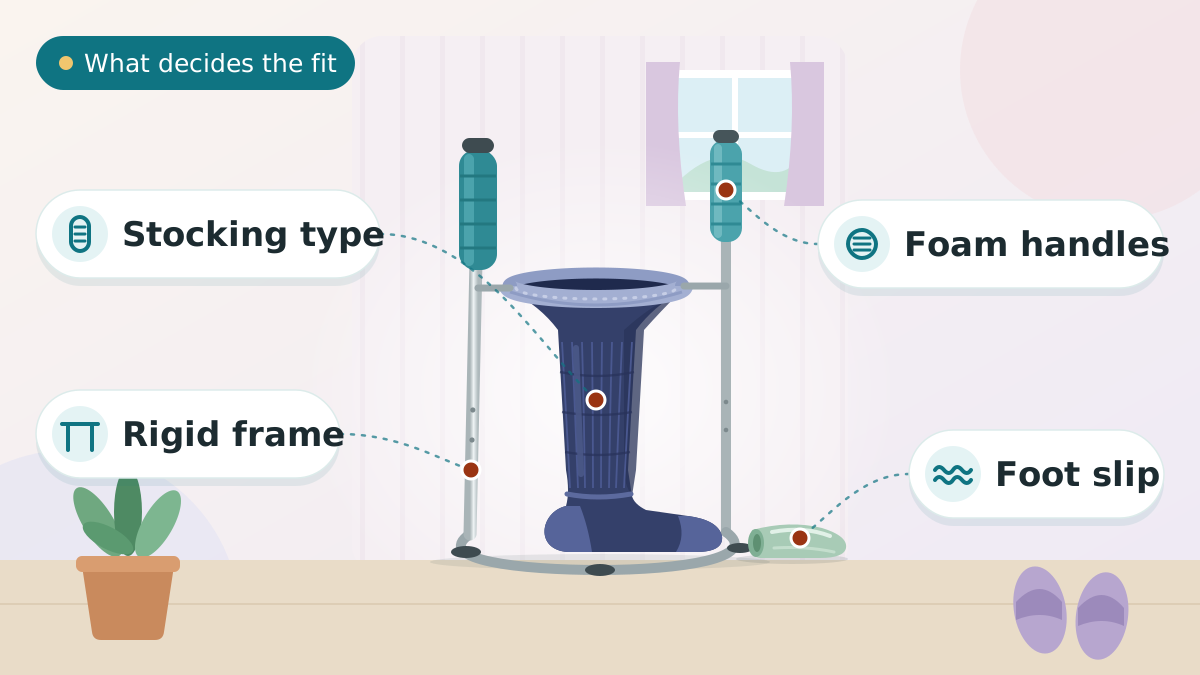
Why a regular sock aid isn't enough
It's a common and costly mistake to reach for an ordinary sock aid here.
Regular sock aids are built for soft, stretchy socks, but compression stockings need far more force to apply, and a standard aid simply can't hold that tight fabric open. Using a dedicated, sturdier compression aid can ease the struggle that leads many people to stop wearing the compression they've been prescribed.
Open-toe vs closed-toe (and compression level)
The type of stocking decides the type of aid, so check yours first.
Closed-toe stockings suit a rigid donning frame you stretch the sock over, while open-toe stockings work with a low-friction foot slip you glide the sock over and remove through the toe hole. Note your compression level too — 15-20, 20-30, or 30-40 mmHg — since higher compression is harder to apply and makes a good aid even more important.
Easy grip and low force — key for arthritis
For arthritic hands, the amount of grip an aid demands matters most of all.
Prioritize aids with large, comfortable handles and the lowest effort. A roll-on, roll-off device needs very little grip strength because it rolls rather than pulls, while frames with foam handles reduce the pulling force on the fingers. The less hand strength required, the more likely the person can manage independently.
Reach without bending
If reaching the feet is also difficult, factor that in.
For someone with hip precautions, back pain, or a larger build, choose an aid with long handles or cords so the stocking can be applied without bending down to the foot. Some frames are made in taller or extended-reach versions specifically for this.
Don't forget taking them off
Removal is the half of the job people overlook, and it's nearly as hard.
Peeling off a tight stocking can be as difficult as putting it on, so consider an aid that helps with both — a roll-off device handles removal as well as donning — or add a separate doffing aid or removal stick. Planning for both ends of the day saves a real daily struggle.
Read more:Daily Living Aids for Seniors
Tips to Choose Compression Sock Aids
Short on time? Here are the key points to weigh before choosing, each covered in detail above:
- Why a regular sock aid isn't enough
- Open-toe vs closed-toe (and compression level)
- Easy grip and low force — key for arthritis
- Reach without bending
- Don't forget taking them off
Comparing options? See our best sock aids for seniors guide for everyday socks, plus best dressing aids and best reacher grabber tools for the rest of a no-bend routine.
Why compression matters — and why aids protect adherence
There's a bigger reason these aids matter than convenience alone.
Compression is prescribed for venous insufficiency, swelling, deep-vein-thrombosis prevention, varicose veins, and lymphedema, and it only works if it's worn consistently. The trouble is that many people stop wearing prescribed stockings simply because they can't get them on — so a good donning aid is really an adherence tool that keeps the person using the therapy their health depends on. If donning stays impossible even with an aid, ask about a caregiver routine or a different compression garment. Our managing chronic conditions guide has more.
Compression sock aids and arthritis
For arthritic hands specifically, the right aid changes what's possible.
Arthritis makes the strong grip and pulling that compression requires painful or impossible, so the best aids take the grip out of the equation entirely: roll-on, roll-off devices and frames with long foam handles let the person apply firm compression with very little hand strength. Pair these with other dressing aids and a reacher for broader independence, and ask an occupational therapist to demonstrate the technique, since these tools are much easier once shown.
Frequently asked questions
A compression sock aid is a device that helps put on tight compression stockings without strong grip or bending. The most common type is a rigid frame: you stretch the stocking over it so the fabric is held open, step your foot in, and pull it up by handles. Other types include a roll-on, roll-off device and low-friction foot slips. All of them reduce the hand strength and force needed.
Yes, they're often essential. Arthritis makes the strong grip and pulling that compression stockings demand painful or impossible, and a good aid removes that by holding the fabric open and letting you pull by handles, or by rolling the stocking on with almost no grip. For many people with arthritis, a donning aid is the difference between wearing prescribed compression and giving up on it.
Yes, but choose a sturdy aid designed for higher compression. The tighter the stocking, the more force is needed and the more the aid matters. Rigid donning frames and roll-on, roll-off devices handle firm 20-30 and 30-40 mmHg stockings far better than a basic sock aid. For the strongest compression, a roll-on device that needs minimal grip is often the easiest to manage.
Many reduce or remove the need to bend, which is a key benefit. Frames with long handles, and devices designed for extended reach, let the person apply the stocking without bending to the foot — important after hip surgery, with back pain, or for a larger build. If reaching the feet is a problem, look specifically for a long-handled or extended-reach aid.
A rigid frame holds its shape firmly, keeping the stocking fully open for a secure step-in and strong pull-up, which suits tight compression. A flexible aid bends a little, which some people find easier to load and maneuver, though it offers less rigidity for very tight stockings. Rigid frames are the workhorses for firm compression; flexible ones can be friendlier for moderate compression or limited dexterity.
Most can be wiped down with mild soap and water or a disinfectant wipe, since they don't usually contact much except the stocking and your hands. Fabric foot slips may be hand-washable. Avoid harsh chemicals that could degrade the material, and dry the aid before storing. Check the manufacturer's instructions, but generally a quick periodic clean keeps a compression aid hygienic and in good condition.
Knee-high stockings work well with standard donning frames and slips. Thigh-high and full-length compression are harder and may need a taller frame, an extended-reach aid, or a roll-on device, since more stocking has to be managed. Check that the aid is rated for the length you wear. For thigh-highs in particular, a roll-on, roll-off device often handles the extra length most easily.
Usually not the aid itself. Medicare generally doesn't cover compression stockings for most conditions, and donning aids are typically treated as convenience items, so both are often out of pocket — though coverage can differ for specific diagnoses like an open venous ulcer. HSA or FSA funds can often be applied. Check your specific plan and diagnosis, since rules vary.
A quality compression aid generally lasts a long time, since frames and devices are built to withstand daily use. Replace one when a frame cracks or warps, handles wear, or a fabric slip loses its low-friction surface. Because these aids take real force in use, inspect them periodically and replace any that show damage, rather than risk a frame failing mid-donning.
Usually the stocking isn't stretched on far enough or evenly. Pull it fully and smoothly over the frame so it's taut all the way around before stepping in, and make sure you're using the right frame size for that stocking. Some frames have grips or notches to hold the fabric — check it's seated in them. With the correct size and a fully loaded frame, slipping is uncommon.
The final verdict
For most people who struggle with compression stockings, a rigid donning frame like the Jobst Stocking Donner is the best aid — it holds the tight fabric open so your hands don't have to, and its foam handles are kind to arthritis. If taking them off is also hard, or grip is very limited, the Sigvaris Doff N' Donner rolls them both on and off; for open-toe stockings use a Juzo Slippie foot slip; the Rehabilitation Advantage is a plain, sturdy basic frame; and the Medi Butler is a more forgiving frame to load. Match the aid to your stocking type and compression level, prioritize low hand force for arthritis, and don't overlook removal — the right aid keeps you wearing the compression your circulation needs.
Our overall winner is the Jobst Stocking Donner with Foam Handles. You can check the current price on Amazon.
Our Top 5 Picks at a Glance
Ready to choose? Here are the top 5 again.
Best Overall
Jobst Stocking Donner with Foam Handles
Best for On & Off
Sigvaris Doff N' Donner
Best for Open-Toe Stockings
Juzo Slippie Gator Stocking Donner
Best Basic Frame
Rehabilitation Advantage Stocking Donner
Best Flexible Frame
Medi Butler Compression Stocking Aid
Affiliate links — we may earn a commission.
