Caregiver Guide

Daily Living Aids Every Caregiver Should Know

Senior using daily living aids including sock aid, reacher tool, and adaptive utensils for independent living at home

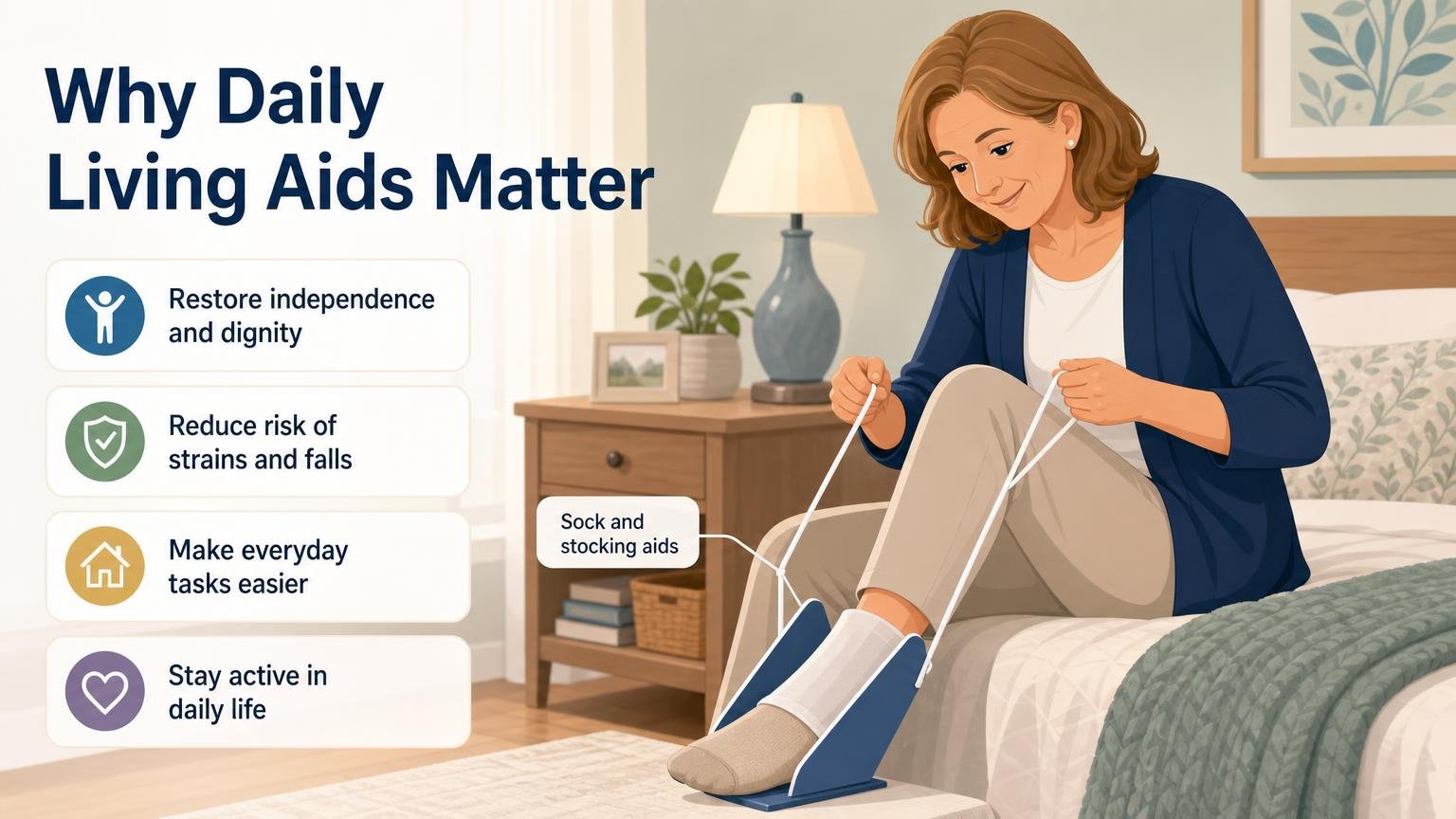
Small assistive tools can make an enormous difference in a senior's daily life. The right daily living aids help older adults complete everyday tasks safely, maintain their dignity, and preserve independence at home.

According to the Centers for Disease Control and Prevention, one in four Americans aged 65+ falls each year, and many of these falls occur during routine daily activities like dressing, bathing, or moving around the home. Daily living aids can reduce these risks by up to 60% when used consistently.

Whether it's dressing without assistance, preparing meals with confidence, or moving safely around the house, these simple devices reduce fall risk, prevent injuries, and allow seniors to age in place with greater comfort and security.

This comprehensive caregiver guide covers the essential daily living aids that truly make a difference—from dressing and eating tools to bathroom safety equipment and mobility support. You'll learn which aids work best for specific challenges, how to introduce them without embarrassment, and when to seek professional occupational therapy guidance.

Whether you're a family caregiver supporting an aging parent, a professional home health aide, or a senior exploring independence options, this guide will help you make informed decisions that prioritize both safety and dignity.

Key Takeaways for Caregivers

Sock aids and long-handled shoe horns eliminate dangerous bending during dressing

Reacher grabber tools prevent 60% of bending-related falls when used consistently

Easy-grip utensils and adaptive kitchen tools maintain mealtime independence

Toilet safety frames reduce bathroom transfer falls by 70%

Motion-sensor night lights cut nighttime fall risk by 50%

Start with 1-2 aids to avoid overwhelming seniors with too many changes

Occupational therapy assessments help match aids to specific mobility levels

Quick Daily Living Aid Checklist

Essential assistive tools every caregiver should consider

  • Dressing aids for independence
  • Reachers for safer bending
  • Kitchen tools for weak grip
  • Bathroom supports for transfers
  • Mobility helpers for confidence

What Are Daily Living Aids?

Collection of daily living aids including sock aid, button hook, reacher grabber, and adaptive utensils

Daily living aids (also called Activities of Daily Living or ADL aids) are assistive devices designed to help seniors complete everyday tasks safely and independently. These tools address common challenges that come with aging, such as reduced grip strength, limited mobility, balance changes, and difficulty bending or reaching.

From simple button hooks to sophisticated grab bars, these aids transform difficult or dangerous tasks into manageable activities. They allow older adults to maintain dignity, reduce caregiver burden, and continue living independently at home.

The right daily living aids don't just make life easier—they prevent falls, reduce injury risk, and give both seniors and caregivers greater peace of mind. Research from the National Institute on Aging shows that appropriate assistive devices can extend independent living by 3-5 years on average.

Six Main Categories of Daily Living Aids

Dressing Aids

Sock aids, button hooks, zipper pulls, long-handled shoe horns

Eating & Kitchen Aids

Adaptive utensils, jar openers, non-slip mats, plate guards

Bathing & Grooming

Long-handle sponges, shower chairs, handheld sprayers, bath benches

Reaching & Mobility

Reacher grabbers, canes, walkers, transfer poles

Medication Management

Pill organizers, automatic dispensers, reminder systems

Safety & Transfer

Toilet safety rails, bed assist handles, grab bars, night lights

Learn More About Aging in Place:

National Institute on Aging – Aging in Place

Everyday Challenges Seniors Face

Understanding these common difficulties helps caregivers choose the right assistive tools

High Risk

Difficulty Bending or Reaching

Picking up items from the floor or reaching high shelves becomes risky and painful

Common Issue

Weak Grip from Arthritis

Opening jars, turning doorknobs, and holding utensils becomes frustrating and difficult

Daily Struggle

Trouble Dressing Independently

Putting on socks, shoes, and buttoning clothes without help feels impossible

Safety Concern

Fatigue During Meal Prep

Standing to cook, carrying dishes, and using standard kitchen tools exhausts energy

High Risk

Bathroom Transfer Risks

Getting on and off the toilet or in and out of the shower poses fall danger

Critical Risk

Balance Changes While Walking

Moving through the home, especially at night, increases fall and injury risk

Dressing Aids: Maintain Independence Without Bending

Senior using sock aid and dressing tools for independent morning routine without bending

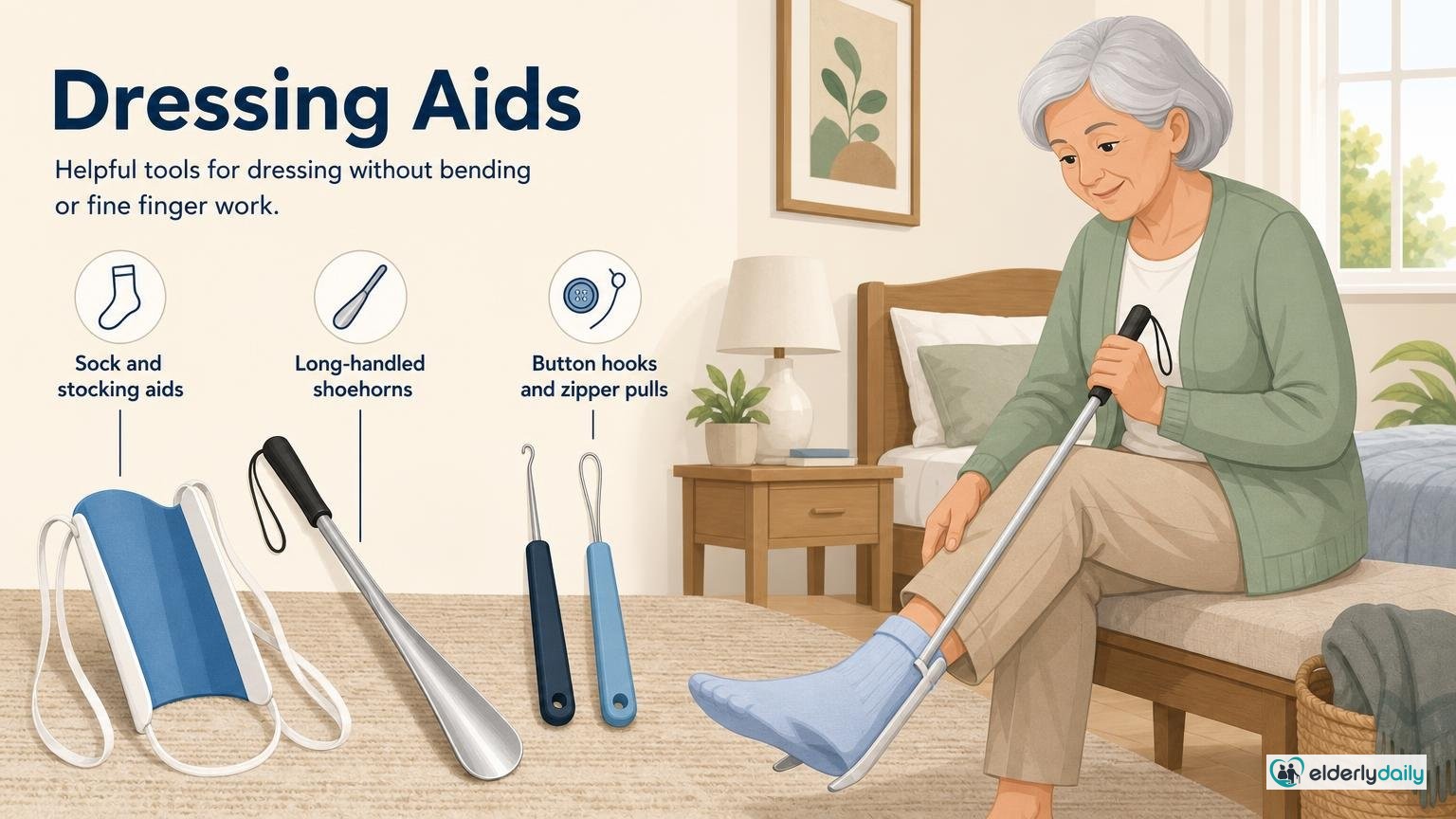
Dressing is one of the most personal daily activities, and losing the ability to dress independently can significantly impact a senior's dignity and self-esteem. Dressing aids help older adults put on clothes, shoes, and socks without dangerous bending, stretching, or assistance from others.

Essential Dressing Aids

  • Sock Aid Tool: Holds socks open for easy foot insertion without bending
  • Long-Handled Shoe Horn: 18-24 inch handle eliminates bending to put on shoes
  • Button Hook & Zipper Pull: Helps with small fasteners when grip strength is limited
  • Dressing Stick: Pulls up pants, adjusts clothing without reaching
  • Elastic Shoelaces: Convert lace-up shoes to slip-ons for easier wear

Who Benefits Most

  • Seniors recovering from hip or knee replacement surgery
  • Individuals with arthritis or limited hand dexterity
  • Those with chronic back pain or spinal conditions
  • Seniors with balance issues who can't safely bend
  • Anyone who wants to maintain morning routine independence

Caregiver Tip: Start with Sock Aids

Sock aids are the easiest dressing tool to introduce because they provide immediate, obvious benefit. Most seniors can master them in 2-3 tries, and the independence gained builds confidence for trying other assistive devices. Pair with a long-handled shoe horn for complete lower-body dressing independence.

Eating & Kitchen Aids: Maintain Mealtime Independence

Senior using adaptive utensils and easy-grip kitchen tools for independent mealtime

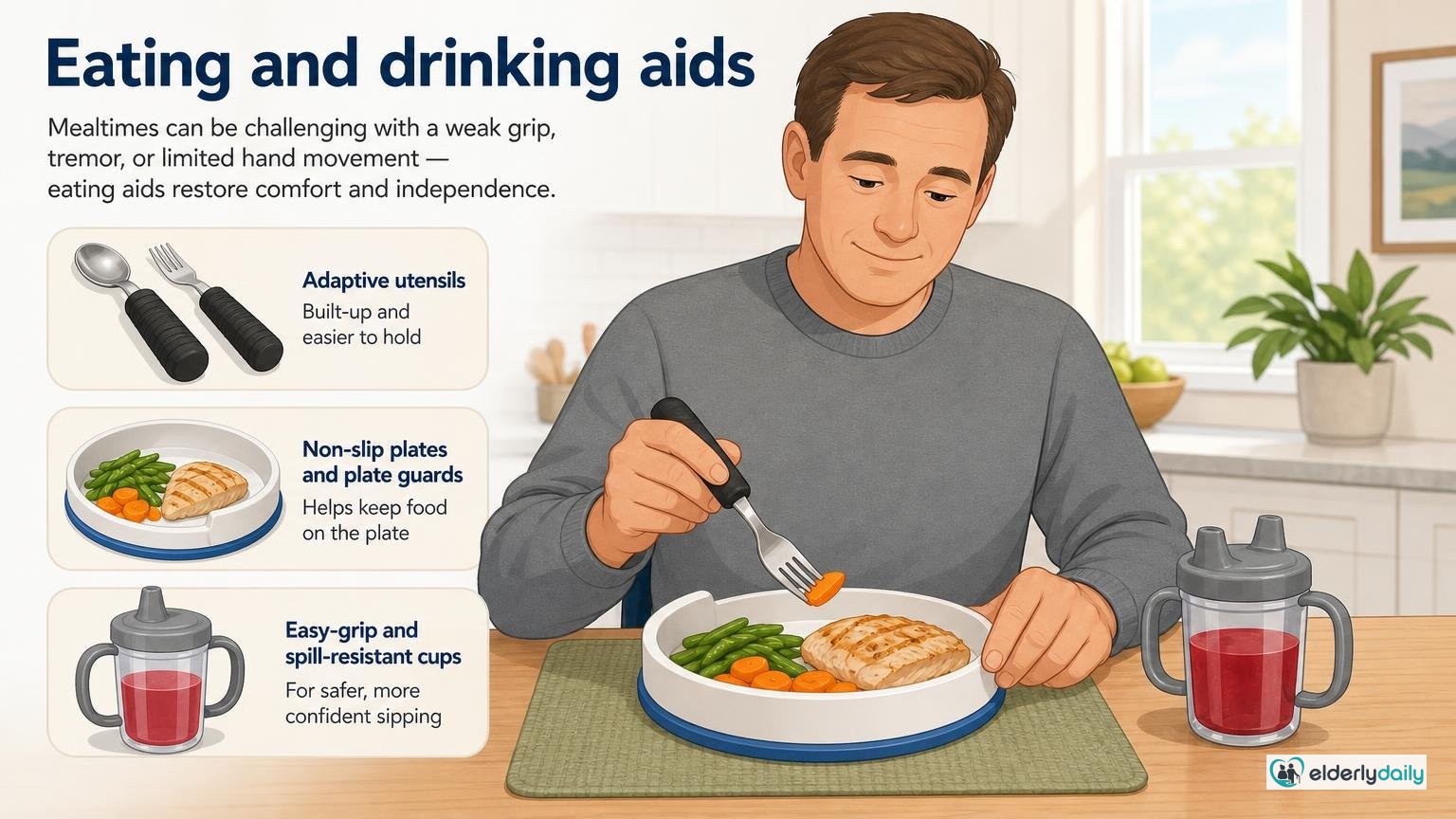
Eating and meal preparation are essential daily activities that become challenging when grip strength weakens or hand dexterity declines. Adaptive kitchen and eating aids help seniors maintain nutrition independence, reduce mealtime frustration, and continue enjoying food safely.

Essential Eating Aids

  • Easy-Grip Utensils: Thick, cushioned handles reduce hand strain for arthritis
  • Weighted Utensils: Stabilize tremors from Parkinson's or essential tremor
  • Plate Guards & Scoop Dishes: Prevent food from sliding off plates during one-handed eating
  • Non-Slip Dining Mats: Keep plates, bowls, and cups stable on table surfaces
  • Angled Utensils: Reduce wrist bending for limited range of motion

Kitchen Prep Tools

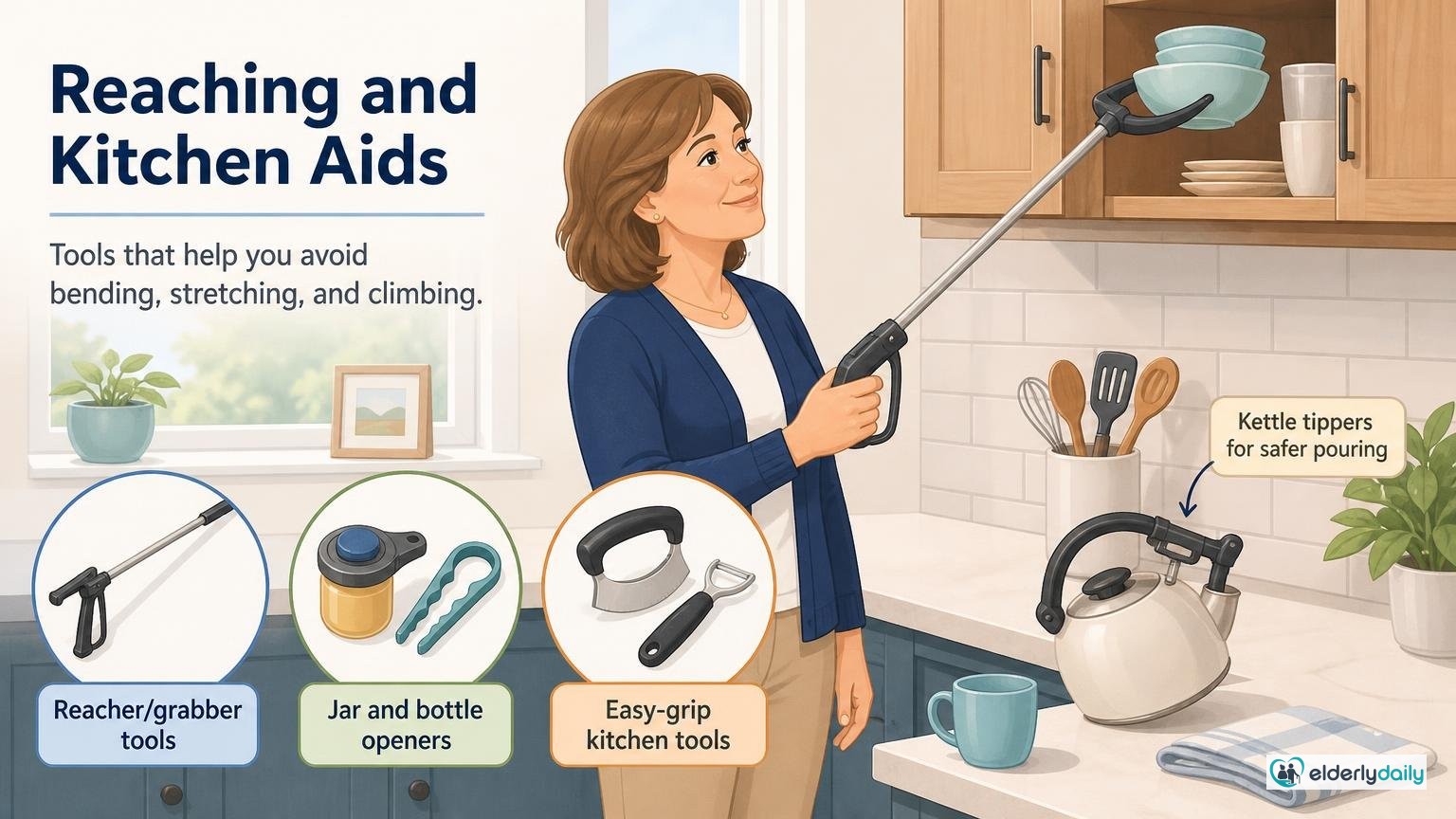
  • Electric Jar Openers: Open jars automatically without grip strength
  • Easy-Grip Can Openers: Large handles and smooth turning for weak hands
  • Rocker Knives: Cut food with rocking motion instead of sawing
  • Cutting Boards with Spikes: Hold food steady for one-handed cutting
  • Lightweight Cookware: Reduce strain when lifting pots and pans

Expected Benefits

Better Nutrition

Easier eating means more consistent meals and improved health

Preserved Dignity

Eat independently without assistance or embarrassment

Reduced Choking Risk

Better utensil control means safer, more controlled eating

Reaching & Mobility Tools: Prevent Dangerous Bending

Bending to pick up dropped items is one of the most common causes of falls in seniors. Reacher grabber tools and mobility aids eliminate this risk while helping older adults move safely throughout their homes.

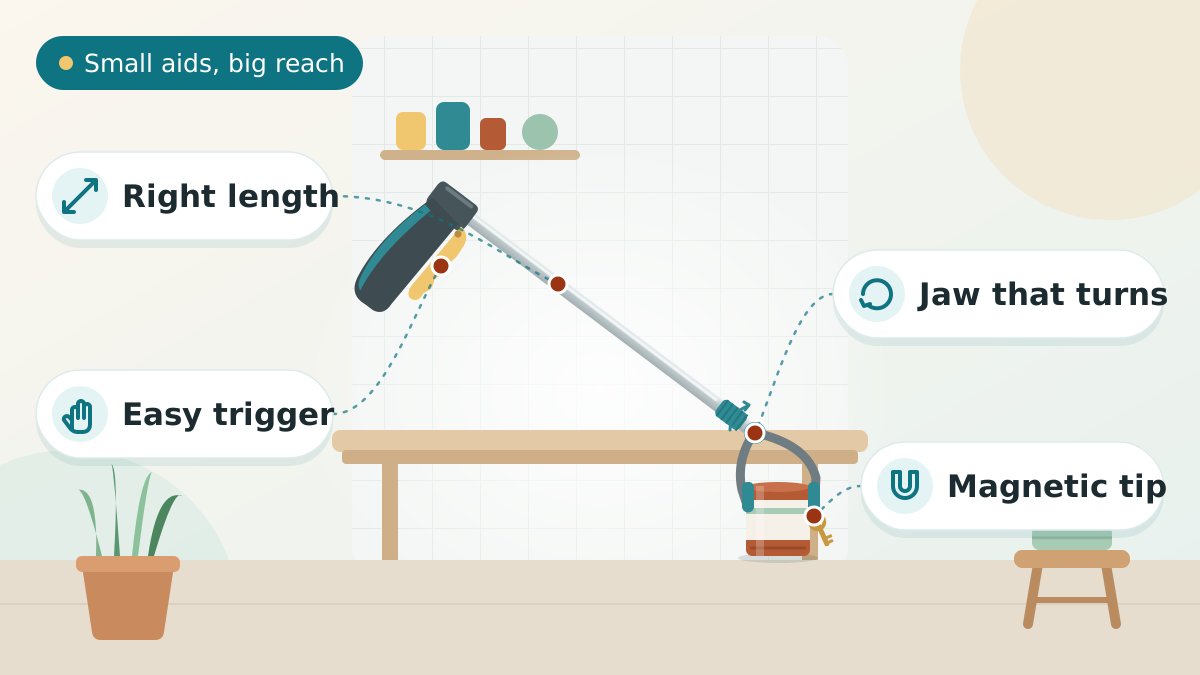
Reacher Grabber Tools

  • 26-32 Inch Length: Reach floor items without bending at all
  • Magnetic Tips: Pick up small metal objects like keys, coins
  • Rotating Heads: Grab items at any angle, even behind furniture
  • Lightweight Design: Easy to use even with limited arm strength

Fall Prevention Impact: Reacher tools reduce bending-related falls by 60% when used consistently for dropped items.

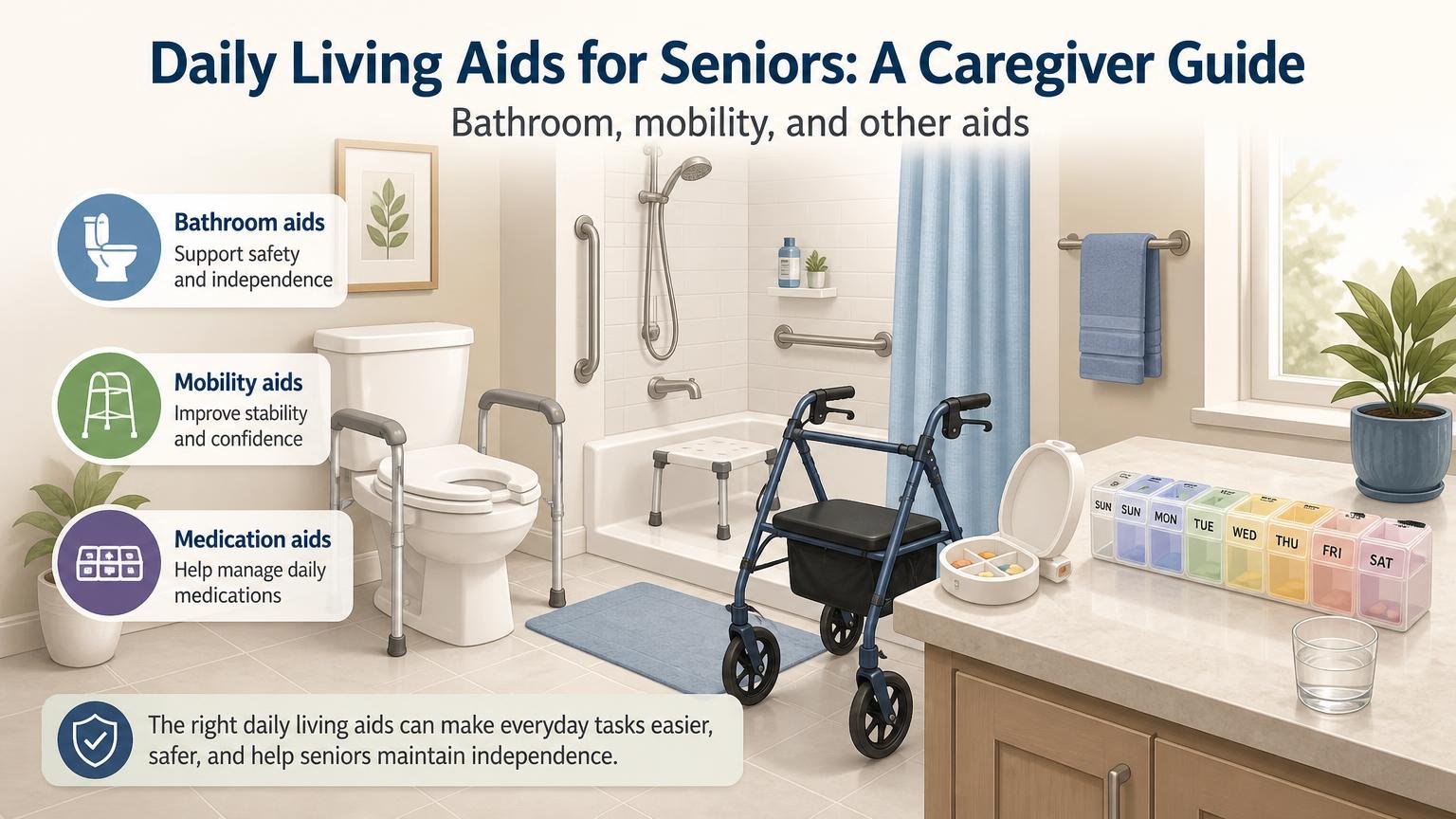
Mobility Support Aids

  • Canes: Provide balance support for mild mobility issues
  • Walkers: Stable four-point support for moderate balance needs
  • Rollators: Wheeled walkers with seats for longer distances
  • Transfer Poles: Floor-to-ceiling support for standing from chairs

Safety Impact: Properly fitted mobility aids reduce fall risk by 60-70% compared to walking unsupported.

Caregiver Tip: Keep Reachers in Every Room

Place a reacher grabber in the bedroom, living room, and kitchen so your loved one never has to walk far to retrieve one. This ensures they'll actually use the tool instead of risking a dangerous bend. Cost: $15-25 per reacher, well worth the fall prevention benefit.

Bathing & Grooming Aids: Safe Personal Care

Bathing and grooming are essential for health and dignity, but they become high-risk activities as mobility declines. Bathroom safety aids help seniors maintain personal hygiene independently while dramatically reducing fall risk.

Bathing Safety Aids

  • Shower Chairs & Benches: Sit safely while bathing, eliminate standing fatigue
  • Handheld Shower Sprayers: Reach all body areas while seated comfortably
  • Transfer Benches: Slide into tub safely without stepping over edge
  • Non-Slip Bath Mats: Prevent slipping on wet shower and tub surfaces
  • Grab Bars: Provide stable support for entering/exiting shower

Grooming Tools

  • Long-Handle Bath Sponges: Wash back, legs, feet without bending or stretching
  • Easy-Grip Hairbrushes: Thick handles for arthritis-friendly grooming
  • Nail Clippers with Magnifiers: See clearly for safe nail trimming
  • Electric Razors: Safer than manual razors for tremors or poor vision
  • Suction Cup Mirrors: Position at ideal height for seated grooming

Critical Safety Note

According to the CDC, 80% of senior falls occur in the bathroom, with the majority happening during bathing and transfers. Installing grab bars, shower chairs, and non-slip mats can reduce bathroom fall risk by up to 80%. These are not optional upgrades—they are essential safety equipment.

Essential Grooming Aids for Independence

Maintaining personal grooming becomes challenging with arthritis, tremors, or limited dexterity. Electric nail clippers provide safe, arthritis-friendly nail care without requiring strong grip strength or precise hand control. These adaptive grooming tools help seniors maintain dignity and independence in daily self-care routines.

Medication Management & Safety Aids

Managing multiple medications correctly is crucial for senior health and safety. Medication aids help prevent dangerous missed doses, accidental double-dosing, and confusion about complex medication schedules.

Medication Organization Tools

  • Weekly Pill Organizers: Sort medications by day and time (AM/PM/Noon/Bedtime)
  • Monthly Pill Boxes: Pre-sort entire month for complex medication schedules
  • Large-Compartment Organizers: Hold multiple pills or larger vitamins comfortably
  • Easy-Open Pill Boxes: Simple lids for arthritis or limited hand strength

Automatic Dispensers & Reminders

  • Automatic Pill Dispensers: Dispense correct dose at scheduled times with alarms
  • Medication Reminder Apps: Smartphone alerts for tech-comfortable seniors
  • Vibrating Pill Timers: Discreet reminders for seniors with hearing loss
  • Caregiver Alert Systems: Notify family if medication dose is missed

Medication Safety Statistics

50%

of seniors don't take medications as prescribed

125,000

annual deaths from medication non-adherence

80%

improvement with automatic dispensers

Essential Daily Living Aids Caregivers Recommend

Trusted assistive tools that help seniors maintain independence and safety at home

Dressing

Sock Aid Tool

Dress independently without bending

Check on Amazon
Dressing

Long-Handled Shoe Horn

Put on shoes safely without strain

Check on Amazon
Mobility

Reacher Grabber Tool

Pick up items without dangerous bending

Check on Amazon
Dressing

Button Hook Zipper Pull

Fasten clothes with weak grip

Check on Amazon
Kitchen

Non-Slip Dining Mats

Keep plates stable during meals

Check on Amazon
Kitchen

Easy-Grip Utensils

Eat comfortably with arthritis

Check on Amazon
Health

Pill Organizer Box

Manage medications independently

Check on Amazon
Bathroom

Shower Handheld Sprayer

Bathe safely while seated

Check on Amazon
Bathroom

Toilet Safety Frame

Transfer safely with support rails

Check on Amazon
Bedroom

Bed Assist Rail

Get in and out of bed securely

Check on Amazon
Mobility

Walker Tray Accessory

Carry items while using walker

Check on Amazon
Safety

Motion Sensor Night Light

Prevent nighttime falls automatically

Check on Amazon

Affiliate Disclosure: ElderlyDaily participates in the Amazon Services LLC Associates Program. Purchases through our links may earn a small commission at no extra cost to you, helping us provide free caregiver guides.

Caregiver Decision Helper

Compare daily living aids to find the right fit for your loved one's needs

AidBest ForDifficulty LevelCost RangeCaregiver Priority
Sock Aid ToolLimited bending, hip/back painEasy$⭐⭐⭐⭐⭐
Reacher GrabberPicking up items, avoiding fallsEasy$⭐⭐⭐⭐⭐
Easy-Grip UtensilsArthritis, weak grip strengthEasy$$⭐⭐⭐⭐
Toilet Safety FrameBathroom transfers, fall preventionModerate$$⭐⭐⭐⭐⭐
Bed Assist RailGetting in/out of bed safelyModerate$$⭐⭐⭐⭐
Button Hook ToolDressing with limited dexterityEasy$⭐⭐⭐
Motion Sensor LightNighttime fall preventionEasy$⭐⭐⭐⭐⭐
Shower Handheld SprayerSeated bathing, mobility limitsModerate$$⭐⭐⭐⭐

Cost Guide: $ = Under $20 | $$ = $20-$50 | $$$ = $50+

Room-by-Room Daily Living Aid Guide

Strategic placement of assistive tools throughout the home for maximum safety and independence

Bedroom

  • Bed assist rails for safe transfers
  • Sock aids and dressing sticks
  • Long-handled shoe horns
  • Reacher tools for dropped items
  • Motion sensor night lights

Bathroom

  • Toilet safety frames with armrests
  • Grab bars near toilet and shower
  • Shower chairs or transfer benches
  • Handheld shower sprayers
  • Non-slip bath mats

Kitchen

  • Easy-grip utensils for arthritis
  • Jar openers and bottle grips
  • Non-slip dining mats
  • Lightweight cookware
  • Ergonomic cutting tools

Living Areas

  • Reacher grabber tools (26-32 inch)
  • Walkers with seats and trays
  • Lift chairs for easier standing
  • Motion-activated lighting
  • Phone amplifiers and holders

Top 10 Daily Living Aids for Aging in Place

Ranked by caregiver recommendations and senior satisfaction

1Reacher Grabber
95%
2Sock Aid Tool
92%
3Motion Sensor Lights
90%
4Toilet Safety Frame
88%
5Easy-Grip Utensils
85%
6Bed Assist Rail
82%
7Shower Handheld Sprayer
80%
8Long Shoe Horn
78%
9Button Hook Tool
72%
10Pill Organizer
70%

Most Common Tasks Seniors Need Help With

Percentage of seniors reporting difficulty with daily activities

Dressing (socks, shoes)78%
78%
Bathroom transfers72%
72%
Bending to pick up items68%
68%
Meal preparation62%
62%
Getting in/out of bed58%
58%
Medication management52%
52%

Data reflects common caregiver reports and senior independence surveys

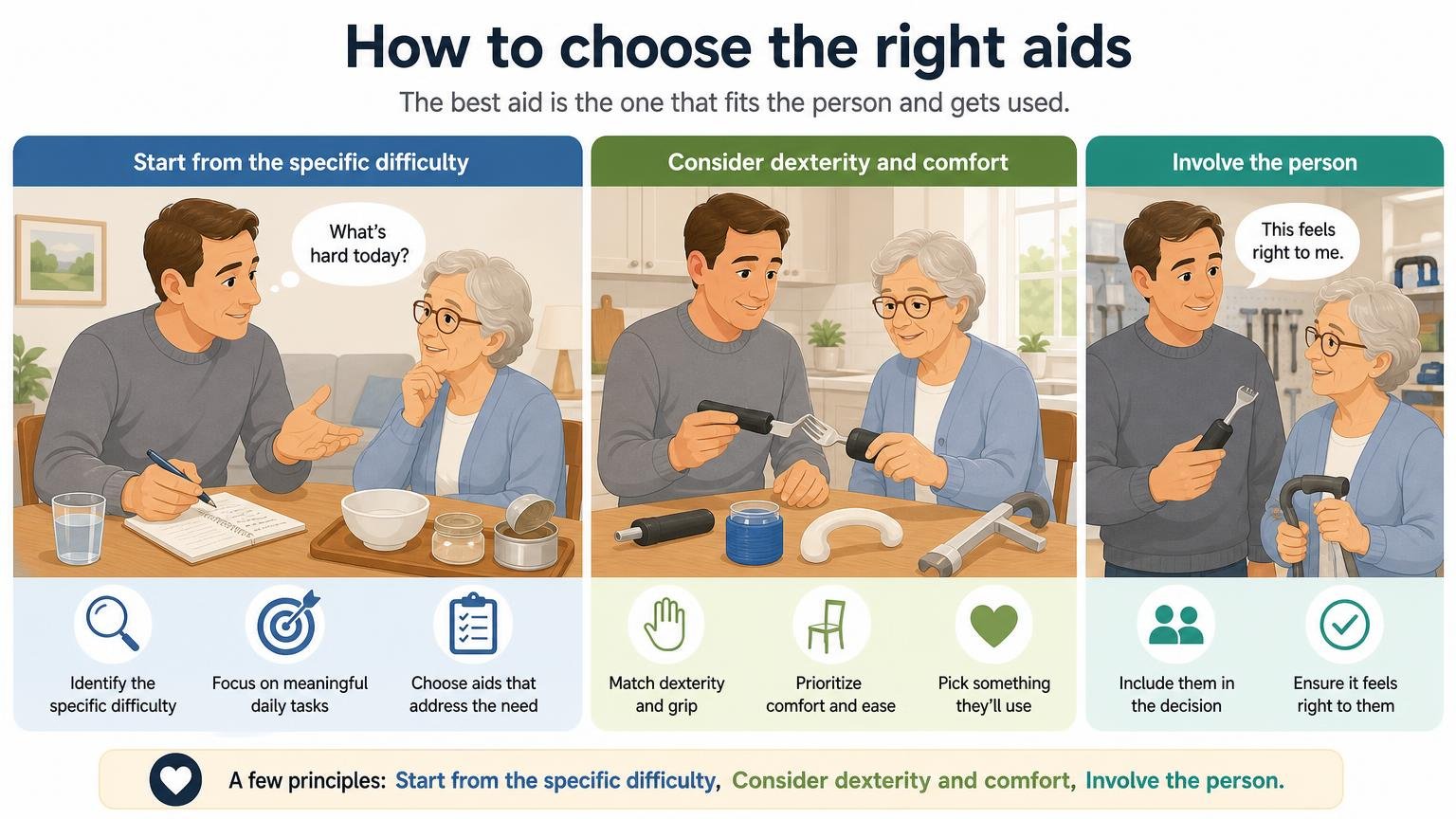
Caregiver Tips for Introducing Assistive Tools

Human, realistic advice for helping seniors accept and use daily living aids

Let Seniors Try Tools Privately First

Allow your loved one to experiment with new aids alone before offering help. This preserves dignity and builds confidence.

Focus on Independence, Not Disability

Frame aids as convenience tools that make life easier, not as medical equipment for people who can't manage.

Choose Modern, Non-Clinical Designs

Select aids that look stylish and contemporary rather than institutional. Seniors are more likely to use attractive tools.

Start with 1–2 Small Improvements

Don't overwhelm with too many changes at once. Introduce one aid, let them adjust, then add another.

Keep Phone or Alert Device Accessible

Ensure emergency contact methods are always within reach, especially in bathroom and bedroom areas.

Avoid Rushing to Answer Doors or Phones

Remind seniors that hurrying causes falls. It's okay to let calls go to voicemail or visitors wait a moment.

Use Night Lights for Safe Walking

Install motion-sensor lights in hallways, bathrooms, and bedrooms to prevent nighttime falls.

Schedule Regular Strength Exercises

Combine assistive aids with gentle exercise to maintain muscle strength, balance, and overall mobility.

Learn More About Senior Exercise and Fall Prevention

Combining daily living aids with regular strength and balance exercises provides the best protection against falls and maintains independence longer.

Weekly Independence Practice Plan

Help your loved one build confidence with daily living aids through gradual, supervised practice. This weekly plan introduces one new skill at a time, allowing seniors to master each aid before moving to the next.

1-2

Days 1-2

Dressing Independence

  • Practice sock aid 2x daily (morning/evening)
  • Use long-handled shoe horn for all footwear
  • Supervise first 3-4 attempts, then observe
3-4

Days 3-4

Reaching Safety

  • Place reacher grabber in each room
  • Practice picking up 5-10 items daily
  • Remind: "Use reacher, don't bend"
5-6

Days 5-6

Mealtime Tools

  • Introduce easy-grip utensils at meals
  • Use non-slip mat under plates/bowls
  • Practice jar opener for snacks
7+

Day 7+

Bathroom Safety

  • Practice using toilet safety rails
  • Sit on shower chair for bathing
  • Use long-handle sponge for washing

Practice Guidelines for Caregivers

Be Patient

Allow 5-10 minutes extra time for each task initially. Rushing creates frustration and resistance.

Supervise, Don't Take Over

Watch closely but let them complete tasks independently. Only assist if truly needed.

Celebrate Small Wins

Acknowledge each successful use: "You did that perfectly!" builds confidence.

Repeat Daily

Consistency builds muscle memory. Practice the same tasks at the same times each day.

Caregiver Tip: One Aid at a Time

Don't introduce all aids at once. Master one category (dressing) before moving to the next (reaching). This prevents overwhelm and builds confidence gradually. Most seniors need 3-5 days to feel comfortable with a new aid before adding another.

When to Seek Professional Help

While many daily living aids can be selected by caregivers, certain situations require professional occupational therapy (OT) assessment to ensure safety and proper equipment matching.

Seek OT Assessment If:

  • Your loved one has fallen 2+ times in the past year
  • Balance or mobility has noticeably declined recently
  • Recovering from surgery (hip, knee, shoulder, stroke)
  • Grip strength is severely limited (can't open doors)
  • Fear of falling limits daily activities significantly
  • Unsafe transfers even with basic aids in place

What OTs Provide:

  • Home Safety Assessment: Professional evaluation of fall risks in your home
  • Equipment Recommendations: Specific aids matched to mobility level and needs
  • Proper Fitting: Ensure walkers, canes, and aids are correct height
  • Training Sessions: Teach safe transfer techniques and aid usage
  • Caregiver Education: Show family members how to assist safely
  • Medicare Documentation: Prescriptions for covered durable medical equipment

Medicare Coverage for OT Assessments

Medicare Part B covers occupational therapy when deemed medically necessary by a doctor. This includes home safety assessments, equipment recommendations, and training sessions. You'll typically pay 20% of the Medicare-approved amount after meeting your deductible.

How to Get a Referral: Ask your loved one's primary care doctor for an OT referral. Mention recent falls, mobility decline, or post-surgery recovery needs. Most doctors readily provide referrals when fall risk is present.

Caregiver Picks: Best Daily Living Aid for Each Situation

Expert recommendations matched to specific senior needs and challenges

Best for Arthritis Hands

Easy-Grip Utensils

Thick, cushioned handles reduce strain on weak or painful joints during meals

Best for Dressing Alone

Sock Aid + Shoe Horn

Eliminates dangerous bending and allows complete dressing independence

Best for Fall Prevention

Motion Sensor Night Lights

Automatically illuminate pathways at night, preventing trips and falls

Best for Medication Safety

Weekly Pill Organizer

Clear compartments prevent missed doses and accidental double-dosing

Best for Limited Mobility

Reacher Grabber Tool

26-32 inch reach eliminates bending, stretching, and fall risk

Best Budget Option

Standard Walker

Affordable, reliable support for balance and confidence while moving

Caregiver Takeaway

Supporting independence with the right tools

The right daily living aids can transform your loved one's ability to live safely and independently at home. These simple tools restore dignity, reduce fall risk, and make everyday tasks manageable again.

Start with one or two aids that address the most pressing challenges—whether that's dressing, bathroom safety, or meal preparation. Let your loved one adjust to each new tool before introducing another.

Remember that accepting assistive devices isn't about giving up independence—it's about preserving it. Frame these tools as modern conveniences that make life easier, not as medical equipment for people who can't manage.

With the right daily living aids in place, seniors can continue aging in place with confidence, safety, and the independence they deserve.

Build Complete Daily Routines for Seniors

This comprehensive guide walks you through evidence-based daily living aid strategies backed by research from the National Council on Aging and occupational therapy best practices. You'll learn about essential tools for bathing, dressing, eating, and maintaining independence at home. For caregiver stress management, see our guide on preventing caregiver burnout.

Explore Daily Routine Guides

Frequently Asked Questions

Common questions caregivers ask about daily living aids

Last Updated: January 2026

Regular physical activity and proper nutrition support the effective use of daily living aids. Learn more about physical activity guidelines for older adults to maintain strength and mobility.