Fear of Falling in the Elderly: How to Rebuild Confidence and Stay Safe

Last Updated: February 2026

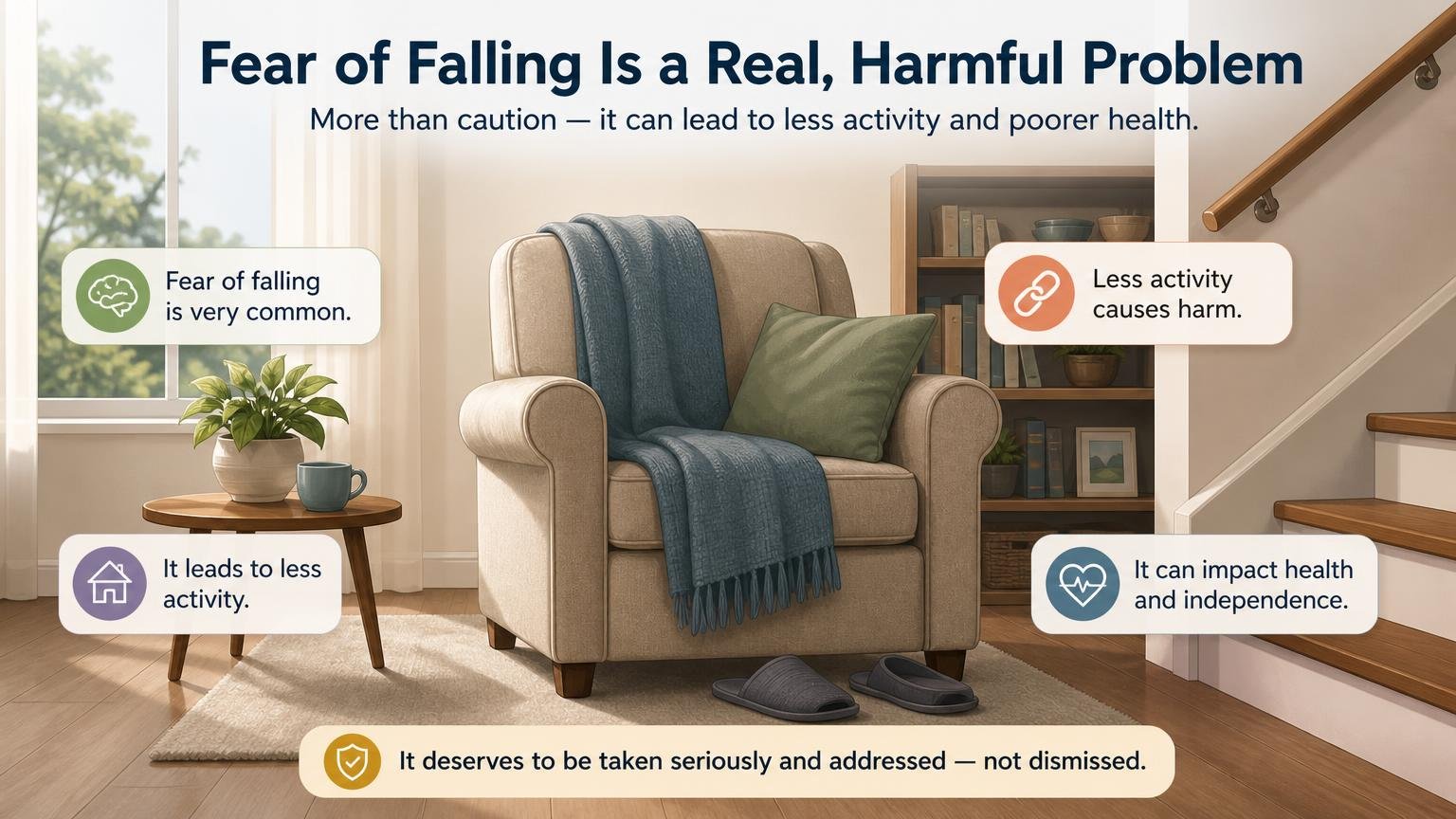
Fear of falling is common after a fall or hospital stay. It can reduce independence and make daily life harder.

This fear is real and valid. But when it stops someone from moving, it actually increases fall risk. Less movement leads to weaker muscles and worse balance.

The good news: confidence can be rebuilt. Small, safe steps help seniors regain trust in their bodies. This guide shows you how.

You will learn why fear happens, how it affects mobility, and practical ways to help your loved one feel safe again.

Senior woman hesitant to stand showing fear of falling with caregiver support

Fear of falling is common and treatable

Caregiver-Reviewed Mobility Guidance

This guide is based on caregiver experiences, physical therapy principles, and fall prevention research. It is educational only and not medical or psychological therapy.

Always consult your loved one's doctor or a licensed therapist before starting new activities, especially after a fall or surgery.

Key Points to Remember

Fear is common: Up to 50% of seniors who have fallen develop fear of falling again.

Fear increases risk: Avoiding movement weakens muscles and worsens balance.

Start small: Short supervised walks rebuild confidence gradually.

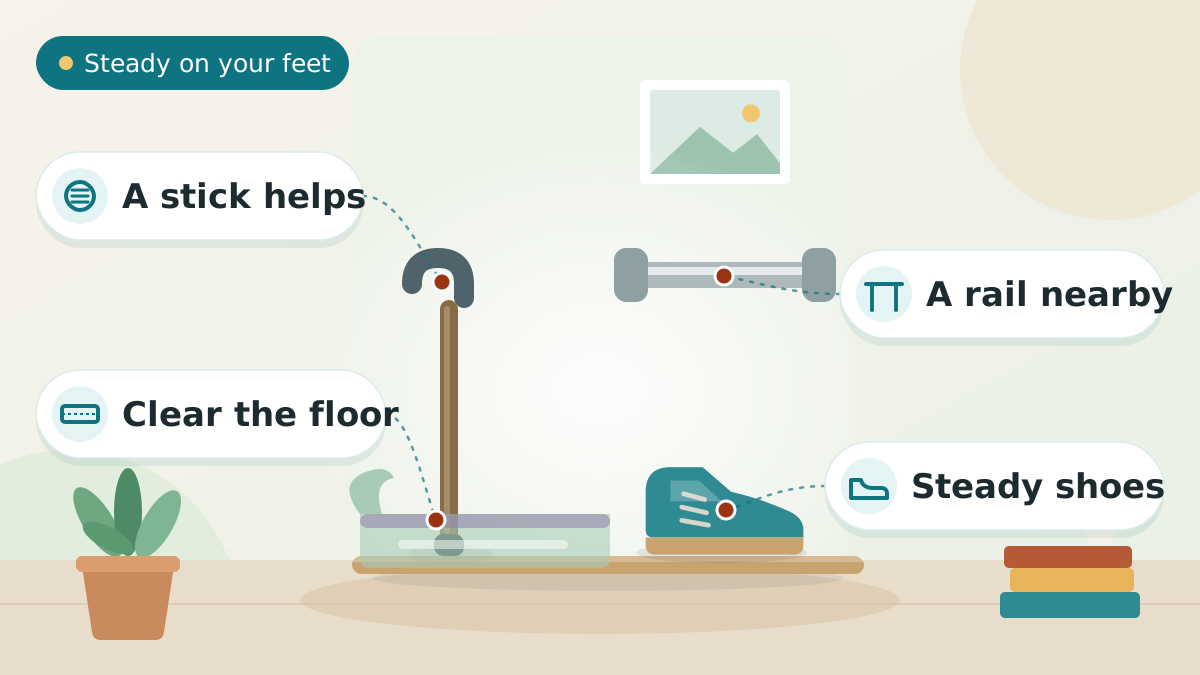
Use proper aids: Canes, walkers, and grab bars provide real safety.

Improve the home: Better lighting and clear pathways reduce actual risk.

Seek help if needed: Severe anxiety or depression requires professional support.

Assess Your Fall Risk

Take our free Fall Risk Assessment to get personalized recommendations for your situation. This 5-minute questionnaire helps identify specific risk factors and provides tailored safety strategies.

Risk levels: Low • Moderate • High
Take the Free Fall Risk Assessment

Why Fear of Falling Happens

Fear of falling is not just worry. It is a real psychological response that affects up to 50% of seniors who have fallen. Here is why it develops:

Previous Fall

A fall creates a traumatic memory. The brain remembers the pain, shock, and helplessness. This triggers protective fear.

Even minor falls can cause lasting fear

Hospitalization or Surgery

Hospital stays cause rapid muscle loss. Seniors feel weaker and less stable when they come home. This creates real and perceived instability.

Muscle loss: 1-5% per day in hospital

Loss of Strength

Aging, illness, or inactivity weakens leg muscles. Seniors notice they feel unsteady. This creates legitimate concern about falling.

Strength loss makes fear rational

Anxiety and Reduced Confidence

Worrying about falling becomes constant. Seniors lose trust in their bodies. Each wobbly moment reinforces the fear.

Anxiety feeds on itself

Social Withdrawal

Fear causes seniors to decline invitations and avoid outings. Isolation increases depression, which worsens fear and inactivity.

Creates a negative cycle

Witnessing Others Fall

Seeing a spouse or friend fall can trigger fear. Seniors think "that could happen to me" and become overly cautious.

Vicarious trauma is real

Important: Fear of falling is a recognized medical condition called "post-fall syndrome." It is treatable with the right support and strategies. Learn more about fall patterns in our guide: What to Do When Your Elderly Parent Keeps Falling

Senior man showing anxiety and withdrawal due to fear of falling

Fear of falling can lead to social withdrawal and reduced activity

How Fear of Falling Actually Increases Fall Risk

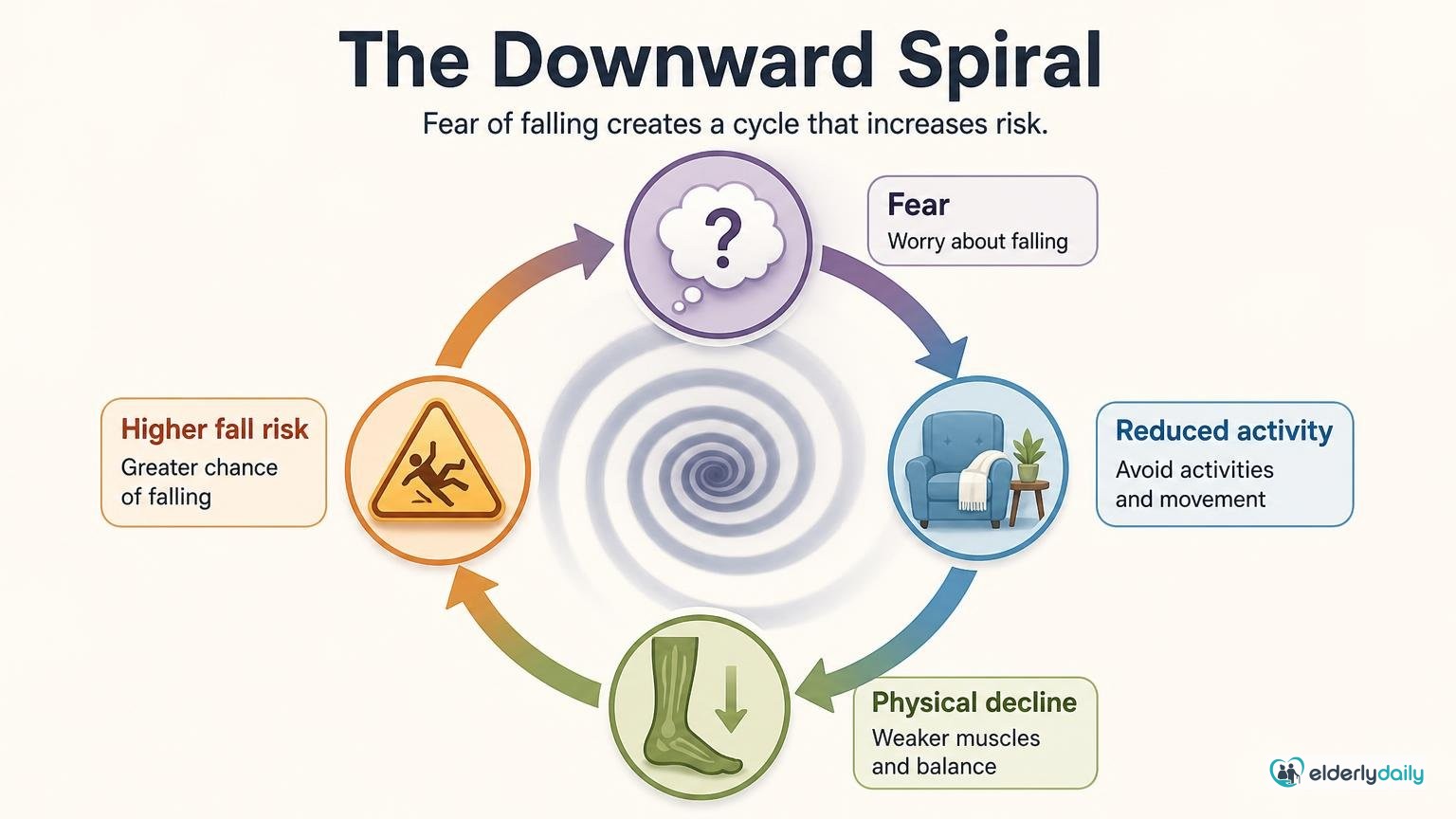
This seems backward, but it is true: being too afraid to move makes falls more likely. Here is the dangerous cycle:

The Fear-Fall Cycle

1

Fear Develops

After a fall or hospital stay, fear of falling takes hold

2

Movement Decreases

Senior avoids walking, stairs, and activities to "stay safe"

3

Muscles Weaken

Lack of activity causes rapid muscle loss and balance decline

4

Fall Risk Increases

Weaker muscles and worse balance make falls more likely

5

Fear Gets Worse

Feeling weaker confirms the fear, making it even harder to move

What Happens With Inactivity

  • Muscle loss: 1-3% per week without activity
  • Balance decline: Coordination worsens quickly
  • Stiff joints: Range of motion decreases
  • Hesitant gait: Shuffling and unsteady steps
  • Increased dependence: Needing more help with daily tasks

What Happens With Safe Movement

  • Muscle maintenance: Strength stays stable or improves
  • Better balance: Coordination improves with practice
  • Flexible joints: Movement keeps joints mobile
  • Confident walking: Steady, normal gait returns
  • Maintained independence: Can do daily tasks safely

The Key Insight

The goal is not to eliminate all fear. Some caution is healthy. The goal is to prevent fear from stopping movement. Safe, gradual activity breaks the cycle. Learn more in our comprehensive Mobility and Fall Prevention Guide.

Signs Fear of Falling Is Affecting Daily Life

Watch for these behavioral changes. They show that fear is limiting independence:

Avoiding Stairs

Your loved one stops going upstairs or asks for help on stairs they used to manage alone.

May sleep downstairs to avoid stairs entirely

Refusing to Leave Home

They decline invitations, stop going to church or social events, and avoid errands they used to enjoy.

May make excuses like "I'm too tired" or "It's too cold"

Sitting Most of the Day

They spend most of their time in one chair or in bed. Movement is limited to bathroom trips only.

May ask for bedpan or commode to avoid walking

Increased Dependence

They ask for help with tasks they could do safely. They want someone nearby at all times.

May call for help even when not truly needed

Hesitant, Shuffling Gait

Walking becomes slow and cautious. They shuffle their feet, take tiny steps, and grab onto furniture constantly.

Ironically, shuffling increases trip risk

Anxiety or Depression

They seem worried all the time, have trouble sleeping, or lose interest in things they used to enjoy.

May express feeling "useless" or "trapped"

When Fear Becomes Dangerous

If your loved one refuses to walk even with help, or if they show signs of severe depression, this is serious. They may need professional support.

Read our guide on Signs Your Elderly Parent Should Not Live Alone to assess overall safety.

Caregiver helping senior rebuild walking confidence with walker

Patient support helps rebuild confidence step by step

Practical Ways to Rebuild Confidence

Confidence returns through small, successful experiences. Here are proven strategies:

Start with Supervised Short Walks

Begin with very short distances in a safe environment. Gradually increase as confidence grows.

Week 1-2: Indoor Practice

  • • Walk to bathroom (5-10 feet)
  • • Walk to kitchen (10-15 feet)
  • • Walk down hallway (20 feet)
  • • Always stay within arm's reach

Week 3-4: Expanding Range

  • • Walk to front door
  • • Walk to mailbox
  • • Short driveway walk
  • • Gradually reduce direct support

Caregiver tip: Celebrate each success. Say "You did great!" after every walk, no matter how short.

Use Proper Assistive Devices

The right equipment provides real safety and psychological reassurance. Choose based on needs:

Cane (Light Support)

For mild balance issues or one weak leg. Provides 15-20% weight relief.

Learn proper cane technique →

Walker (Moderate Support)

For significant balance issues or post-surgery. Provides stable four-point support.

See best walkers →

Rollator with Seat (Maximum Confidence)

For those afraid of getting tired. Built-in seat allows rest breaks anywhere.

Compare rollators →

Important: Let your loved one choose their device. Feeling in control of the decision increases acceptance and use.

Improve Home Lighting

Poor lighting increases fear and actual fall risk. Better lighting provides immediate reassurance:

Essential Lighting

  • • Motion-sensor nightlights in hallways
  • • Bedside lamp within easy reach
  • • Bathroom light left on at night
  • • Bright bulbs in all rooms (60-100W equivalent)

Why It Helps

  • • Eliminates shadows and dark spots
  • • Shows obstacles clearly
  • • Reduces nighttime anxiety
  • • Makes walking feel safer

Install Grab Bars

Grab bars provide physical support and psychological reassurance. Install in high-risk areas:

Bathroom (Most Critical)

Near toilet, inside shower, next to tub. Bathroom falls are most common and most feared.

Hallways and Stairs

Along long hallways and on both sides of stairs. Provides continuous support.

Bedroom

Near bed for getting up safely. Reduces nighttime fall anxiety.

Encourage Gradual Independence

Balance safety with autonomy. Too much help can reinforce fear and dependence:

Don't Do Everything

  • • Rushing to help before they ask
  • • Doing tasks they can do safely
  • • Hovering constantly
  • • Making all decisions for them

Do Provide Support

  • • Stay nearby but let them try
  • • Offer help, don't insist
  • • Praise their efforts
  • • Let them set the pace

Balance is key: You want to prevent falls without creating learned helplessness. The goal is safe independence, not total dependence.

For detailed home safety modifications that reduce fall risk and fear, see our Mobility and Fall Prevention Guide.

Real Stories: Overcoming Fear of Falling

These caregivers helped their loved ones regain confidence:

Carol, 78 - After a Fall

"After I fell in the bathroom, I was terrified to walk alone. My daughter installed grab bars and got me a walker. We started with just walking to the kitchen. After three weeks, I could walk to the mailbox. The walker gave me my confidence back."

What helped: Grab bars, walker, and gradual progression

David, 71 - Post-Surgery Anxiety

"After hip surgery, I was afraid to put weight on my leg. Physical therapy helped me practice safe transfers. They taught me to use a cane correctly. Now I walk my dog every morning. The fear is mostly gone."

What helped: Physical therapy and proper cane technique

Patricia, 69 - Balance Issues

"I stopped going to church because I was afraid of falling in the parking lot. My son added motion-sensor lights at home and got me a rollator with a seat. I practiced in the house first. Now I go out twice a week. I feel safe again."

What helped: Better lighting, rollator, and gradual exposure

Gentle Exercises That Improve Confidence

These safe exercises rebuild strength and balance. Start slowly and always supervise:

1. Sit-to-Stand Practice

This builds leg strength and confidence in standing up safely.

How to Do It:

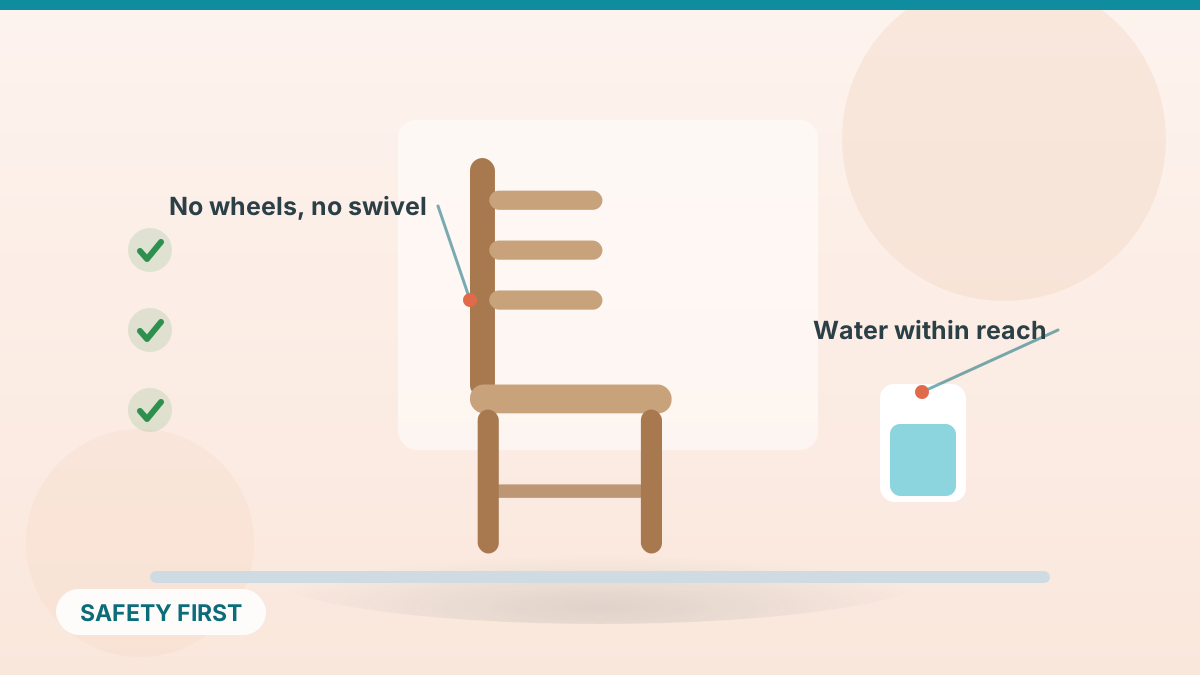
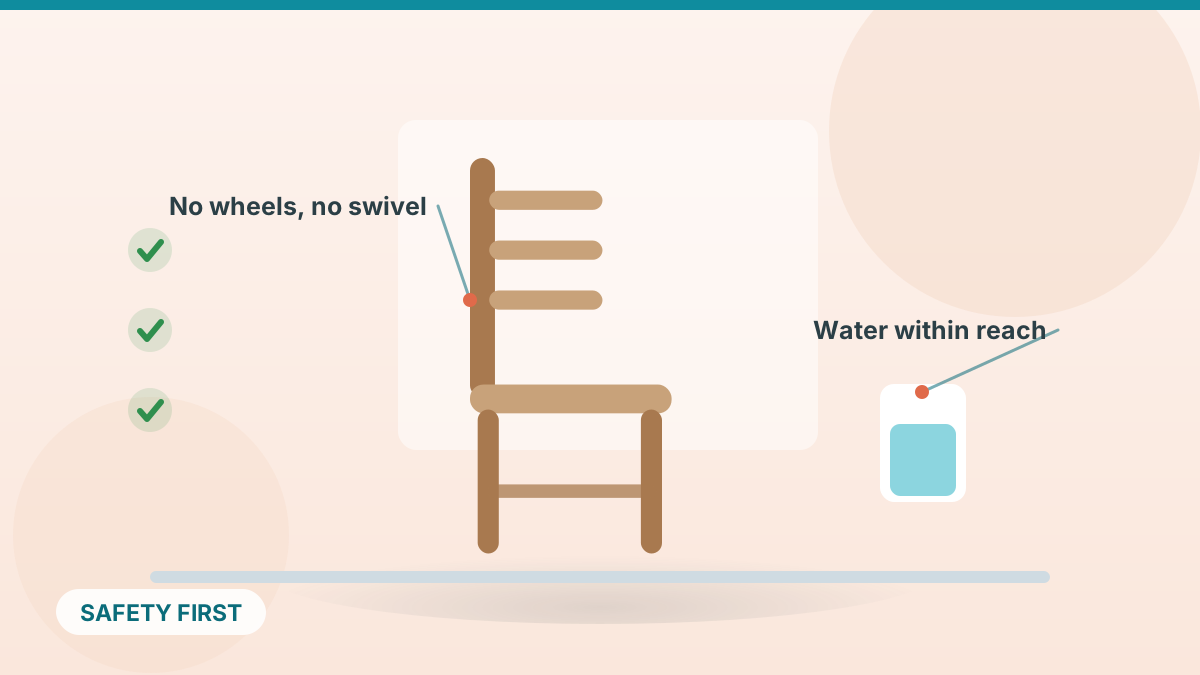
  1. 1.Sit in a sturdy chair with armrests
  2. 2.Scoot forward to the edge
  3. 3.Place feet flat on floor, shoulder-width apart
  4. 4.Lean forward (nose over toes)
  5. 5.Push up using armrests and legs
  6. 6.Stand for 3 seconds, then sit back down slowly
Start: 5 repetitions
Goal: 10-15 repetitions
Frequency: 2-3 times daily

2. Heel-to-Toe Walk

Improves walking balance and coordination. Do this along a wall or counter for safety.

How to Do It:

  1. 1.Stand next to a wall or counter (within arm's reach)
  2. 2.Place one foot directly in front of the other
  3. 3.Touch heel to toe (or get as close as comfortable)
  4. 4.Take 10-20 steps forward
  5. 5.Turn around carefully and walk back

Beginner tip: Start with a small gap between heel and toe. Close the gap as balance improves.

3. Chair Yoga for Balance

Seated exercises are safe and build strength without fall risk. Perfect for those very afraid to stand:

Seated Leg Lifts

Sit tall. Lift one leg straight out. Hold 5 seconds. Lower slowly. Repeat 10 times each leg.

Strengthens thighs

Ankle Circles

Lift one foot off floor. Rotate ankle in circles. 10 circles each direction. Repeat other foot.

Improves ankle stability

Seated Marching

Sit tall. Lift one knee up. Lower. Lift other knee. March for 30-60 seconds.

Builds hip strength

Seated Torso Twists

Sit tall. Place hands on shoulders. Twist gently left, then right. 10 times each side.

Improves core strength

4. Seated Leg Strengthening

Strong legs are essential for safe standing and walking. These can be done while watching TV:

Knee Extensions

Sit in chair. Straighten one leg out. Hold 5 seconds. Lower slowly. 10 times each leg.

Heel Raises

Sit tall. Lift both heels off floor (toes stay down). Hold 3 seconds. Lower. 15 repetitions.

Toe Taps

Sit tall. Lift toes up (heels stay down). Tap toes back down. 20 repetitions.

Why this works: Building leg strength while seated is completely safe. As legs get stronger, confidence in standing improves naturally.

Be Patient With Progress

Rebuilding confidence takes 4-8 weeks of consistent practice. Some days will feel better than others. That is normal.

For more structured exercise guidance, see our Balance Exercises for Seniors guide.

Senior woman doing gentle chair exercises with caregiver support

Gentle exercises rebuild strength and confidence safely

Creating a Safe Home Environment

Making the home safer reduces actual fall risk and helps ease fear:

Lighting Improvements

Motion-sensor lights: Install in hallways and bathrooms

Nightlights: Place every 10 feet along walking paths

Bedside lamp: Keep within easy reach

Bright bulbs: Use 60-100 watt equivalent LEDs

Clear Pathways

Remove rugs: Or secure them with non-slip backing

Tuck cords away: Tape them to baseboards

Clear clutter: Keep floors completely clear

Move furniture: Create wide walking paths

Grab Bars & Support

Bathroom grab bars: Install near toilet and in shower

Stair railings: Ensure both sides have sturdy rails

Bed assist handle: Makes getting up easier and safer

Shower chair: Eliminates standing in slippery tub

Footwear & Flooring

Non-slip shoes: Wear indoors and outdoors

No socks alone: Socks on smooth floors are dangerous

Bath mats: Use non-slip mats in bathroom

Secure carpets: Tape down edges that curl up

Gentle Exercises That Improve Confidence

These safe exercises rebuild strength and balance. Start slowly and always supervise:

1. Sit-to-Stand Practice

This builds leg strength and confidence in standing up safely.

How to Do It:

  1. 1.Sit in a sturdy chair with armrests
  2. 2.Scoot forward to the edge
  3. 3.Place feet flat on floor, shoulder-width apart
  4. 4.Lean forward (nose over toes)
  5. 5.Push up using armrests and legs
  6. 6.Stand for 3 seconds, then sit back down slowly
Start: 5 repetitions
Goal: 10-15 repetitions
Frequency: 2-3 times daily

2. Heel-to-Toe Walk

Improves walking balance and coordination. Do this along a wall or counter for safety.

How to Do It:

  1. 1.Stand next to a wall or counter (within arm's reach)
  2. 2.Place one foot directly in front of the other
  3. 3.Touch heel to toe (or get as close as comfortable)
  4. 4.Take 10-20 steps forward
  5. 5.Turn around carefully and walk back

Beginner tip: Start with a small gap between heel and toe. Close the gap as balance improves.

3. Chair Yoga for Balance

Seated exercises are safe and build strength without fall risk. Perfect for those very afraid to stand:

Seated Leg Lifts

Sit tall. Lift one leg straight out. Hold 5 seconds. Lower slowly. Repeat 10 times each leg.

Strengthens thighs

Ankle Circles

Lift one foot off floor. Rotate ankle in circles. 10 circles each direction. Repeat other foot.

Improves ankle stability

Seated Marching

Sit tall. Lift one knee up. Lower. Lift other knee. March for 30-60 seconds.

Builds hip strength

Seated Torso Twists

Sit tall. Place hands on shoulders. Twist gently left, then right. 10 times each side.

Improves core strength

4. Seated Leg Strengthening

Strong legs are essential for safe standing and walking. These can be done while watching TV:

Knee Extensions

Sit in chair. Straighten one leg out. Hold 5 seconds. Lower slowly. 10 times each leg.

Heel Raises

Sit tall. Lift both heels off floor (toes stay down). Hold 3 seconds. Lower. 15 repetitions.

Toe Taps

Sit tall. Lift toes up (heels stay down). Tap toes back down. 20 repetitions.

Why this works: Building leg strength while seated is completely safe. As legs get stronger, confidence in standing improves naturally.

Be Patient With Progress

Rebuilding confidence takes 4-8 weeks of consistent practice. Some days will feel better than others. That is normal.

For more structured exercise guidance, see our Balance Exercises for Seniors guide.

Physical therapist helping senior with balance exercises

Professional therapy provides structured confidence-building

The Psychological Impact of Fear

Fear of falling affects more than just physical movement:

Depression Risk

Avoiding activities leads to isolation. This can trigger or worsen depression.

Watch for: loss of interest, sadness, sleep changes

Social Isolation

Fear causes seniors to decline invitations and stop seeing friends.

Watch for: refusing outings, staying home constantly

Loss of Independence

Increased dependence on others can reduce self-esteem and quality of life.

Watch for: asking for help with tasks they could do

Important: If your loved one shows signs of depression or severe anxiety, talk to their doctor. Mental health support can make a big difference in recovery.

Gradual Confidence-Building Plan

Use this 4-week plan to help rebuild confidence step by step:

1

Week 1: Safe Space Practice

Activities:

  • • Stand and sit from chair 5 times
  • • Walk to bathroom with supervision
  • • Practice using walker or cane indoors
  • • Seated leg exercises

Goal:

Build trust in assistive devices and regain basic movement confidence

2

Week 2: Expanding Range

Activities:

  • • Walk to kitchen and back
  • • Practice turning safely
  • • Walk entire hallway length
  • • Balance exercises with support

Goal:

Increase distance and practice different movements safely

3

Week 3: Building Independence

Activities:

  • • Walk to mailbox with supervision
  • • Practice on different surfaces
  • • Walk for 10 minutes total
  • • Try gentle stairs with railing

Goal:

Introduce outdoor walking and varied terrain safely

4

Week 4: Regaining Activities

Activities:

  • • Short shopping trips
  • • Visit friends or family
  • • Walk around the block
  • • Resume light hobbies

Goal:

Return to meaningful activities with confidence and safety

Progress at Your Own Pace

This timeline is a guide, not a rule. Some people progress faster, others need more time. What matters is consistent, safe practice.

Assistive Devices That Build Confidence

The right equipment provides real safety and helps reduce fear:

Rollator walker with seat for senior mobility

Rollator with Seat

Provides stable support and a place to rest. Reduces fear of getting tired while out.

See Top Picks
Quad cane with four-point base for stability

Quad Cane

Four-point base provides more stability than standard cane. Good for balance issues.

Compare Canes
Medical alert device for fall detection

Medical Alert Device

Provides peace of mind. Help is available if a fall happens, especially for those living alone.

Best Devices

What NOT to Say to Someone Afraid of Falling

Well-meaning comments can make fear worse. Avoid these phrases:

"You're fine, just walk"

Say instead: "I understand you're worried. Let's take it slow together. I'm right here with you."

"You're being too cautious"

Say instead: "Being careful is smart. Let's make sure you have the right support so you feel safe."

"You'll fall if you don't move"

Say instead: "Moving helps keep your muscles strong. Let's start with something easy, like walking to the kitchen."

"I'll do everything for you"

Say instead: "I'll help you stay safe while you do this. You can do it with the right support."

When to Seek Professional Help

Some situations require expert support. Do not hesitate to ask for help if you see these signs:

Seek Help Immediately If:

  • Severe anxiety or panic attacks: Overwhelming fear that causes physical symptoms
  • Complete refusal to move: Will not walk even with help or assistive devices
  • Signs of depression: Hopelessness, crying, loss of interest in everything
  • Repeated falls: Falling multiple times per week despite precautions
  • Rapid decline: Getting significantly weaker or more fearful each week

Schedule Appointment If:

  • No improvement after 4 weeks: Fear is not decreasing with home strategies
  • Increasing isolation: Refusing all social activities and visitors
  • Balance getting worse: More unsteady despite using assistive devices
  • Caregiver exhaustion: You feel overwhelmed and need support

Who Can Help

Physical Therapist

Evaluates strength and balance. Creates safe exercise plan. Teaches proper use of assistive devices.

Medicare covers: Home PT visits if medically necessary

Occupational Therapist

Assesses home safety. Recommends modifications. Teaches safe ways to do daily activities.

Medicare covers: OT for safety assessments

Psychologist or Counselor

Addresses anxiety and depression. Uses cognitive behavioral therapy to reduce fear. Provides coping strategies.

Medicare covers: Mental health services

Primary Care Doctor

Reviews medications that affect balance. Checks for medical causes. Provides referrals to specialists.

Start here: Your doctor coordinates all care

What to Tell the Doctor

Be specific about how fear affects daily life:

Movement changes: "She stopped going upstairs" or "He only walks to the bathroom"

Social changes: "She declined three invitations this month" or "He won't leave the house"

Emotional changes: "She seems sad all the time" or "He says he feels useless"

Physical changes: "His legs are getting weaker" or "She shuffles when she walks"

If you are feeling overwhelmed as a caregiver, that is also a valid reason to seek help. Read our guide on Preventing Caregiver Burnout for support strategies.

More Helpful Guides

Learn more ways to support mobility and safety:

Frequently Asked Questions

Medical Disclaimer

This guide provides educational information only. It is not medical advice, psychological therapy, or a substitute for professional healthcare.

Fear of falling can be a symptom of underlying medical or psychological conditions. Always consult your loved one's doctor, physical therapist, or mental health professional before starting new activities or if fear is affecting quality of life.

Every senior's situation is unique. What works for one person may not be appropriate for another. Follow your healthcare provider's specific recommendations for your loved one's condition, medications, and recovery timeline.

If your loved one experiences severe anxiety, depression, repeated falls, or refuses to move, seek professional evaluation immediately.

Ready to Rebuild Confidence?

Get the complete fall prevention strategy