
5 Best Bathroom Toileting Aids for Seniors
 By Kutubuddin, Founder & Senior Care Researcher Updated October 2026
In this guide




Getting on and off the toilet can be difficult and risky for many seniors, and the right aids can make it steadier and help preserve dignity.
We may earn a commission when you buy through links on this page. Read our affiliate disclosure.
Top 5 Picks — Find Your Situation
#1 · Best Overall
Vive Raised Toilet Seat with ArmsBest for: Most seniors who struggle to sit down and stand up and want built-in support
#2 · Best Support Frame
Medline Toilet Safety FrameBest for: Seniors who need armrests to hold but don't need extra seat height
#3 · Best Versatile (Commode)
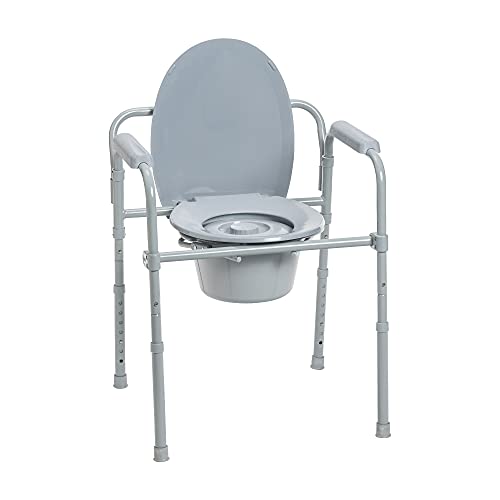
Drive Medical 3-in-1 Bedside CommodeBest for: Limited mobility, night-time access, or recovery where the bathroom is hard to reach
#4 · Best for Hygiene
LUXE Bidet Neo AttachmentBest for: Seniors who find wiping difficult, or anyone wanting hands-free hygiene
#5 · Best Reach Aid
Bottom Buddy Toilet Tissue AidBest for: Limited reach from arthritis, post-surgery, or restricted range of motion
This guide covers the main categories rather than five of the same thing: a raised seat for height, a safety frame for support, a commode for bedside access, a bidet for hands-free hygiene, and a reach aid for wiping. For most seniors the single most useful aid is a raised toilet seat with arms, since it adds height and support at once — our overall pick. Below is the best option in each category, and why most people need a combination.
A closer look at our top pick: the Vive Raised Toilet Seat with Arms
Vive Raised Toilet Seat with Arms
Best for: Most seniors who struggle to sit down and stand up and want built-in support
- Type
- Raised seat + arms
- Adds height
- ~3.5 in
- Arms
- Padded, push-up support
- Install
- Tool-free, locks to bowl
Independently researched · Updated October 2026
The Vive Raised Toilet Seat with Arms wins as the best single toileting aid because it tackles the two most common problems together. Raising the seat reduces how far the person has to lower and rise, which eases strain on the knees and hips, and the padded armrests give something solid to push up from. That combination is what many seniors need.
It installs without tools or plumbing — it simply locks onto most toilets — supports a generous weight range, and lifts off for cleaning. The things to check are practical: confirm it fits your toilet's bowl shape, and make sure the locking mechanism is secure before relying on it. If the toilet height is already fine and only support is needed, a safety frame may suit better, but for the common case, this is the most useful place to start.
What we love
- Height and support together
- Easy, tool-free install
- Removable to clean
- Great all-round value
Things to consider
- Confirm it fits your toilet shape
- Check the locking mechanism is secure
- Arms fixed, not height-adjustable
Right for you if
- ✓You struggle to lower onto and rise from the toilet
- ✓You want height and arm support in one aid
- ✓You'd like a tool-free, removable solution
- ✓You want something easy to clean
Maybe skip it if
- !You want a permanent height fix — a comfort-height toilet suits
- !Your toilet height is fine, you just need arms — a safety frame fits
- !You need bedside access — a 3-in-1 commode is better
What owners consistently report
Common praise
- +Owners report a much easier sit-to-stand
- +The padded arms are widely appreciated
- +Installation is quick and tool-free
Common gripes
- –Confirm it fits your toilet's bowl shape
- –Check the locking mechanism is secure before use
- –Clean under the seat regularly
Getting started
- →Fit and lock the seat onto the toilet bowl
- →Confirm it's stable and doesn't shift before use
- →Add grab bars beside the toilet for extra security
How it compares
A toilet safety frame is the better choice when the toilet height is already comfortable and the person only needs armrests to hold — it adds support without changing the seat. The Vive adds both height and arms in one. Choose the frame for support-only, the Vive raised seat when easing the sit-to-stand matters too.
How we picked
We compared 5 options. Rather than rank five similar products, we looked across the main categories of toileting aids and chose a strong, real option in each — a raised seat, a safety frame, a commode, a bidet, and a reach aid. We assessed them on stability, weight capacity, fit, hygiene, and ease of use, drawing on manufacturer specs, bathroom-fall-prevention and occupational-therapy guidance, and owner feedback — not hands-on lab testing. The aim is to help you match the aid to the actual difficulty.
Reviewed by Kutubuddin — who researches senior-care products and the real-world needs of caregivers and older adults.
Other picks, reviewed
Medline Toilet Safety Frame
The pick when the toilet height is fine but the person needs something secure to hold. This freestanding frame puts sturdy armrests on both sides of the toilet to lower onto and push up from, and it installs around the existing toilet without drilling. Height-adjustable and stable, it's a simple way to add support.
What we like
- Sturdy armrests to push up from
- No drilling required
- Height-adjustable
- Works with the existing toilet
Keep in mind
- Doesn't add seat height
- Takes up floor space around the toilet
- Less secure than wall-mounted bars
- Type
- Freestanding safety frame
- Support
- Armrests both sides
- Install
- Around toilet, no drilling
- Adjustable
- Height-adjustable
- Stability
- Floor-standing
Drive Medical 3-in-1 Bedside Commode
The most versatile toileting aid, doing three jobs in one. Use it beside the bed at night, place it over the toilet as a frame and raised seat, or use it as a standalone commode. For limited mobility, night-time urgency, or recovery, it's invaluable — and Medicare often helps cover a bedside commode.
What we like
- Three functions in one
- Bedside access at night
- Armrests and raised height
- Often covered by Medicare
Keep in mind
- Bucket needs regular emptying and cleaning
- Bulkier than a single-purpose aid
- Clinical look
- Type
- 3-in-1 commode
- Uses
- Bedside / over-toilet / standalone
- Support
- Armrests, raised seat
- Adjustable
- Height-adjustable legs
- Coverage
- Often Medicare-eligible
LUXE Bidet Neo Attachment
The dignity-preserving choice for hygiene. This non-electric attachment fits under the existing toilet seat and cleans with a stream of water at the turn of a dial, so a senior who struggles to reach or wipe stays clean and independent. It's inexpensive, installs in minutes, and is gentler on sensitive skin.
What we like
- Hands-free cleaning
- Preserves dignity and independence
- Inexpensive and easy to fit
- Gentler than wiping
Keep in mind
- Cold-water only on basic models
- Takes some getting used to
- Not a substitute for support aids
- Type
- Non-electric bidet attachment
- Cleaning
- Water stream, dial control
- Install
- Under-seat, minutes
- Power
- None needed
- Benefit
- Hands-free, gentle on skin
Bottom Buddy Toilet Tissue Aid
The answer when reaching is the problem. This long-handled aid grips toilet tissue at one end and releases it cleanly, extending reach for someone with arthritis, limited range of motion, recovery restrictions, or a larger body size. A small, low-cost tool that protects hygiene and independence where bending and reaching are hard.
What we like
- Extends reach for hygiene
- Helps arthritis and limited motion
- Low cost
- Lightweight and simple
Keep in mind
- Takes practice at first
- Needs regular cleaning
- A bidet may suit some better
- Type
- Long-handled tissue aid
- Reach
- Extends reach for wiping
- Release
- Clean tissue release
- Use
- Arthritis / post-surgery / mobility
- Care
- Wipes clean / washable
What to look for
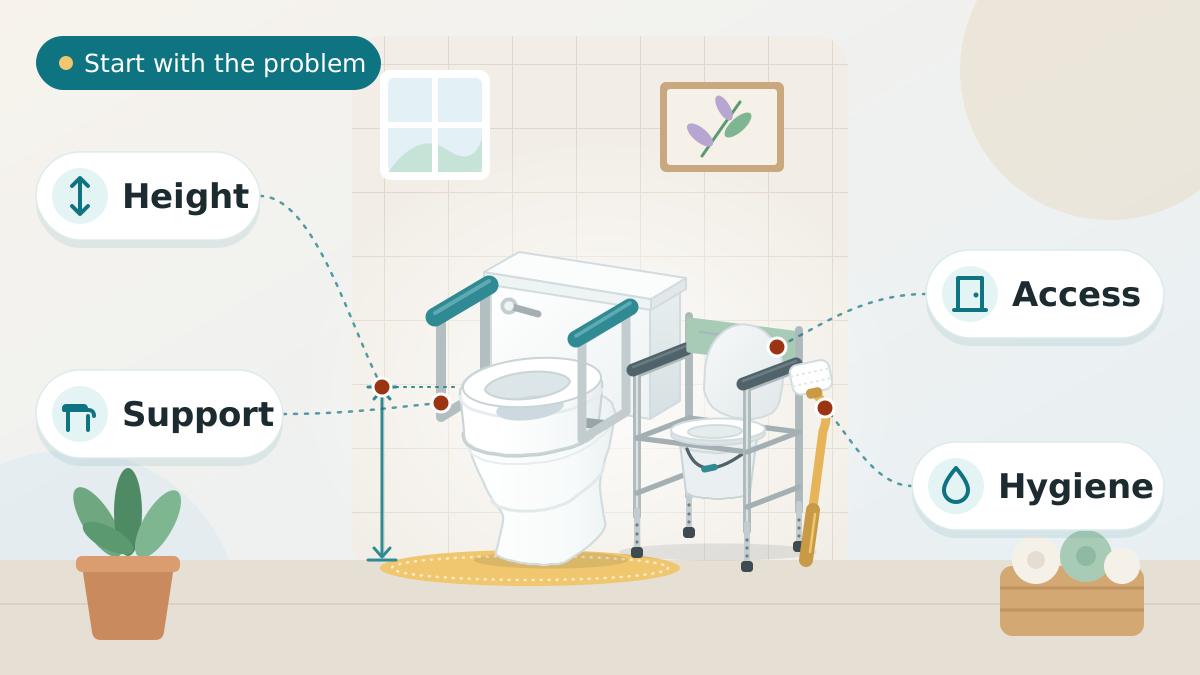
Start with the problem: height, support, access, or hygiene
The right aid follows directly from the specific difficulty, so name that first.
Trouble lowering and rising points to a raised seat or a comfort-height toilet; needing something to hold points to a safety frame or grab bars; not being able to reach the bathroom in time, especially at night, points to a bedside commode; and difficulty with wiping or hygiene points to a bidet or a reach aid. Often a senior needs two of these together.
Raised seats and comfort height
These tackle the most common difficulty — the sit-to-stand.
A raised toilet seat adds two to five inches to ease lowering and rising, and many include padded arms. A permanent comfort-height toilet is the long-term version of the same idea. Choose by whether you want a removable add-on or a permanent fixture, and confirm it fits your toilet.
Support: frames, rails, and grab bars
When the issue is balance or strength, the answer is something secure to hold.
A freestanding toilet safety frame or rail puts armrests on both sides to push up from with no drilling, while wall-mounted grab bars give the most secure, permanent hold. Many seniors do best with both height and something to grip, rather than one alone.
Commodes for bedside access and versatility
A commode solves the problem of reaching the bathroom at all.
A 3-in-1 bedside commode works beside the bed at night, over the toilet as a frame and raised seat, or as a standalone commode — invaluable for limited mobility, night-time urgency, or recovery. Medicare often helps cover a bedside commode when it's medically necessary, so it's worth asking.
Hygiene and reach: bidets and tissue aids
Hygiene is part of safe, dignified toileting, and it has its own aids.
A bidet attachment cleans hands-free, preserving dignity for anyone who struggles to reach or wipe, while a long-handled tissue aid extends reach for arthritis, post-surgery limits, or a larger body size. Both protect independence and skin health, and they pair well with the support aids above.
Read more:Bathroom Safety for SeniorsPost-Surgery Home Setup GuideGrab Bar Placement Guide 2025
Tips to Choose Bathroom Toileting Aids
Short on time? Here are the key points to weigh before choosing, each covered in detail above:
- Start with the problem: height, support, access, or hygiene
- Raised seats and comfort height
- Support: frames, rails, and grab bars
- Commodes for bedside access and versatility
- Hygiene and reach: bidets and tissue aids
Comparing options? See our guides to Best Suction Grab Bars for Seniors, Best Shower Chairs for Seniors, and Best Bariatric Shower Chairs for Seniors.
Most seniors need a combination
It's worth saying plainly: toileting aids aren't either/or, and the safest setups combine them.
The most secure arrangement usually pairs height — a raised seat or comfort-height toilet — with something to hold, such as a frame or grab bars, plus hygiene help where it's needed. Assess the specific difficulties one by one: getting down, getting up, holding on, reaching, and cleaning. Then combine the aids that address each. Our bathroom fall-prevention guide ties it together.
Safety, fit, and keeping aids clean
A few universal checks apply whatever you choose:
- Confirm the weight capacity — standard is around 300 lb, with bariatric models at 400-500 lb or more.
- Check it fits your toilet and bathroom before buying.
- Ensure non-slip feet and a secure attachment; never rely on suction alone to hold body weight.
- Clean aids regularly with a mild disinfectant, since the bathroom harbors germs.
- Replace anything that loosens, cracks, or wears.
For permanent, secure support, see our grab bars guide.
Frequently asked questions
For balance problems, the priority is something secure to hold. A toilet safety frame or rail with armrests on both sides lets the person steady themselves while lowering and rising, and wall-mounted grab bars give the most secure hold of all. Pairing support with a raised seat — or a raised seat that already has arms — works well. The right choice depends on whether they also struggle with the seat height.
Most raised seats are designed to fit standard round or elongated toilets, but fit isn't universal, so check before buying. Measure your toilet bowl and confirm the seat matches the shape, and look at how it attaches — clamp-on, bracket, or locking systems vary in security. Some seats are adjustable or come in shape-specific versions. A secure, well-fitting seat is essential for safety.
Many are. A lot of toilet safety frames and rails offer height-adjustable legs and sometimes adjustable armrest width, so you can set them to suit the user and the toilet. This matters because the armrests should be at a comfortable height to push up from. Check the adjustment range against the user's needs, and make sure the frame locks securely at the chosen height.
Standard toileting aids typically support around 300 pounds, while bariatric or heavy-duty models hold 400 to 500 pounds or more. Always check the specific weight capacity and choose one rated comfortably above the user's weight, since these aids bear significant force during transfers. For heavier users, look specifically for a bariatric-rated frame, raised seat, or commode.
Often, yes — grab bars and toileting aids complement each other. A raised seat or frame helps with height and provides armrests, but securely mounted grab bars on the wall give the most reliable hold for steadying and transferring. For seniors with significant balance or strength issues, combining properly installed grab bars with the right toileting aid is the safest approach.
Bedside commodes are often covered by Medicare Part B as durable medical equipment when a doctor documents they're medically necessary — for example, when the person can't safely reach the bathroom. You'll typically need a prescription and to use a Medicare-enrolled supplier, and a portion may be out of pocket. Check your specific plan and ask the supplier about documentation and coverage.
Clean them regularly with a mild disinfectant or a mix of soap and water, paying attention to armrests, seats, and any commode bucket, which should be emptied and rinsed after each use. Remove and clean raised seats periodically, including underneath. Regular cleaning is important for hygiene since the bathroom harbors bacteria, and it also lets you spot any loosening or wear early.
Properly installed frames generally don't damage the toilet. Freestanding frames stand on the floor around the toilet and don't attach to it at all, while frames that mount under the seat use padded brackets designed not to crack the porcelain — just don't overtighten them. Follow the instructions, avoid excessive force, and check periodically that everything remains secure and undamaged.
A cane helps with walking but offers little support for the specific act of sitting down onto and rising from the toilet, which is where many falls happen. If a senior struggles with that transfer, holds onto a towel rail or sink, or feels unsteady in the bathroom, it's time to add proper toileting aids — a raised seat, a frame, or grab bars — regardless of whether they use a cane elsewhere.
Suction grab bars are only suitable for light balance assistance, never for supporting body weight, and they can release without warning if the suction fails or the surface isn't smooth and clean. For toileting, where the person leans hard to push up, they're not safe as a primary support. Use a securely mounted grab bar or a floor-standing safety frame instead, and treat any suction bar as a minor aid at most.
The final verdict
For most seniors, the most useful single toileting aid is a raised toilet seat with arms like the Vive — height and support together. Add a safety frame or grab bars for a secure hold, a 3-in-1 commode for bedside access or versatility, a bidet for hands-free hygiene, and a tissue reach aid where wiping is hard. The key is to match the aid to the actual difficulty — getting down, getting up, holding on, reaching, or cleaning — confirm fit and weight capacity, and combine aids rather than relying on one. See the linked guides for the best pick in each category.
Our overall winner is the Vive Raised Toilet Seat with Arms. You can check the current price on Amazon.
Our Top 5 Picks at a Glance
Ready to choose? Here are the top 5 again.
Best Overall
Vive Raised Toilet Seat with Arms
Best Support Frame
Medline Toilet Safety Frame
Best Versatile (Commode)
Drive Medical 3-in-1 Bedside Commode
Best for Hygiene
LUXE Bidet Neo Attachment
Best Reach Aid
Bottom Buddy Toilet Tissue Aid
Affiliate links — we may earn a commission.
