8 Signs Your Elderly Parent Is Not Recovering Properly

Last Updated: February 2026
You brought your parent home from the hospital. Something feels wrong. They seem weaker than expected. More confused. Not themselves.
Is this normal recovery? Or should you call the doctor? This guide helps you know the difference.
Recovery takes time. But some signs mean trouble. Catching problems early can prevent serious complications.
For a complete overview of what to expect during recovery, see our Post-Hospital Recovery Guide.

Trust your instincts about recovery
Medical Disclaimer
This guide provides general information only. Always contact your parent's healthcare provider if you have concerns about their recovery. Trust your instincts—if something feels wrong, call the doctor.
Key Points to Remember
Recovery takes time: Elderly patients heal slower than younger adults.
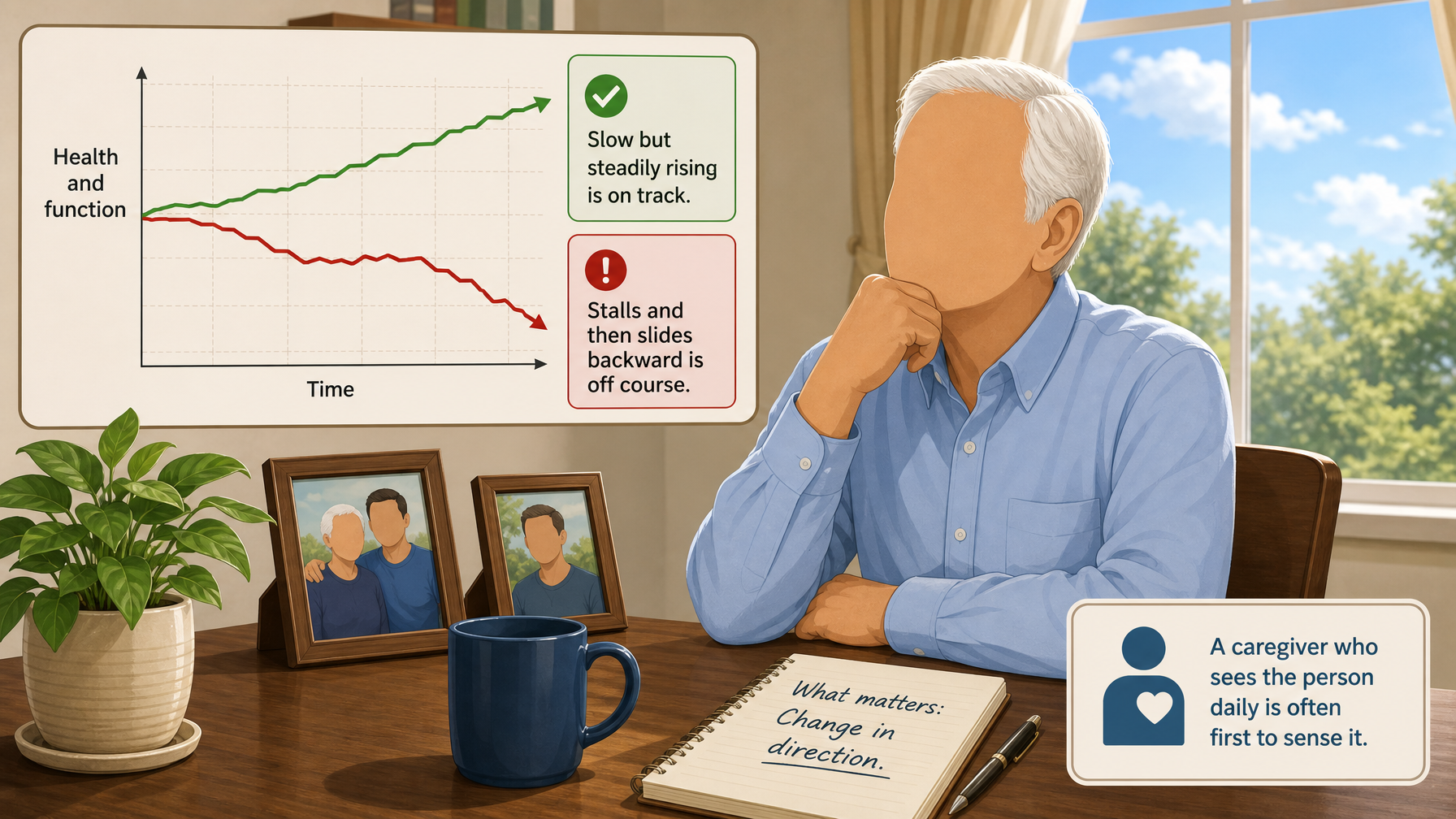
Watch for patterns: Getting worse instead of better is a red flag.
Trust your gut: If something feels wrong, call the doctor.
Early action matters: Catching problems early prevents serious complications.
Keep records: Track symptoms, medications, and changes daily.
Ask for help: You don't have to figure this out alone.
8 Signs Recovery May Not Be Going Well
Watch for these warning signs. Each one needs attention:
Persistent Weakness
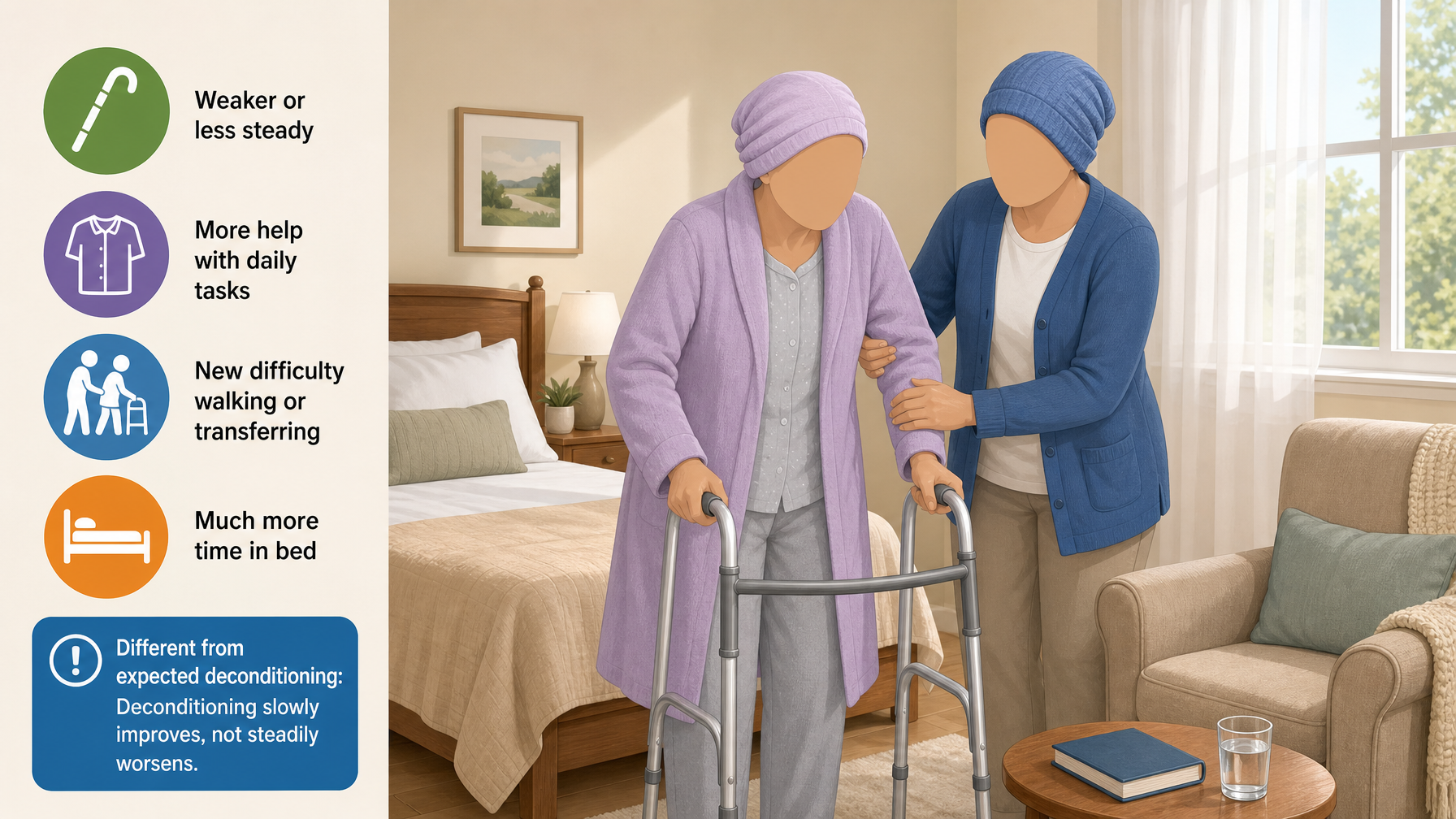
Your parent should get a little stronger each day. Even small gains count. But if they are just as weak after 7-10 days, something is wrong.
Watch for: Cannot sit up without help. Cannot stand even with support. Arms too weak to lift a cup. Legs give out when trying to walk.
This could mean: Muscle loss from bed rest. Poor nutrition. Infection. Medication side effects. Heart or lung problems. Learn more about why hospital stays cause weakness.
Loss of Appetite
Not eating much for a day or two is normal. But refusing food for several days is dangerous. Seniors can get weak and dehydrated fast.
Watch for: Eating less than half of meals. Refusing favorite foods. Losing weight quickly. Complaining food tastes bad. Nausea or vomiting.
This could mean: Medication side effects. Depression. Infection. Swallowing problems. Digestive issues. Dehydration makes everything worse.
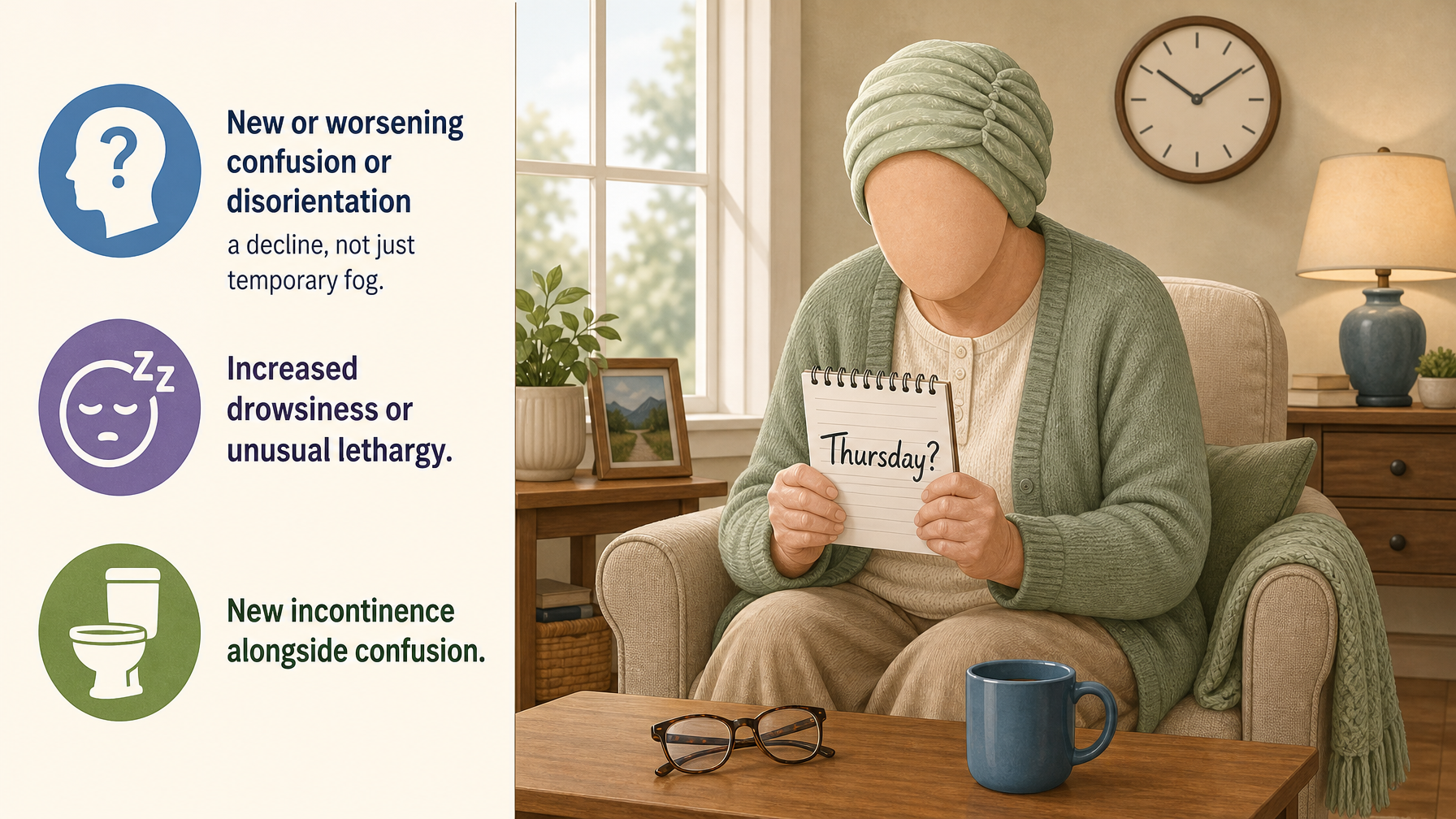
Increased Confusion
Mild confusion for 1-2 days after hospital is common. But confusion that gets worse or lasts more than a few days is not normal.
Watch for: Does not know where they are. Forgets family members. Sees things that are not there. Very agitated or restless. Sleeping all day, awake all night.
This could mean: Urinary tract infection. Medication reaction. Dehydration. Low oxygen. Stroke. Delirium needs immediate treatment.
Worsening Mobility
Your parent should move a little more each day. If walking gets harder instead of easier, that is a warning sign.
Watch for: Cannot walk as far as yesterday. Needs more help than before. Legs shake or buckle. Refuses to get out of bed. Dizzy when standing.
This could mean: Muscle weakness. Blood pressure problems. Inner ear issues. Fear of falling. Pain they are not telling you about. Consider mobility aids like supportive wheelchairs for temporary use.
Frequent Falls
One fall during recovery can happen. But multiple falls mean your parent is not safe. Falls can cause serious injuries.
Watch for: Falling more than once. Near-falls or stumbles. Grabbing furniture to stay up. Afraid to walk. Bruises from falls.
This could mean: Medication making them dizzy. Muscle weakness. Balance problems. Vision issues. Home hazards. Blood pressure drops. Falls need immediate attention.
Ongoing Pain
Some pain after surgery or illness is expected. But pain should get better over time. Pain that stays the same or gets worse needs attention.
Watch for: Pain not controlled by medication. New pain in different areas. Crying or moaning. Refusing to move because of pain. Cannot sleep due to pain.
This could mean: Infection at surgical site. Medication not working. Pressure sores developing. Blood clots. Arthritis flare-up. Uncontrolled pain slows healing.
New Incontinence
If your parent was continent before the hospital and now has accidents, this is a warning sign. It is not a normal part of aging or recovery.
Watch for: Sudden bladder or bowel accidents. Cannot get to bathroom in time. Does not feel the urge to go. Leaking urine constantly.
This could mean: Urinary tract infection. Medication side effects. Mobility too limited. Confusion about bathroom location. Nerve damage. Most cases are treatable.
Depression or Withdrawal
Feeling down for a few days is normal. But deep sadness, hopelessness, or giving up on recovery is not normal. Depression slows healing.
Watch for: Crying often. No interest in activities. Refusing therapy or exercises. Saying they want to die. Sleeping all the time. Not talking to family.
This could mean: Clinical depression. Feeling overwhelmed. Loss of independence fears. Uncontrolled pain. Side effects from medication. Depression is treatable and common after hospitalization.
Regular medical follow-up is essential during recovery
When Slow Recovery Is Normal
Not all slow recovery is a problem. Here is what to expect:
Post-Hospital Fatigue
Being in the hospital is exhausting. Your parent may sleep more than usual for 1-2 weeks. This is normal if they are eating, drinking, and slowly improving.
Muscle Loss
Seniors lose muscle fast when in bed. Just 3 days in bed can cause noticeable weakness. Rebuilding strength takes weeks of gentle exercise and good nutrition.
Medication Adjustment
New medications can cause tiredness, dizziness, or upset stomach for the first week. These side effects often improve as the body adjusts.
For detailed recovery timelines and what to expect, read our guide on post-hospital recovery at home and why seniors become weak after hospital stays.
Rest is important, but watch for warning signs
When to Call the Doctor Immediately
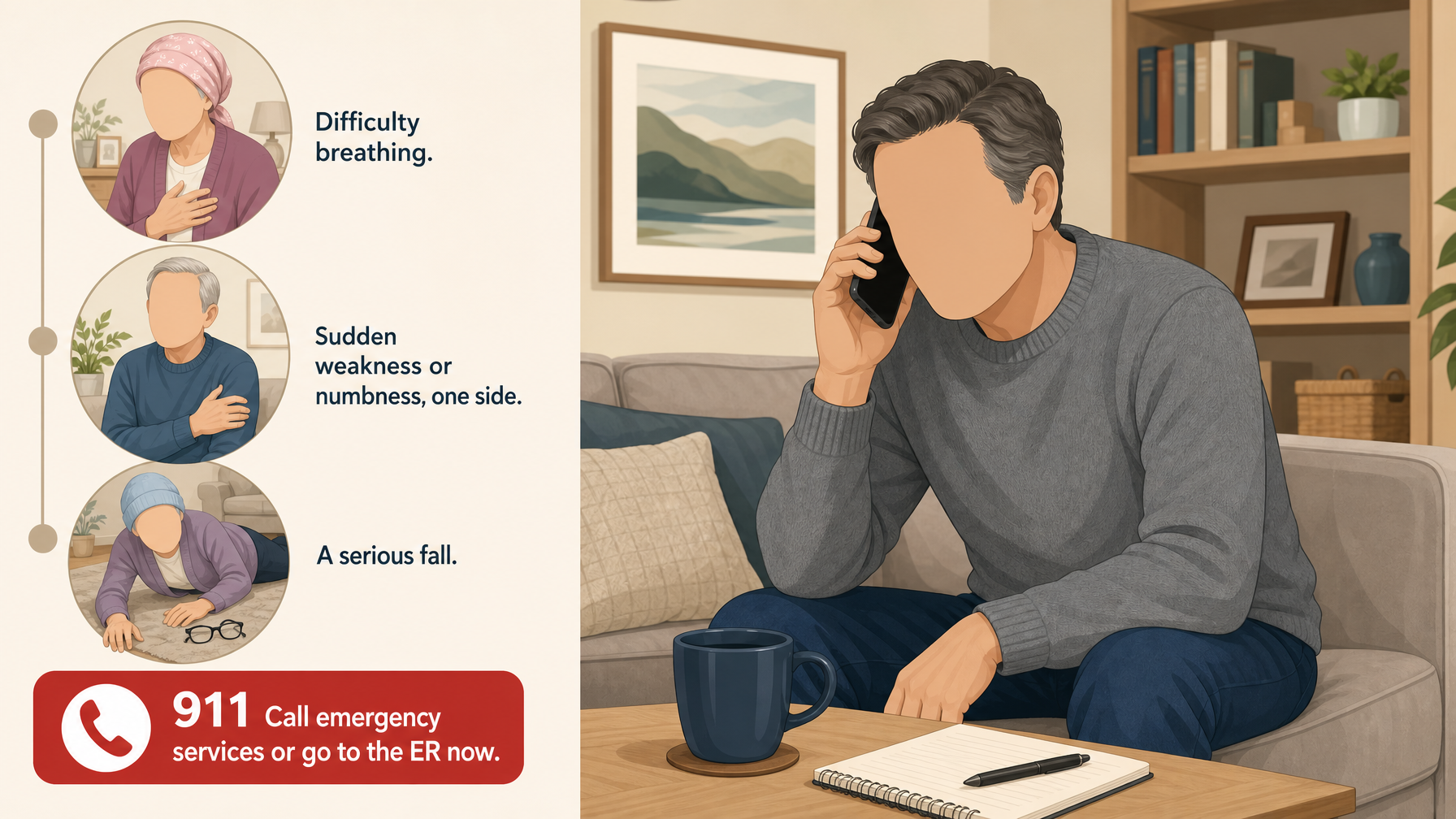
Some symptoms need urgent medical care. Do not wait. Call 911 or go to the ER if you see:
Emergency Warning Signs
Chest Pain or Pressure
Any chest discomfort needs immediate attention.
Severe Shortness of Breath
Cannot catch breath or speak full sentences.
Sudden Confusion
Cannot recognize family or know where they are.
Signs of Stroke
Face drooping, arm weakness, slurred speech.
High Fever
Temperature above 101°F or 38.3°C.
Uncontrolled Bleeding
Bleeding that does not stop with pressure.
Severe Pain
Pain not controlled by prescribed medication.
Repeated Vomiting
Cannot keep down food, water, or medications.
Gentle movement helps recovery when done safely
Quick Fall Prevention Checklist
Falls during recovery are dangerous. Use this checklist to keep your parent safe:
Remove tripping hazards: Clear rugs, cords, and clutter from walking paths.
Add grab bars: Install them in bathroom and hallways.
Use night lights: Light the path from bedroom to bathroom.
Get mobility aids: Walker, cane, or wheelchair if needed.
Review medications: Ask doctor if any cause dizziness.
Stay close: Do not leave weak parents alone.
Check footwear: Non-slip shoes or socks with grips only.
What Caregivers Can Do Now
You can take action today to support recovery and catch problems early:
Track Changes Daily
Write down what they eat and drink each day.
Note any new symptoms or changes in behavior.
Track mobility: how far they can walk, if they need more help.
Keep a medication log to share with doctors.
Schedule Evaluation
Attend all follow-up appointments on time.
Ask for physical therapy evaluation if mobility is poor.
Request medication review if side effects are severe.
Get nutritionist referral if appetite is very poor.
Maintain Routine
Keep regular meal times to encourage eating.
Give medications at the same time each day.
Encourage gentle activity at consistent times.
Maintain normal sleep-wake schedule as much as possible.
Improve Safety
Remove fall hazards from all walking areas.
Install grab bars in bathroom and bedroom.
Add bright lighting to all rooms and hallways.
Keep phone and emergency numbers within reach.
Consider Supervision Level
Assess if your parent can be left alone safely.
Arrange for family rotation or hire home health aide.
Consider medical alert system for emergencies.
Explore short-term rehabilitation facility if home is not safe.
Recovery Support Tools
These tools can help during the recovery period:
Mobility Support
Temporary mobility aids can prevent falls and build confidence during recovery. Wheelchairs, walkers, and canes provide crucial support.
Best Wheelchairs for SeniorsGentle Exercise Equipment
Low-impact exercise machines help rebuild strength safely. Portable ellipticals allow seated exercise without fall risk.
Best Portable EllipticalsNormal vs Concerning Recovery
Understanding what's expected during recovery helps you identify when something is truly wrong. Here's how to tell the difference between normal post-hospital weakness and warning signs that need medical attention.
For more context on why seniors experience weakness after hospitalization, explore our guide on Why Seniors Become Weak After Hospital Stay.
Normal Recovery Signs
Gradual Improvement
Small daily progress, even if slow
Expected Fatigue
Tiredness that improves with rest
Mild Weakness
Reduced strength that slowly returns
Good Appetite
Eating and drinking adequately
Manageable Pain
Discomfort controlled by medication
Alert & Oriented
Recognizes people and surroundings
Concerning Warning Signs
Getting Worse
Symptoms worsening instead of improving
Extreme Exhaustion
Unable to stay awake or participate in care
Severe Weakness
Cannot stand or walk even with help
Refusing Food/Water
Not eating or drinking for 24+ hours
Uncontrolled Pain
Pain not relieved by prescribed medication
New Confusion
Sudden disorientation or personality changes
Recovery Timeline Expectations
Most elderly patients show gradual improvement over 2-6 weeks after hospitalization. If there's no improvement after 7-10 days, or if symptoms worsen at any point, contact the healthcare provider immediately.
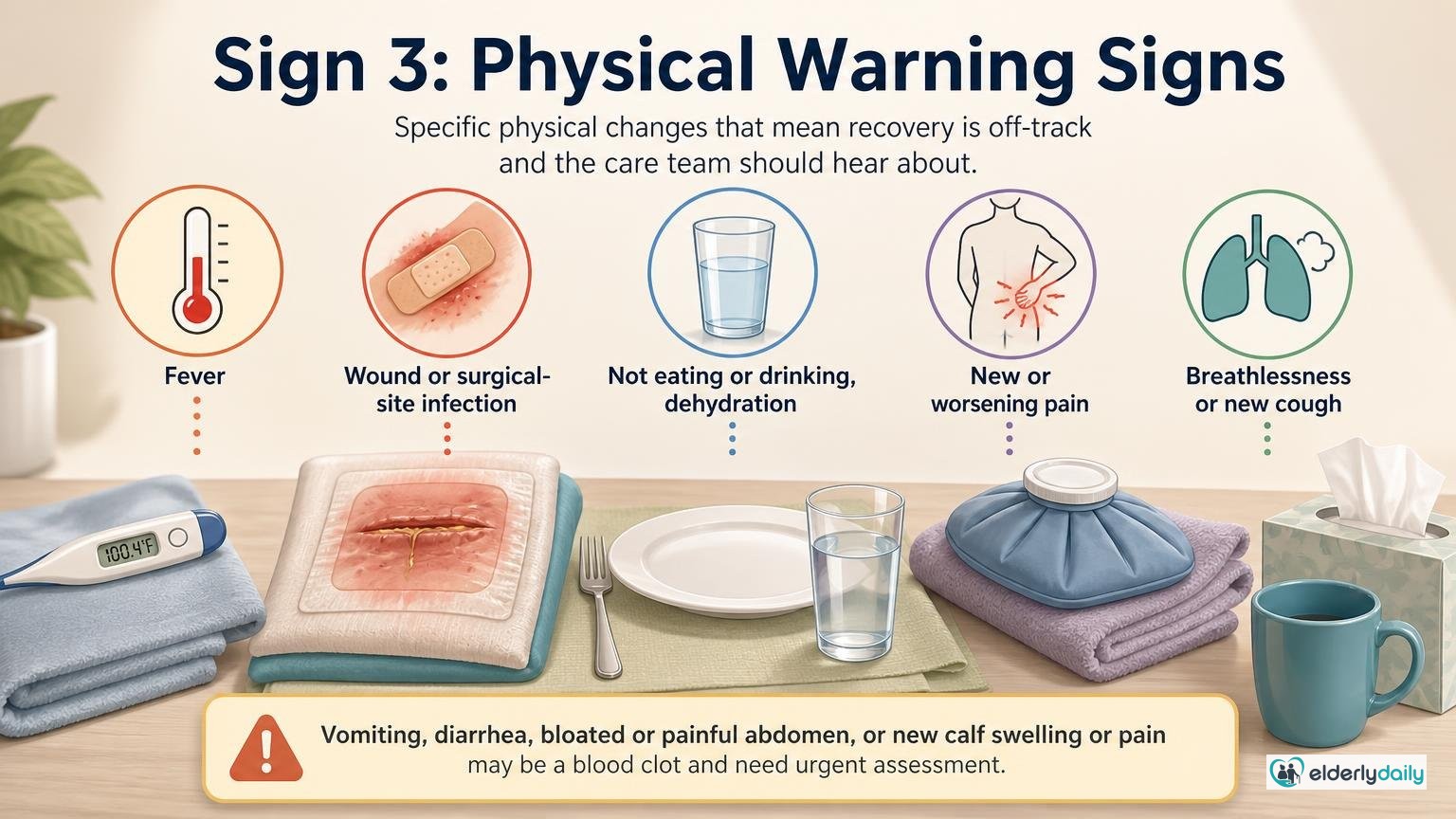
Physical Red Flags
These physical symptoms indicate your parent may not be recovering properly and require medical evaluation. Don't wait to see if they improve on their own—early intervention prevents complications.
For comprehensive guidance on what to expect during the recovery period, see our What to Expect After Hospital Discharge guide.
Worsening Weakness
Strength declining instead of improving, unable to perform activities they could do yesterday
Repeated Falls
Multiple falls or near-falls, especially if increasing in frequency
Severe Swelling
New or worsening swelling in legs, ankles, or surgical site; skin tight and shiny
Fever
Temperature above 100.4°F (38°C), especially with chills or sweating
Uncontrolled Pain
Pain not relieved by prescribed medication, or pain that suddenly worsens
Shortness of Breath
Difficulty breathing, rapid breathing, or breathing that worsens when lying down
Call 911 or go to ER immediately
Poor Wound Healing
Surgical incision red, hot, draining pus, or opening up; foul odor from wound
Chest Pain or Pressure
Any chest discomfort, tightness, or pain radiating to arm, jaw, or back
Call 911 or go to ER immediately
Inability to Eat or Drink
Refusing all food and fluids for 24+ hours, or persistent vomiting
Dark or Bloody Urine
Urine that is very dark, bloody, or foul-smelling; painful urination
Medication Side Effects
New symptoms after starting medication: rash, dizziness, nausea, confusion
Vision Changes
Sudden blurred vision, double vision, or loss of vision
Emergency Warning Signs
Call 911 immediately if your parent experiences:
- Chest pain or severe shortness of breath
- Sudden confusion, slurred speech, or unresponsiveness
- Signs of stroke (face drooping, arm weakness, speech difficulty)
- Uncontrolled bleeding or severe injury from a fall
Proper medication management is crucial during recovery
Cognitive & Emotional Red Flags
Mental and emotional changes can be just as concerning as physical symptoms. These cognitive warning signs may indicate delirium, medication reactions, infection, or worsening dementia.
If your parent has dementia, compare current behavior to their baseline. Learn more in our guide on Signs Dementia Is Getting Worse.
Cognitive Changes
Sudden Confusion
Not recognizing family members, disoriented to time and place, asking the same questions repeatedly
Hallucinations
Seeing or hearing things that aren't there, talking to people who aren't present
Severe Agitation
Extreme restlessness, combativeness, or paranoia that's new or much worse than before
Inability to Focus
Cannot follow simple instructions, attention span extremely short, seems "out of it"
Sleep-Wake Cycle Disruption
Sleeping all day and awake all night, or unable to sleep at all
Emotional Changes
Extreme Withdrawal
Refusing to speak, not responding to family, staring blankly, showing no interest in anything
Unusual Aggression
Hitting, biting, or verbally abusive behavior that's completely out of character
Severe Depression
Crying frequently, expressing hopelessness, refusing care, talking about death
Personality Changes
Acting completely unlike themselves—gentle person becoming mean, or outgoing person becoming fearful
Extreme Anxiety
Constant worry, panic attacks, refusing to be alone even for a moment
Delirium vs Dementia
Delirium comes on suddenly (hours to days) and fluctuates throughout the day. It's often caused by infection, medication, dehydration, or pain—and it's reversible with treatment.
Dementia develops gradually over months to years and is generally stable day-to-day. If your parent has dementia and suddenly becomes much more confused, they likely have delirium on top of dementia—call the doctor immediately.
Mobility & Safety Concerns
Mobility problems during recovery increase fall risk and can indicate complications. These warning signs require immediate attention and may need equipment or therapy intervention.
Critical Mobility Red Flags
Unable to Stand Safely
Cannot bear weight on legs even with assistance, knees buckling, or needing two people to transfer. This level of weakness requires immediate medical evaluation and may indicate serious complications.
Frequent Near-Falls
Multiple close calls throughout the day, catching themselves on furniture, or needing to be caught by caregivers. Near-falls often precede actual falls and indicate unsafe mobility.
Refusing to Move
Won't get out of bed or chair, resists all attempts at mobility, or expresses extreme fear of moving. This can indicate pain, fear of falling, depression, or rapid deconditioning.
Repeated Falls
Two or more falls within a week, or any fall resulting in injury. Each fall increases risk of serious injury and indicates the current care plan isn't working.
Sudden Gait Changes
New shuffling, dragging one leg, walking bent over, or veering to one side. Sudden gait changes can indicate stroke, neurological problems, or severe pain.
Extreme Slowness
Taking 5+ minutes to walk 10 feet, or movement so slow it's unsafe. While some slowness is expected, extreme slowness indicates severe weakness or balance problems.
When to Request Physical Therapy
If your parent's mobility is not improving after 7-10 days, or if they're having difficulty with transfers, walking, or balance, ask the doctor for a physical therapy referral. Early intervention prevents further decline and reduces fall risk.
Safety Equipment That Can Help

Best Walkers for Seniors
Provide stable support for walking and reduce fall risk during recovery
View Top PicksBest Transfer Boards
Make transfers from bed to chair safer when standing is difficult
View Top PicksBest Bed Assist Handles
Help your parent get in and out of bed safely and independently
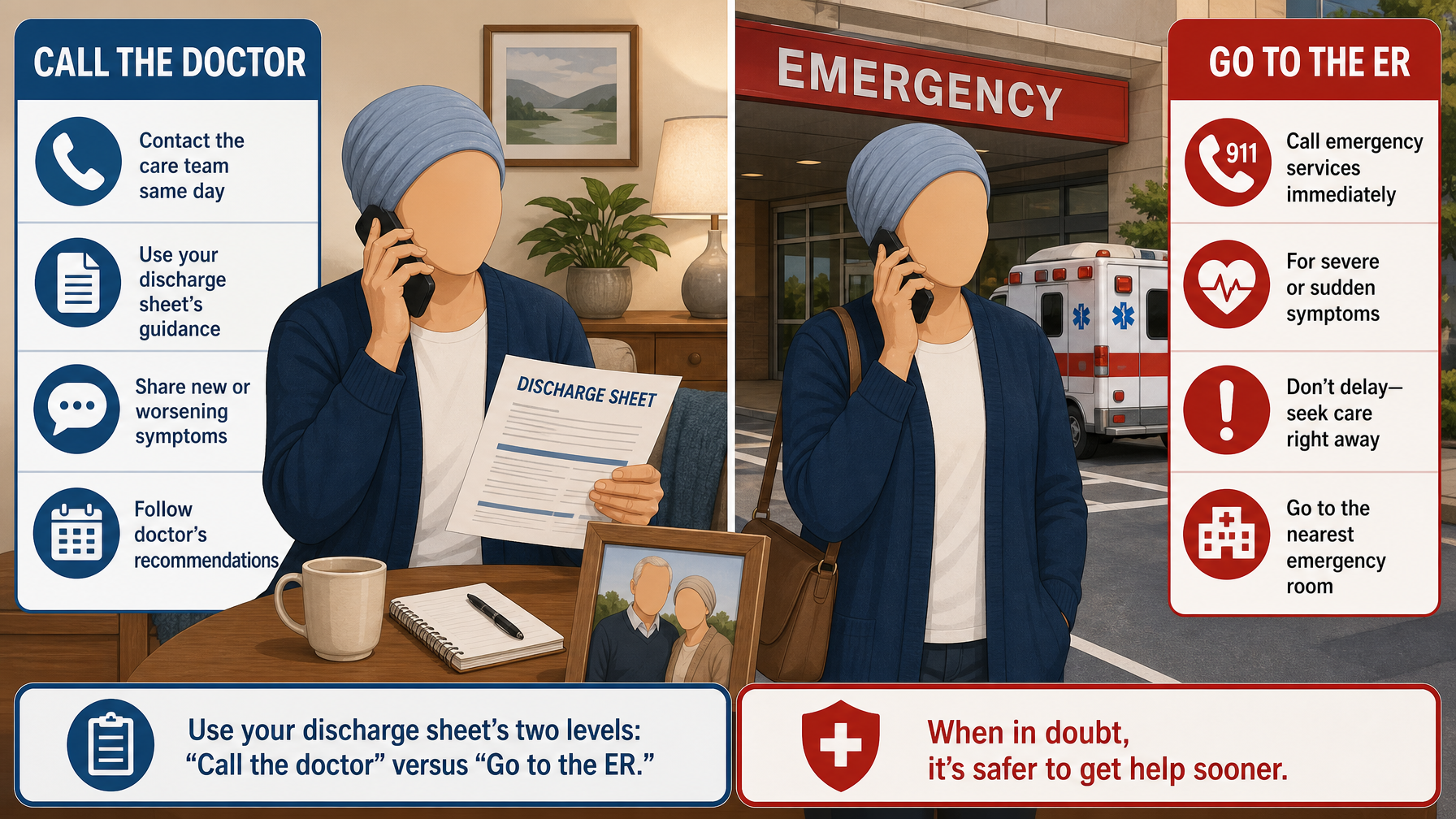
View Top PicksWhen to Call the Doctor Immediately
Don't wait to see if symptoms improve on their own. Early intervention prevents complications and can save your parent's life. Call the doctor or go to the ER if you notice any of these warning signs.
Call 911 Now
- Chest pain, pressure, or tightness
- Severe shortness of breath or gasping for air
- Sudden confusion or unresponsiveness
- Signs of stroke (face drooping, arm weakness, speech difficulty)
- Uncontrolled bleeding
- Seizure or loss of consciousness
- Severe injury from a fall
Call Doctor Today
- Fever above 100.4°F (38°C)
- Pain not controlled by medication
- Repeated vomiting or inability to keep down fluids
- Signs of wound infection (redness, warmth, drainage, odor)
- New or worsening swelling in legs
- Sudden increase in confusion
- Multiple falls or near-falls
What to Tell the Doctor
When you call, be prepared to describe:
- Specific symptoms and when they started
- Whether symptoms are getting better or worse
- All medications your parent is taking
- Recent vital signs if you've been monitoring them (temperature, blood pressure, pulse)
- What you've tried to help (ice, heat, medication, etc.)
Trust Your Instincts
You know your parent better than anyone. If something feels wrong, even if you can't pinpoint exactly what it is, call the doctor. Healthcare providers would rather hear from you early than deal with a preventable emergency later.
When Home Care May No Longer Be Safe
Sometimes, despite your best efforts, recovery at home becomes unsafe or unsustainable. Recognizing when your parent needs a higher level of care is not failure—it's responsible caregiving.
Signs Home Care Is No Longer Adequate
24/7 Supervision Required
Your parent cannot be left alone for even short periods due to confusion, fall risk, or medical needs
Complex Medical Needs
Wound care, IV medications, or monitoring requirements beyond family capability
Total Dependence
Needs two-person transfers, cannot participate in care, or requires lifting equipment
Caregiver Health at Risk
You're experiencing physical injury, severe sleep deprivation, or health problems from caregiving
Repeated Emergencies
Multiple ER visits or hospital readmissions despite following care instructions
Home Environment Unsafe
Cannot make home safe enough despite modifications, or living situation is unsuitable for recovery
Alternative Care Options
Skilled Nursing Facility (Short-Term Rehab)
Provides intensive rehabilitation and medical care for recovery. Medicare typically covers 20-100 days if criteria are met. This is temporary care focused on helping your parent regain strength and function.
Home Health Care
Nurses, physical therapists, and aides come to the home for medical care and therapy. Can bridge the gap between hospital and full recovery. Medicare covers if homebound and needs skilled care.
Assisted Living or Memory Care
Long-term residential care with 24/7 support, meals, medication management, and activities. Appropriate when recovery plateaus but parent still needs ongoing assistance.
For guidance on recognizing when assisted living becomes necessary, read our comprehensive guide on How to Tell If Parent Needs Assisted Living.
You Are Not Giving Up
Recognizing that your parent needs professional care is an act of love, not abandonment. Sometimes the best way to care for your parent is to ensure they receive the level of support they need to recover safely—even if that means care outside the home.
You're Not Alone in This
Watching your parent struggle to recover is emotionally exhausting. The worry, the constant vigilance, the fear of missing something important—it takes a toll. Your feelings are valid, and you deserve support too.
It's Normal to Feel:
Overwhelmed
By the responsibility and constant decision-making
Anxious
About missing warning signs or making wrong choices
Guilty
For feeling frustrated or wanting a break
Exhausted
From interrupted sleep and constant caregiving
Uncertain
About whether you're doing enough or doing it right
Isolated
Like no one understands what you're going through
Ways to Support Yourself
Ask Questions Without Hesitation
Call the doctor's office as many times as you need. Write down questions before appointments. There are no stupid questions when it comes to your parent's health.
Build a Support Network
Reach out to family, friends, or caregiver support groups. Even one person you can call when worried makes a difference.
Keep a Recovery Journal
Track symptoms, medications, and daily progress. This helps you spot patterns and gives doctors concrete information.
Accept Help When Offered
When someone asks "What can I do?", have a list ready: grocery shopping, sitting with your parent for an hour, picking up prescriptions.
Monitor Your Own Health
You can't care for your parent if you collapse from exhaustion. Sleep when you can, eat regularly, and don't skip your own medical appointments.
Trust Your Instincts
If something feels wrong, it probably is. Don't let anyone make you feel like you're overreacting. Early intervention saves lives.
For comprehensive strategies to protect your own wellbeing while caregiving, explore our guide on Preventing Caregiver Burnout.
You're Doing Your Best
Recovery is rarely a straight line. There will be setbacks, scary moments, and days when you question everything. That doesn't mean you're failing—it means you're human, and you care deeply. Keep advocating for your parent, keep asking questions, and keep taking care of yourself too.
More Helpful Guides
Learn more about recovery and caregiver support:
Frequently Asked Questions
Trust Your Instincts
You know your parent better than anyone. If something feels wrong, call the doctor.