
A Healthy Morning Routine for Seniors

Practical guidance for seniors and caregivers; not medical advice. Adapt to the individual’s health, mobility, and preferences.
How the morning goes often sets the tone for the whole day. A calm, unhurried morning routine helps a senior start steady, safe, and energized — without rushing or strain.
Key takeaways
- A calm, unhurried morning sets a steady tone for the whole day — rushing raises stress and fall risk.
- Rise gradually — sit on the edge of the bed for a minute before standing to avoid the dizziness that causes morning falls.
- Core elements: safe washing and dressing, a nourishing breakfast, medications, hydration, and gentle movement.
- Make the morning safe — good lighting, a clear path, grab bars, and supportive footwear.
- Keep it flexible and person-centered, adapting to energy and ability, with gentle caregiver support where needed.
Quick answer
What is a good morning routine for an elderly person?
A healthy senior morning is calm and unhurried: wake at a consistent time and rise gradually (sit up before standing to avoid dizziness), then wash and dress safely, take medications, have a nourishing breakfast with hydration, and do some gentle movement. Make it safe with good lighting, a clear path, grab bars, and supportive footwear. Keep it flexible and adapt to the person’s energy, with gentle caregiver support where needed.
Why the morning sets the tone
Mornings can be the trickiest part of the day for older adults — the body is stiff after sleep, blood pressure can dip on standing, and a rushed start raises both stress and fall risk. But handled well, a calm morning routine does the opposite: it eases the body into the day, gets the essentials done safely, and creates momentum and a positive mood that carry forward.
The goal is unhurried steadiness, not a packed checklist. This guide covers the core elements of a good morning and how to make them safe, as part of the wider daily routine.

Bonus: Follow-Along Player
An ElderlyDaily original
Ready for a plan you can follow every day?
Chair Yoga for Seniors — The Complete 4-Week System
- 40 illustrated poses, each with an easier and a stronger option
- A day-by-day 4-week plan that starts at about 10 minutes a day
- 7 mini-routines for stiff knees, balance, mornings and more
One-off purchase. Instant download.
Fillable PDF · 48 pages · US Letter + A4
Waking and rising gently
The first minutes out of bed are a common moment for falls, so ease into them:
- A consistent wake time anchors the body clock and improves sleep over time.
- Rise in stages — sit up, then sit on the edge of the bed for a minute or so before standing, letting blood pressure adjust to avoid lightheadedness (orthostatic hypotension). This one habit can help lower the risk of morning falls.
- Stand slowly, holding something sturdy such as a bed assist handle, and pause to steady before walking.
- Light the way and clear the path to the bathroom, and have supportive footwear by the bed — see safe bedroom setup.
Good to know
The single most valuable morning habit: sit on the edge of the bed for a full minute before standing. It gives blood pressure time to adjust and can reduce the dizziness that may lead to early-morning falls.
The core elements of a good morning
A nourishing morning routine covers a few essentials, done at a comfortable pace:
- Safe washing — a warm wash or shower with bathroom safety in place (grab bars, non-slip mats, a shower chair if helpful).
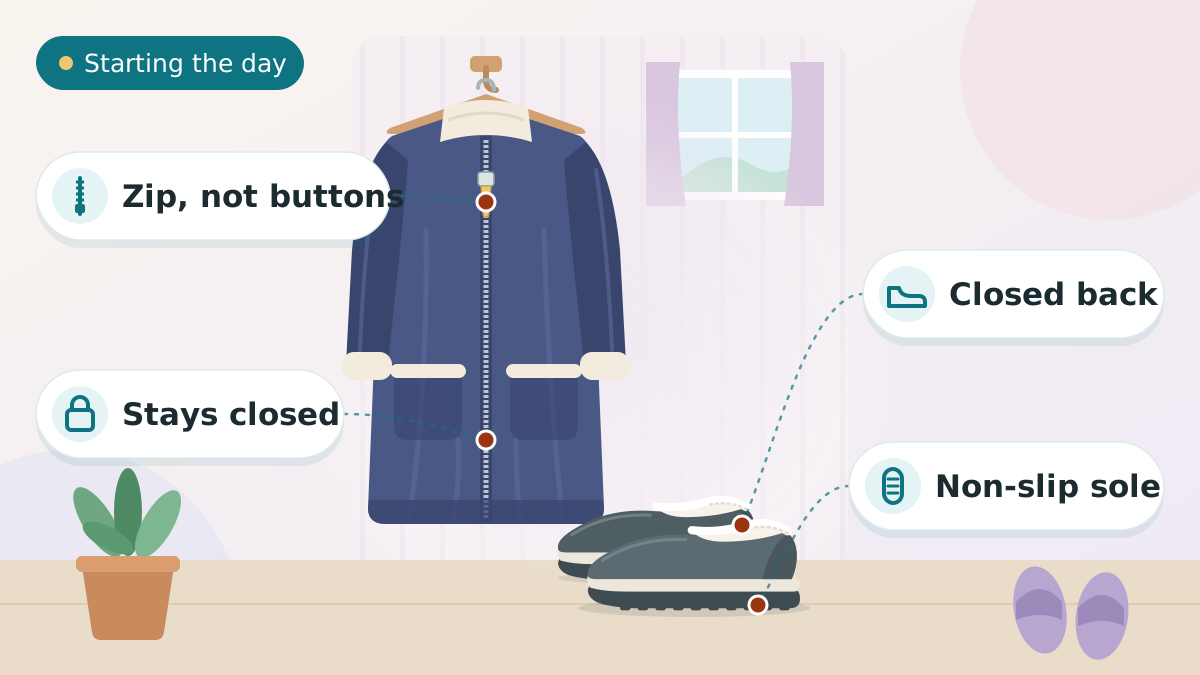
- Dressing — comfortable clothes and supportive footwear, with dressing aids if bending or reaching is hard.
- A nourishing breakfast — a balanced start with protein and fibre supports energy and blood sugar; see daily nutrition.
- Hydration — a glass of water on waking, since the body is often mildly dehydrated after the night.
- Medications — taken as prescribed, made reliable with a pill organizer; part of good medication management.
- Gentle movement — some light morning activity to loosen stiff joints and wake the body.
A sample morning routine
A flexible example — adjust the order and pace to suit the person:
- 1
Wake and rise gently
Wake at a consistent time, sit on the edge of the bed for a minute, then stand slowly with support. Put on non-slip footwear.
- 2
Bathroom and washing
Use the toilet, then wash or shower safely with grab bars and non-slip mats. Take time; there is no rush.
- 3
Dress for the day
Put on comfortable clothes and supportive shoes, using dressing aids if helpful. Getting dressed (not staying in nightwear) supports mood and routine.
- 4
Hydrate and take medications
Have a glass of water and take any morning medications from the organizer.
- 5
Breakfast
Enjoy a balanced breakfast with protein, fibre, and fluids — a proper meal, not skipped.
- 6
Gentle movement
Do a few minutes of light stretching or a short walk to loosen up and energize for the day.
Adapting the morning by ability
Shape the morning to the person’s needs:
- Active seniors — the morning can include a longer walk or exercise session and getting out for errands or social contact.
- Limited mobility — allow more time, use mobility aids and bathroom supports, and consider seated washing and dressing.
- Cognitive decline — keep the sequence simple and consistent, with gentle step-by-step prompts; familiarity reduces morning confusion.
- Slow starters — some people need a gentle, gradual start; honor that rather than forcing a brisk pace.
Where dressing is the slow part of the morning, the fastenings are usually why rather than the clothes themselves. Swapping to front closure bras and pull-on styles can reduce the reaching and fiddly fastening that slow dressing down.
Caregiver support and common mistakes
Caregivers can make mornings calmer and safer — while avoiding a few common pitfalls:
- Allow enough time — rushing is a common mistake, and a hurried morning can add stress and raise fall risk. Build in plenty of time.
- Prompt, don’t take over — support independence; let the person do what they safely can.
- Prepare the night before — laying out clothes and medications eases the morning (part of the evening routine).
- Don’t skip breakfast or hydration — these matter for energy, blood sugar, and medication tolerance.
- Keep it safe — good lighting, clear paths, and a medical alert device or monitoring for those living alone or recovering after a hospital stay.
Watch out
Rushing is the enemy of a safe morning. A hurried, stressed start raises fall risk and sours the mood for hours. Build in more time than seems necessary — a calm, unhurried morning is a safer one.
Frequently asked questions
What is a good morning routine for an elderly person?
A calm, unhurried one: wake at a consistent time and rise gradually (sit on the bed edge before standing to avoid dizziness), then wash and dress safely, take medications, have a nourishing breakfast with hydration, and do some gentle movement. Make it safe with good lighting, a clear path, grab bars, and supportive footwear, and keep it flexible to the person’s energy and ability.
Why do elderly people get dizzy in the morning?
Rising quickly from bed can cause a temporary drop in blood pressure (orthostatic hypotension), leading to lightheadedness just as the person stands — a common cause of morning falls. The fix is to rise in stages: sit up, sit on the edge of the bed for a minute to let blood pressure adjust, then stand slowly with support. Frequent dizziness on standing should be mentioned to a doctor.
Should seniors get dressed every morning?
Yes, where possible — getting washed and dressed for the day (rather than staying in nightwear) supports mood, dignity, routine, and a sense of purpose. Use comfortable clothes, supportive footwear, and dressing aids if bending or reaching is difficult. For those with limited mobility, seated dressing and extra time make it manageable.
What should a senior eat for breakfast?
A balanced breakfast with protein and fibre supports steady energy and blood sugar to start the day — for example, eggs, oats, yogurt, wholegrain toast, or fruit, with fluids for hydration. The key is not skipping it: breakfast fuels the morning and helps medications be tolerated. Our daily nutrition guide covers senior nutrition in more detail.
How can caregivers make mornings easier?
Allow plenty of time to avoid rushing (which can add to morning stress and fall risk), prompt gently rather than taking over, prepare clothes and medications the night before, ensure breakfast and hydration happen, and keep the environment safe with good lighting, clear paths, and bathroom supports. A medical alert device adds reassurance for those living alone.
How do I help a senior who is slow to get going in the morning?
Honor their natural pace rather than forcing a brisk start — many older adults need a gentle, gradual morning. Build in extra time, keep the sequence simple and consistent, prepare things the night before, and use gentle prompts. If slowness reflects new fatigue, low mood, or a sudden change, it is worth discussing with a doctor.
Sources
- CDC. Facts About Falls — Older Adult Fall Prevention
- National Institute on Aging (NIH). Sleep and Older Adults
- National Institute on Aging (NIH). Healthy Eating As You Age: Know Your Food Groups
