
A Daily Nutrition and Hydration Guide for Seniors

General educational guidance, not personalized dietary or medical advice. For individual needs, medical conditions, or concerns like weight or appetite loss, consult a doctor or dietitian.
Good nutrition is one of the pillars of healthy aging — but needs and appetites change over the years. This guide keeps it simple: balanced meals, key nutrients, staying hydrated, and gentle solutions to common eating challenges.
Key takeaways
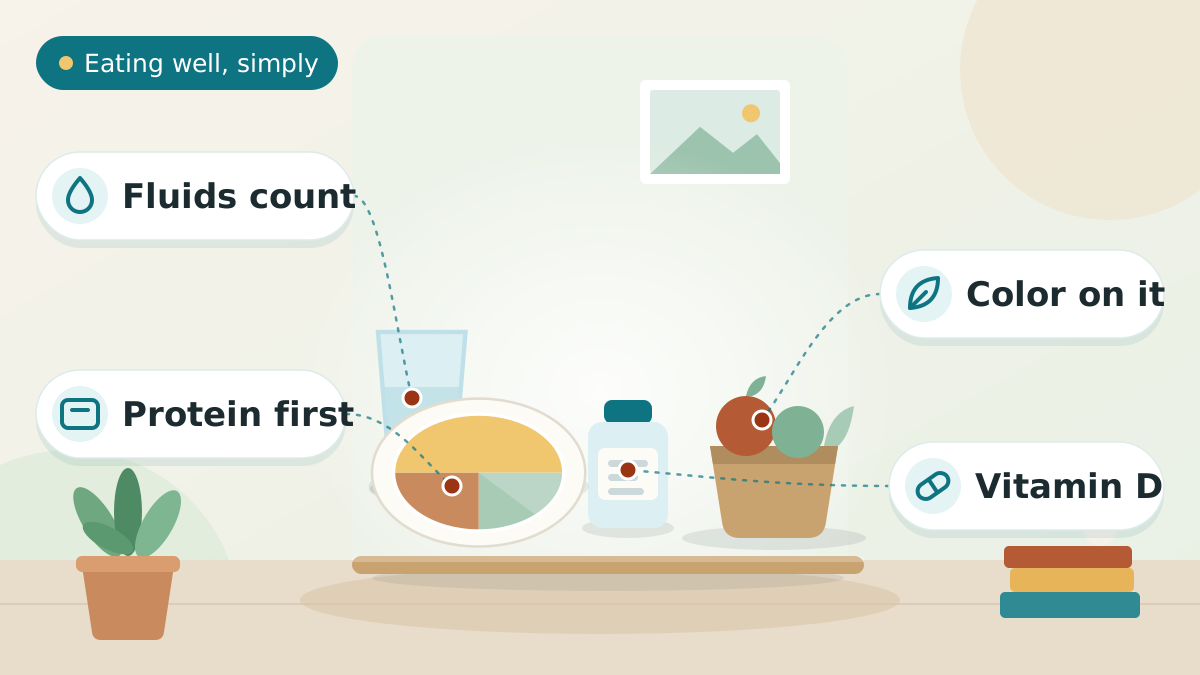
- Nutrition needs shift with age — often fewer calories are needed, but more attention to protein, key nutrients, and hydration.
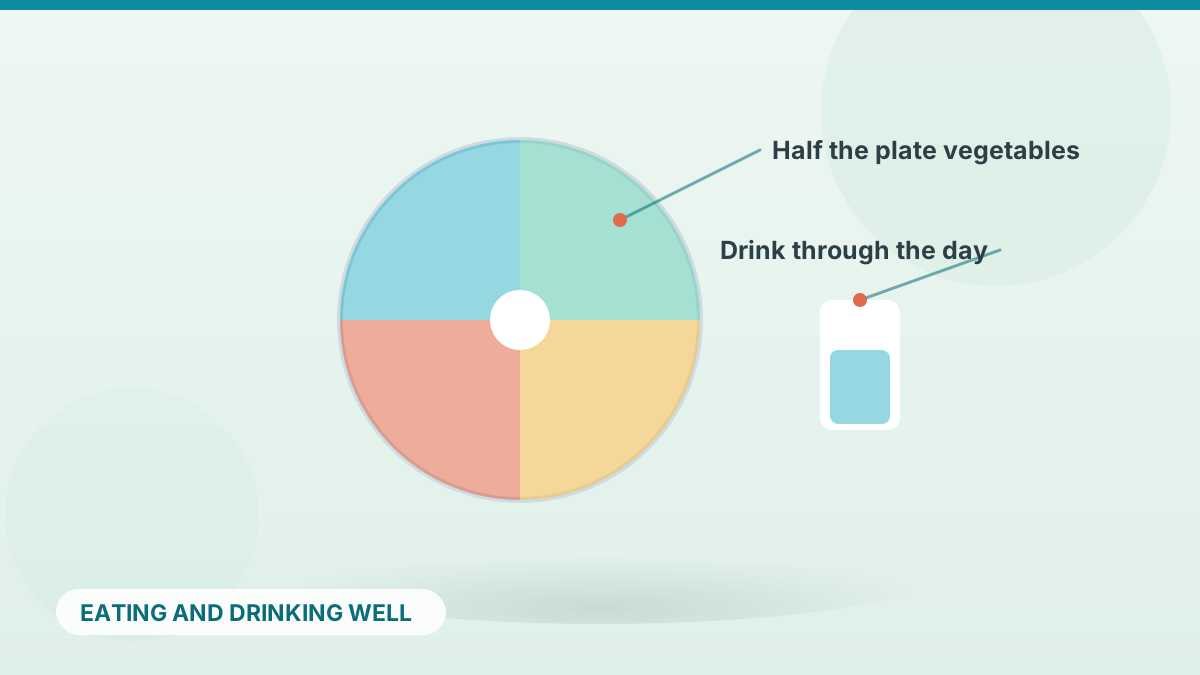
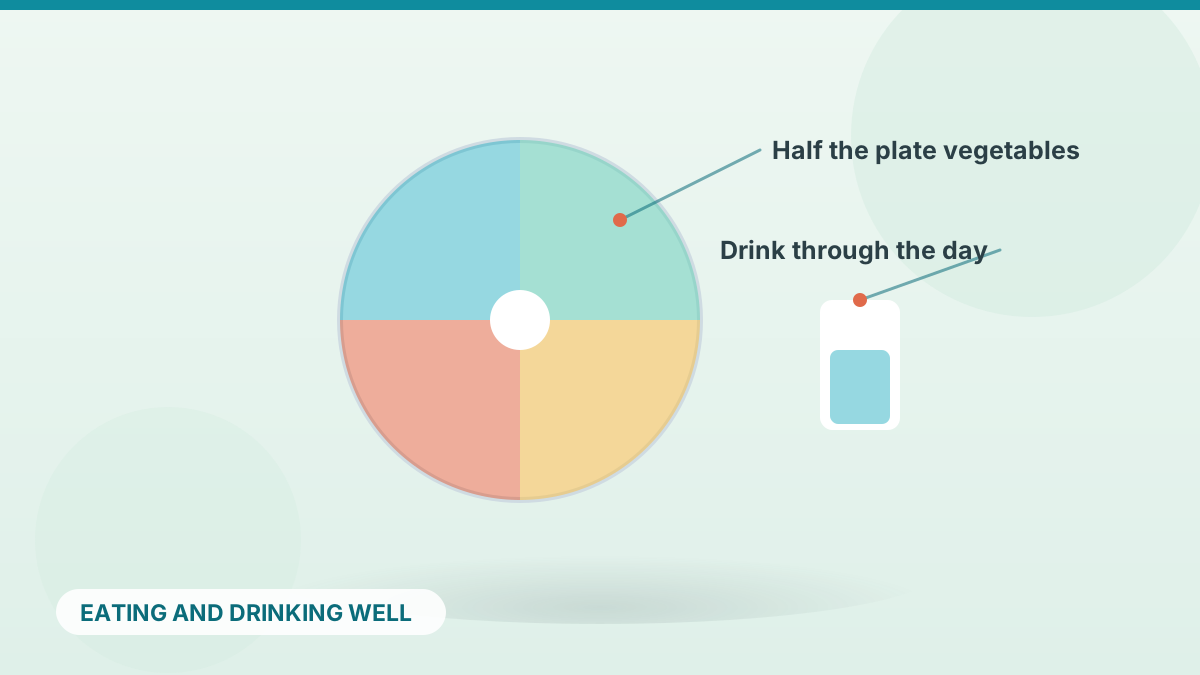
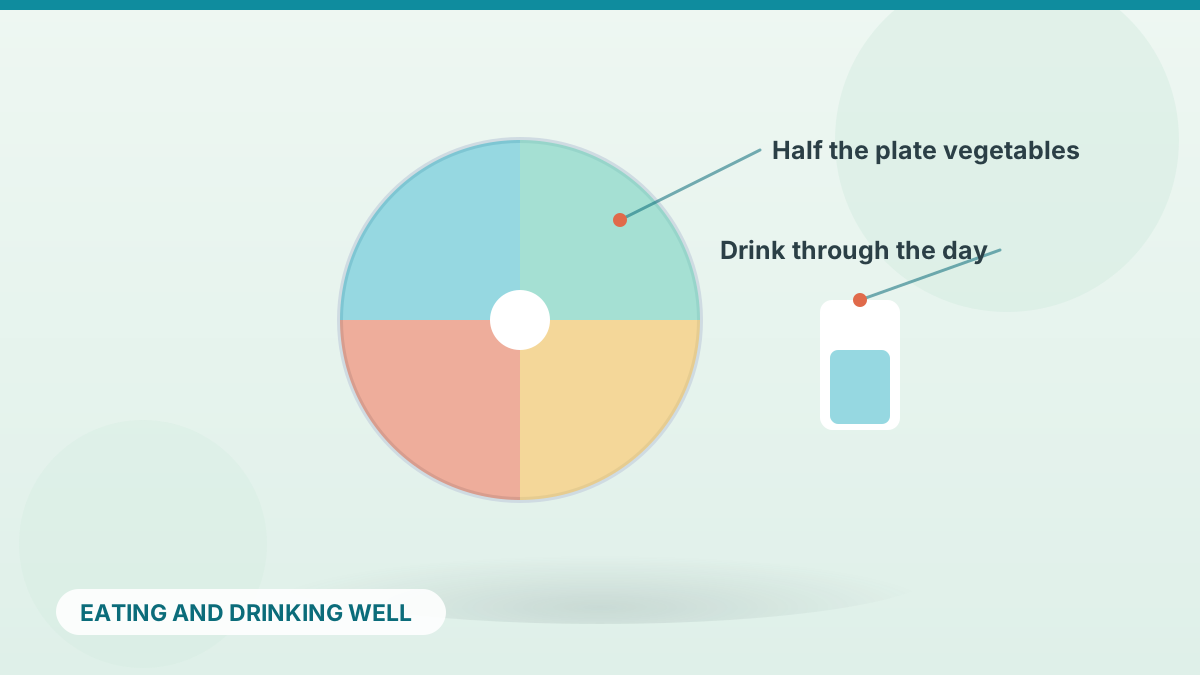
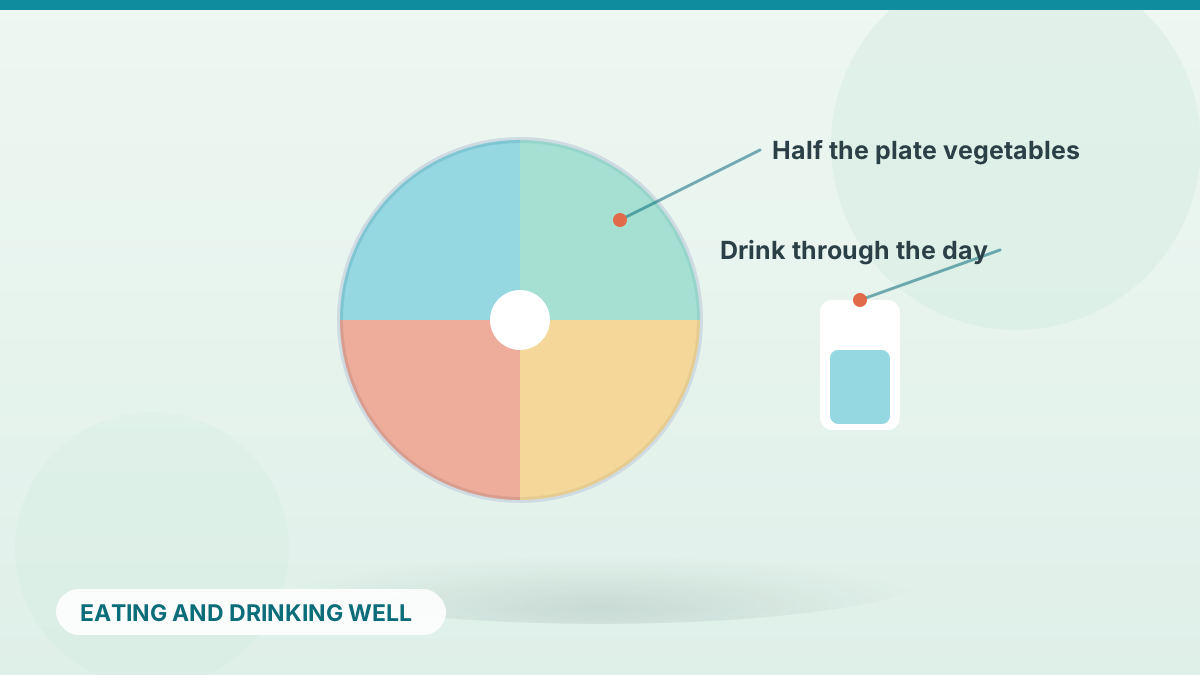
- Keep meals simple with a balanced plate: half vegetables and fruit, a quarter protein, a quarter wholegrains, plus healthy fats and dairy or alternatives.
- Watch key nutrients often low in seniors — protein, calcium and vitamin D, fibre, and B12 — through varied whole foods.
- Hydration is easy to overlook — older adults feel thirst less, so encourage fluids through the day.
- Appetite and eating challenges are common — address them gently, and seek a doctor or dietitian for weight loss, poor appetite, or specific conditions.
Quick answer
What should seniors eat for good nutrition?
Keep it simple with a balanced plate: about half vegetables and fruit, a quarter lean protein, and a quarter wholegrains, plus some healthy fats and dairy or alternatives. Pay extra attention to nutrients often low in older adults — protein, calcium and vitamin D, fibre, and B12 — through varied whole foods, and stay well hydrated, since thirst is felt less with age. Address common challenges like reduced appetite gently. This is general guidance; for personalized needs, medical conditions, or concerns like unintentional weight loss, consult a doctor or dietitian.
Why nutrition changes with age
Nutrition in later life is a little different from earlier adulthood. The body typically needs fewer calories as metabolism and activity change — but the need for nutrients stays high or even rises, so every meal needs to work harder nutritionally. At the same time, appetite often decreases, the senses of taste and smell can dull, and factors like medications, dental issues, or difficulty shopping and cooking can all affect what and how much a person eats.
The result is that older adults are at real risk of missing key nutrients, protein, and fluids even without obvious signs. The aim of this guide is to make good nutrition simple and achievable. It complements a healthy daily routine with regular meals and movement. For individual needs, always lean on a doctor or dietitian.

Bonus: Follow-Along Player
An ElderlyDaily original
Ready for a plan you can follow every day?
Chair Yoga for Seniors — The Complete 4-Week System
- 40 illustrated poses, each with an easier and a stronger option
- A day-by-day 4-week plan that starts at about 10 minutes a day
- 7 mini-routines for stiff knees, balance, mornings and more
One-off purchase. Instant download.
Fillable PDF · 48 pages · US Letter + A4

Sponsored Pick
Kate Farms High Protein Nutrition Shake
Seniors who are dairy-free, vegan, or want an organic, plant-based option
Check PriceThe simple balanced-plate approach
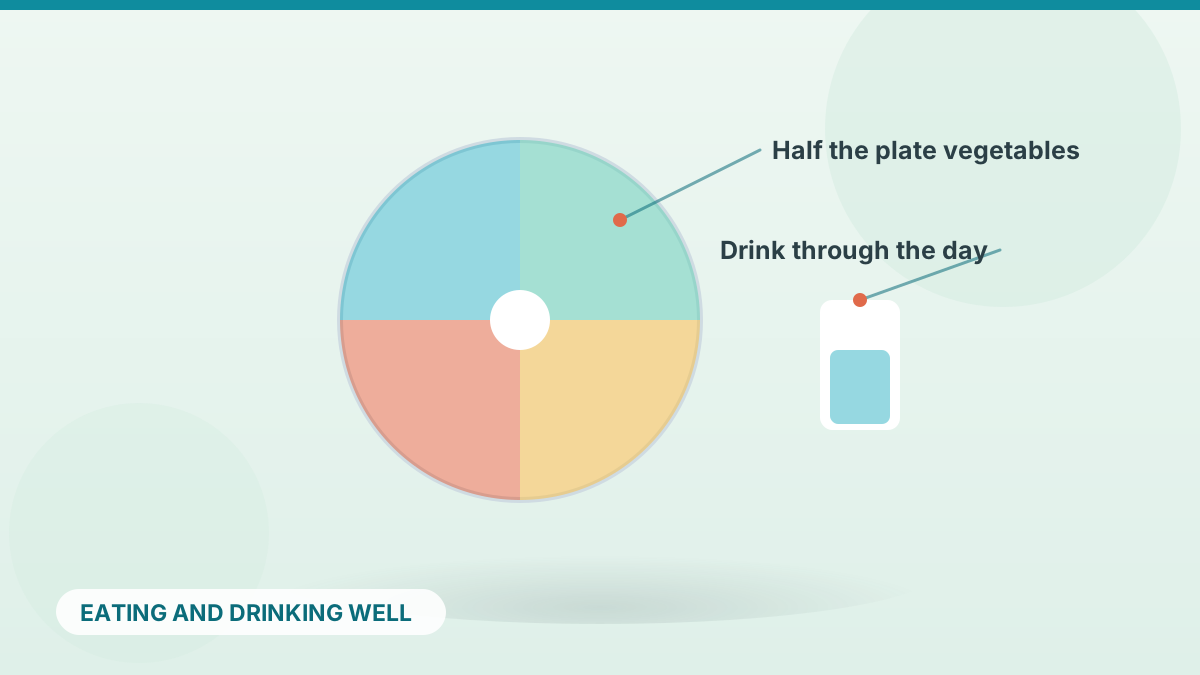
Rather than counting anything, a simple visual approach makes balanced meals easy:
- Half the plate vegetables and fruit — a variety of colors for vitamins, minerals, and fibre.
- A quarter lean protein — such as fish, poultry, eggs, beans, lentils, tofu, or lean meat, at each meal to protect muscle.
- A quarter wholegrains — like wholegrain bread, oats, brown rice, or wholewheat pasta, for steady energy and fibre.
- Some healthy fats — olive oil, nuts, seeds, and oily fish support heart and brain health.
- Dairy or fortified alternatives — for calcium and, often, added vitamin D.
- Make it appealing — color, flavor, and variety matter more when appetite is low; season well (herbs and spices help when taste dulls).
Good to know
Protein at every meal is one of the most valuable habits for older adults — it protects the muscle that keeps a person strong, mobile, and steady. Spreading protein across breakfast, lunch, and dinner (rather than only at dinner) helps the body use it best.
Key nutrients for seniors
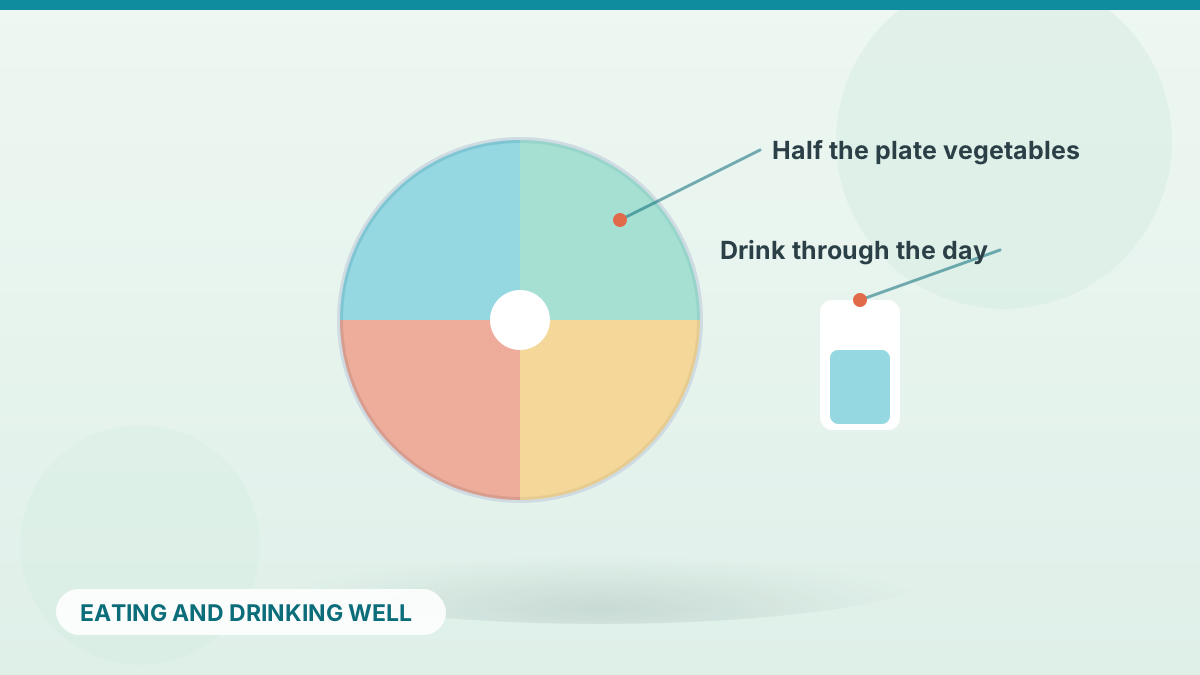
A few nutrients deserve particular attention because they’re both important and commonly low in older adults:
- Protein — vital for maintaining muscle, strength, and recovery; include a source at each meal.
- Calcium and vitamin D — to support bone strength; from dairy or fortified foods, oily fish, and (for vitamin D) sensible sun and often a supplement, as many older adults are low.
- Fibre — from vegetables, fruit, wholegrains, and legumes, to support digestion and help ease the constipation that’s common in seniors.
- Vitamin B12 — absorption declines with age, so varied intake and, where advised, testing or supplementation matter.
- Other nutrients — a varied, colorful diet covers most needs; a doctor can check for specific deficiencies.
Any supplements should be discussed with a doctor or pharmacist, particularly alongside medications.
Daily hydration for seniors
Hydration is one of the most overlooked parts of senior nutrition — and one of the most important:
- Thirst fades with age — older adults often don’t feel thirsty until already mildly dehydrated, so relying on thirst isn’t enough.
- Dehydration causes real harm — it can lead to confusion, dizziness and falls, constipation, and worsened urinary symptoms; it’s a frequent, preventable cause of hospital visits.
- Encourage fluids through the day — regular drinks with meals and between them, in whatever form is enjoyed (water, milk, tea, diluted juice; foods like soups and fruit help too).
- Make it easy — keep a drink within reach, offer regularly, and use easy-to-hold cups; balance evening fluids against night bathroom trips.
- Follow medical advice — some conditions require specific fluid guidance; check with the doctor.
Watch out
Because thirst is a poor guide in older adults, sudden confusion, dizziness, or a marked drop in energy can be signs of dehydration — and can also signal infection. Encourage regular fluids proactively, and seek medical advice for sudden confusion or signs of dehydration.
Common eating challenges
Several practical issues affect how seniors eat — most can be eased gently:
- Reduced appetite — offer smaller, more frequent nutritious meals and snacks, make food appealing, and eat together for company; a protein or nutritional drink can help fill nutritional gaps when eating enough food is hard.
- Difficulty chewing or swallowing — softer foods and good dental care help; swallowing difficulty needs medical assessment.
- Trouble with utensils — adaptive eating utensils and eating aids restore independent, dignified eating for weak or arthritic hands.
- Shopping and cooking — simpler recipes, help with shopping, batch cooking, or meal services can bridge gaps.
- Eating alone — social meals improve both intake and enjoyment; see social activities.
- Foods to go easy on — limit very salty, sugary, and heavily processed foods, tailoring to any conditions (e.g. blood pressure, diabetes) with medical guidance.
When to seek professional guidance
General principles suit most people, but some situations need personalized advice:
- Unintentional weight loss or ongoing poor appetite — an important sign that warrants a doctor’s review to find the cause.
- Medical conditions — diabetes, heart or kidney disease, swallowing problems, and others need tailored dietary guidance from a doctor or dietitian.
- Suspected deficiencies or supplement questions — best guided by a professional, especially alongside medications.
- Recovery after illness — nutrition is key to rebuilding strength; see post-hospital recovery.
- A dietitian can create a plan tailored to the individual’s needs, preferences, and health — invaluable where eating is a genuine concern.
Frequently asked questions
What should seniors eat for good nutrition?
Keep it simple with a balanced plate: about half vegetables and fruit, a quarter lean protein, and a quarter wholegrains, plus healthy fats and dairy or fortified alternatives. Pay extra attention to protein, calcium and vitamin D, fibre, and B12, which are often low in older adults, and stay well hydrated. For personalized needs or medical conditions, consult a doctor or dietitian.
How does nutrition change with age?
The body typically needs fewer calories as metabolism and activity change, but the need for nutrients stays high or rises, so meals need to be more nutrient-dense. Appetite often decreases, taste and smell can dull, and medications, dental issues, or difficulty shopping and cooking affect eating. This puts older adults at real risk of missing protein, key nutrients, and fluids.
Why is protein important for seniors?
Protein is vital for maintaining muscle, which keeps older adults strong, mobile, and steady on their feet, and it supports recovery from illness. Muscle is lost more easily with age, so including a protein source (such as fish, poultry, eggs, beans, or dairy) at every meal — rather than only at dinner — helps protect it. This is one of the most valuable senior nutrition habits.
How much should seniors drink to stay hydrated?
Rather than a fixed amount, the key is regular fluids through the day, because older adults feel thirst less and can be dehydrated before noticing. Offer drinks with and between meals in whatever form is enjoyed, keep a drink within reach, and include hydrating foods like soups and fruit. Some conditions need specific fluid guidance, so follow medical advice, and balance evening fluids against night bathroom trips.
What helps seniors with a poor appetite?
Offer smaller, more frequent nutritious meals and snacks rather than large meals, make food appealing with color, flavor, and variety (season well when taste dulls), prioritize protein and nutrient-dense foods, and eat together for company, since eating alone reduces intake. Ongoing poor appetite or unintentional weight loss should be reviewed by a doctor to find and address the cause.
When should I get professional help with a senior’s diet?
Seek a doctor or dietitian for unintentional weight loss or ongoing poor appetite, for medical conditions needing tailored diets (like diabetes, heart, or kidney disease), for swallowing difficulties, for suspected deficiencies or supplement questions (especially alongside medications), and during recovery from illness. A dietitian can create a plan tailored to the person’s needs, preferences, and health.
Sources
- National Institute on Aging (NIH). Healthy Eating As You Age: Know Your Food Groups
- MedlinePlus (NIH National Library of Medicine). Nutrition for Older Adults
- CDC. Facts About Falls — Older Adult Fall Prevention
- Clinical Infectious Diseases (Norman, 2000). Fever in the Elderly
