
Social Activities for Seniors: Staying Connected

Practical guidance for seniors and caregivers; not medical advice. Persistent loneliness or low mood is worth discussing with a doctor.
Human connection is not a luxury in later life — it’s a pillar of health. Staying socially connected is linked to better mood, memory, and even physical wellbeing, and this guide offers simple, realistic ways to nurture it.
Key takeaways
- Social connection is a pillar of senior health — it protects mood, memory, and even physical wellbeing, while isolation harms them.
- Connection doesn’t require big events — small, regular contact and meaningful interactions matter most.
- Social needs differ — some thrive in groups, others prefer one-to-one; honor the person’s personality.
- There are many simple ways to connect — family, friends, groups, community, faith, volunteering, and technology.
- Address barriers gently — mobility, hearing, transport, and confidence can all be worked around with support.
Quick answer
How can seniors stay socially connected?
Through a mix of regular, meaningful contact that suits the person: time with family and friends (in person, by phone, or video call), groups and clubs around shared interests, community, faith, or volunteering activities, and simply friendly everyday interactions. Connection doesn’t need big events — small, consistent contact matters most. Match it to the person’s personality (group or one-to-one) and gently work around barriers like mobility, hearing, transport, or confidence. Persistent loneliness or low mood is worth raising with a doctor.
Why social connection matters
Staying socially connected is one of the most powerful things for a senior’s wellbeing — and loneliness is one of the most harmful. Connection supports mental health and mood, is protective for cognitive health and memory, gives life meaning and purpose, and is even linked to better physical health and longevity. Conversely, isolation and loneliness are associated with depression, faster cognitive decline, and poorer physical health.
Yet connection often becomes harder in later life — through retirement, bereavement, reduced mobility, or friends moving or passing away. That makes nurturing it a genuine health priority, not just a nicety. This guide offers realistic ways to stay connected as part of a full daily routine, alongside mental and physical activity.

Bonus: Follow-Along Player
An ElderlyDaily original
Ready for a plan you can follow every day?
Chair Yoga for Seniors — The Complete 4-Week System
- 40 illustrated poses, each with an easier and a stronger option
- A day-by-day 4-week plan that starts at about 10 minutes a day
- 7 mini-routines for stiff knees, balance, mornings and more
One-off purchase. Instant download.
Fillable PDF · 48 pages · US Letter + A4

Sponsored Pick
Lively Jitterbug Flip Senior Cell Phone
Seniors who need a simple phone to carry, ideally with built-in emergency help
Check PriceCore principles of social engagement
A few principles make social connection realistic and meaningful:
- Quality over quantity — a few meaningful connections matter more than a busy calendar; depth beats breadth.
- Small and regular — consistent small contact (a daily call, a weekly visit) sustains connection better than occasional big events.
- Meaningful interaction — real conversation and shared activity nourish more than passive presence.
- Built into the routine — regular social touchpoints woven into the week keep connection reliable.
- Person-centered — shaped around the individual’s personality, interests, and energy (see below).
Understanding different social needs
People differ enormously in how they like to connect, and honoring that is key:
- Extroverts vs introverts — some are energized by groups and events; others prefer quieter one-to-one time. Neither is better; match the approach to the person.
- Energy and health — social activity should fit the person’s energy; even the sociable may prefer shorter, gentler contact when tired or unwell.
- Interests — connection built around genuine interests (a hobby, faith, cause, or shared history) is far more sustaining than generic "socializing."
- Comfort level — respect where the person is; gently widening their world works better than pushing them into overwhelming situations.
Simple ways to stay connected
A menu of options across different styles and abilities:
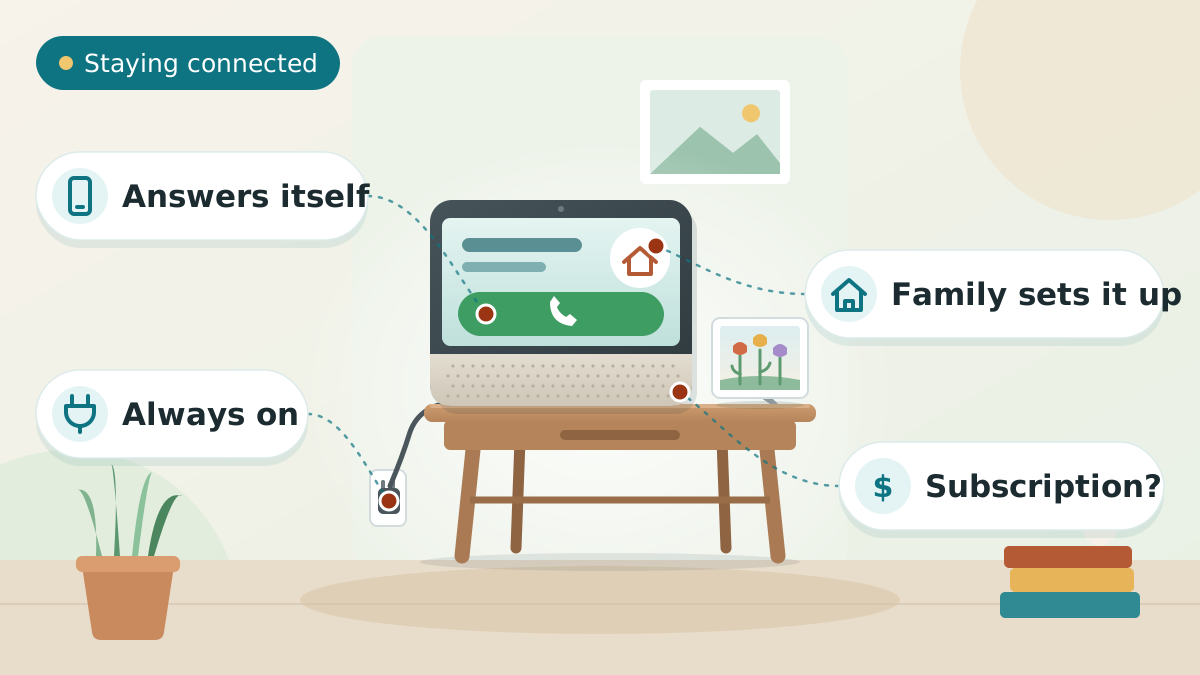
- Family and friends — regular visits, calls, and video calls; large-button phones and tablets make staying in touch easier.
- Groups and clubs — around hobbies, interests, books, games, or gentle exercise; senior centers and community groups are great hubs.
- Community and faith — places of worship, community events, and local gatherings offer built-in connection and belonging.
- Volunteering and purpose — contributing skills or time brings connection and a strong sense of purpose.
- Intergenerational contact — time with younger family or in community programs is mutually enriching.
- Everyday friendliness — chats with neighbors, shopkeepers, or on a walk all add up to feeling connected.
- Companion support — where isolation is significant, befriending services, day programs, or companion visits can help.
Overcoming barriers to connection
Several common obstacles can be gently worked around with a bit of support:
- Mobility and transport — arrange lifts, community transport, or bring connection to the person; mobility aids and fall-safe confidence help them get out.
- Hearing or vision — address hearing and vision issues, which quietly cause withdrawal; the right support reopens conversation.
- Technology gaps — simple video-calling devices and patient help to use them bridge distance to family.
- Confidence and low mood — grief, anxiety, or low mood can shrink someone’s world; gentle encouragement, going along at first, and small steps rebuild confidence.
- Loss of a spouse or friends — bereavement is a major cause of isolation; extra support and new connections matter greatly here.
Watch out
Persistent loneliness, withdrawal, or low mood is not an inevitable part of aging and can seriously harm health. If a senior is increasingly isolated or seems low, take it seriously — gentle support to reconnect helps, and a doctor can assess for depression, which is treatable.
How caregivers can support connection
Caregivers play a vital role in nurturing a senior’s social life:
- Facilitate contact — help arrange visits, calls, transport, and outings, and set up easy technology.
- Weave it into the routine — build regular social touchpoints into the week; see caregiver daily routine support.
- Follow their lead — support the kind of connection *they* value, not what you’d choose.
- Avoid common mistakes — don’t overwhelm with too much, don’t force unwanted socializing, and don’t mistake being around people for genuine connection.
- Connect to the whole picture — social, mental, and physical activity reinforce each other in a full, healthy life.
- Watch your own wellbeing — supporting connection is easier when you’re supported too.
Frequently asked questions
How can seniors stay socially connected?
Through a mix of regular, meaningful contact suited to the person: time with family and friends (in person, by phone, or video call), groups and clubs around shared interests, community, faith, or volunteering activities, and friendly everyday interactions. Connection doesn’t need big events — small, consistent contact matters most. Match it to the person’s personality and gently work around barriers like mobility or hearing.
Why is social connection important for the elderly?
Social connection supports mental health and mood, is protective for cognitive health and memory, gives life meaning and purpose, and is linked to better physical health and longevity. Loneliness and isolation, by contrast, are associated with depression, faster cognitive decline, and poorer physical health. Because connection often becomes harder in later life, nurturing it is a genuine health priority.
What social activities are good for seniors?
Regular contact with family and friends (including video calls), groups and clubs around hobbies or interests, senior centers, community and faith gatherings, volunteering for purpose and connection, intergenerational time, and everyday friendly interactions with neighbors. The best activities are built around the person’s genuine interests and personality, whether they prefer groups or quieter one-to-one time.
How do you help an isolated or lonely senior?
Gently and without pressure: work around barriers (arrange transport, address hearing or vision issues, set up simple video-calling technology), build regular social touchpoints into the routine, follow the kind of connection they value, and support small steps to rebuild confidence, going along with them at first. Persistent loneliness or low mood should be taken seriously and discussed with a doctor, as depression is treatable.
How do social needs differ between seniors?
Greatly — some people are energized by groups and events, while others prefer quieter one-to-one time, and neither is better. Social activity should also fit the person’s energy and health, be built around their genuine interests, and respect their comfort level. Matching the approach to the individual’s personality, rather than a one-size-fits-all idea of "socializing," is what makes connection sustaining.
Can technology help seniors stay connected?
Yes — simple video-calling devices, tablets, and large-button phones can bridge distance to family and friends, which is especially valuable when mobility or geography limits in-person contact. The key is choosing easy-to-use devices and offering patient help to get comfortable with them. Technology works best alongside, not instead of, in-person connection where that’s possible.
Sources
- National Institute on Aging (NIH). Loneliness and Social Isolation — Tips for Staying Connected
- National Institute on Aging (NIH). Cognitive Health and Older Adults
