
Printable Bed-to-Chair Exercises for Seniors (PDF Chart)

Educational guidance, not medical advice. Rebuild gradually with support; follow any physiotherapy guidance, especially after illness or surgery, and get help for transfers if unsteady.
After illness or a spell of inactivity, even getting from bed to a chair can feel like a mountain. ⬇ Download the free printable bed-to-chair PDF — a full staged chart to print and follow at home.
Key takeaways
- A free printable PDF chart gives you all 3 stages — in-bed, transfer, and seated — to print and follow at home — download it here.
- The strength to move from bed to chair is fundamental to daily independence — and it can be rebuilt after illness or inactivity.
- Work in stages: gentle in-bed exercises, then a safe transfer, then seated chair exercises.
- This is especially valuable for rebuilding after a hospital stay or a period of weakness.
- Safety is essential — support nearby, safe transfer technique, and help if unsteady.
- Progress takes time and patience; little and often rebuilds strength and confidence together.
Quick answer
What are bed-to-chair exercises for seniors?
A gentle, staged routine to rebuild the strength and confidence to move between bed and chair after illness or inactivity. It works in phases: in-bed exercises (ankle pumps, heel slides, gentle knee lifts and bridges, sitting up), a safe transfer from bed to chair, and seated chair exercises (marches, knee extensions, sit-to-stand practice with support). Do it little and often, with support nearby and safe transfer technique. Follow any physiotherapy guidance, get help if unsteady, and stop for pain, dizziness, or chest symptoms.
Why transition strength matters
The ability to get from lying to sitting, and from bed to a chair, underpins daily independence — using the bathroom, eating at a table, joining family, and simply not being confined to bed. After an illness, hospital stay, or period of inactivity, this strength can fade quickly through deconditioning, making even that short journey feel daunting or unsafe.
The good news is that it can be rebuilt with gentle, staged exercise. This routine works from the bed outward — in-bed movements first, then the transfer, then seated exercises — steadily restoring the strength and confidence to move safely. It’s an ideal companion to post-hospital recovery and safe transfer techniques.
An ElderlyDaily original
Want every movement drawn out, a full page each?
Chair Tai Chi — Illustrated Edition
One-off purchase · Instant download · PDF · 24 pages · US Letter + A4

Sponsored Pick
4-Piece Adjustable Wedge Pillow Set
Anyone who wants the most positioning options, including leg and full-body support
Check PriceGet the free printable bed-to-chair PDF
The easiest way to work through this staged routine safely is to have it printed and in front of you. Our free printable bed-to-chair PDF lays out all 3 stages — in-bed exercises, the transfer itself, and seated exercises — as one chart you can print and follow at home.
Print it and keep it where you and any caregiver can see it during a session. Download the printable PDF here.
Before you start: safety checklist

Because this involves transfers, safety is especially important:
- Have support nearby — a caregiver to assist, especially for the transfer and early sessions.
- Set up safely — a sturdy chair positioned close, the bed at a good height, clear floor, and supportive footwear or grip socks.
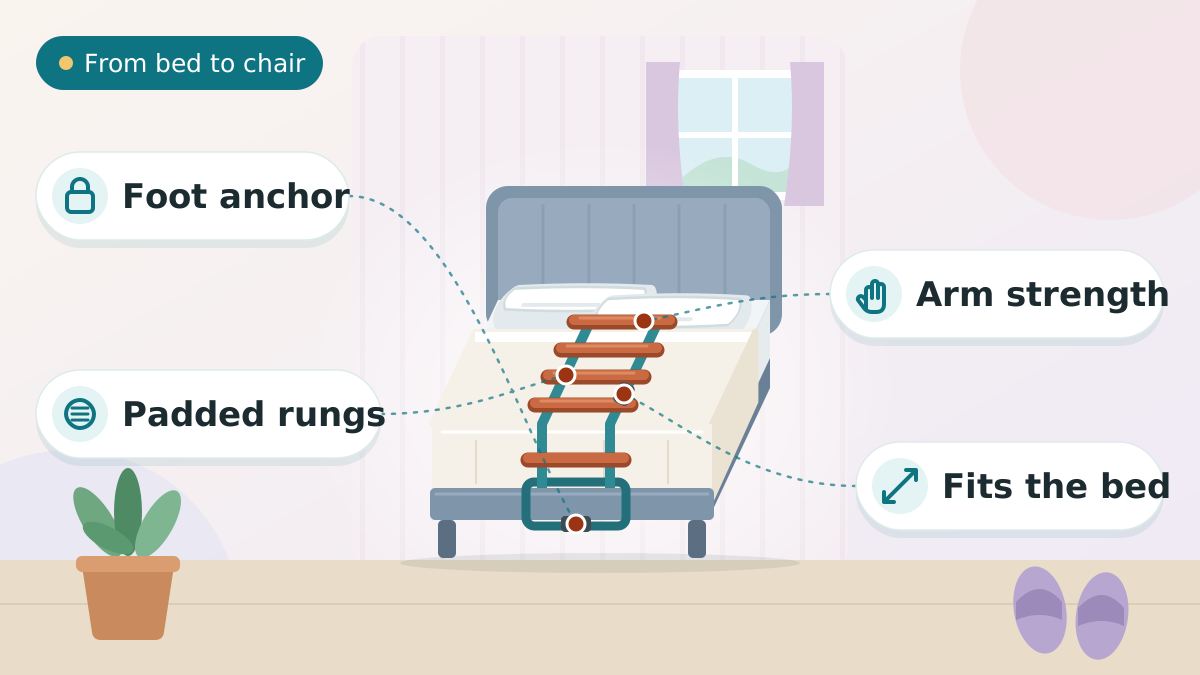
- Use aids — a bed assist handle or transfer pole gives something sturdy to hold; see mobility aids.
- Follow professional guidance — after illness or surgery, follow any physiotherapy plan and precautions.
- Go gently and rest — small movements, plenty of rest, and never rush a transfer.
- Have a way to call for help — a medical alert device for those exercising alone.
Safety first
Transfers are the riskiest moment here. Never rush them, use a sturdy handhold, keep support nearby, and follow safe transfer technique. If the person is very weak or unsteady, do the transfer with a caregiver’s help — or focus on the in-bed and seated exercises until strength improves.
Phase 1: gentle in-bed exercises

Start in bed to wake up the muscles and build a base of strength — do only what’s comfortable, resting between:
- 1
Ankle pumps and circles
Lying comfortably, point and flex the feet, then circle the ankles both ways. This boosts circulation and gently activates the lower legs.
- 2
Heel slides
Slide one heel up toward the body, bending the knee, then straighten. Alternate legs to gently work the legs and hips.
- 3
Gentle knee lifts
With knees bent, gently lift one knee toward the chest a little, then lower. Keep it small and comfortable.
- 4
Gentle bridges (if able)
With knees bent and feet flat, gently lift the hips a small way off the bed, then lower. Only if comfortable and cleared to do so.
- 5
Rolling and sitting up
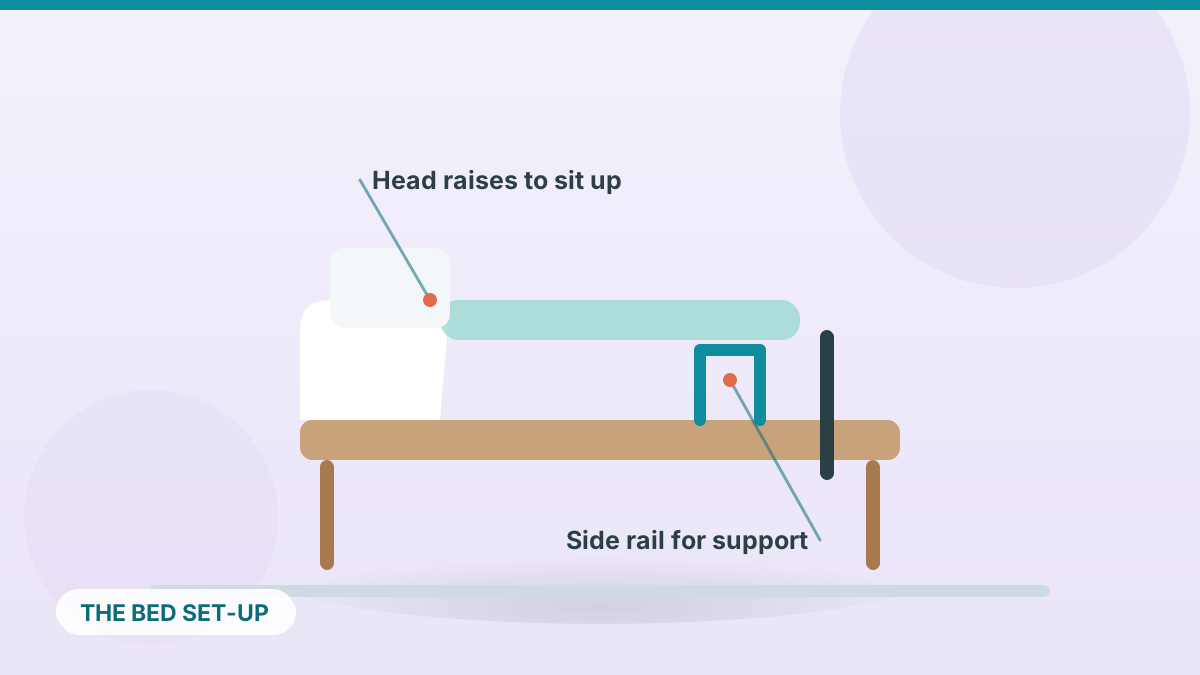
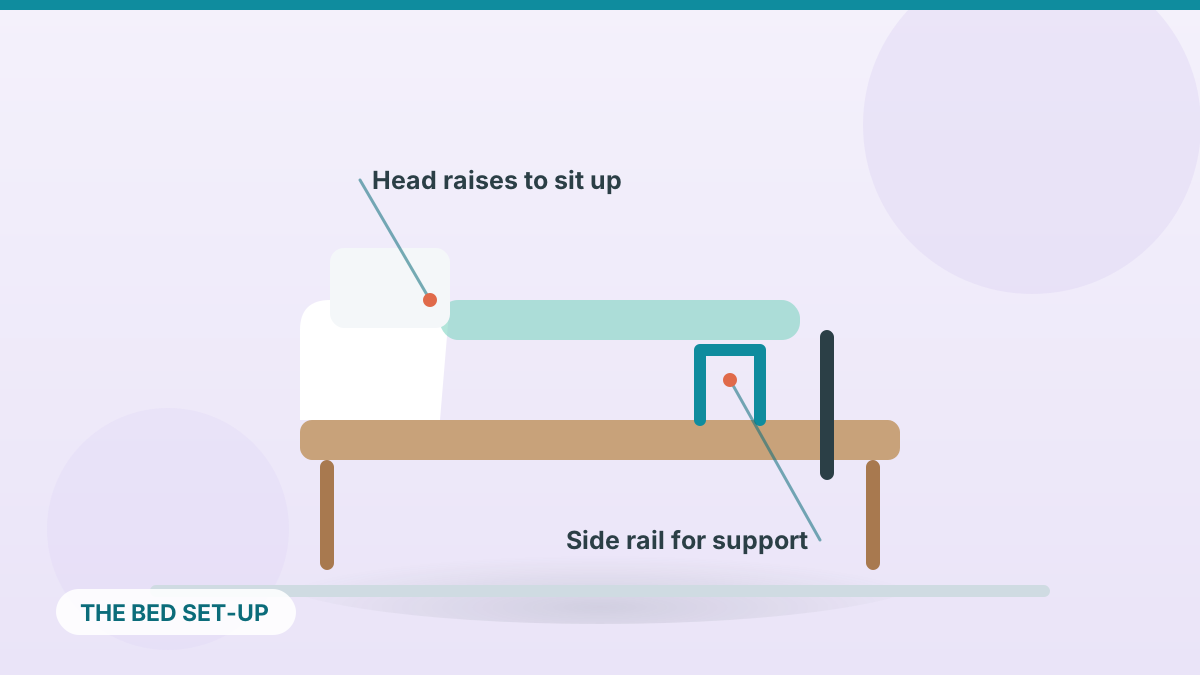
Practice rolling to one side and pushing up to sitting on the edge of the bed using the arms — a key functional movement. Take it slowly and rest once sitting.
Moving from bed to chair safely

Once sitting steadily on the edge of the bed, transfer to a nearby sturdy chair using safe technique:
- Sit and steady first — sit on the edge of the bed for a minute (guarding against dizziness on the position change) with feet flat.
- Position the chair close — a sturdy chair within easy reach, and a handhold (bed assist handle or transfer pole) if helpful.
- Stand with support — lean forward "nose over toes," push up through the legs and arms, and pause to steady once standing.
- Turn and sit slowly — take small steps to turn, feel the chair with the backs of the legs, then lower down with control.
- Get help if needed — an unsteady transfer should be assisted; see safe transfer techniques and how to help an elderly person stand up.
Phase 2: seated chair exercises

Once safely in the chair, build strength with seated movements:
- 1
Seated marches
Lift each knee gently in turn, marching in place, to activate the hips and legs and build endurance.
- 2
Knee extensions
Straighten one knee to lift the lower leg, hold briefly, and lower. Alternate legs to strengthen the thighs — important for standing.
- 3
Seated heel and toe raises
Raise the heels then the toes, working the lower legs and ankles for steadier standing and walking.
- 4
Sit-to-stand practice
With a sturdy chair and support, practice standing up and sitting down slowly and with control — one of the best exercises for rebuilding functional leg strength. Do only a few, with help nearby.
- 5
Seated arm and posture work
Add gentle arm raises and sitting tall to build upper-body strength and posture that support transfers.
How often, caregiver tips, and progress
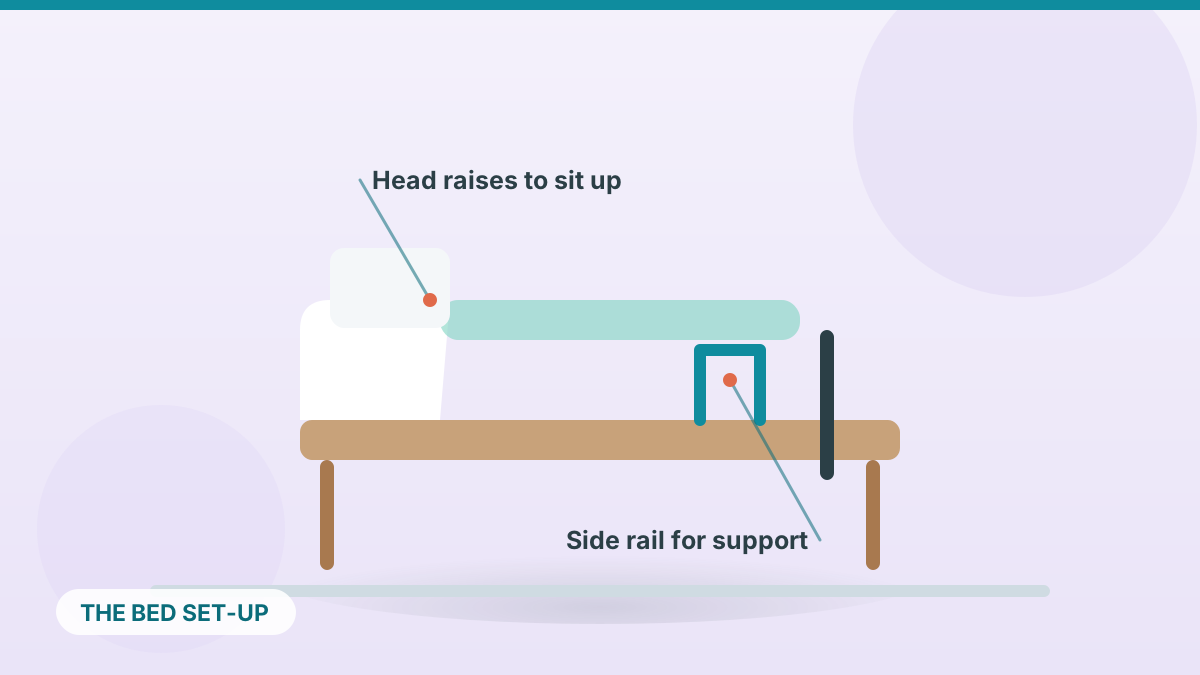
Rebuilding strength is gradual — consistency and patience win:
- Little and often — short sessions a few times a day are better than one long, tiring effort.
- Build gradually — add repetitions and progress through the phases as strength allows; don’t rush.
- Caregiver role — assist transfers, provide encouragement and light supervision, and keep the setup safe.
- Pair with recovery care — good nutrition, rest, and following the post-hospital care setup.
- Pause and seek advice — for pain, a marked setback, or if progress stalls; a physiotherapist can tailor the program.
- Be patient — regaining strength takes longer than losing it, but steady improvement is the goal; see why seniors become weak after a hospital stay.
More free printables
See all 29 free printables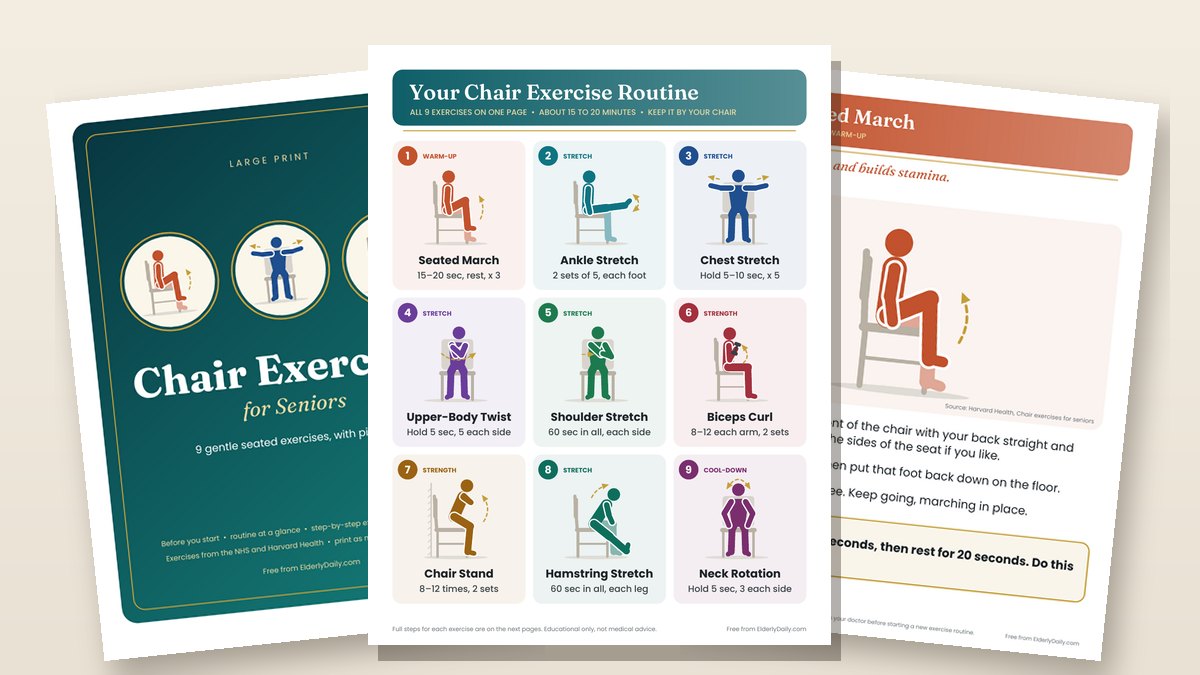 Chair Exercises with Pictures9 gentle seated exercises from NHS and Harvard Health guidance, a one-page routine chart and a weekly tick chart.Free PDF, no sign-up
- Chair Yoga Starter12 illustrated seated poses, a one-page wall chart and a 7-day tracker. Free; we email you the PDF.Free, emailed to you
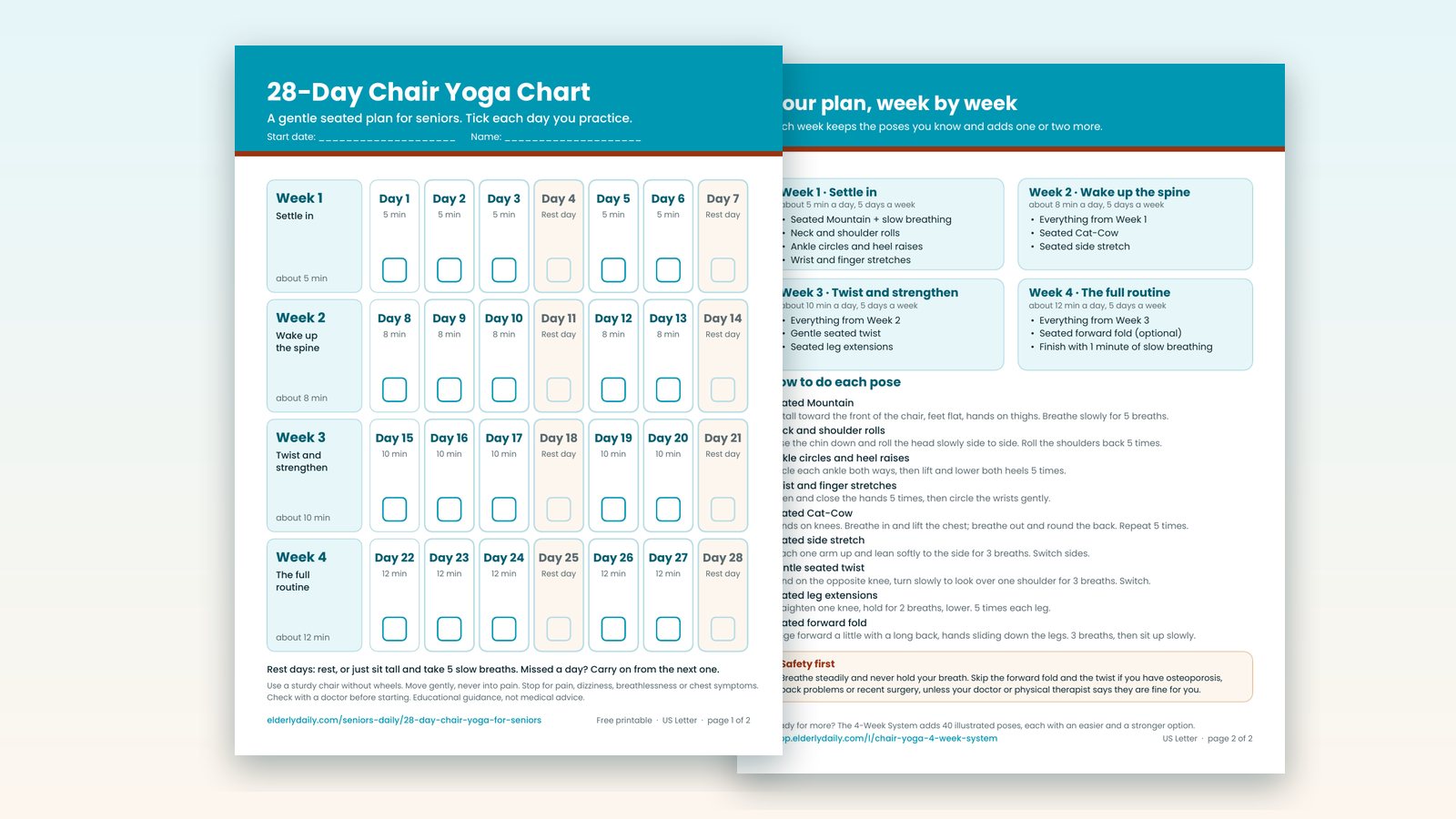 28-Day Chair Yoga ChartA gentle four-week seated plan that starts at about 5 minutes a day, with a tick box for every day and each pose explained.Free PDF, no sign-up
- Chair Tai Chi Chart8 seated tai chi movements with breathing cues and a 4-week plan. Free; we email you the PDF, and the full routine is on the page too.Free, emailed to you
 Large Print SudokuFour easy puzzles with answers, plus a plain-English way to solve them and how to pick the right level.Free, emailed to you
 Large Print Puzzle MakerMake your own word search or Sudoku: pick a theme or type your own words, choose the size, and print it with an answer page.Free PDF, no sign-up
Frequently asked questions
Is the printable bed-to-chair PDF free to download?
Yes — the printable bed-to-chair PDF is completely free, with no sign-up needed. It lays out all 3 stages of the routine — in-bed exercises, the safe transfer, and seated exercises — as one chart you can print at home and follow at your own pace, or share with a caregiver.
What are bed-to-chair exercises for seniors?
They are a gentle, staged routine to rebuild the strength and confidence to move between bed and chair after illness or inactivity, working in phases: in-bed exercises (ankle pumps, heel slides, gentle knee lifts and bridges, sitting up), a safe transfer from bed to chair, and seated chair exercises (marches, knee extensions, sit-to-stand practice). Do them little and often with support nearby.
How can seniors rebuild strength after being bedridden?
Through gentle, gradual exercise starting from the bed outward — in-bed movements to wake the muscles, then safe transfers, then seated strengthening like knee extensions and supported sit-to-stands — done little and often. Good nutrition, rest, and following any physiotherapy guidance support recovery. Progress is gradual, so patience matters; a physical therapist can tailor a safe program.
How do you safely transfer a senior from bed to chair?
Have them sit on the edge of the bed first and steady (guarding against dizziness), position a sturdy chair close with a handhold available, then stand with support by leaning "nose over toes" and pushing up through the legs and arms, pausing to steady once up. Take small steps to turn, feel the chair with the legs, and lower down slowly. Assist if the person is unsteady.
How often should bed-to-chair exercises be done?
Little and often works best — short sessions a few times a day are more effective and less tiring than one long effort. Build gradually, adding repetitions and progressing through the phases as strength allows, without rushing. Consistency is what rebuilds strength and confidence over the following weeks, so aim for gentle daily practice.
Are bed-to-chair exercises safe to do alone?
The in-bed and seated exercises can often be done independently once someone is stable, but the transfer itself is the riskiest part and should be assisted if the person is weak or unsteady. Always have support nearby early on, use a sturdy handhold, keep a way to call for help within reach, and follow any physiotherapy guidance. When in doubt, do transfers with help.
How long does it take to rebuild strength after illness?
It varies by person and how much strength was lost, but rebuilding generally takes longer than the strength took to fade — often weeks to months of consistent gentle effort. The key is steady, gradual progress with patience, good nutrition, and rest. If progress stalls or there’s a marked setback, a physiotherapist can reassess and adjust the program.
Sources
- JAMA (Kortebein et al., 2007). Effect of 10 Days of Bed Rest on Skeletal Muscle in Healthy Older Adults
- National Institute on Aging (NIH). Four Types of Exercise Can Improve Your Health and Physical Ability
- Cochrane. Exercise for preventing falls in older people living in the community (2019)
