
Printable Seated Stretches for Elderly Beginners (PDF Chart)

Educational guidance, not medical advice. Stretch gently within a comfortable range and stop for pain; check with a doctor if you have health conditions.
Gentle stretching is one of the easiest ways to stay flexible and comfortable in later life — and you can do all of it from a chair. ⬇ Download the free printable seated stretches PDF — an illustrated chart to print and follow at home.
Key takeaways
- A free printable PDF chart gives you all 8 stretches to print and follow at home — download it here.
- Gentle stretching keeps seniors flexible and comfortable, easing stiffness and supporting everyday movements like reaching and dressing.
- Seated stretches are beginner-friendly and lower-risk — no balance or standing required, done from a sturdy chair.
- The rule is gentle and slow — ease into a light stretch, never bounce or force, and hold comfortably.
- Work top to bottom — neck, shoulders, arms, torso, and legs — a little each day.
- Stop for pain, dizziness, or discomfort, and build flexibility gradually over weeks.
Quick answer
What are easy seated stretches for elderly beginners?
A gentle top-to-bottom set done from a sturdy chair: neck turns and tilts, shoulder rolls, arm and chest openers, gentle seated twists and side stretches, and lower-body stretches like ankle circles, seated hamstring stretches, and calf stretches. Ease into each stretch slowly, hold it at a comfortable point (no bouncing or forcing), and breathe steadily. Do a little each day, stop for any pain or dizziness, and build flexibility gradually. Check with a doctor first if you have health conditions.
Why stretching matters for seniors
Flexibility naturally decreases with age, and stiff joints and tight muscles make everyday movements — reaching a shelf, turning to look, getting dressed, bending to put on shoes — harder and less comfortable. Gentle regular stretching counters this: it maintains and improves range of motion, eases stiffness, supports better posture and circulation, and helps the body move more freely and comfortably through daily life.
Seated stretching is a perfect starting point because it’s gentle, requires no balance or standing, and can be done by almost anyone from a chair. It pairs naturally with chair yoga and broader daily movement.
Get the free Chair Yoga Starter
We’ll email you the free Chair Yoga Starter: 12 illustrated seated poses, a one-page wall chart and a 7-day tracker. Plus occasional gentle-movement tips. Unsubscribe anytime.

Large-print edition included
An ElderlyDaily original
Want every movement drawn out, a full page each?
Chair Tai Chi — Illustrated Edition
- All eight movements, a full page each, drawn frame by frame
- A three-minute warm-up, plus five common mistakes and how to fix them
- A four-week plan with a practice tracker
One-off purchase. Instant download.
PDF · 24 pages · US Letter + A4
Get the free printable seated stretches PDF
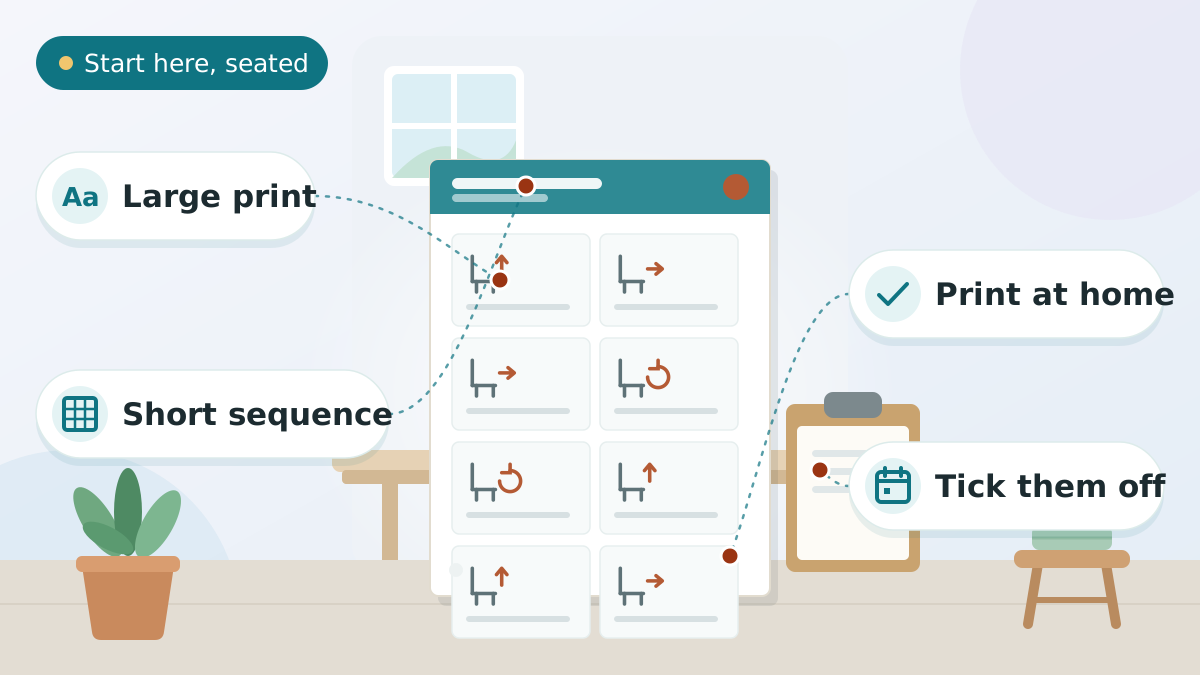
The easiest way to build a stretching habit is to have the routine printed and in front of you. Our free printable seated stretches PDF lays out all 8 stretches as an illustrated chart you can print and follow at home — no screen needed.
Print it and keep it somewhere you’ll see it every day — the fridge, by the favorite chair, or alongside the printable chair yoga chart. Download the printable PDF here.
Before you begin: a safety checklist
A few basics keep stretching safe and comfortable:
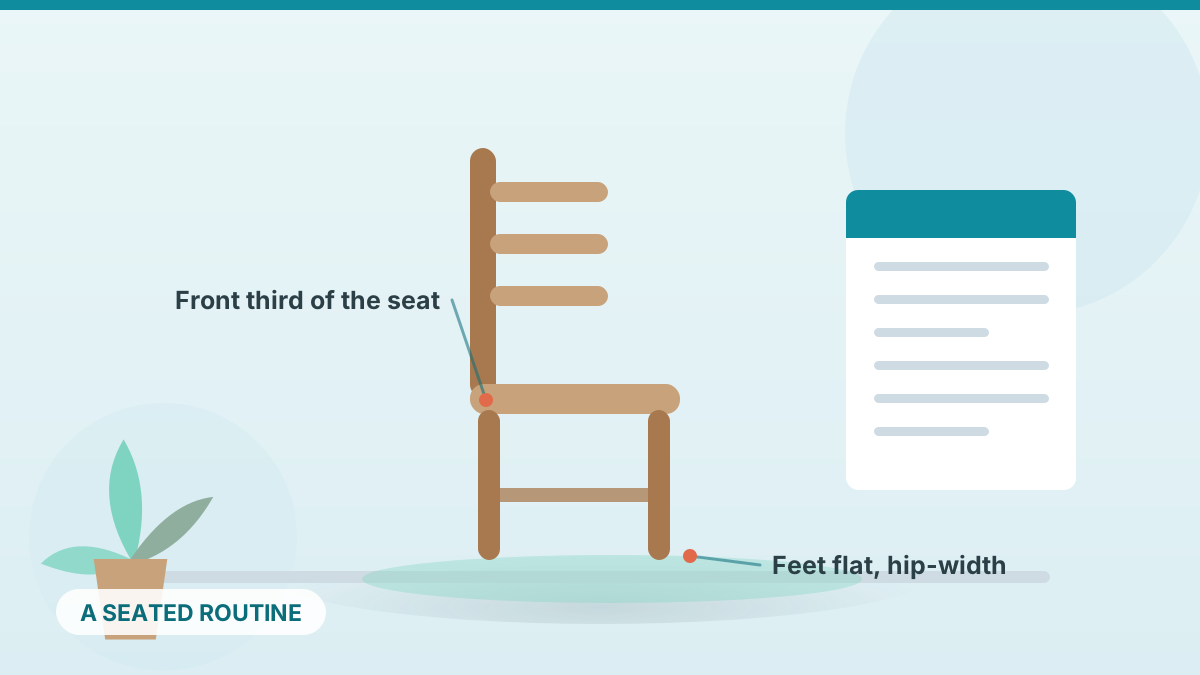
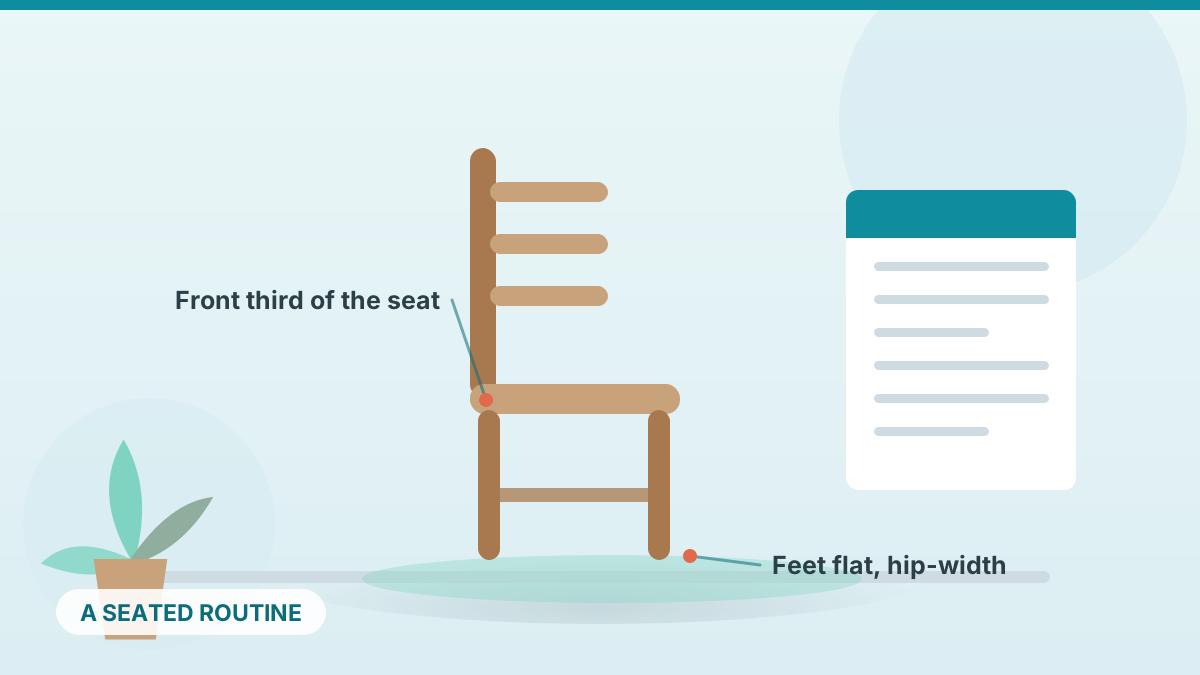
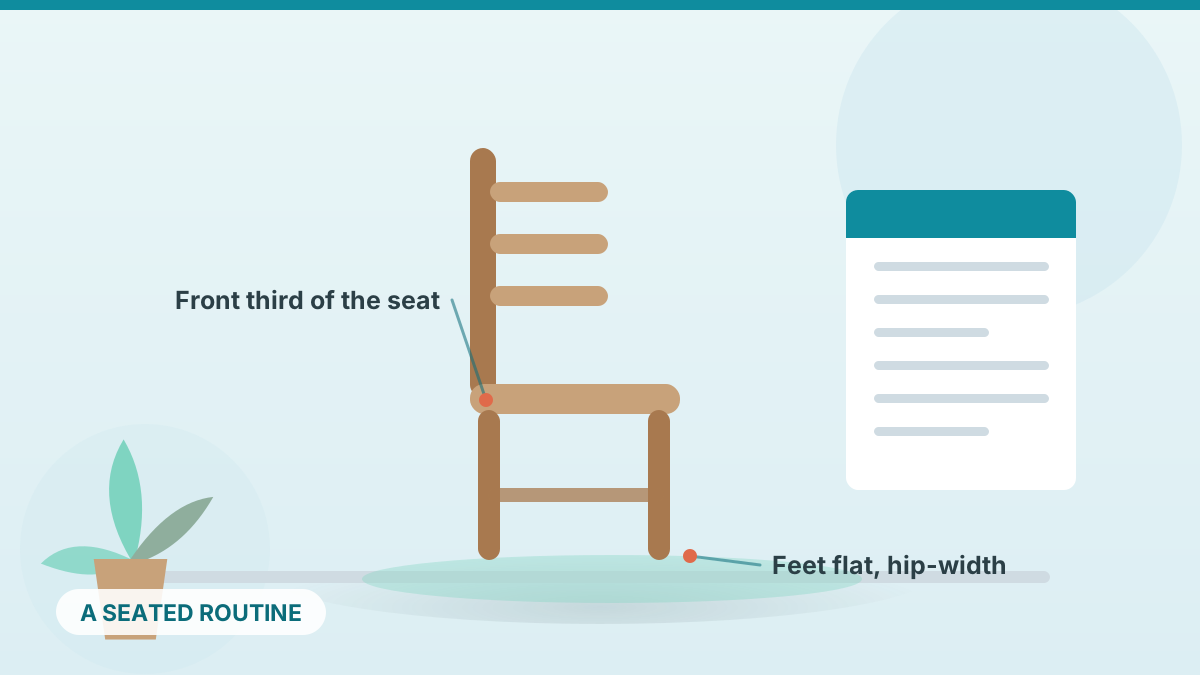
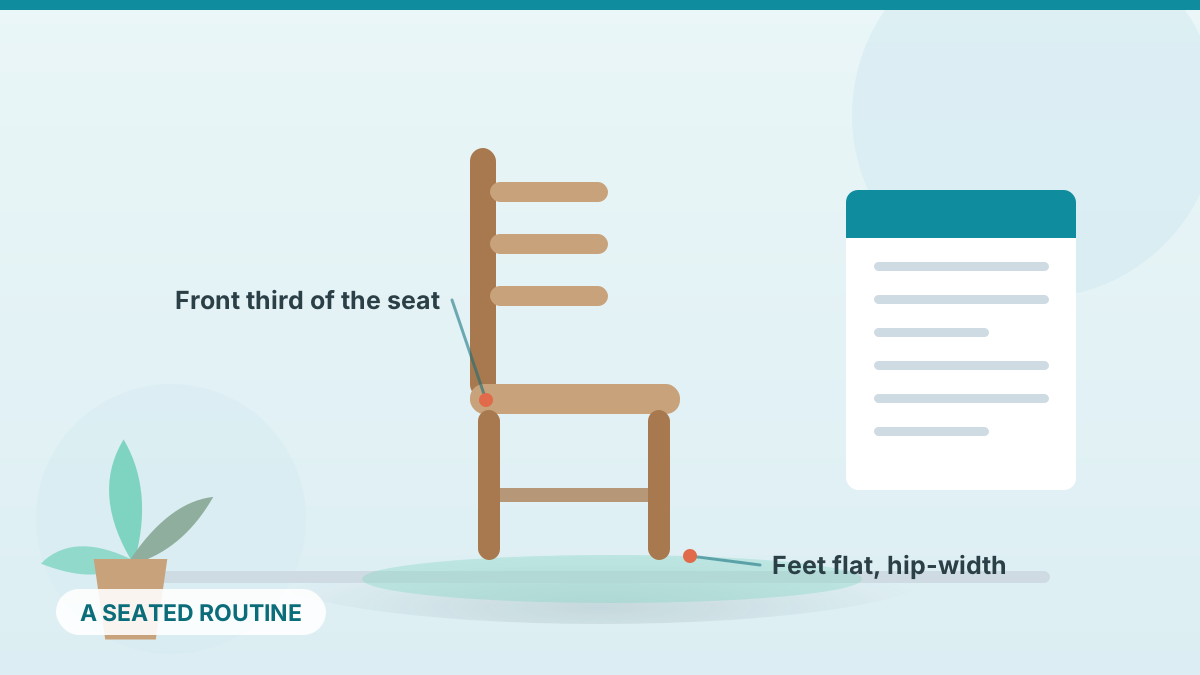
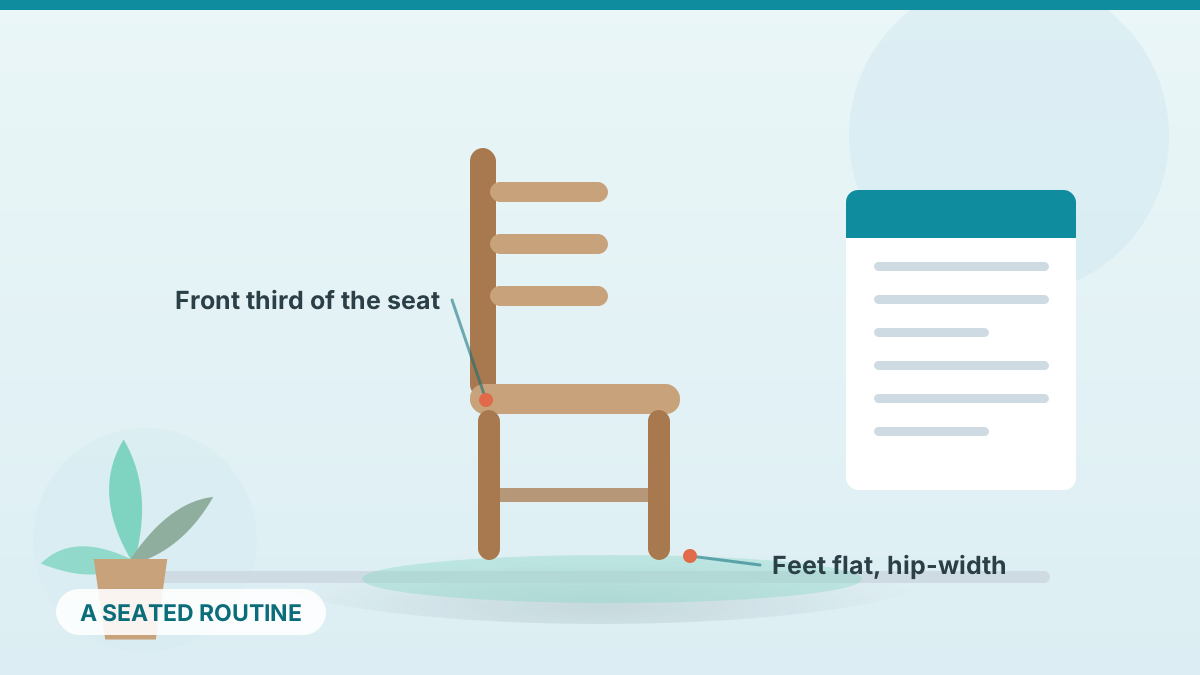
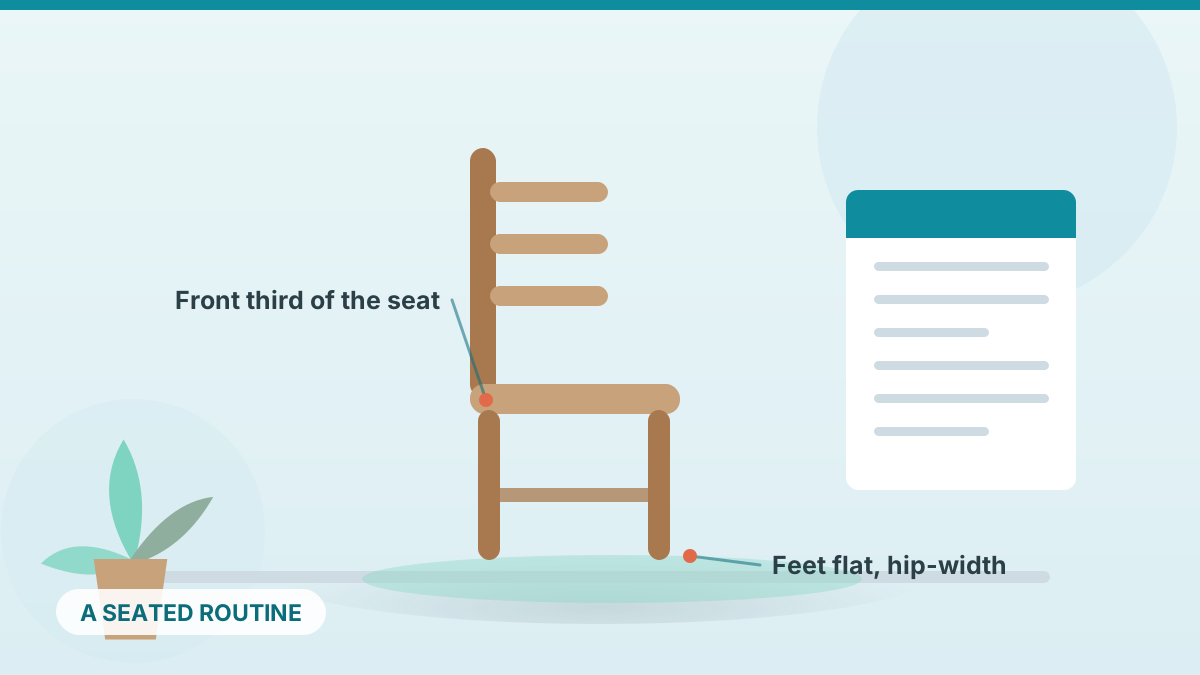
- Use a sturdy chair — a stable, non-rolling chair, feet flat, sitting tall with support.
- Warm up gently — a minute of easy movement (shoulder rolls, gentle marches) before stretching.
- Ease in slowly — move into each stretch gradually until you feel a light, comfortable stretch, then hold; never bounce or force.
- Breathe steadily — don’t hold your breath; relax into each stretch on an exhale.
- Stay within comfort — a gentle stretch sensation is good; sharp pain is not.
- Check with your doctor if you have health conditions, recent surgery, or joint problems.
Watch out
Stretching should feel like a gentle release, never a strain. Stop immediately for sharp or shooting pain, dizziness, numbness, or any chest symptoms or breathlessness. Ease into stretches slowly and never bounce or push into pain.
Easy seated stretches for beginners
A gentle top-to-bottom routine — hold each stretch comfortably, breathe, and skip anything that isn’t easy:
- 1
Neck turns and tilts
Sitting tall, slowly turn the head to look over one shoulder, then the other. Then gently tilt one ear toward the shoulder, and the other, feeling a light stretch along the neck.
- 2
Shoulder rolls and openers
Roll the shoulders backward several times, then gently draw the shoulder blades together to open the chest, releasing upper-back tension.
- 3
Arm and triceps stretch
Reach one arm across the body and gently support it with the other for a shoulder stretch; then reach one arm up and bend the elbow behind the head gently for the back of the arm.
- 4
Seated side stretch
Rest one hand on the chair and reach the other arm up and gently over to the side, feeling a stretch along the ribs. Switch sides.
- 5
Gentle seated twist
With feet planted, place a hand on the opposite knee and turn gently through the torso to look behind you, keeping it slow and easy. Switch sides.
- 6
Seated hamstring stretch
Extend one leg with the heel on the floor and toes up, sit tall, and hinge forward gently from the hips until you feel a light stretch behind the thigh. Ease back and switch.
- 7
Ankle circles and calf stretch
Circle each ankle both ways, then, with one leg extended and heel down, gently draw the toes back toward you for a calf stretch.
- 8
Finish with a full-body reach
Reach both arms up gently for a whole-body stretch, then relax down and take a few calming breaths.
How often should beginners stretch?
Gentle and regular is the goal:
- A little every day — even 5–10 minutes of daily stretching maintains and improves flexibility.
- Consistency over intensity — regular gentle stretching works far better than occasional hard efforts.
- Anytime you’re stiff — stretching is especially welcome after periods of sitting or first thing after waking.
- Build gradually — as flexibility improves over the weeks, stretches will reach a little further comfortably; let that happen naturally.
Caregiver tips and signs to stop
A little support helps beginners stick with it safely:
- Encourage gently — help set up a safe space, keep it relaxed and enjoyable, and celebrate consistency.
- Do it together — company and gentle supervision help, especially at first.
- Pair with home safety — supportive footwear and fall prevention, particularly after a hospital stay.
- Stop immediately for sharp pain, dizziness, numbness, or any chest symptoms.
- Want it written down? A printable routine makes stretching easy to follow daily.
More free printables
See all 24 free printables- Bed-to-Chair ExercisesThree stages, in bed, the transfer and seated, for rebuilding strength after illness or time in bed.Free PDF, no sign-up
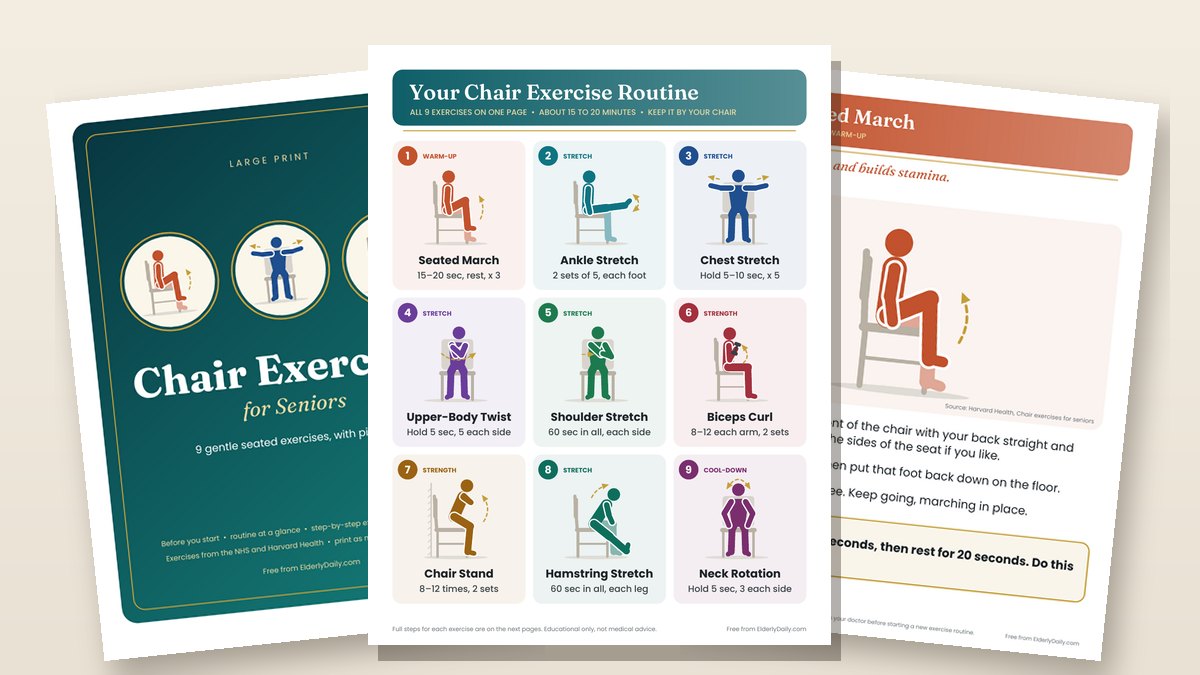 Chair Exercises with Pictures9 gentle seated exercises from NHS and Harvard Health guidance, a one-page routine chart and a weekly tick chart.Free PDF, no sign-up
- Chair Yoga Starter12 illustrated seated poses, a one-page wall chart and a 7-day tracker. Free; we email you the PDF.Free, emailed to you
- Chair Tai Chi Chart8 seated tai chi movements with breathing cues and a 4-week plan. Free; we email you the PDF, and the full routine is on the page too.Free, emailed to you
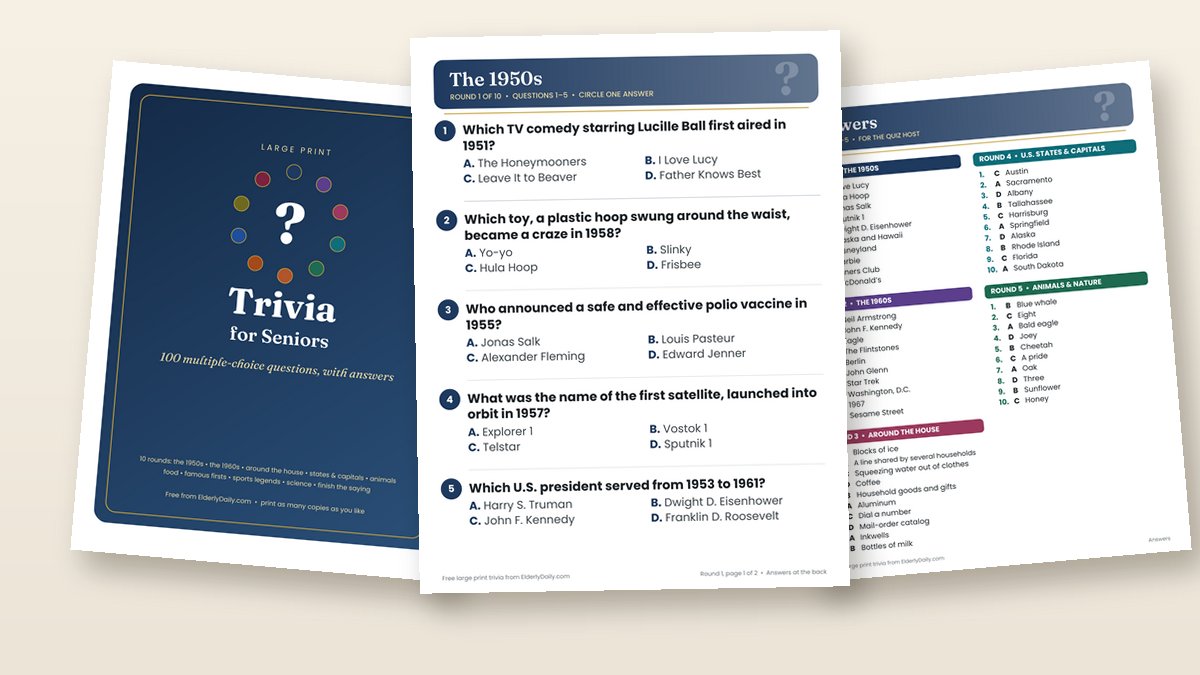 Trivia Questions for Seniors100 questions with answers: the 1950s, the 1960s, state capitals, nature, food and more. Print it, or play each round online.Free PDF, no sign-up
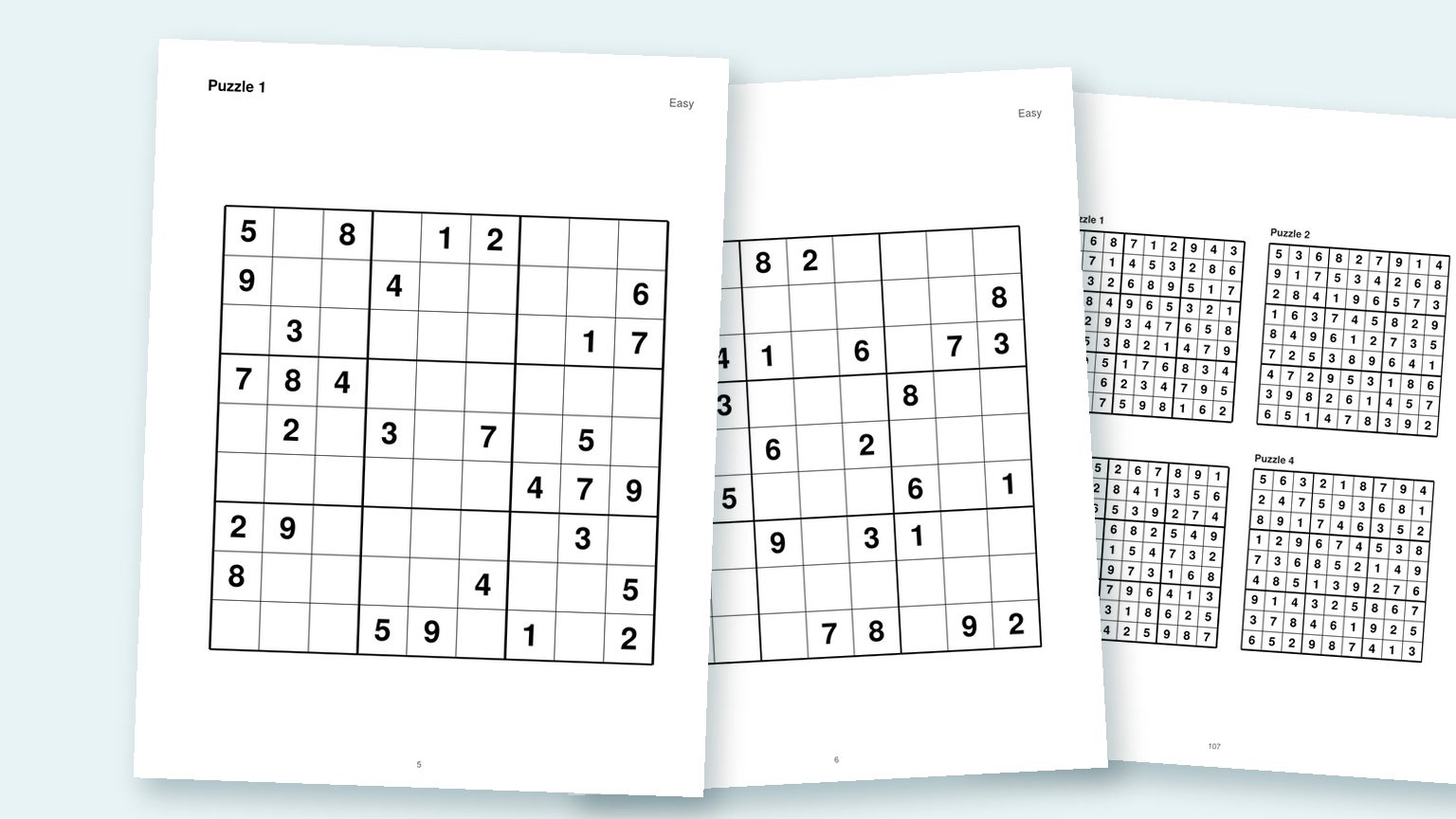 Large Print SudokuFour easy puzzles with answers, plus a plain-English way to solve them and how to pick the right level.Free, emailed to you
Frequently asked questions
Is the printable seated stretches PDF free to download?
Yes — the printable seated stretches PDF is completely free, with no sign-up needed. It's an illustrated chart covering all 8 stretches that you can print at home and follow at your own pace. Print a copy, keep it somewhere visible like the fridge or beside your chair, and share it with family or a caregiver if you like.
What are good seated stretches for elderly beginners?
A gentle top-to-bottom set from a sturdy chair: neck turns and tilts, shoulder rolls and chest openers, arm and shoulder stretches, seated side stretches and gentle twists, and lower-body stretches like ankle circles, a seated hamstring stretch, and a calf stretch. Ease into each slowly, hold at a comfortable point without bouncing, breathe steadily, and stop for any pain or dizziness.
Are seated stretches safe for seniors?
Seated stretches are a gentle, lower-risk option for most people because they require no balance or standing and are done from a sturdy chair. Safety basics still matter: warm up gently, ease into each stretch slowly until you feel a light comfortable stretch (never bounce or force), breathe steadily, and stop for sharp pain, dizziness, or numbness. Check with a doctor if you have health conditions.
How often should seniors stretch?
A little every day is ideal — even 5 to 10 minutes of daily gentle stretching maintains and improves flexibility, and consistency matters far more than intensity. Stretching is especially welcome after periods of sitting or first thing after waking, when the body is stiff. Build gradually, letting stretches reach a little further as flexibility improves over the weeks.
How long should you hold a stretch?
Ease into each stretch slowly until you feel a light, comfortable stretch, then hold it there steadily while breathing normally — a gentle hold of around 15 to 30 seconds is typical, but comfort is the guide, not a stopwatch. Never bounce or force the stretch deeper, and release gently. If a stretch causes sharp pain, ease off immediately.
Can stretching improve flexibility in the elderly?
Yes — flexibility naturally decreases with age, but gentle regular stretching maintains and improves range of motion at any age, easing stiffness and making everyday movements like reaching, turning, and dressing more comfortable. The improvements build gradually over weeks of consistent practice, so patience and regularity are key. Seated stretching is an accessible, low-risk way to start.
When should a senior stop stretching and seek help?
Stop immediately for sharp or shooting pain, dizziness, numbness or tingling, or any chest symptoms or breathlessness, and seek help for chest pain or severe symptoms. Stretching should feel like a gentle release, never a strain. If a particular stretch consistently causes pain, skip it and check with a doctor or physiotherapist about suitable alternatives.
Sources
- National Institute on Aging (NIH). Four Types of Exercise Can Improve Your Health and Physical Ability
- Cochrane. Exercise for preventing falls in older people living in the community (2019)
