Senior performing simple seated stretch in calm home environment

10 Minute Chair Yoga Routine for Seniors

Last Updated: February 2026Caregiver-Informed Guide

Many caregivers believe exercise requires long, complicated sessions at the gym or expensive equipment. The truth is far more encouraging: just 10 minutes of gentle chair yoga can bring real, measurable benefits to seniors' daily lives. This short routine improves circulation, maintains flexibility, supports balance, and lifts mood without overwhelming anyone's schedule or energy levels.

Whether your loved one is recovering from surgery, managing chronic conditions, or simply wants to stay active safely, this 10-minute flow fits naturally into any day. No special clothing, no getting down on the floor, no pressure to perform. Just gentle, effective movement that respects where they are right now.

Important Safety Disclaimer

Always consult with a healthcare provider before starting any new exercise routine, especially if your loved one has recent injuries, surgeries, or chronic health conditions. Stop immediately if any movement causes pain, dizziness, or shortness of breath. This routine is designed for gentle movement, not to push through discomfort.

Caregiver-Informed • Designed for Realistic Daily Success

Created with input from occupational therapists and real caregivers who understand the challenges of daily routines.

Why Short Routines Work Better Than Long Sessions

Research from the National Institute on Aging consistently shows that consistency beats intensity when it comes to senior fitness. A 10-minute routine done five days a week delivers far better results than an hour-long session attempted once and then abandoned because it felt too demanding. Short sessions are easier to remember, less intimidating to start, and more likely to become a lasting habit.

For seniors managing fatigue, chronic pain, or limited mobility, 10 minutes feels achievable rather than overwhelming. It's short enough to fit before breakfast, after an afternoon rest, or before bed without disrupting the day's rhythm. This accessibility is what makes the difference between an exercise plan that gets used and one that gets forgotten.

The physical benefits are real and measurable. Ten minutes of gentle movement increases blood flow to joints and muscles, reduces morning stiffness, improves range of motion in shoulders and hips, and helps maintain the core strength needed for safe transfers and walking. Mental benefits matter just as much: the focused breathing calms anxiety, the gentle stretches release tension, and the sense of accomplishment boosts confidence and mood.

What 10 Minutes Can Do

  • Reduces morning stiffness in joints and muscles
  • Improves circulation to hands, feet, and extremities
  • Maintains shoulder and hip flexibility for daily tasks
  • Strengthens core muscles that support balance
  • Calms anxiety through focused breathing
  • Boosts mood and sense of accomplishment

The 10 Minute Flow: Minute by Minute

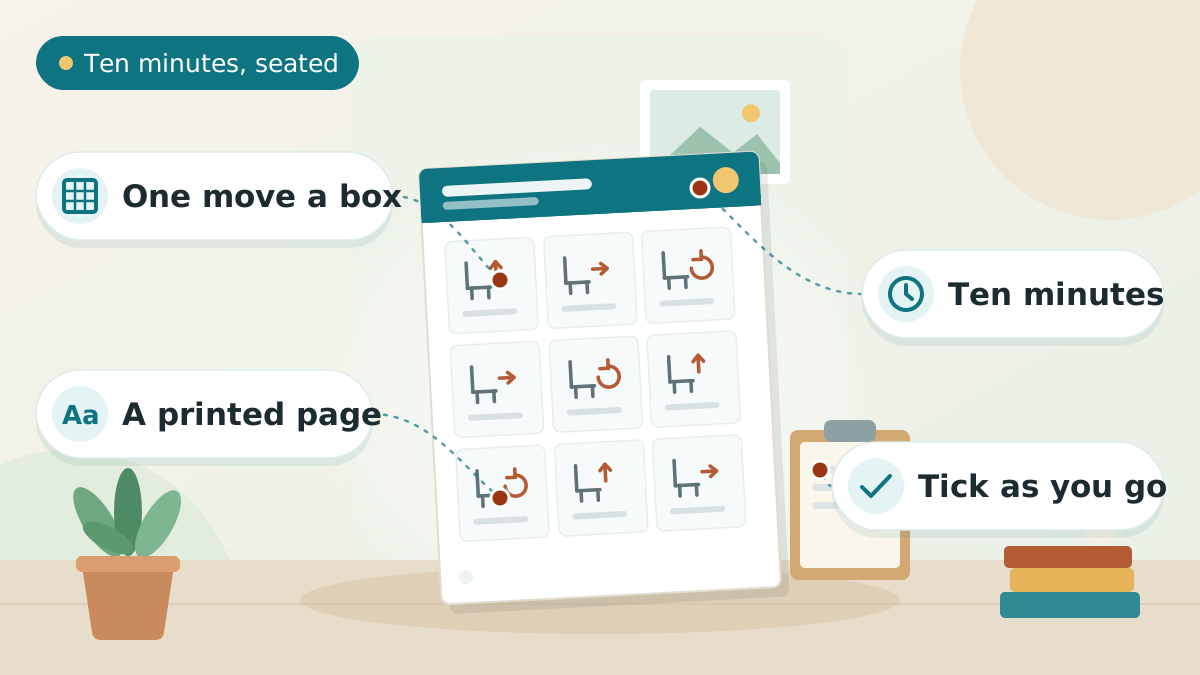
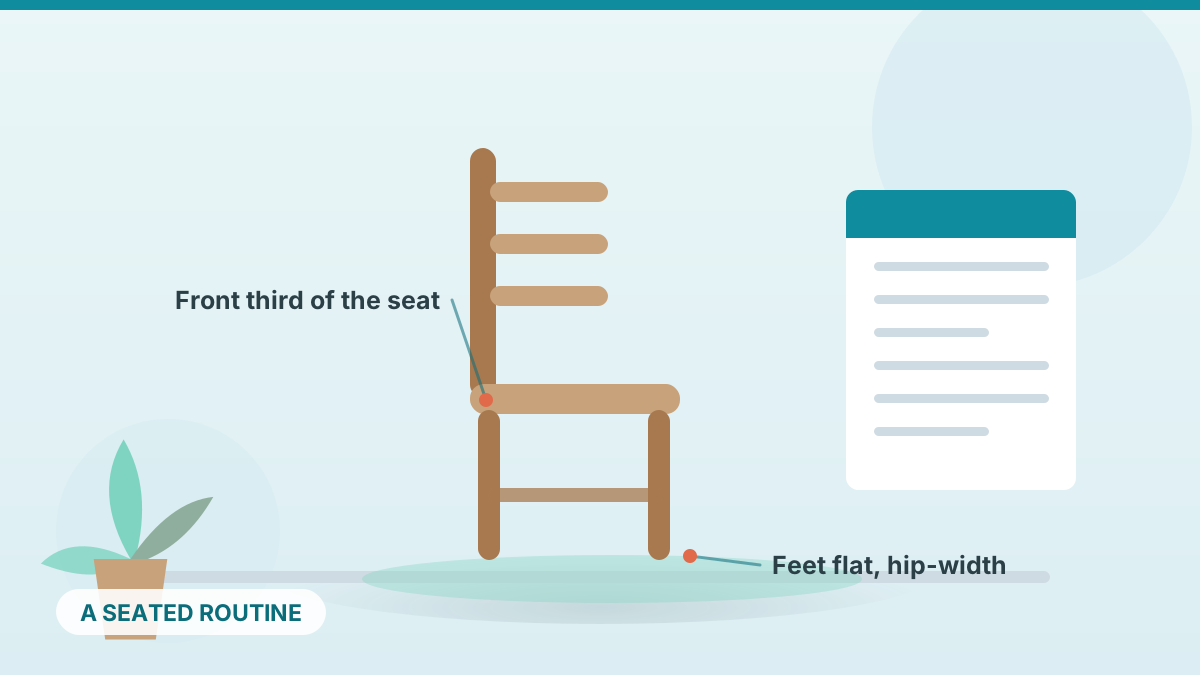
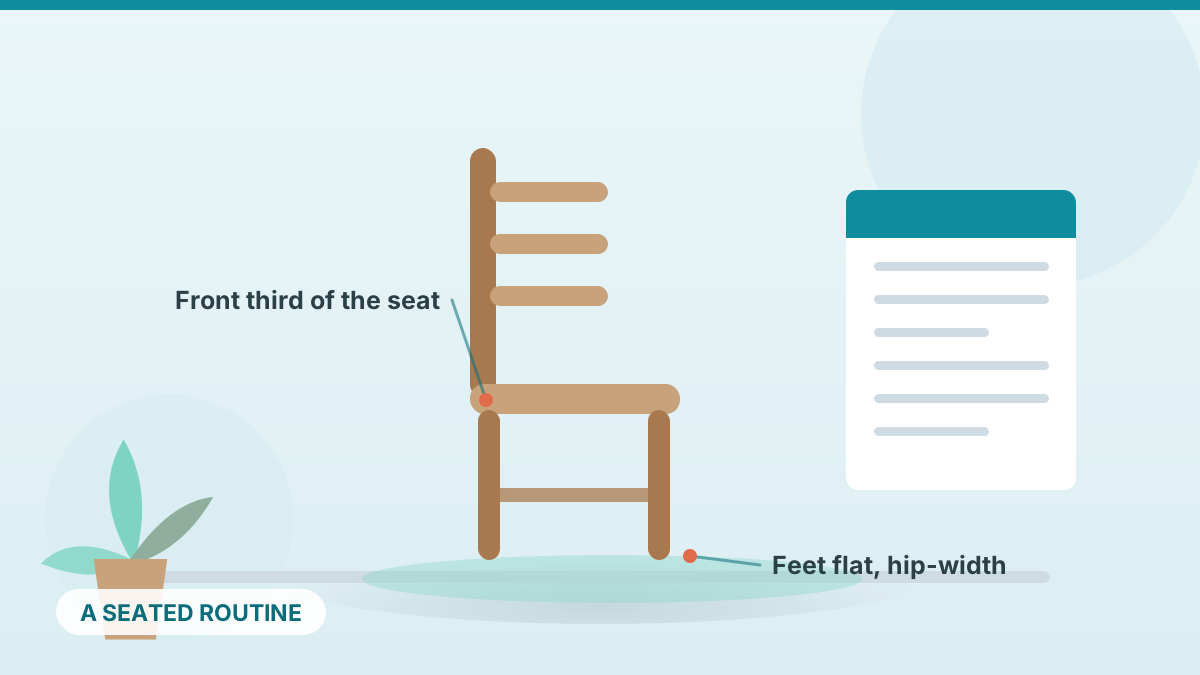
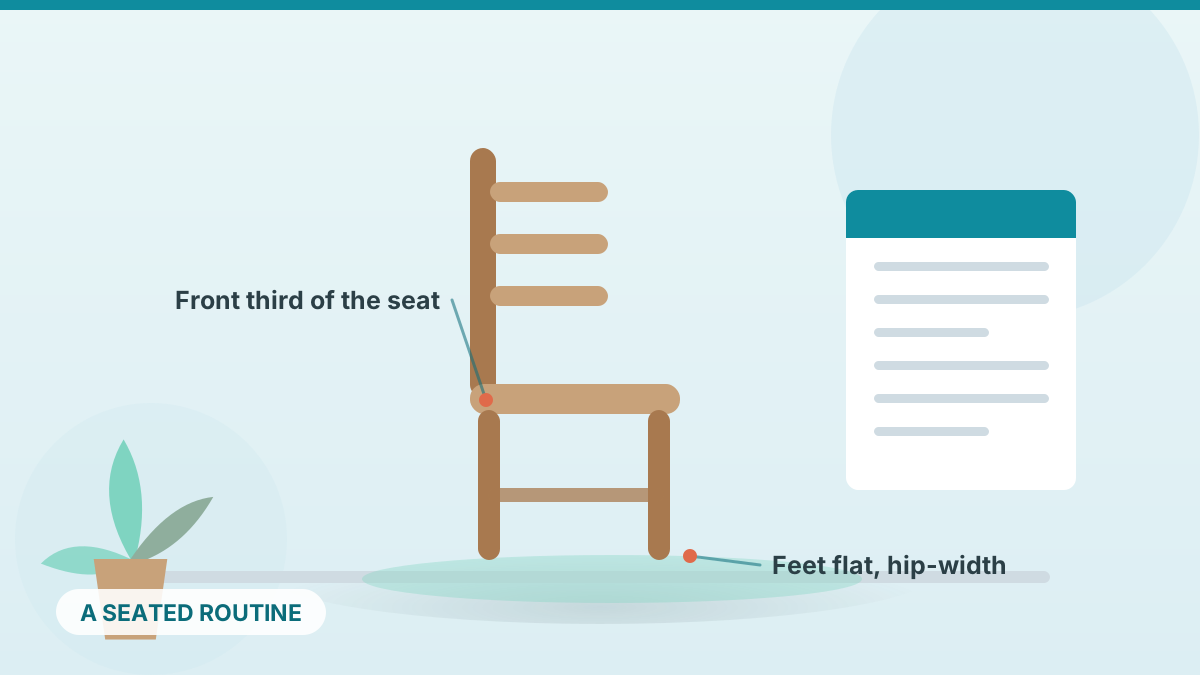
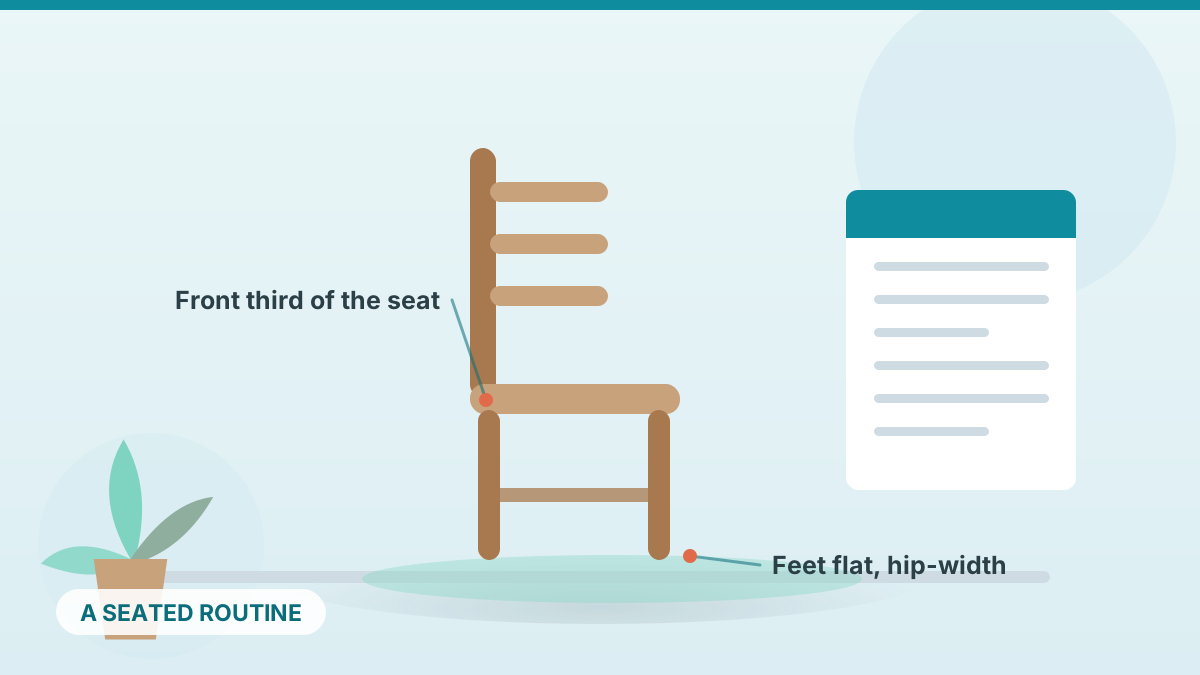
This routine flows naturally from one movement to the next, starting with gentle warm-up stretches and building to slightly more active movements before cooling down. Each exercise includes clear instructions, breathing cues, and modifications for different ability levels. Your loved one should sit comfortably in a sturdy chair with feet flat on the floor, wearing comfortable clothing that allows easy movement.

1

Seated Mountain Pose with Breathing (1 minute)

What it helps: Centers attention, calms the nervous system, establishes proper posture, and prepares the body for movement.

How to do it: Sit tall with feet flat on the floor, hip-width apart. Rest hands gently on thighs. Roll shoulders back and down, lengthening the spine without straining. Close eyes or soften gaze downward. Take slow, deep breaths through the nose, feeling the belly expand on the inhale and gently contract on the exhale.

Breathing cue: Inhale for 4 counts, exhale for 4 counts. Repeat 5-6 times, letting each breath become a little deeper and more relaxed.

2

Neck Rolls and Shoulder Shrugs (1 minute)

What it helps: Releases tension in neck and shoulders, improves range of motion, reduces headache triggers, and warms up upper body.

How to do it: Gently drop right ear toward right shoulder, hold for 2 breaths, then roll chin down toward chest and continue to left side. Repeat 3 times in each direction, moving slowly and never forcing. Then lift both shoulders up toward ears on an inhale, hold briefly, and release down on an exhale. Repeat shoulder shrugs 5 times.

Breathing cue: Inhale as you lift shoulders, exhale as you release. Keep breathing steady and smooth during neck rolls.

3

Seated Cat-Cow Stretch (1 minute)

What it helps: Increases spine flexibility, massages internal organs, improves posture, and coordinates breath with movement.

How to do it: Place hands on knees. On an inhale, arch the back gently, lifting chest and looking slightly upward (cow pose). On an exhale, round the spine, tucking chin toward chest and drawing belly button toward spine (cat pose). Move slowly between these two positions, letting the breath guide the movement. Repeat 6-8 times.

Breathing cue: Inhale to arch (cow), exhale to round (cat). Make the movement match the length of your breath.

4

Seated Side Stretches (1 minute)

What it helps: Opens the ribcage for deeper breathing, stretches the sides of the torso, improves lateral flexibility, and releases tension in the waist.

How to do it: Sit tall with feet flat. Raise right arm overhead, keeping left hand resting on thigh or chair for support. On an exhale, gently lean to the left, feeling a stretch along the right side of the body. Hold for 3 breaths, then return to center on an inhale. Repeat on the other side. Do 3 stretches on each side, alternating.

Breathing cue: Inhale to prepare and lengthen, exhale to lean into the stretch. Breathe deeply into the stretched side.

5

Seated Spinal Twist (1 minute)

What it helps: Maintains spinal mobility, aids digestion, releases lower back tension, and improves rotational movement needed for daily activities.

How to do it: Sit sideways in the chair with right hip against the backrest. Place both hands on the back of the chair and gently twist to the right, using hands for light support but not to force the twist. Keep hips facing forward and twist from the waist. Hold for 4-5 breaths, then carefully unwind and switch sides. Repeat once on each side.

Breathing cue: Inhale to lengthen the spine, exhale to twist deeper. Never force or hold your breath.

6

Seated Leg Lifts (1 minute)

What it helps: Strengthens hip flexors and quadriceps, improves circulation in legs, supports walking ability, and builds core stability.

How to do it: Sit tall with hands resting on the chair seat beside hips for support. Straighten right leg and lift it a few inches off the floor, keeping the knee straight but not locked. Hold for 2 breaths, then lower slowly. Repeat 5 times on each leg, alternating sides. If this feels too challenging, simply extend the leg forward without lifting it off the floor.

Breathing cue: Exhale as you lift the leg, inhale as you lower it. Keep breathing steady throughout.

7

Ankle Circles and Toe Points (1 minute)

What it helps: Improves ankle flexibility and strength, reduces swelling in feet and ankles, prevents stiffness, and supports balance.

How to do it: Lift right foot slightly off the floor. Slowly circle the ankle 5 times in one direction, then 5 times in the other direction. Then point toes away from you, then flex toes back toward you. Repeat the pointing and flexing 5 times. Switch to the left foot and repeat the entire sequence.

Breathing cue: Breathe naturally and steadily. Don't hold your breath while concentrating on the movements.

8

Seated Forward Fold (1 minute)

What it helps: Stretches the entire back body, releases lower back tension, calms the nervous system, and improves hamstring flexibility.

How to do it: Sit toward the front edge of the chair with feet flat and hip-width apart. On an inhale, lengthen the spine. On an exhale, hinge forward from the hips, letting arms hang down toward the floor or rest on thighs. Let the head and neck relax completely. Hold for 5-6 breaths, then slowly roll up one vertebra at a time on an inhale.

Breathing cue: Inhale to lengthen, exhale to fold deeper. Breathe into the back body, feeling it expand with each inhale.

9

Seated Arm Raises and Circles (1 minute)

What it helps: Maintains shoulder mobility, strengthens upper body, improves circulation to arms and hands, and supports reaching activities.

How to do it: Sit tall with arms at sides. On an inhale, raise both arms out to the sides and up overhead, bringing palms together if comfortable. On an exhale, lower arms back down. Repeat 5 times. Then extend arms out to the sides at shoulder height and make small circles forward 5 times, then backward 5 times.

Breathing cue: Inhale as arms rise, exhale as they lower. Breathe naturally during the circles.

10

Closing Breath and Gratitude (1 minute)

What it helps: Brings the practice to a peaceful close, reinforces the mind-body connection, and sets a positive tone for the rest of the day.

How to do it: Return to the starting position with hands resting on thighs. Close eyes and take 5 slow, deep breaths, noticing how the body feels after the movement. Silently acknowledge one thing you're grateful for today. When ready, gently open eyes and take a moment before standing.

Breathing cue: Inhale deeply through the nose, exhale slowly through the nose or mouth. Let each breath be a little longer and more relaxed than the last.

Perfect Times to Use This Routine

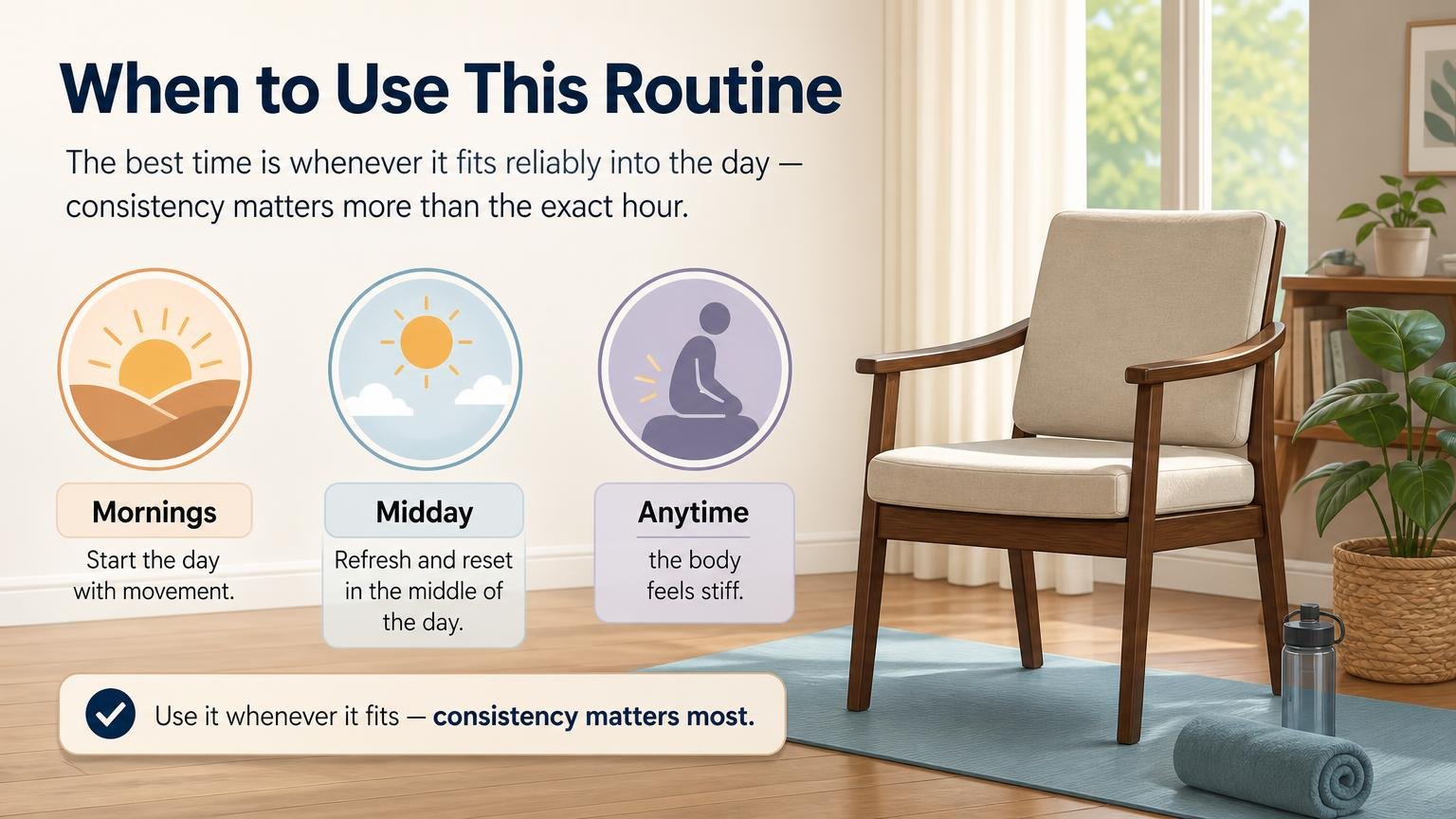
The beauty of a 10-minute routine is that it fits naturally into almost any daily schedule. The best time is the time that actually happens consistently, but certain moments in the day offer specific benefits that make them particularly good choices for chair yoga.

Morning (After Breakfast)

Reduces morning stiffness, increases energy levels, and sets a positive tone for the day. Wait 30 minutes after eating to avoid discomfort.

Best for: Seniors who feel stiff upon waking and want to improve mobility before daily activities.

Afternoon (After Rest)

Combats afternoon fatigue, improves circulation after sitting, and provides a gentle energy boost without interfering with nighttime sleep.

Best for: Seniors who take afternoon naps or rest periods and want to feel refreshed afterward.

Evening (Before Bed)

Releases tension from the day, calms the nervous system, and promotes better sleep quality. Use gentler movements and focus on breathing.

Best for: Seniors who have trouble relaxing at night or experience restless sleep.

Many caregivers find success by linking the routine to an existing daily habit. For example, doing chair yoga right after morning coffee, before the afternoon news program, or after dinner while still sitting at the table. This habit-stacking approach makes it easier to remember and maintain consistency over time.

For more guidance on building sustainable daily routines that include movement, meals, and rest, see our comprehensive guide:

Daily Routine for Seniors: A Caregiver's Guide

Safety Reminders: When to Pause or Modify

Chair yoga is designed to be safe and gentle, but every senior has unique health considerations that require attention. These safety guidelines help ensure the routine remains beneficial and never causes harm.

Safety Checklist Before Starting

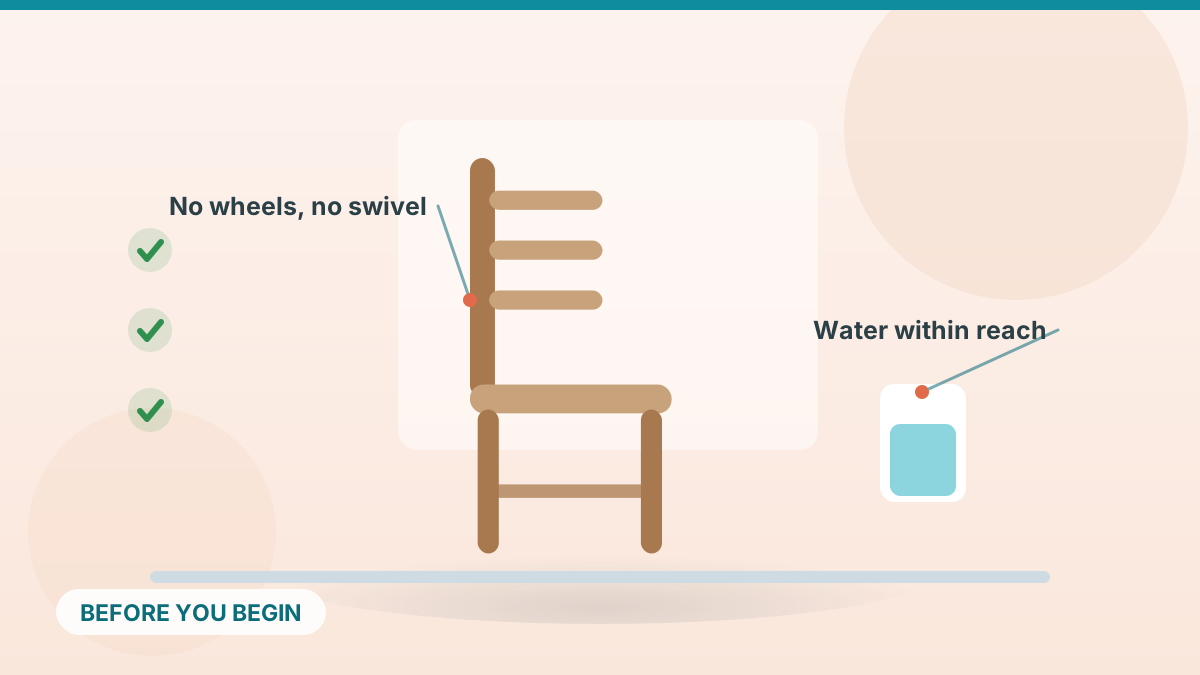
Use a sturdy, stable chair

Choose a chair without wheels, with a flat seat and solid back. Avoid chairs with arms if they restrict movement. The chair should not slide on the floor.

Wear comfortable, non-restrictive clothing

Avoid tight waistbands, stiff fabrics, or anything that limits movement. Shoes should have non-slip soles or can be removed if balance allows.

Clear the space around the chair

Remove any obstacles, cords, or rugs that could cause tripping. Ensure there's enough room to extend arms and legs safely in all directions.

Have water nearby

Keep a glass of water within easy reach to stay hydrated, especially if doing the routine in the morning or after waking from a nap.

Never push through pain

Gentle stretching should feel good, not painful. If any movement causes sharp pain, dizziness, or shortness of breath, stop immediately and rest.

Modify as needed

Every movement can be made smaller or gentler. If raising arms overhead feels uncomfortable, raise them only to shoulder height. If twisting feels too intense, twist only as far as comfortable.

Stop Immediately If You Experience:

  • Sharp or sudden pain in any joint or muscle
  • Dizziness, lightheadedness, or feeling faint
  • Chest pain or pressure
  • Difficulty breathing or shortness of breath
  • Nausea or sudden weakness

If symptoms persist after resting, contact a healthcare provider immediately.

Caregiver Encouragement Tips: Keeping It Light and Positive

As a caregiver, your attitude toward the routine significantly influences whether your loved one embraces it or resists it. The goal is to make chair yoga feel like a pleasant part of the day, not another medical task or obligation. These strategies help create a positive, sustainable practice.

Focus on How It Feels, Not How It Looks

Remind your loved one that there's no "perfect" way to do these movements. What matters is how their body feels during and after the routine. Celebrate small improvements in comfort, flexibility, or mood rather than comparing to others or to how they moved years ago.

Do It Together When Possible

If you can join in the routine, even occasionally, it transforms the experience from "something they have to do" into "something we do together." This shared activity strengthens your connection and makes the routine more enjoyable for both of you.

Use Gentle Reminders, Not Pressure

Instead of saying "You need to do your exercises," try "Would you like to do some gentle stretches together?" or "I noticed you seemed to feel better after yesterday's routine." Give them agency in the decision while highlighting the benefits they've experienced.

Celebrate Consistency Over Perfection

Acknowledge when they complete the routine, even if they modified movements or skipped a few. "You showed up and moved your body today" is worth celebrating. Consistency builds the habit, and the habit brings the benefits.

Some days will be easier than others. On difficult days, even doing just 3-4 of the movements is valuable. The routine is meant to support their wellbeing, not add stress. If they're having a particularly low-energy day, suggest doing just the breathing exercises and neck rolls, then trying the full routine again tomorrow.

What to Say When They Resist

If your loved one is reluctant to try the routine, these responses can help:

  • "It's only 10 minutes" - Emphasize the short time commitment
  • "Let's just try the first three movements" - Lower the barrier to starting
  • "You said your back felt better yesterday after we did this" - Remind them of past benefits
  • "I'll do it with you" - Offer companionship and support

Want a Longer, More Comprehensive Plan?

This 10-minute routine is an excellent starting point and can be used indefinitely as a daily practice. However, if your loved one is ready to expand their chair yoga practice, or if you want a structured program with multiple routines for different needs, our comprehensive printable guide offers significantly more depth and variety.

What's Included in the Full Printable Guide:

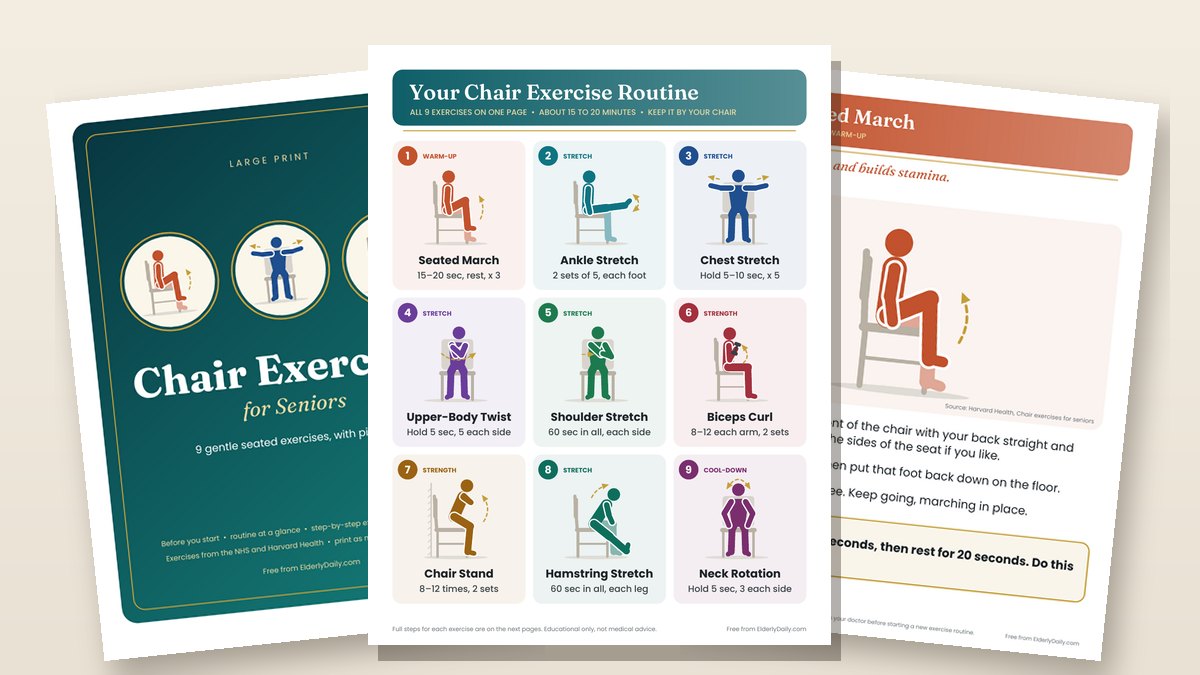
  • Multiple 15-20 minute routines for different times of day
  • Specialized sequences for arthritis, back pain, and balance improvement
  • Illustrated movement guides with detailed modifications
  • Weekly practice schedules and progress tracking sheets
  • Caregiver tips for supporting consistent practice
  • Safety guidelines for specific health conditions
Get the Complete Printable Chair Yoga Guide

The printable format means you can keep the guide near your loved one's chair, mark their favorite routines, and track their progress over time. Many caregivers find that having a physical reference makes it easier to maintain consistency and gives their loved one more independence in their practice.

Pair Chair Yoga with Fall Prevention Strategies

While chair yoga significantly improves balance, flexibility, and strength, it works best as part of a comprehensive fall prevention approach. The movements in this routine help maintain the physical capabilities needed for safe mobility, but environmental factors and proper footwear play equally important roles in preventing falls.

Complete Fall Prevention Approach

Physical Preparation (Chair Yoga)

The 10-minute routine strengthens the muscles used for balance, improves ankle flexibility for better foot placement, and maintains the core strength needed to catch yourself if you start to fall. Consistent practice over weeks and months builds the physical foundation for safer movement.

Environmental Safety

Remove tripping hazards like loose rugs, electrical cords, and clutter. Install grab bars in bathrooms, ensure adequate lighting throughout the home, and use non-slip mats in the shower and tub. These modifications reduce fall risk regardless of physical ability.

Proper Footwear

Shoes designed specifically for fall prevention provide better traction, support, and stability than regular footwear. They're particularly important for seniors who have completed chair yoga and are moving around the house or going outside.

For detailed guidance on choosing footwear that complements your loved one's improved balance and mobility from chair yoga, see our comprehensive review:

Best Shoes for Seniors to Prevent Falls

The combination of regular chair yoga practice, a safe home environment, and appropriate footwear creates multiple layers of protection against falls. Each element supports the others: chair yoga builds the physical capability, environmental modifications reduce external risks, and proper shoes provide the interface between body and ground that makes safe movement possible.

Tracking Progress Over Time: What to Look For

The benefits of chair yoga accumulate gradually over weeks and months of consistent practice. While dramatic changes are rare, small improvements in multiple areas add up to meaningful differences in daily life. Knowing what to look for helps you and your loved one recognize and celebrate progress, which reinforces motivation to continue.

Signs of Progress After 2-4 Weeks

Less morning stiffness

Your loved one may notice they can get out of bed or stand from a chair more easily in the morning, with less need to "warm up" before moving.

Improved mood and energy

Regular movement and focused breathing often lead to better mood, reduced anxiety, and more consistent energy levels throughout the day.

Easier reaching and bending

Daily tasks like reaching for items on shelves, putting on shoes, or picking up dropped objects may become noticeably easier.

Better sleep quality

Many seniors report falling asleep more easily and sleeping more soundly after establishing a regular chair yoga practice.

Signs of Progress After 6-8 Weeks

Increased range of motion

Movements that were initially difficult or limited may now feel easier. Arms may reach higher, twists may go deeper, and forward folds may extend further.

Better balance and stability

Your loved one may feel more stable when standing, walking, or transitioning between positions. They may catch themselves more easily if they start to lose balance.

Reduced pain or discomfort

Chronic aches in the back, neck, shoulders, or hips may decrease in intensity or frequency as flexibility and strength improve.

Greater confidence in movement

Perhaps the most important change: your loved one may feel more confident in their ability to move safely and independently, which encourages more activity overall.

Keep in mind that progress isn't always linear. Some weeks will show more improvement than others, and occasional setbacks due to illness, weather changes, or other factors are normal. What matters is the overall trend over months, not day-to-day variations. Celebrate small wins, maintain consistency, and trust that the benefits will continue to accumulate over time.

Simple Progress Tracking

Consider keeping a simple log with three columns:

  • 1.Date and time - When the routine was completed
  • 2.How they felt before - Energy level, stiffness, mood (1-10 scale)
  • 3.How they felt after - Same measures, plus any specific improvements noticed

After a few weeks, reviewing this log together can reveal patterns and progress that might otherwise go unnoticed, providing motivation to continue.

Supporting Safe Aging at Home

A short daily chair yoga routine does more than improve flexibility. It builds the physical foundation that helps seniors move safely through their homes, reducing the likelihood of trips and falls. When paired with a broader approach to mobility and fall prevention strategies, consistent gentle exercise becomes one of the most effective tools caregivers have for protecting independence.

Movement also plays a vital role in recovery. Seniors who maintain even light activity during and after illness or hospitalization tend to regain strength faster and experience fewer setbacks. If your loved one is rebuilding after a hospital stay, gentle chair yoga can be a safe starting point. Our guide on recovering safely at home after hospitalization offers additional steps caregivers can take to support a smooth return to daily life.

Frequently Asked Questions

Is 10 minutes of chair yoga really enough to make a difference?

Yes, absolutely. Research from the National Institute on Aging shows that short, consistent exercise sessions provide significant benefits for seniors, particularly when done regularly. Ten minutes of daily chair yoga improves circulation, maintains joint flexibility, strengthens muscles used for balance, and supports mental wellbeing.

The key is consistency. Doing 10 minutes five days a week delivers far better results than attempting a 30-minute session once a week and then giving up because it feels too demanding. Short sessions are more sustainable, less intimidating, and easier to fit into daily routines, which means they actually get done rather than being postponed indefinitely.

How many times per week should my loved one do this routine?

Aim for 5-7 days per week for best results. Daily practice builds the habit and allows the body to maintain and gradually improve flexibility, strength, and balance. However, 3-4 days per week still provides meaningful benefits. If your loved one is just starting, begin with 3 days per week and gradually increase frequency as the routine becomes more familiar.

If your loved one is having a particularly difficult day, suggest doing just the breathing exercises, neck rolls, and shoulder shrugs. Some movement is always better than no movement. The goal is consistency over time, not perfection on any single day.

What if my loved one is too tired to do the full 10 minutes?

On low-energy days, doing even 3-4 of the movements is valuable. If your loved one is having a particularly difficult day, suggest doing just the breathing exercises, neck rolls, and shoulder shrugs. Some movement is always better than no movement. The goal is consistency over time, not perfection on any single day.

Some movement is always better than no movement. Even 2-3 minutes of gentle stretching and breathing provides benefits and maintains the habit. The goal is consistency over time, not perfection on any single day. Be flexible and compassionate with expectations, especially during illness, weather changes, or periods of increased fatigue.

What's the best time of day to do chair yoga?

The best time is the time that actually happens consistently. That said, different times offer specific benefits. Morning practice reduces stiffness, afternoon practice combats fatigue, and evening practice promotes better sleep.

Many caregivers find success by linking the routine to an existing daily habit, such as doing chair yoga right after morning coffee, before the afternoon news program, or after dinner while still sitting at the table. This habit-stacking approach makes it easier to remember and maintain consistency. Experiment with different times and notice when your loved one has the most energy and willingness to participate.

Can I help my loved one with the movements, or should they do it independently?

Your involvement depends on their needs and preferences. Some seniors prefer to do the routine independently, which builds confidence and autonomy. Others appreciate having you nearby for safety, encouragement, or gentle assistance with certain movements. Many caregivers find that doing the routine together, at least occasionally, makes it more enjoyable and strengthens their connection.

If you do provide physical assistance, use gentle guidance rather than forcing movements. Never push them deeper into a stretch than feels comfortable. Your role is to support and encourage, not to make them perform the movements "correctly." Focus on how they feel rather than how the movements look, and celebrate their effort and consistency rather than their flexibility or strength.