
7 Best Hearing Aids for Elderly
 By Kutubuddin, Founder & Senior Care Researcher Updated October 2026
In this guide


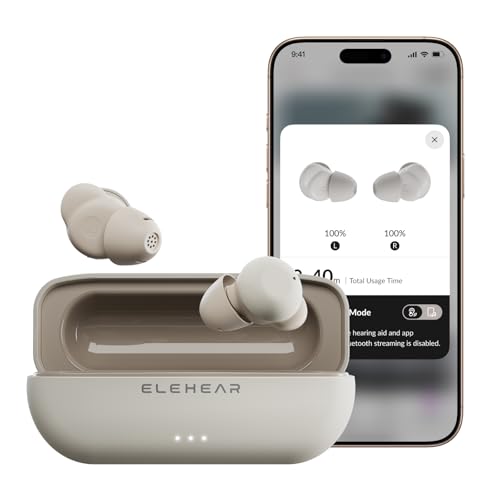
The best hearing aids for seniors in 2026 are affordable, rechargeable OTC devices you can buy without an audiologist.
We may earn a commission when you buy through links on this page. Read our affiliate disclosure.
Top 7 Picks — Find Your Situation
#1 · Best Overall
ELEHEAR Beyond ProBest for: Seniors who want the best all-round OTC performance — clear speech in noise, Bluetooth streaming, and self-fitting — without prescription prices
#2 · Best Premium OTC Pick
Sennheiser All-Day ClearBest for: Seniors with mild-to-moderate loss who want a premium aid, Bluetooth calls and setup based on real conversation
#3 · Best Budget Rechargeable
Audien Atom XBest for: Budget-focused seniors who want rechargeable simplicity with no app or Bluetooth to manage
#4 · Best Entry-Level
Audien Atom ONEBest for: First-time users testing whether hearing aids help, on the smallest possible budget
#5 · Best for Bluetooth Streaming
Yeasound RIC800Best for: Seniors who want Bluetooth streaming plus strong lab-tested sound on both phone platforms
#6 · Best Behind-the-Ear
MDHearing VOLT 4Best for: Seniors who want a classic, easy-to-handle behind-the-ear aid with real buttons and no app
#7 · Most Discreet
ELEHEAR DelightBest for: Seniors who want a discreet, app-controlled aid with Bluetooth and AI noise reduction
Our top pick is the ELEHEAR Beyond Pro, graded by HearAdvisor's independent lab, with budget options from Audien and an easy behind-the-ear MDHearing pick — plus a full guide to what insurance and Medicare cover and how to get hearing aids free or low-cost.
A closer look at our top pick
ELEHEAR Beyond Pro
Best for: Seniors who want the best all-round OTC performance — clear speech in noise, Bluetooth streaming, and self-fitting — without prescription prices
- Independent HearAdvisor Grade A (#2 of 56 OTC aids tested)
- Bluetooth 5.3 streaming to iPhone and Android
- VocClear 2.0 AI noise reduction for speech in noise
- Self-fitting via the ELEHEAR app
Independently researched · Updated October 2026
The Beyond Pro sits near the top of HearAdvisor’s independent OTC lab rankings, which matters more than any marketing claim because it is one of the few places OTC aids get measured rather than described. ELEHEAR’s VOCCLEAR 2.0 processing is aimed squarely at speech in noise — the restaurant and family-gathering problem that drives most people to buy hearing aids in the first place.
It covers the practical things people actually live with: Bluetooth 5.3 streaming and hands-free calls on both iPhone and Android, a rechargeable battery good for roughly 20 hours with a case holding about four more charges, and a 15-minute quick charge worth around six hours if you leave the house with them flat.
The quieter advantage is support. ELEHEAR includes free remote access to hearing care professionals through its app, which is unusual at this price — most budget OTC aids hand you a box and leave you to it. There is a 45-day trial and a 1-year limited warranty behind it.
What we love
- Top independent lab grade at a mid-market price
- Genuinely effective in restaurant and group noise
- Streams to both iPhone and Android
- App-guided self-fitting is quick
Things to consider
- Needs a smartphone for the initial setup
- Receiver sits behind the ear, so it is visible up close
Right for you if
- ✓Your hearing loss is in the mild-to-moderate range and you want to try OTC before committing to prescription prices.
- ✓You are comfortable with a smartphone — the self-fitting, the tuning and the tinnitus maskers all run through the app.
- ✓You want streaming and hands-free calls rather than amplification alone.
- ✓You would value being able to reach a hearing professional remotely for adjustments.
Maybe skip it if
- !Your hearing loss is severe, profound, sudden, or noticeably worse in one ear. These are FDA-registered for mild-to-moderate loss and nothing beyond it — sudden or one-sided loss needs a doctor, not an OTC device.
- !You do not use a smartphone, or find apps difficult. Self-fitting and day-to-day control both depend on the app, so much of what you are paying for goes unused.
- !Discretion is your first priority. The behind-the-ear shells run larger than most competing models — notably, the Pro is the same size as the older Beyond despite reviewer feedback. The ELEHEAR Delight and the in-canal Audien Atom ONE further down this page are the more discreet options.
- !You attend a church, theatre or venue with a hearing loop. There is no telecoil in these.
- !You want disposable batteries. The Beyond Pro is rechargeable only, so a nightly charging routine is non-negotiable.
Getting started
- →Get a hearing test first. OTC devices are sized to a self-reported mild-to-moderate loss, and the test is what tells you whether that description actually fits you.
- →They ship with the closed dome fitted, but the more open tulip dome suits most mild-to-moderate wearers better unless streaming is your priority — try both before deciding the sound is wrong.
- →Use the 45-day trial deliberately: wear them in the noisy situations you bought them for, not just at home, while you can still return them.
How it compares
The Sennheiser All-Day Clear is the one to weigh if the budget allows and you want a big-name premium aid with conversation-based fitting and Bluetooth calls on both iPhone and Android. The trade-off is price — it is the most expensive pick here — and it does not offer the ELEHEAR’s remote professional support.
How we picked
We compared 7 options. These OTC hearing aids were assessed on sound clarity in conversation and noise, fit and comfort, battery or charge life, ease of self-fitting and control, and value against prescription options. We used manufacturer specs, independent HearAdvisor lab grades where available, and verified owner reviews, not our own clinical testing. OTC devices suit perceived mild-to-moderate loss — get a hearing test first, and see an audiologist if loss is severe, sudden, or one-sided.
Reviewed by Kutubuddin — who researches senior-care products and the real-world needs of caregivers and older adults.
Other picks, reviewed
Sennheiser All-Day Clear

Sony’s OTC hearing aids, which held this spot, were discontinued in 2026; this is what we would choose instead if the budget allows. The All-Day Clear is an FDA-cleared, self-fitting OTC hearing aid for mild-to-moderate loss from an established audio brand. Setup happens in the All-Day Clear app by tuning to real conversation rather than a run of tone tests, which many older users find easier. It streams calls and audio hands-free from both iPhone and Android, sits behind the ear, and Sennheiser rates it at up to 16 hours a charge. It is the most expensive pick on this page, so buy where returns are easy.
What we like
- From an established audio brand, actively sold and supported
- Conversation-based fitting is easier than a tone test
- Streaming and calls on both iPhone and Android
- Buttons on the aids for volume and programs
Keep in mind
- The most expensive pick on this page
- No telecoil mentioned, so do not count on hearing-loop use
- Needs a smartphone for setup
- Behind the ear, so less discreet than the in-canal picks
Key features
- Self-fitting OTC aid for mild-to-moderate hearing loss
- Fitted in the All-Day Clear app by tuning to conversation, not tone tests
- Hands-free calls and audio streaming on iPhone and Android
- Rechargeable — up to 16 hours a charge (Sennheiser’s figure)
- Small, medium and large ear tips included
- 1-year manufacturer warranty
Audien Atom X

The lowest-priced rechargeable OTC hearing aid we would actually recommend. It skips Bluetooth, apps, and AI in favor of clean, simple amplification — one button and a drop-in charging case that holds several extra charges. Battery figures vary by source: Audien's listing advertises 48+ hours, which counts the case, while an independent audiology review puts the aids themselves nearer 12 hours per charge. For someone who wants to hear the TV and conversation better without learning new technology it does that job — but read the speech-clarity limits below before choosing it over a Class II device.
What we like
- Very affordable
- No technology learning curve
- Rechargeable convenience
- A registered OTC device rather than an unregulated amplifier
Keep in mind
- No Bluetooth or AI noise handling
- Struggles in loud, crowded rooms
- Small on-device control
Key features
- Rechargeable — about 12 hours per charge per an independent audiology review (manufacturer claims more, counting the case)
- Charging case holds several backup charges
- Single physical button, no app or phone needed
- Discreet in-canal fit
- FDA-registered Class I OTC device — a tier above an unregulated amplifier, a tier below Class II self-fitting
Audien Atom ONE

The cheapest hearing aid we would let a family member buy — a low-risk way to answer the question that matters most before spending real money: do hearing aids even help me? It is an FDA-registered Class I OTC device rather than an unregulated amplifier, though not a Class II self-fitting aid like the Sennheiser above, and it runs on size 312 disposable batteries that last several days each. No Bluetooth and no app, just basic amplification.
What we like
- Cheapest registered OTC option
- Simple to operate
- A sensible way to test whether aids help you
Keep in mind
- Tiny size 312 batteries are hard for arthritic hands
- No rechargeable or Bluetooth option
- Basic sound — if dexterity is a concern, choose the rechargeable Atom X instead
Key features
- FDA-registered Class I OTC device
- Size 312 disposable batteries (several days each)
- No app or Bluetooth
- Discreet in-canal fit
- Lowest-risk way to try hearing aids
Yeasound RIC800
A rechargeable receiver-in-canal aid that scored in the top 5% of all OTC hearing aids tested by HearAdvisor and streams to both iPhone and Android. It offers preset sound profiles plus an in-app hearing test, and Yeasound will remotely program it from an audiogram you email in — handy if you already have a recent hearing test on file.
What we like
- Excellent tested sound for the price
- Streams on both phone platforms
- Optional remote programming by a professional
Keep in mind
- Preset-based fitting is less custom than fully self-fitting rivals
- App needed for streaming and the hearing test
Key features
- Streams to both iPhone and Android
- Top 5% of OTC aids in HearAdvisor testing
- Rechargeable receiver-in-canal design
- Preset sound profiles plus an in-app hearing test
- Remote programming from an emailed audiogram
MDHearing VOLT 4
A behind-the-ear aid built for people who find apps and Bluetooth pairing more frustrating than useful. It uses physical buttons, a portable charging case, and advanced noise cancelling, fits comfortably alongside glasses, and never requires a smartphone — with optional telehealth fitting from a licensed professional if you want it.
What we like
- Easy to handle and control
- Larger BTE is simpler than tiny in-canal aids
- No app needed
- Comfortable to wear with glasses
Keep in mind
- More visible than in-canal styles
- No Bluetooth streaming
Key features
- Behind-the-ear (BTE) design
- Physical volume and program buttons
- Portable rechargeable charging case
- Advanced noise cancelling
- Fits comfortably with glasses
- No smartphone required (optional telehealth fitting)
ELEHEAR Delight
For seniors who want modern features in the most discreet package here. It pairs a small, comfortable design with Bluetooth 5.3, AI-driven noise cancellation, and full app control — a sensible middle ground between the bare-bones budget picks and the flagship Beyond Pro.
What we like
- Discreet on the ear
- Modern Bluetooth and AI features
- App customization
Keep in mind
- Needs a smartphone to get the most from it
- Smaller controls than a behind-the-ear model
Key features
- Small, discreet, comfortable design
- Bluetooth 5.3
- AI noise cancellation
- Full app control
- Rechargeable
What to look for
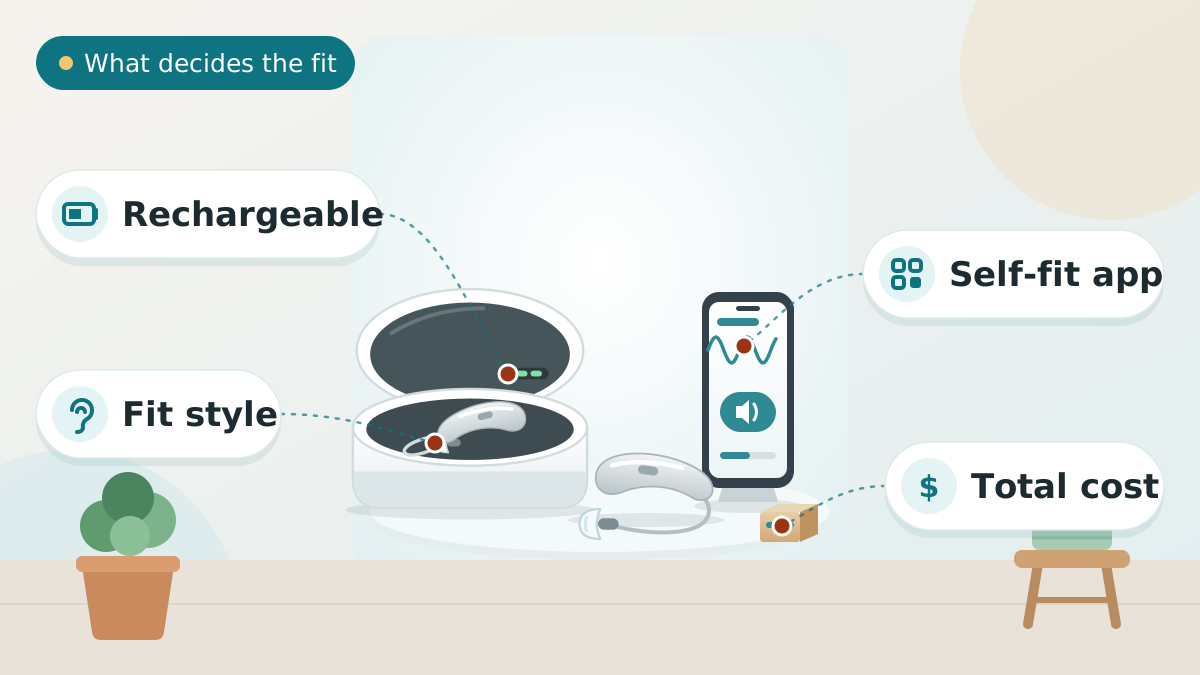
OTC versus prescription hearing aids
The FDA created a genuine over-the-counter category in October 2022 for adults with perceived mild-to-moderate hearing loss — no exam, prescription, or audiologist visit required, and every pick on this page falls into that category. That's different from a basic sound amplifier (PSAP), which isn't FDA-regulated as a hearing aid at all — check that a device is a genuine OTC hearing aid, not a look-alike amplifier.
Severe, sudden, or one-sided hearing loss, or any pain or drainage, is a signal to see a doctor or audiologist instead — those fall outside what OTC devices are built for. A hearing test is the right starting point either way.
Style and dexterity
Behind-the-ear (BTE) and receiver-in-canal (RIC) styles sit partly or mostly outside the ear canal, which makes them easier to insert, remove, and clean with arthritis or hand tremors — the MDHearing VOLT 4 (BTE) and ELEHEAR Beyond Pro (RIC) are built this way.
Completely-in-canal styles like the Audien Atom ONE are smaller and more discreet, but the small size makes them genuinely harder to handle with reduced grip strength or fine motor control. If dexterity is a real concern, start with a BTE or RIC style rather than chasing the most discreet option.
Rechargeable versus disposable batteries
Rechargeable hearing aids remove the need to handle tiny disposable batteries — a real daily obstacle with arthritis, tremor, or reduced vision — by dropping the aids into a charging case overnight. Most rechargeable models here run 15 to 24 hours on a full charge, comfortably covering a full day.
Disposable-battery models can still suit someone who'd rather not manage a charging routine, or as a backup for travel.
Bluetooth streaming, self-fitting, and cost
Bluetooth-enabled aids like the ELEHEAR Beyond Pro stream phone calls and audio directly, and a companion app lets you self-fit the device to your own hearing in a few minutes rather than guessing at physical dials.
Independent lab grades, where available — the ELEHEAR Beyond Pro carries a HearAdvisor Grade A — are a more reliable signal of real-world performance than marketing claims. Price varies widely in this category; weigh the features you'd actually use against how much they add to the price.
Read more:Hearing & Vision Support Guide for SeniorsHow Hearing Loss Increases Fall Risk in SeniorsSigns Hearing Loss Is Getting Worse in Seniors
What Insurance Covers — Medicare, Medicaid, and How to Get Hearing Aids Free or Low-Cost
The biggest barrier to hearing aids has always been cost — but seniors have more options than most realize, from insurance benefits to free-device programs. Here is how coverage works in 2026. (This is general information, not financial or medical advice — confirm the details with each program.)
Original Medicare. Original Medicare (Parts A and B) does not pay for hearing aids or the exams to fit them. Part B does cover one diagnostic hearing evaluation a year if a doctor orders it to investigate a medical problem — but not routine screenings and not the devices themselves. You can confirm the current rules at Medicare.gov.
Medicare Advantage (Part C). Nearly all Medicare Advantage plans now include some hearing benefit in 2026, and some put $1,000 or more toward devices every few years. Coverage varies widely, so during open enrollment ask each plan exactly how much it pays toward hearing aids, whether it needs prior authorization, and how often you can replace them. Some plans now cover OTC brands too — worth asking about the aids on this page.
Medicaid. Medicaid coverage depends entirely on your state. As of 2026 it covers hearing aids nationwide for those under 21; for seniors, roughly 27 states plus the District of Columbia offer some coverage while others offer none. Contact your state Medicaid office, or check the state-by-state list from the Hearing Loss Association of America.
Veterans (VA). Eligible veterans can get hearing aids — often premium models — at no out-of-pocket cost through VA health care, especially for service-connected hearing loss. If you served, check with the VA before paying anything.
Still working? Vocational Rehabilitation. If hearing loss affects your ability to work — even part-time or gig work — your state Vocational Rehabilitation office can often cover hearing aids to keep you employed, regardless of your total assets.
Free and low-cost programs are worth a call even if you do not qualify for the above:
- Lions Club International — collects and redistributes refurbished hearing aids at no charge; search for a club near you.
- Starkey Hear Now — a national program where qualifying applicants pay only an application fee.
- Miracle-Ear Foundation (Gift of Sound) — donates hearing aids to people who qualify by income.
- Oticon Hearing Foundation, Help America Hear, and Sertoma / Hearing Charities of America — foundation programs for low-income applicants.
- Your local Area Agency on Aging — the fastest way to find state and local resources in your area.
Two more ways to cut the cost: FSA and HSA funds can be spent on hearing aids, and hearing aids count as a deductible medical expense if you itemize your taxes. And the simplest route of all is right here on this page — a good OTC hearing aid costs a fraction of what a prescription pair typically costs, with no insurance needed. Where programs have waitlists, apply early; and if you were turned down years ago, it is worth trying again, since the rules have loosened.
Tips to Choose Hearing Aids for the Elderly
Short on time? Here are the key points to weigh before choosing, each covered in detail above:
- OTC vs prescription — OTC suits perceived mild-to-moderate loss
- Style and dexterity — behind-the-ear and receiver-in-canal are easier to handle than tiny in-canal aids
- Rechargeable vs disposable batteries
- Bluetooth streaming, noise handling, self-fitting, and cost
Sudden or one-sided hearing loss, pain, or drainage needs a doctor, not a hearing aid. A hearing test is the best starting point for any real hearing loss.
A true OTC hearing aid is FDA-regulated for perceived mild-to-moderate loss — a basic sound amplifier (PSAP) is not, so make sure a device is a genuine OTC hearing aid rather than a look-alike amplifier.
Comparing options? See our guides to Best Tablets for Elderly With Poor Vision and Best Video Calling Devices for Elderly.
Frequently asked questions
Rechargeable behind-the-ear (BTE) or receiver-in-canal (RIC) styles suit most seniors. They are easier to handle than tiny in-canal models and skip fiddly disposable batteries. The MDHearing VOLT 4 (behind-the-ear) and ELEHEAR Beyond Pro (receiver-in-canal) are good examples. In-canal models like the Audien Atom ONE are more discreet but harder to handle if you have arthritis or tremors.
Usually, yes. Rechargeable aids remove the need to handle tiny batteries, which is difficult with arthritis, tremors, or poor vision — you simply drop them in the charging case overnight. Most rechargeable models give 15 to 24 hours per charge, more than enough for a full day. If budget is the priority, the Audien Atom X is the least expensive rechargeable option here.
Yes. Modern OTC hearing aids work well for perceived mild-to-moderate loss. Devices like the ELEHEAR Beyond Pro and Audien Atom X are built for this range and noticeably improve speech clarity and awareness of your surroundings. For severe or profound loss, single-sided loss, or sudden changes, you need prescription hearing aids fitted by an audiologist instead.
Original Medicare covers $0 toward hearing aids, but nearly all Medicare Advantage plans include a hearing benefit in 2026, and some put $1,000 or more toward devices every few years. Medicaid covers hearing aids in roughly 27 states, the VA covers eligible veterans at no cost, and some private plans include hearing benefits — always check your specific plan. See the coverage section above for free and low-cost programs.
Original Medicare (Parts A and B) does not cover hearing aids or fitting exams — only one diagnostic hearing test a year if a doctor orders it for a medical reason. Many Medicare Advantage (Part C) plans do include hearing aid benefits, so check your plan's limits and providers. OTC hearing aids are a far cheaper alternative to a typical prescription pair.
Beyond insurance, eligible veterans can get them free through the VA, and state Medicaid covers them in many states. Foundations like the Miracle-Ear Foundation, Starkey Hear Now, and Lions Club International provide free or low-cost hearing aids to those who qualify, and state Vocational Rehabilitation can cover them for seniors who are still working. Your local Area Agency on Aging can point you to nearby programs.
Yes. Hearing aids and their batteries count as a deductible medical expense if you itemize deductions, and you can also pay for them using pre-tax FSA or HSA funds. Keep your receipts and any documentation of the hearing loss.
For perceived mild-to-moderate loss, the best OTC aids like the ELEHEAR Beyond Pro now rival prescription devices in independent lab testing, at a fraction of the cost. Prescription hearing aids fitted by an audiologist are still necessary for severe loss, complex ear anatomy, or specific medical conditions. OTC hearing aids are FDA-regulated for perceived mild-to-moderate hearing loss.
Not always. The MDHearing VOLT 4 and both Audien Atom models work with no app or phone at all. App-based models like the ELEHEAR Beyond Pro and Yeasound RIC800 offer better sound customization and self-fitting, but need a smartphone for setup. Choose based on how comfortable the wearer is with technology.
Most seniors need two to four weeks to fully adjust. At first, sounds may seem unnaturally loud or tinny. Start with two to four hours a day in quiet settings and build up to all-day use, giving your brain time to relearn how to process amplified sound. Patience during this period helps.
Rechargeable models typically run 15 to 24 hours per charge — the ELEHEAR Beyond Pro and MDHearing VOLT 4 comfortably cover a full day. Disposable size 312 batteries, like those in the Audien Atom ONE, last several days each depending on how many hours a day you wear them. Rechargeable is the more convenient default for most seniors.
Research from Johns Hopkins University has linked untreated hearing loss to a substantially higher fall risk. Hearing aids can help you hear cues like approaching cars or warning sounds. Untreated hearing loss has been linked to a higher fall risk, and treating it may help.
No. Remove them before bed to let your ears rest, prevent earwax buildup, and avoid damaging the devices — place them in the charging case overnight. Sleeping in hearing aids can cause discomfort, ear irritation, and feedback noise that disrupts sleep.
The final verdict
Our overall winner is the ELEHEAR Beyond Pro. You can check the current price on Amazon.
Our Top 5 Picks at a Glance
Ready to choose? Here are the top 5 again.
Best Overall
ELEHEAR Beyond Pro
Best Premium OTC Pick
Sennheiser All-Day Clear
Best Budget Rechargeable
Audien Atom X
Best Entry-Level
Audien Atom ONE
Best for Bluetooth Streaming
Yeasound RIC800
Affiliate links — we may earn a commission.
