
Chair Yoga for Arthritis in the Knees and Hips

Educational guidance, not medical advice. Move within a pain-free range, and check with a doctor or physiotherapist about exercise for your arthritis.
Arthritic knees and hips can make movement feel daunting — but gentle motion is often exactly what stiff joints need. This seated routine eases those joints through a comfortable range, without strain.
Key takeaways
- Gentle movement is often good for arthritic joints — motion within a comfortable range eases stiffness and maintains flexibility.
- Arthritis causes stiffness and reduced range, especially after rest; gentle chair yoga helps counter this.
- The rule for arthritis: move within a pain-free range — gentle discomfort/stretch is okay, sharp joint pain is not.
- Focus on the knees and hips with slow, supported seated movements; warmth beforehand can help.
- Practice little and often, check with a doctor or physiotherapist, and stop for sharp or worsening pain.
Quick answer
Is chair yoga good for arthritis in the knees and hips?
Yes — gentle movement is often exactly what stiff arthritic joints need, and chair yoga lets you move the knees and hips through a comfortable range without weight-bearing strain, easing stiffness and maintaining flexibility. Focus on slow, supported seated movements (knee extensions, gentle marches, ankle and hip circles, seated stretches), warm the joints beforehand if it helps, and move only within a pain-free range — a gentle stretch is fine, sharp joint pain is not. Practice little and often, and check with a doctor or physiotherapist about exercise for your arthritis.
Why arthritis causes stiffness — and why gentle motion helps
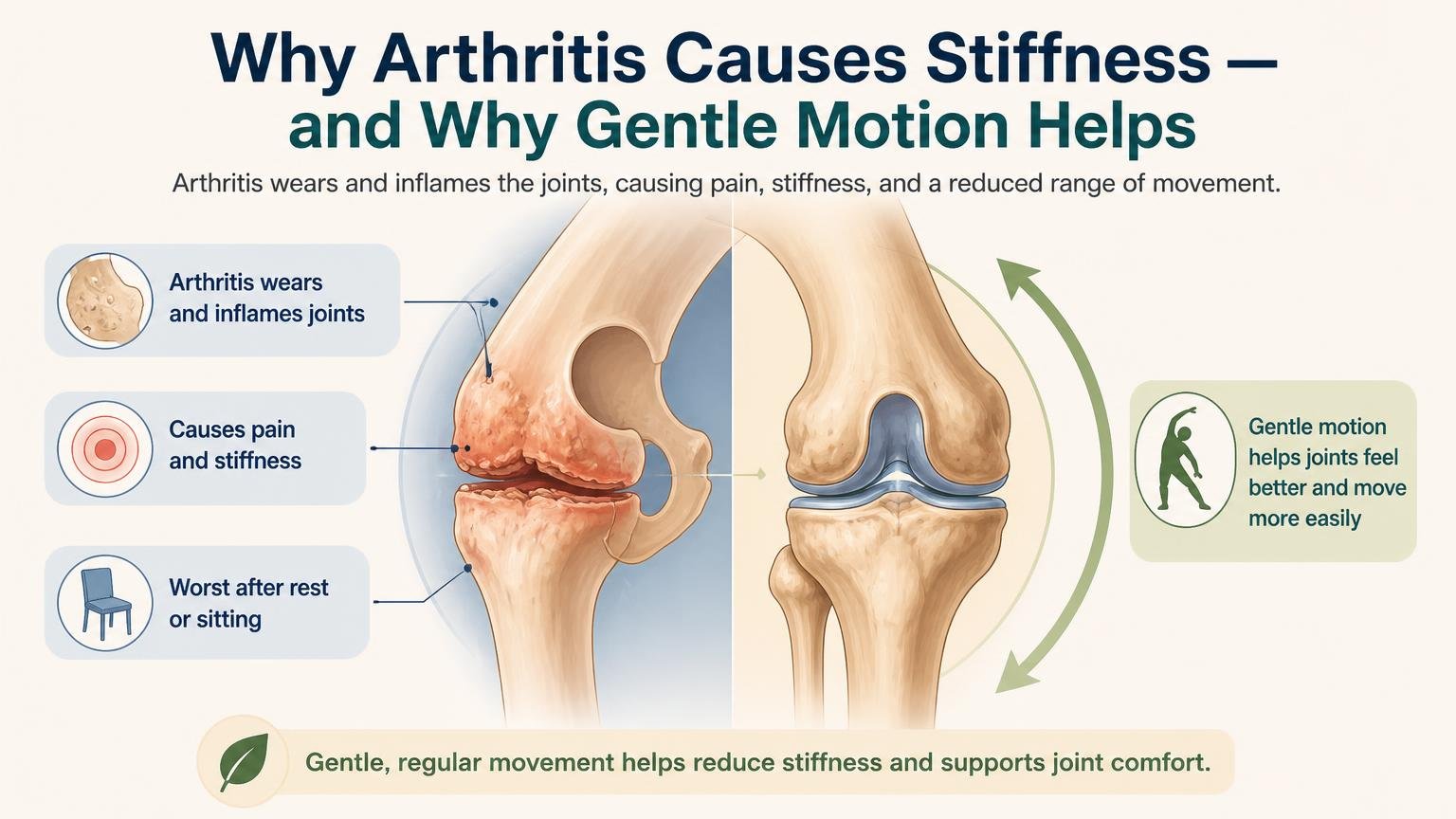
Arthritis wears and inflames the joints, causing pain, stiffness, and a reduced range of movement — often worst after periods of rest, which is why joints feel so stiff first thing in the morning or after sitting. It can be tempting to keep an arthritic knee or hip still to avoid pain, but prolonged stillness usually makes stiffness worse.
Gentle movement is often part of the answer: moving a joint through its comfortable range helps maintain flexibility, eases stiffness, supports the surrounding muscles, and can reduce pain over time. Chair yoga is well suited to this because it moves the knees and hips without the weight-bearing load of standing exercise. Always follow guidance from your doctor or physiotherapist for your specific arthritis, and pair movement with mobility support as needed.

Sponsored Pick
REVIX Microwave Heating Pad (Unscented)
Sensitive skin or scent sensitivity — a 100% unscented pad
Check PriceGet the free Chair Yoga Starter
We’ll email you the free Chair Yoga Starter: 12 illustrated seated poses, a one-page wall chart and a 7-day tracker. Plus occasional gentle-movement tips. Unsubscribe anytime.
Bonus: Follow-Along Player
An ElderlyDaily original
Ready for a plan you can follow every day?
Chair Yoga for Seniors — The Complete 4-Week System
- 40 illustrated poses, each with an easier and a stronger option
- A day-by-day 4-week plan that starts at about 10 minutes a day
- 7 mini-routines for stiff knees, balance, mornings and more
One-off purchase. Instant download.
Fillable PDF · 48 pages · US Letter + A4
Before you begin: an arthritis safety checklist
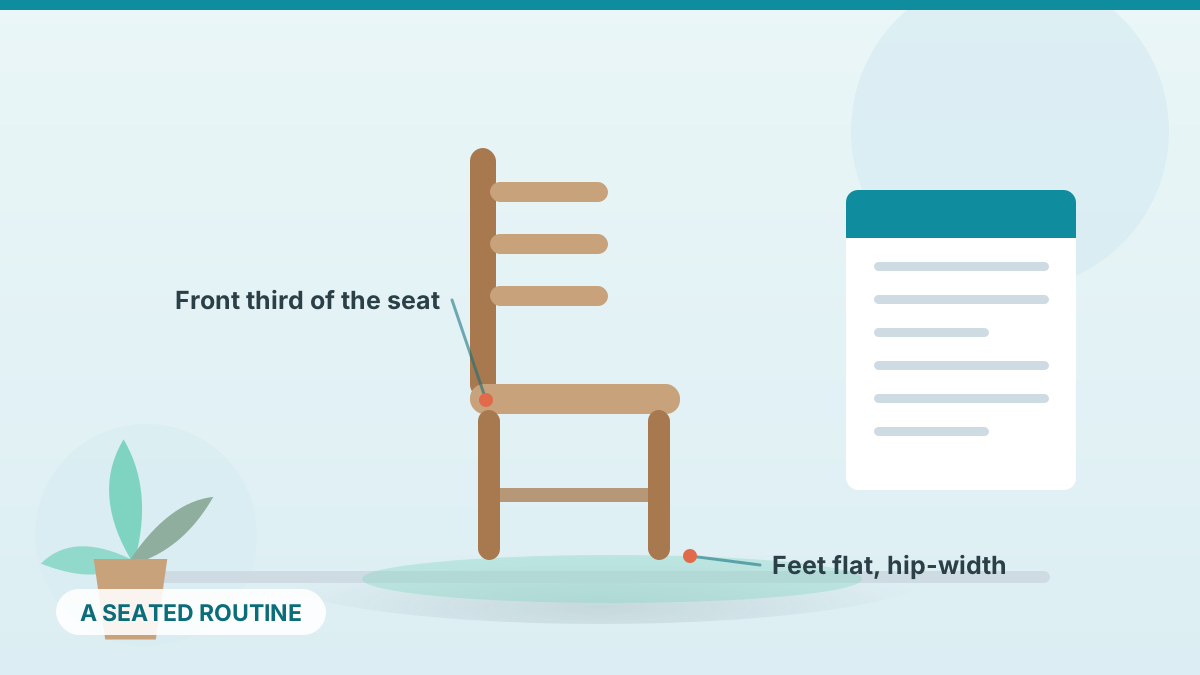
A few precautions make this safe and comfortable for arthritic joints:
- Warm up the joints — gentle movement is easier when joints are warm; a warm shower or a heating pad beforehand can help.
- Move within a pain-free range — this is the key rule: a gentle stretch or mild discomfort is okay, but sharp, catching, or worsening joint pain means ease off.
- Go slow and controlled — no bouncing or forcing; smooth, gentle movements only.
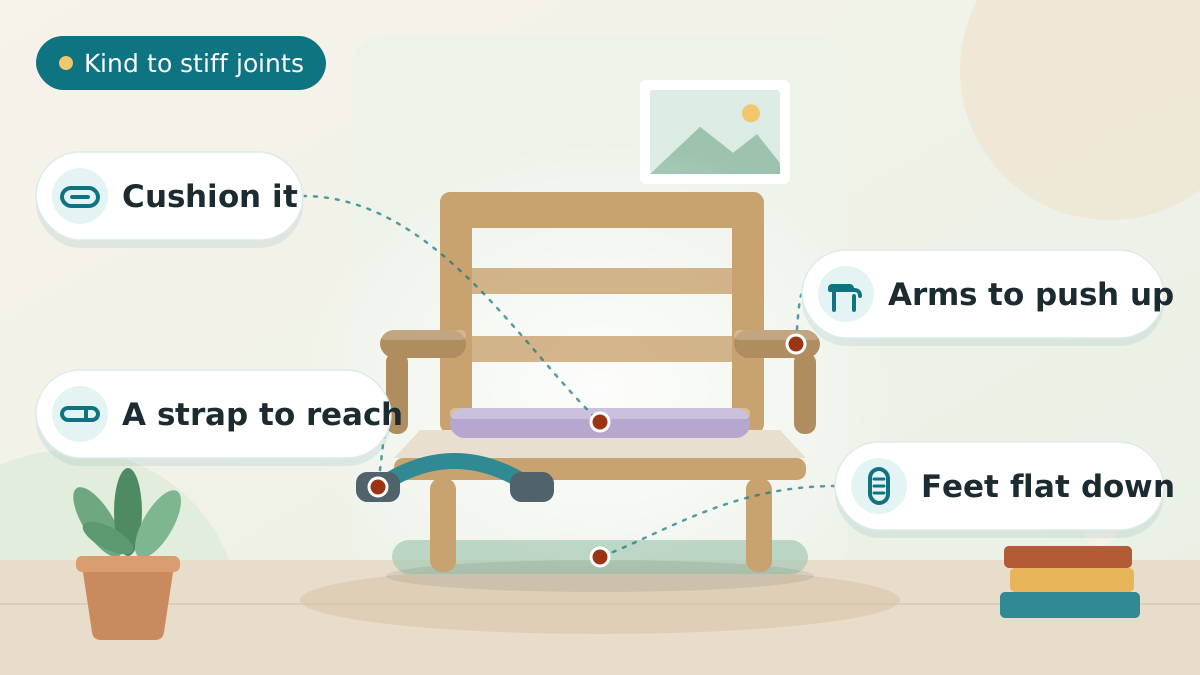
- Use a sturdy chair and sit with good support, feet flat.
- Pick a good moment — when pain and stiffness are lower (arthritis often eases as the day warms up), and don’t exercise a hot, swollen, actively flaring joint without medical advice.
- Check with your doctor or physiotherapist about the right exercises for your arthritis.
Good to know
The golden rule for arthritis: move within a pain-free range. Gentle stretching sensations are fine and helpful; sharp or worsening joint pain is a signal to ease off. Warming the joints first — a warm shower or heating pad — makes gentle movement noticeably easier.
Gentle chair movements for knees and hips
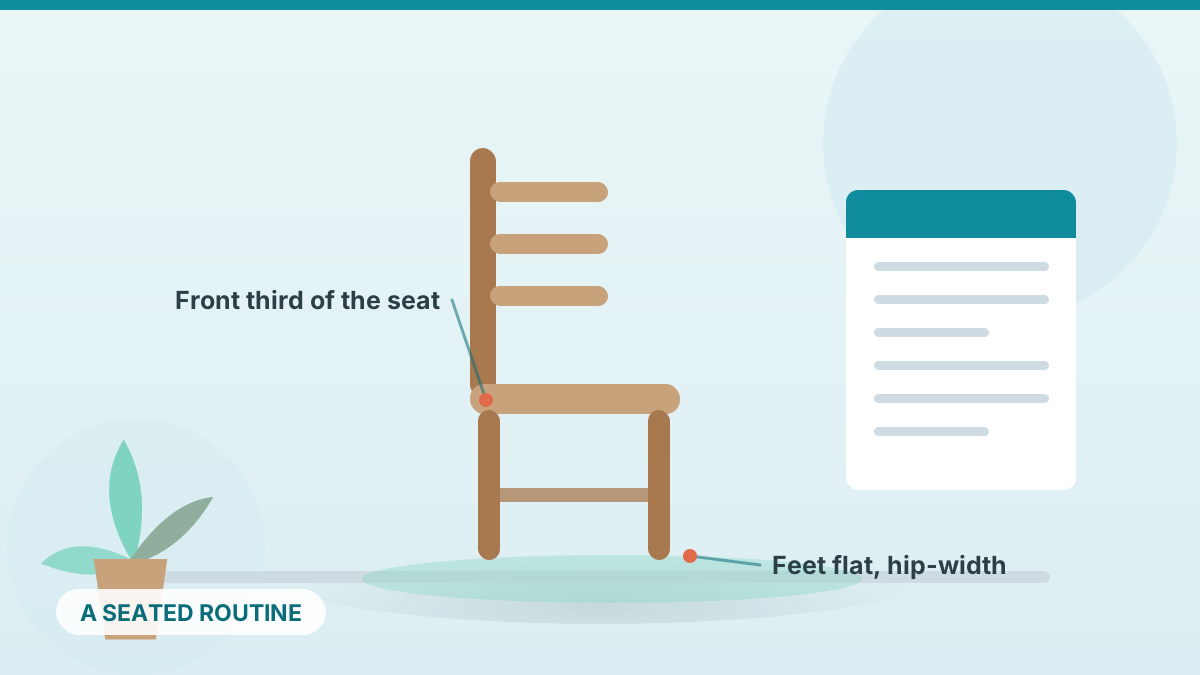
Slow, supported movements that mobilize the knees and hips — do only what’s comfortable, and skip any that aggravate a joint:
- 1
Warm-up breaths and marches
Sit tall, feet flat. Take a few easy breaths, then march gently in place with small alternating knee lifts to warm up the hips and knees.
- 2
Seated knee extensions
Slowly straighten one knee to lift the lower leg to a comfortable height, hold briefly, then lower. Alternate legs. This gently mobilizes and supports the knee.
- 3
Ankle circles and pumps
Lift one foot slightly and circle the ankle both ways, then point and flex the foot. Repeat with the other, keeping the lower legs mobile and the circulation moving.
- 4
Gentle hip marches and openings
March a little higher if comfortable, then, holding the chair, gently let one knee ease outward and back to mobilize the hip within an easy range. Keep it small and pain-free.
- 5
Seated hamstring stretch
Extend one leg with the heel on the floor and toes up, sit tall, and lean forward gently from the hips until you feel a light stretch behind the thigh. Ease back and switch sides.
- 6
Seated figure-four (only if comfortable)
If your hips allow, rest one ankle gently near the opposite knee for a soft outer-hip stretch, sitting tall. Skip this entirely if it pinches or hurts.
- 7
Finish gently
Return to a few gentle marches and easy breaths to cool down, keeping the joints moving smoothly.
How often to practice
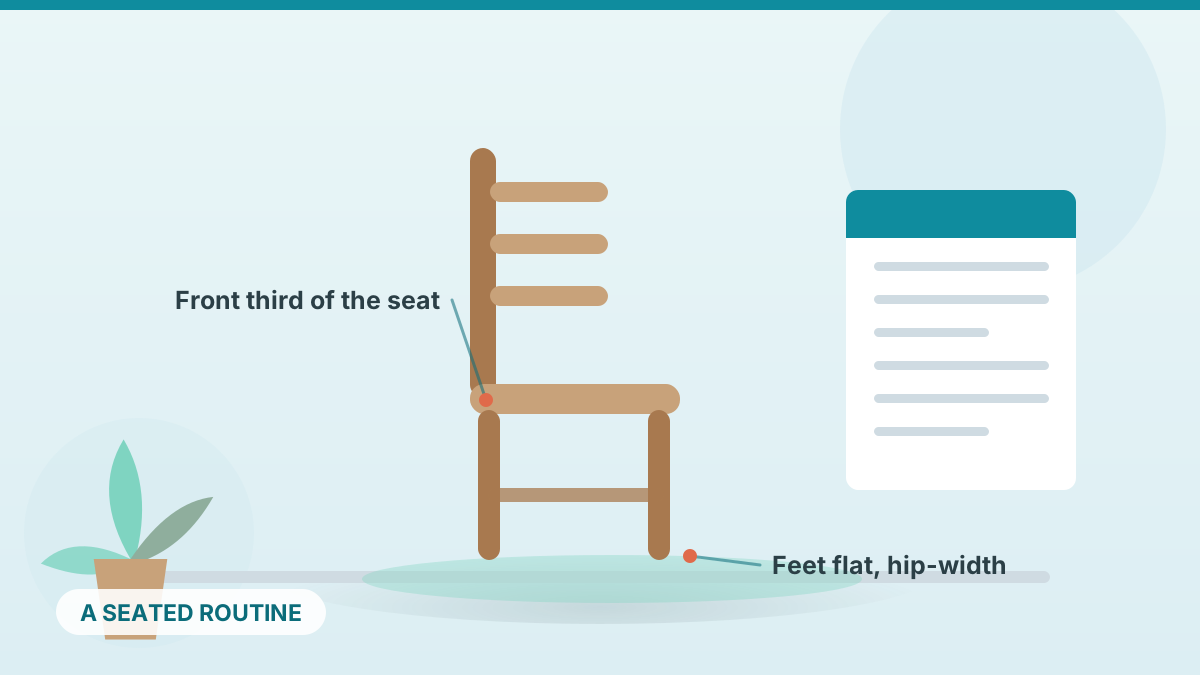
Consistency, gently applied, is what helps arthritic joints:
- Little and often — short sessions most days are better for arthritis than occasional long ones.
- Daily gentle motion — even a few minutes helps keep joints from stiffening up.
- Listen to the joints — do more on better days, less on flare days, and never push through sharp pain.
- Be patient — easing of stiffness and improved flexibility build over weeks of gentle, regular practice.
Caregiver support and when to stop
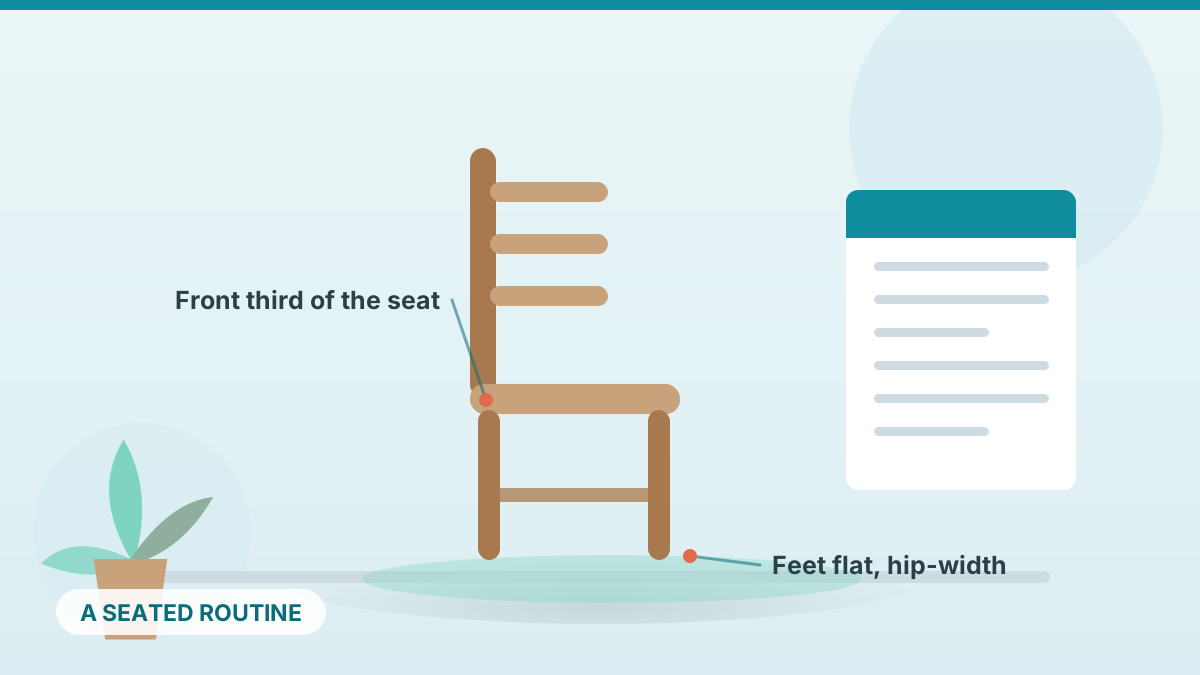
Support the practice and know the limits:
- Encourage gently — help the person warm up, keep movements comfortable, and stay consistent without pushing.
- Pair with comfort measures — heating pads and any prescribed pain management, plus supportive footwear and mobility aids for the rest of the day.
- Stop and rest for sharp, catching, or worsening joint pain, or any chest pain, breathlessness, or dizziness.
- Seek advice for a hot, swollen, red joint, a sudden increase in pain, or if exercise consistently worsens the arthritis — a doctor or physiotherapist can tailor a safe program.
For a written routine, see the printable chair yoga guide, and combine with broader daily movement and fall prevention.
Frequently asked questions
Is chair yoga good for arthritis in the knees and hips?
Yes — gentle movement is often exactly what stiff arthritic joints need, and chair yoga moves the knees and hips through a comfortable range without weight-bearing strain, easing stiffness and maintaining flexibility. Focus on slow, supported seated movements, warm the joints first if it helps, and move only within a pain-free range. Check with a doctor or physiotherapist about exercise for your arthritis.
Should you exercise arthritic joints or rest them?
Generally, gentle regular movement is better than prolonged rest, which tends to worsen stiffness. Moving a joint through its comfortable range maintains flexibility and can reduce pain over time. The exception is an actively flaring, hot, swollen joint, which may need rest and medical advice. The guiding rule is to move within a pain-free range and not push through sharp pain.
What is the rule for exercising with arthritis pain?
Move within a pain-free range: a gentle stretching sensation or mild discomfort is acceptable, but sharp, catching, or worsening joint pain means ease off. Warm the joints beforehand (a warm shower or heating pad helps), move slowly and smoothly without bouncing or forcing, and stop if pain increases. When in doubt, check with a doctor or physiotherapist.
How often should someone with arthritis do chair yoga?
Little and often works best — short gentle sessions most days are better for arthritic joints than occasional long ones, and even a few minutes of daily motion helps prevent stiffening. Do more on good days and less during flares, never pushing through sharp pain. Easing of stiffness and improved flexibility build over weeks of consistent, gentle practice.
Does heat help before exercising arthritic joints?
Often, yes — warming the joints beforehand makes gentle movement noticeably easier and more comfortable. A warm shower or a heating pad on the knees or hips before the routine can loosen stiff joints and reduce discomfort. Some people prefer cold for a hot, swollen joint; follow what works for you and any advice from your doctor or physiotherapist.
When should someone with arthritis stop exercising and seek help?
Stop and rest for sharp, catching, or worsening joint pain, and seek advice for a hot, swollen, red joint, a sudden increase in pain, or if exercise consistently makes the arthritis worse — these warrant a doctor or physiotherapist’s input. As with any exercise, also stop immediately and seek help for chest pain, severe breathlessness, or dizziness.
Sources
- Centers for Disease Control and Prevention. About Physical Activity and Arthritis
- National Institute on Aging (NIH). Four Types of Exercise Can Improve Your Health and Physical Ability
