
Sock Aids for Seniors Living Alone: Safety and Ease of Use
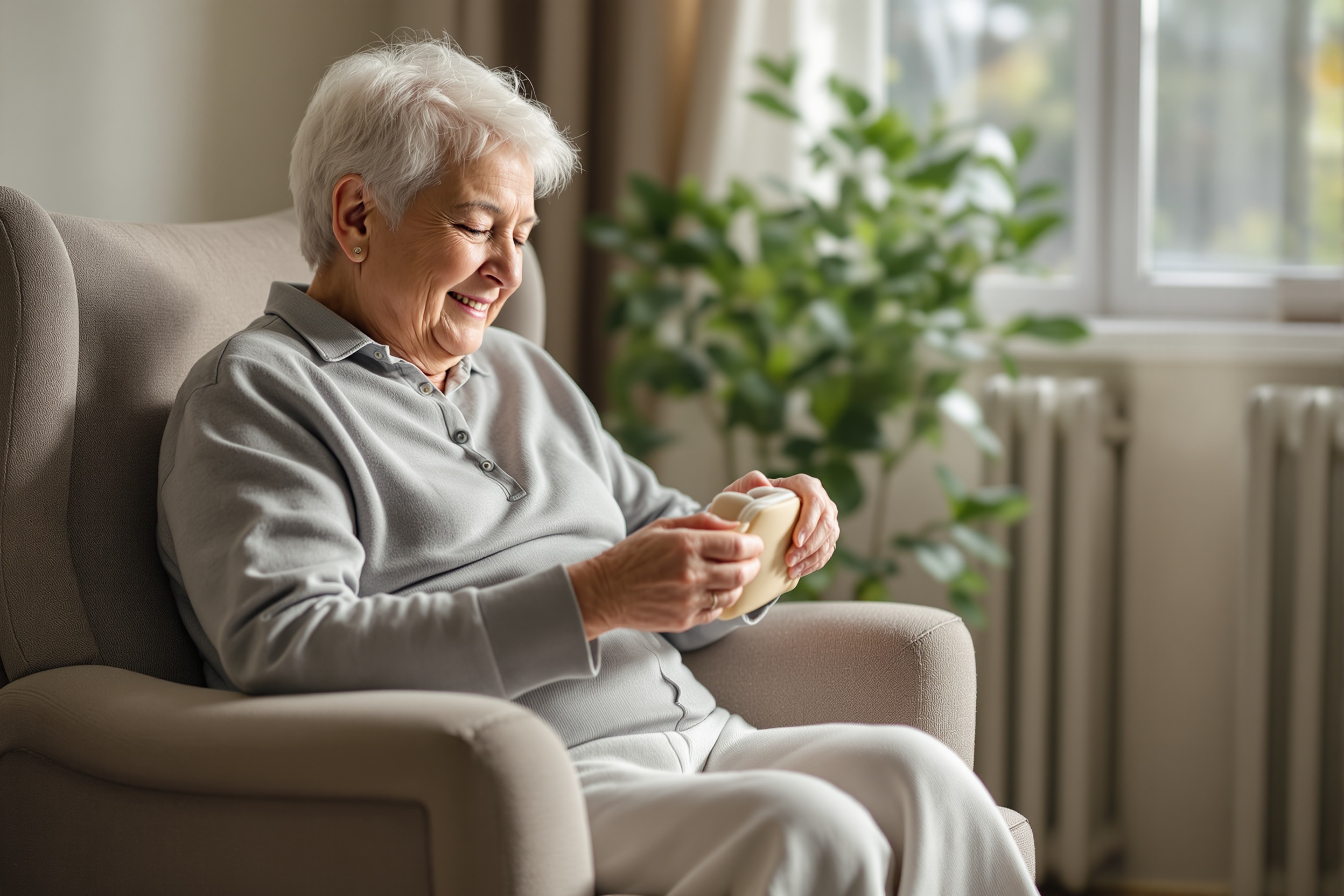
When you live alone, everyday tasks like putting on socks take on new meaning. What once seemed simple now requires careful thought about balance, reach, and what happens if something goes wrong. A sock aid can restore independence to this daily routine, but only if it works reliably without assistance.
This guide focuses on what makes a sock aid truly safe and practical for seniors who manage their own care. We'll cover design features that matter most when no one else is nearby, and how to choose tools that support confident, independent dressing.
Why Living Alone Changes Dressing Safety
Living independently means managing tasks on your own timeline and terms. But it also means there's no immediate help if you lose balance while bending forward or struggle to recover from an awkward position.
Bending to reach your feet creates several risks. Your center of gravity shifts forward. Blood pressure can drop when you stand back up. If you're seated on the edge of a bed without armrests, there's little to grab if you start to tip. These moments become more significant when you're alone.
Rushing through dressing because you feel unsteady adds another layer of risk. When a task feels precarious, the instinct is to finish quickly. But hurrying while off-balance is exactly when falls happen. A reliable sock aid removes the need to rush by making the task straightforward and stable.
Proper seated position reduces fall risk during dressing
What Makes a Sock Aid Safe for Independent Use
Stability While Seated
The most important feature is how the tool performs while you remain fully seated. You should never need to lean forward beyond a comfortable range or shift your weight in ways that feel uncertain.
Look for designs that work from an upright or slightly forward position. The sock should slide onto the aid smoothly and stay in place as you lower it to the floor. If the process requires multiple attempts or repositioning, it's not stable enough for solo use.
Simple, Repeatable Use
When you're alone, there's no one to troubleshoot if something doesn't work as expected. The sock aid needs to function the same way every time, with no guesswork.
Avoid designs with multiple moving parts or steps that vary depending on sock type. The best tools have one clear method: position the sock, insert your foot, pull the handles. Consistency builds confidence, especially on days when energy or focus is lower.
Handle Length and Control
Handles should be long enough to reach comfortably without bending deeply, but not so long that they're difficult to control. Most seniors living alone find that handles between 28 and 32 inches work well from a seated position.
The handles should also be easy to grip without strain. Foam padding helps, but the diameter matters more. Handles that are too thin require a tight grip. Handles that are too thick are hard to hold securely. A diameter similar to a standard broom handle usually feels natural.
Sock Aid Designs That Work Best for Seniors Living Alone
Rigid plastic sock aids with smooth interiors are generally the most predictable. The sock slides on easily and stays in position as you guide your foot inside. There's no fabric to bunch or shift unexpectedly.
Some designs include a small notch or groove to help position the heel of the sock. This can be helpful, but it's not essential. What matters more is that the interior surface is smooth enough for the sock to release cleanly as you pull the handles upward.
Flexible fabric sock aids can work, but they require more hand strength to hold open while inserting your foot. If grip strength is limited, a rigid design offers more control. The goal is to minimize the number of things you need to manage at once.
Safe vs. Risky Dressing Posture
Safer Approach
- • Seated in stable chair with armrests
- • Back supported, feet flat on floor
- • Using sock aid with long handles
- • Minimal forward lean required
- • Both hands free to control tool
Risky Approach
- • Seated on bed edge without support
- • Bending deeply from waist
- • Reaching down with hands only
- • Holding breath while straining
- • Standing on one leg to dress
Recommended Sock Aids for Seniors Living Alone
The following sock aids have been reviewed in our main guide and are particularly well-suited for independent use. They prioritize stability, simplicity, and consistent performance.
Rigid plastic sock aids with foam handles are the most reliable choice for seniors managing on their own. The rigid frame holds the sock open without requiring hand strength, and the long foam handles provide comfortable control from a seated position. These designs work the same way every time, which builds confidence when no one else is available to assist. Our best sock aid for elderly guide covers specific models that meet these criteria.
Sock aids with textured interiors can also work well if you prefer a design that grips the sock slightly as you position it. The texture prevents the sock from sliding off before your foot is inserted, which can be helpful if hand coordination is a concern. However, the sock must still release smoothly as you pull upward. Look for models that balance grip with easy release.
Safety Tips for Seniors Dressing Alone
- Always sit in a stable chair with armrests when using a sock aid. Avoid bed edges or stools without back support.
- Keep your sock aid in the same place each day so it becomes part of your routine. Consistency reduces the mental effort required.
- Dress in the morning after you've been awake for a while, not immediately upon waking when balance may be less stable.
- If you feel unsteady on a particular day, it's okay to skip socks or choose slip-on shoes. Independence includes knowing when to adjust.
- Practice using the sock aid when you're not rushed so the motion becomes automatic. Familiarity reduces stress during your daily routine.
- Keep a phone within reach during dressing, especially if balance is a concern. You don't need to use it, but knowing it's there provides reassurance.
A simple routine helps maintain safe, independent dressing habits
When Living Alone May Require Extra Support
Using a sock aid successfully is one indicator of overall stability and hand function. If you find that even with a well-designed tool, the task feels uncertain or exhausting, it may be time to reassess your support needs.
This doesn't mean giving up independence. It means recognizing when additional help, whether from family, a visiting aide, or other services, can preserve your safety and energy for activities you value more. Many seniors find that accepting help with a few specific tasks actually extends their ability to live independently overall.
Consider discussing dressing challenges with your doctor or an occupational therapist. They can assess whether the difficulty is related to a specific limitation that might improve with treatment, or whether it's part of a broader change in mobility. Either way, addressing it directly gives you more options than struggling alone.
Final Thoughts
Living alone doesn't mean managing without the right tools. A sock aid designed for independent use can make daily dressing safer and less stressful, allowing you to maintain your routine with confidence.
The key is choosing a design that works reliably every time, without requiring assistance or guesswork. Stability, simplicity, and comfortable reach matter more than features you won't use. When the tool fits your needs, putting on socks becomes just another part of your day, not a task that requires planning or worry.
For a broader look at sock aid options and detailed reviews of specific models, see our guide on how to use a sock aid safely. The right tool supports your independence without compromise.
Affiliate Disclosure
ElderlyDaily.com is supported by readers. When you purchase through links in our guides, we may earn a small commission at no additional cost to you. This helps us continue providing independent, research-based content. We only reference products that have been reviewed according to our editorial standards. Our recommendations are not influenced by affiliate relationships.