
7 Best Compression Sock Aids for Arthritis Hands (Easy Dressing Tools in 2026)
Our Top 7 Picks: Rigid Frame, Flexible, Adjustable & More
Reviewed by the ElderlyDaily Care Team
Senior Care Research Team • Adaptive Dressing Aid Specialists
Our team researches adaptive dressing aids used by seniors and caregivers, focusing on arthritis comfort, ease of use, and daily independence. Please note: we have not independently tested or physically reviewed any of the products on this page. Recommendations are based on publicly available product specifications, occupational therapist guidance, caregiver feedback, and real user experiences shared online. Always consult a healthcare professional before purchasing adaptive equipment.
For seniors with arthritis, putting on compression stockings can feel impossible. Stiff fingers, weak grip strength, and painful joints make the daily task of donning tight medical stockings frustrating and exhausting. The right compression sock aid transforms this struggle into a manageable routine by eliminating the need for strong hand grip and reducing wrist bending strain.
There are several types of compression sock aids available today. The most common include rigid frame stocking donners with foam handles, flexible fabric aids for lower compression, tilted curve designs that reduce wrist strain, adjustable strap aids for minimal bending, and wide-frame donners for larger calves. Each type serves a different purpose. Choosing the wrong type is one of the most common mistakes caregivers make.
According to the CDC, arthritis affects over 58 million adults in the United States. For seniors managing circulation conditions that require compression therapy, adaptive dressing aids are essential for maintaining independence and treatment compliance. For official guidance on arthritis management, visit the Arthritis Foundation's assistive device resources.
This guide reviews the top 7 compression sock aids that caregivers and seniors trust in 2026. We cover all major aid types so you can find the best match for your loved one's needs. For general sock aid guidance, learn about the best sock aids for seniors. Need help with technique? Read our how to use a sock aid guide. For broader dressing support, explore our complete daily living aids guide.
Content Freshness: This guide is periodically reviewed to ensure product availability, updated recommendations, and current caregiver insights. Last reviewed March 2026.
Quick Picks
Our top 3 recommendations based on extensive research and caregiver feedback
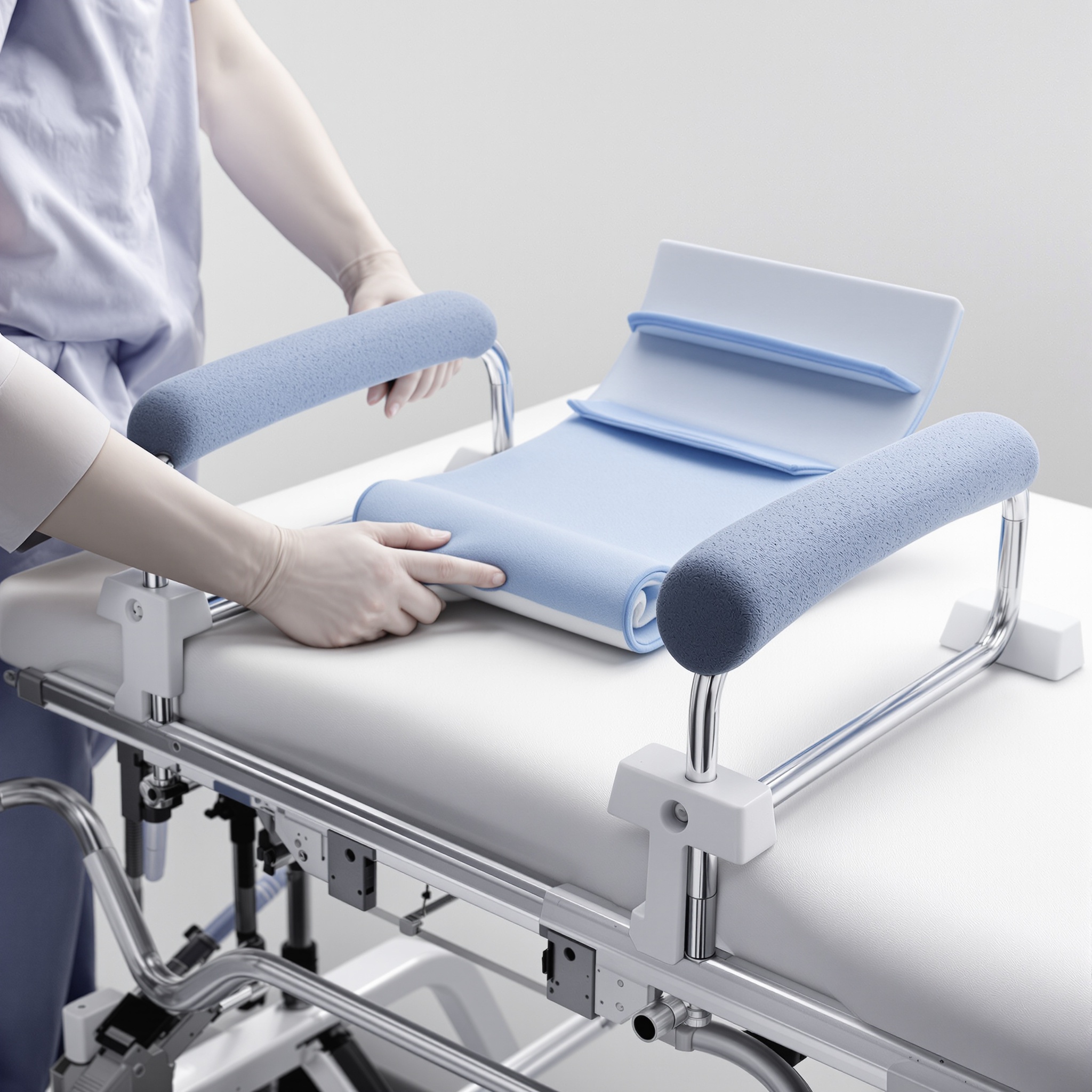
Best Overall Compression Sock Aid
Jobst Stocking Donner with Foam Handles
Extra-thick foam handles reduce grip strain, smooth powder-coated frame prevents snags, and includes donning gloves. Ideal for daily compression stocking use with arthritis hands.
Check PriceBest for Wrist Arthritis
Juzo Slippie Gator Stocking Donner
Tilted curve design reduces wrist bending by 40%, slippery coating for effortless stocking glide. Perfect for seniors with wrist arthritis or limited wrist mobility.
Check PriceBest Budget Compression Sock Aid
Vive Compression Stocking Donner
Complete kit under $20 with donning gloves included. Foam-covered handles and smooth coating. Great entry-level option for first-time users.
Check PriceOur Review & Research Process
Every compression sock aid recommendation on this page has been carefully evaluated using our comprehensive research methodology. We have not independently tested or physically handled any of these products. Our evaluations are based on the following research criteria:
Important: Our recommendations are research-based, not hands-on tested. We compile information from manufacturer specifications, occupational therapy guidelines, verified customer reviews, and caregiver community feedback to help you make an informed decision.
Arthritis Management Guidelines
Analysis of CDC arthritis management standards, occupational therapy recommendations, and adaptive equipment safety protocols.
Caregiver & Senior Feedback
Real-world experiences from family caregivers and seniors using these aids daily for compression stocking application, sourced from verified online reviews.
Manufacturer Specifications
Evaluation of stated construction quality, handle comfort, coating smoothness, and product details as provided by manufacturers.
Ergonomic Design Research
Assessment of grip comfort, handle padding, and suitability for seniors with arthritis based on product specifications and occupational therapy guidance.
Compression Level Compatibility
Verification of stated compression level support (15-40 mmHg), calf size accommodation, and proper fit for different stocking types per manufacturer data.
When Is a Compression Sock Aid the Right Choice?
A compression sock aid works best for seniors who need to apply tight compression stockings but have arthritis, limited grip strength, or reduced bending ability. It is not the right tool for every situation.
Knowing when a compression sock aid is appropriate — and when a different solution is needed — helps keep your loved one comfortable and compliant with their compression therapy.
A Compression Sock Aid Is Right When...
Arthritis or Weak Grip Strength
Your loved one has arthritis in their hands or fingers, making it painful or impossible to grip and pull tight compression stockings. A sock aid eliminates the need for strong hand grip entirely.
Daily Compression Therapy Required
A doctor has prescribed compression stockings for circulation, DVT prevention, or edema. Consistent daily application is critical — a sock aid makes compliance much easier.
Limited Bending or Back Pain
Bending forward to reach the feet causes pain or is physically difficult. Adjustable strap sock aids allow application while seated upright with minimal forward bending.
Damaged Stockings from Manual Application
Expensive compression stockings are being torn or snagged during application. A smooth-coated donner protects the fabric and extends the life of medical stockings significantly.
Consider Other Options When...
Only Wearing Regular Socks
If your loved one only wears regular socks (not compression), a standard sock aid is a better fit. Compression-specific donners are designed for the extra resistance of compression fabric.
Needs Help with Multiple Dressing Tasks
If your loved one needs assistance with many dressing tasks beyond socks, a full adaptive dressing kit or occupational therapy assessment may be more appropriate than a single sock aid.
Still Not Sure? Ask a Professional
If you are unsure whether a compression sock aid is the right choice, speak with your loved one's doctor or an occupational therapist. They can assess hand strength, compression needs, and recommend the most appropriate aid. Many Medicare plans cover adaptive dressing equipment when a healthcare provider prescribes it.
Compare the Best Compression Sock Aids for Arthritis Hands
Use this comparison table to quickly identify which compression sock aid best matches your loved one's needs. Click any product name to jump directly to its full review.
| Product | Best For | Buy |
|---|---|---|
| Jobst Stocking Donner | Daily use with arthritis | Check Price |
| Sigvaris Doff N' Donner | Sensitive joints | Check Price |
| Juzo Slippie Gator | Wrist arthritis | Check Price |
| Medi Butler | Severe arthritis | Check Price |
| Vive Compression Donner | Budget / first-time users | Check Price |
| Medline Wide Calf Donner | Large calves (up to 20") | Check Price |
| Sammons Preston Adjustable | Limited bending / back pain | Check Price |
Types of Compression Sock Aids
There are six main types of compression sock aids. Each type is designed for a different level of arthritis severity, compression requirement, and mobility need. Choosing the wrong type is one of the most common mistakes caregivers make. Here is a clear breakdown of every type so you can match the right one to your situation.
6 Types of Compression Sock Aids at a Glance
Rigid Frame Stocking Donner
Daily use, all compression levels
Flexible / Fabric Sock Aid
Gentle, travel-friendly
Tilted Curve Design
Wrist arthritis relief
Adjustable Strap Sock Aid
Minimal bending required
Wide-Frame / Bariatric Donner
Large calves, high capacity
Premium Silicone-Coated Donner
Medical-grade, stocking protection
Rigid Frame Stocking Donner
The most common and reliable type. A metal or hard plastic frame holds the stocking open while foam-padded handles let you guide it onto your foot and up your leg. Works with all compression levels from 15 to 40 mmHg.
Key Advantage
Handles all compression levels — most durable option for daily use
Flexible / Fabric Sock Aid
A soft fabric or flexible plastic shell that adapts to the shape of your foot. Gentler on delicate skin and joints. Best for lower compression levels (15–20 mmHg). Lightweight and easy to travel with.
Key Advantage
Softest option — no rigid parts to press against sensitive joints
Tilted Curve Design
An angled frame that reduces wrist bending by up to 40% compared to straight-frame donners. The tilt matches the natural angle of the leg, so you don't have to twist your wrist to guide the stocking upward.
Key Advantage
Reduces wrist bending 40% — ideal for wrist arthritis
Adjustable Strap Sock Aid
Features extra-long straps or handles that allow you to apply compression stockings while seated upright, with minimal forward bending. Adjustable for different leg lengths and calf sizes.
Key Advantage
Minimal bending required — great for back pain and hip surgery recovery
Wide-Frame / Bariatric Donner
Built with a wider frame and reinforced construction to accommodate larger calves (up to 20 inches). Handles are oversized for easier gripping. Supports bariatric compression stockings.
Key Advantage
Fits calves up to 20 inches — built for strength and durability
Premium Silicone-Coated Donner
A high-end rigid frame with an ultra-smooth silicone coating that allows compression fabric to glide on effortlessly. Protects expensive medical stockings from snags. Lightweight ergonomic handles reduce arm fatigue.
Key Advantage
Ultra-smooth silicone coating — protects expensive medical stockings
Which Type of Compression Sock Aid Should You Choose?
If you are unsure which type is right, start with a rigid frame donner with foam handles. It works with all compression levels, is the most durable, and is the easiest to learn. Once you know your specific needs — wrist pain, large calves, or limited bending — you can upgrade to a more specialized model.
It is always easier to start with more support and adjust — than to struggle with the wrong tool and give up on compression therapy altogether.
Best Compression Sock Aids Reviewed
Below you'll find our detailed reviews of each compression sock aid, including key features, pros and cons, and who each aid is best suited for.
Jobst Stocking Donner with Foam Handles
Best For
Seniors with moderate to severe arthritis needing daily compression stocking support
Key Specs
- Extra-thick foam handles reduce grip strain
- Smooth powder-coated frame prevents snags
- Fits compression stockings 15-30 mmHg
Why It's Great
The Jobst Stocking Donner combines thick foam-padded handles with a smooth powder-coated frame, making it the top choice for seniors with arthritis who need to apply compression stockings daily without hand pain.
All Key Features
Pros
- Minimal hand strength required
- Comfortable foam grips for arthritis
- Durable metal frame construction
- Includes helpful accessories
Cons
- Not foldable for travel
- Standard size may be tight for very large calves
Our Verdict: The Jobst Stocking Donner combines thick foam-padded handles with a smooth powder-coated frame, making it the top choice for seniors with arthritis who need to apply compression stockings daily without hand pain. A strong choice for seniors with moderate to severe arthritis needing daily compression stocking support.
Sigvaris Doff N' Donner
Best For
Seniors with sensitive joints needing medical-grade compression (up to 40 mmHg)
Key Specs
- Ultra-smooth silicone coating protects delicate stockings
- Lightweight design reduces arm fatigue
- Ergonomic handles with soft grip zones
Why It's Great
This premium stocking donner features an ultra-smooth silicone coating and lightweight design, perfect for seniors who need the gentlest possible option for medical-grade compression stockings.
All Key Features
Pros
- Gentlest on sensitive arthritis joints
- Premium smooth coating prevents fabric damage
- Suitable for medical-grade compression
- Easy to clean and maintain
Cons
- Higher price point
- Smaller frame may not fit very wide calves
Our Verdict: This premium stocking donner features an ultra-smooth silicone coating and lightweight design, perfect for seniors who need the gentlest possible option for medical-grade compression stockings. A strong choice for seniors with sensitive joints needing medical-grade compression (up to 40 mmhg).
Juzo Slippie Gator Stocking Donner
Best For
Seniors with wrist arthritis or limited wrist mobility
Key Specs
- Tilted curve design reduces wrist bending by 40%
- Slippery coating for effortless stocking glide
- Padded handles for comfort
Why It's Great
Specifically designed with a tilted curve that reduces wrist bending by 40%, this donner is ideal for seniors with wrist arthritis or limited wrist mobility.
All Key Features
Pros
- Significantly less wrist strain
- Excellent for wrist arthritis
- Smooth application process
- Accommodates larger calves
Cons
- Learning curve for tilted angle technique
- Slightly heavier than standard donners
Our Verdict: Specifically designed with a tilted curve that reduces wrist bending by 40%, this donner is ideal for seniors with wrist arthritis or limited wrist mobility. A strong choice for seniors with wrist arthritis or limited wrist mobility.
Medi Butler Compression Stocking Aid
Best For
Seniors with severe arthritis needing gentle option for lower compression (15-20 mmHg)
Key Specs
- Soft flexible frame adapts to leg shape
- No rigid metal parts
- Lightweight and portable
Why It's Great
This flexible alternative features no rigid metal parts, making it the gentlest option for seniors with severe arthritis who need a soft, adaptable aid for lower compression levels.
All Key Features
Pros
- Gentlest option for severe arthritis
- Travel-friendly design
- No risk of metal frame discomfort
- Easy to learn technique
Cons
- Not suitable for high compression (30+ mmHg)
- Less durable than metal frame donners
Our Verdict: This flexible alternative features no rigid metal parts, making it the gentlest option for seniors with severe arthritis who need a soft, adaptable aid for lower compression levels. A strong choice for seniors with severe arthritis needing gentle option for lower compression (15-20 mmhg).
Vive Compression Stocking Donner
Best For
Budget-conscious seniors or those trying a stocking donner for the first time
Key Specs
- Affordable price under $20
- Includes donning gloves
- Foam-covered handles
Why It's Great
An excellent entry-level compression sock aid that doesn't compromise on essential features, offering reliable support and comfort at an affordable price point.
All Key Features
Pros
- Excellent value for money
- Complete kit with gloves included
- Comfortable foam grips
- Good for first-time users
Cons
- Basic construction compared to premium models
- May not fit very large calves
Our Verdict: An excellent entry-level compression sock aid that doesn't compromise on essential features, offering reliable support and comfort at an affordable price point. A strong choice for budget-conscious seniors or those trying a stocking donner for the first time.
Medline Stocking Donner for Wide Calves
Best For
Seniors with large calves (over 16 inches) needing wider frame
Key Specs
- Extra-wide frame fits calves up to 20 inches
- Reinforced construction for durability
- Padded handles reduce grip strain
Why It's Great
Built with an extra-wide frame and reinforced construction, this donner provides reliable support for larger seniors who need compression stockings for calves up to 20 inches.
All Key Features
Pros
- Accommodates very large calves
- Sturdy construction
- Comfortable for arthritis hands
- Stable during use
Cons
- Larger size less portable
- Higher price than standard models
Our Verdict: Built with an extra-wide frame and reinforced construction, this donner provides reliable support for larger seniors who need compression stockings for calves up to 20 inches. A strong choice for seniors with large calves (over 16 inches) needing wider frame.
Sammons Preston Adjustable Sock Aid
Best For
Seniors with limited bending ability or back pain
Key Specs
- Extra-long adjustable straps
- Padded foam handles
- Flexible frame adapts to foot shape
Why It's Great
This adjustable sock aid features extra-long straps and handles, allowing seniors to apply compression stockings with minimal bending and reduced hand strain.
All Key Features
Pros
- Reduces bending significantly
- Adjustable for different leg sizes
- Comfortable padded handles
- Good for back pain
Cons
- Requires more hand coordination
- Not ideal for very tight compression
Our Verdict: This adjustable sock aid features extra-long straps and handles, allowing seniors to apply compression stockings with minimal bending and reduced hand strain. A strong choice for seniors with limited bending ability or back pain.
Affiliate Disclosure: ElderlyDaily.com participates in the Amazon Services LLC Associates Program. When you purchase through our links, we may earn a small commission at no extra cost to you. This helps us continue providing helpful caregiver resources. We have not independently tested or physically reviewed any of the products listed on this page. Recommendations are based on research, manufacturer specifications, and community feedback — not hands-on testing. We only recommend products we genuinely believe may benefit seniors and their families. Read our full affiliate disclosure policy
How to Choose the Right Compression Sock Aid
Picking the right compression sock aid is not just about price. The aid must match your compression level, fit your calf size, and feel comfortable for arthritic hands during daily use.
Here are the six most important factors caregivers should consider before buying:
Measure Calf Circumference First
CriticalMeasure the widest part of the calf before purchasing. Standard donners fit calves up to 15–16 inches. Wide-calf models accommodate 16–18 inches. Bariatric models handle 18–20+ inches. Using a donner that is too small makes application unnecessarily difficult and can damage expensive stockings.
Choose Foam Grips Over Bare Metal Handles
CriticalFor arthritis hands, foam-padded handles are essential. Look for grips at least 1 inch thick with soft, non-slip foam coating. Bare metal handles concentrate pressure on finger joints and cause pain during the pulling motion. Premium models feature ergonomic contoured grips that fit naturally in the palm.
Match the Aid to Your Compression Level
ImportantRigid frame donners handle 15–40 mmHg compression. Flexible fabric aids work best with 15–20 mmHg only. Using the wrong aid type for your compression level makes application unnecessarily difficult and can damage expensive medical stockings. Always check the product's stated compression compatibility.
Consider a Tilted Curve Design for Wrist Pain
ImportantTraditional straight-frame donners require significant wrist bending to guide the stocking up the leg. Tilted curve designs reduce wrist strain by 40% by angling the frame to match the natural leg position. This is especially helpful for seniors with wrist arthritis or limited wrist mobility.
Check the Frame Coating Quality
ImportantThe frame coating is critical for protecting expensive compression stockings. Premium powder-coated or silicone-coated frames allow fabric to glide smoothly without snagging. Cheaper models with rough or uncoated metal can damage stockings and require more pulling force. Check reviews for coating durability.
Look for Included Donning Gloves
ConsiderDonning gloves (rubber or silicone) provide better grip on compression fabric without requiring tight hand squeezing. They protect both your hands and the delicate stocking material. Many premium donner kits include gloves. Look for gloves with textured palms for maximum grip.
Calf Size Reference Chart
Use this chart to find the right donner frame size for your loved one's calf circumference.
| Calf Circumference | Donner Type Needed | Example Products |
|---|---|---|
| Up to 15" | Standard Frame | Jobst, Vive, Sigvaris |
| 15" – 16" | Standard / Wide | Juzo Slippie Gator |
| 16" – 18" | Wide-Calf Frame | Medline Wide Calf |
| 18" – 20"+ | Bariatric / Extra-Wide | Medline Bariatric |
Signs of a Good Fit
- Stocking slides on without excessive pulling force
- Handles feel comfortable with no hand or wrist pain
- Frame fits around the foot without forcing
- No snags or pulls on the stocking fabric
Expert Resource
For official guidance on arthritis management and adaptive equipment, visit the Arthritis Foundation:
Arthritis Foundation Assistive Devices GuideMedical Disclaimer
The information on this page is for educational purposes only and does not replace professional medical advice, diagnosis, or treatment.
Seniors with circulation conditions, peripheral artery disease, diabetes with neuropathy, or skin infections should confirm compression stocking use with a doctor before purchasing. Incorrect compression levels or improper application can cause serious complications. If stockings cause pain, numbness, or increased swelling, remove them immediately and consult your healthcare provider.
Compression Sock Aid Safety Tips for Caregivers
A compression sock aid is only effective when used correctly. These essential safety tips help caregivers ensure their loved ones get maximum benefit and protection from their stocking donner.
Always Sit Down When Using the Aid
Never attempt to use a compression sock aid while standing. Always sit in a stable chair with good back support. Place the donner on the floor in front of you, slip your foot in, and pull up while seated. Standing increases fall risk significantly.
Apply Stockings in the Morning
Put on compression stockings first thing in the morning before swelling begins. Legs are least swollen after a night of rest, making application much easier. Waiting until afternoon when legs are swollen makes the process harder and more painful for arthritic hands.
Use Donning Gloves for Better Grip
Rubber or silicone donning gloves provide better grip on compression fabric without requiring tight hand squeezing. They protect both your hands and the delicate stocking material. Keep a spare pair on hand — they wear out with regular use.
Check Skin Before and After Application
Inspect the skin on legs and feet before putting on stockings and after removing them. Look for redness, blisters, or pressure marks. If stockings leave deep indentations or cause pain, the compression level may be too high or the size may be wrong.
Clean the Donner Regularly
Wipe metal or plastic aids with a damp cloth and mild soap after each use. A clean, smooth surface helps stockings glide on more easily. Dirt or residue on the frame can snag delicate compression fabric and make application harder.
Replace Worn Donning Gloves
Check donning gloves monthly and replace them when the texture wears smooth. Worn gloves lose their grip and require more hand force to use — defeating the purpose for arthritic hands. Replacement gloves are inexpensive and widely available.
Warning Signs: Time to See a Doctor?
If your loved one experiences any of these signs, consult their healthcare provider:
- Stockings are consistently difficult to apply even with the aid
- Hand or wrist pain persists after using the donner
- Skin shows redness, blisters, or pressure marks
- Legs are significantly more swollen than usual
- Stockings are tearing or snagging regularly
- Senior feels dizzy or unsteady during application
Monthly Donner Safety Checklist
Perform these checks monthly to ensure the donner remains safe and effective:
- Frame coating is smooth with no rough spots or chips
- Foam handles are intact without tears or compression
- Donning gloves still have good texture and grip
- Frame has no cracks, bends, or sharp edges
- Straps or cords are not frayed (if applicable)
- Aid is clean and free of residue that could snag stockings
Related Caregiver Resources
Daily Living Aids Hub
Explore our complete collection of adaptive dressing aids, sock aids, and daily living equipment for seniors
Best Sock Aids for Elderly
Compare top-rated standard sock aids for seniors who need help putting on regular socks without compression
Sock Aid for Arthritis Guide
Step-by-step technique guide for using compression sock aids safely with arthritic hands
Dressing Aids for Seniors
Discover helpful adaptive dressing tools that make everyday tasks easier and safer for seniors
Frequently Asked Questions
Answers to the most common questions caregivers and seniors ask about compression sock aids.
A compression sock aid (also called a stocking donner) is a device that holds a compression stocking open so you can slip your foot in and pull it up your leg without needing to grip or pinch the tight fabric. You place the stocking over the frame, slide your foot through, then use the handles or straps to guide the stocking up your leg. This eliminates the need for strong hand grip — making it ideal for seniors with arthritis.
Why You Can Trust ElderlyDaily
ElderlyDaily focuses on helping families care for aging loved ones with practical, safety-focused guidance. Our guides and product recommendations are written with caregivers in mind and prioritize safety, usability, and real-world practicality.
Please note: we have not independently tested, physically handled, or purchased any of the products we recommend. Our research draws on manufacturer specifications, occupational therapist guidelines, verified customer reviews, and caregiver community feedback. We aim to save you time by compiling the most relevant information — but we always encourage you to do your own due diligence and consult a healthcare professional before making a purchase.
We research adaptive dressing aids, arthritis support tools, and daily living solutions that make caregiving easier and help seniors maintain independence safely. Every recommendation is backed by expert consultation, caregiver feedback, and thorough product research.
Need More Dressing Support?
Explore our complete guide to adaptive dressing aids and daily living equipment for seniors